Newsletters


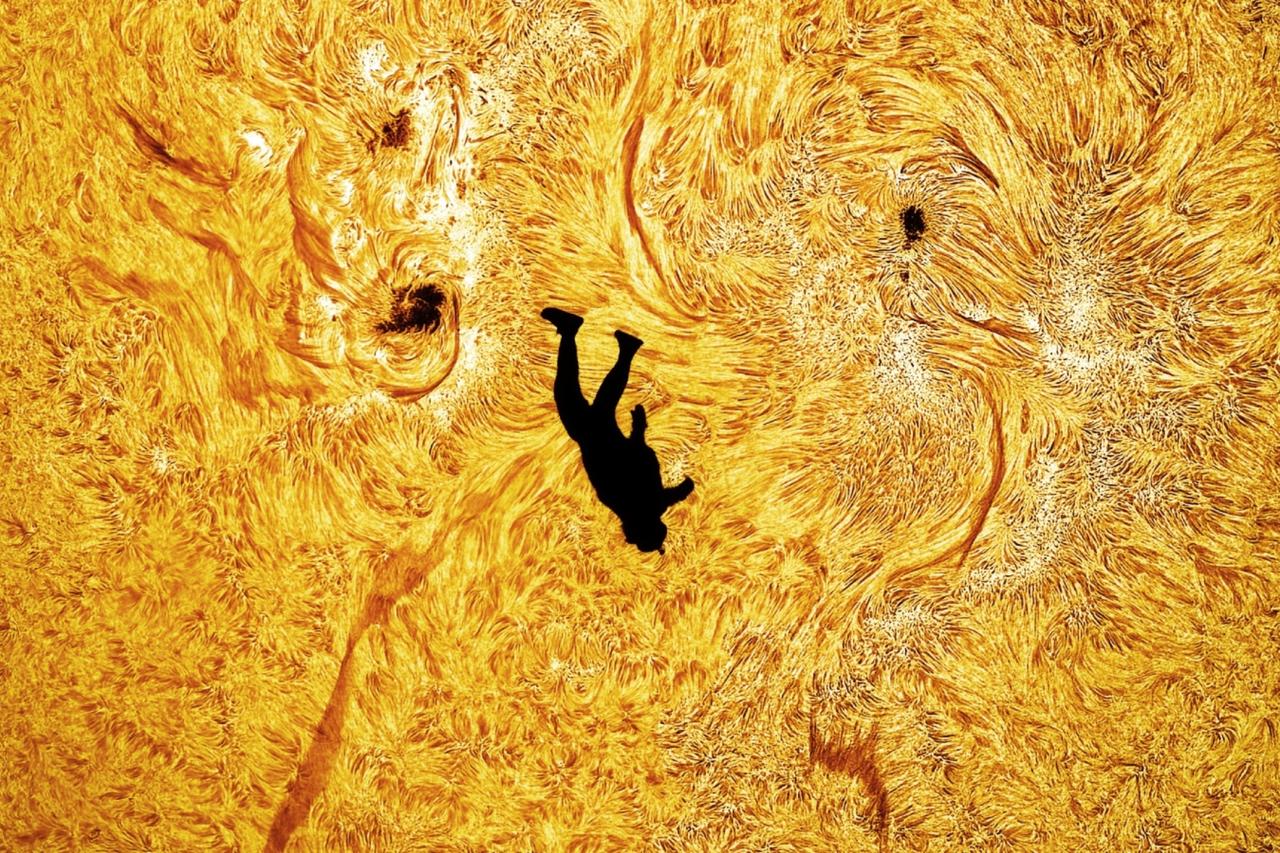
For a brief moment in 2025, a falling human figure appeared to cut across the surface of the sun, a shot captured by astrophotographer Andrew McCarthy that echoed the myth of Icarus in real time. Elsewhere, a visitor from beyond the solar system traced a rainbow through the dark, and distant galaxies revealed structures shaped long before Earth existed. Drawn from Live Science’s selection of the year’s most striking space photography, these scenes move from our own atmosphere to the far edges of the observable universe, capturing a year when timing, technology, and chance aligned.
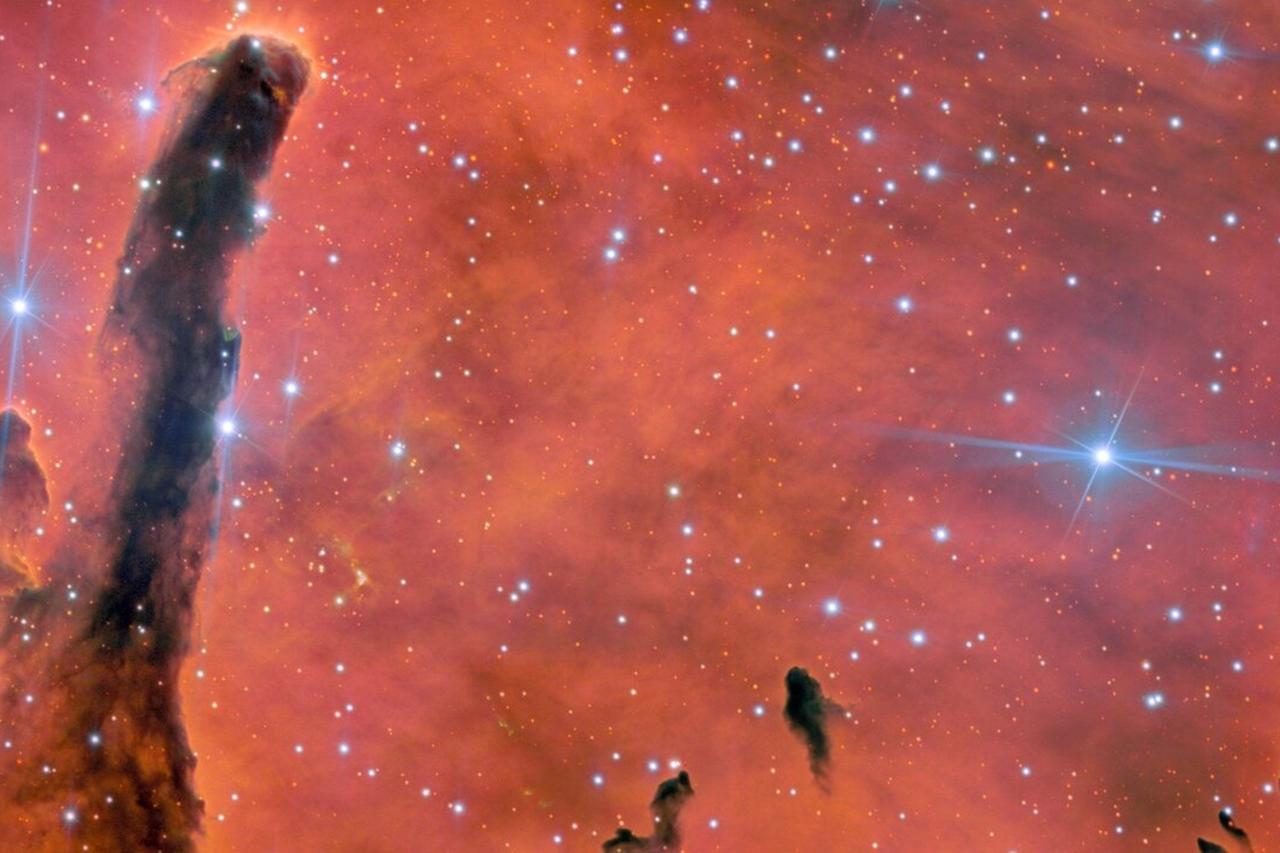
Ua Ohia Lani, a name linked to heavenly rains, brought a familiar pillar shape into a different star forming setting. Blue stars from a foreground cluster overlapped with a more distant red emission nebula, while radiation and stellar winds carved the surrounding dust into column-like structures.
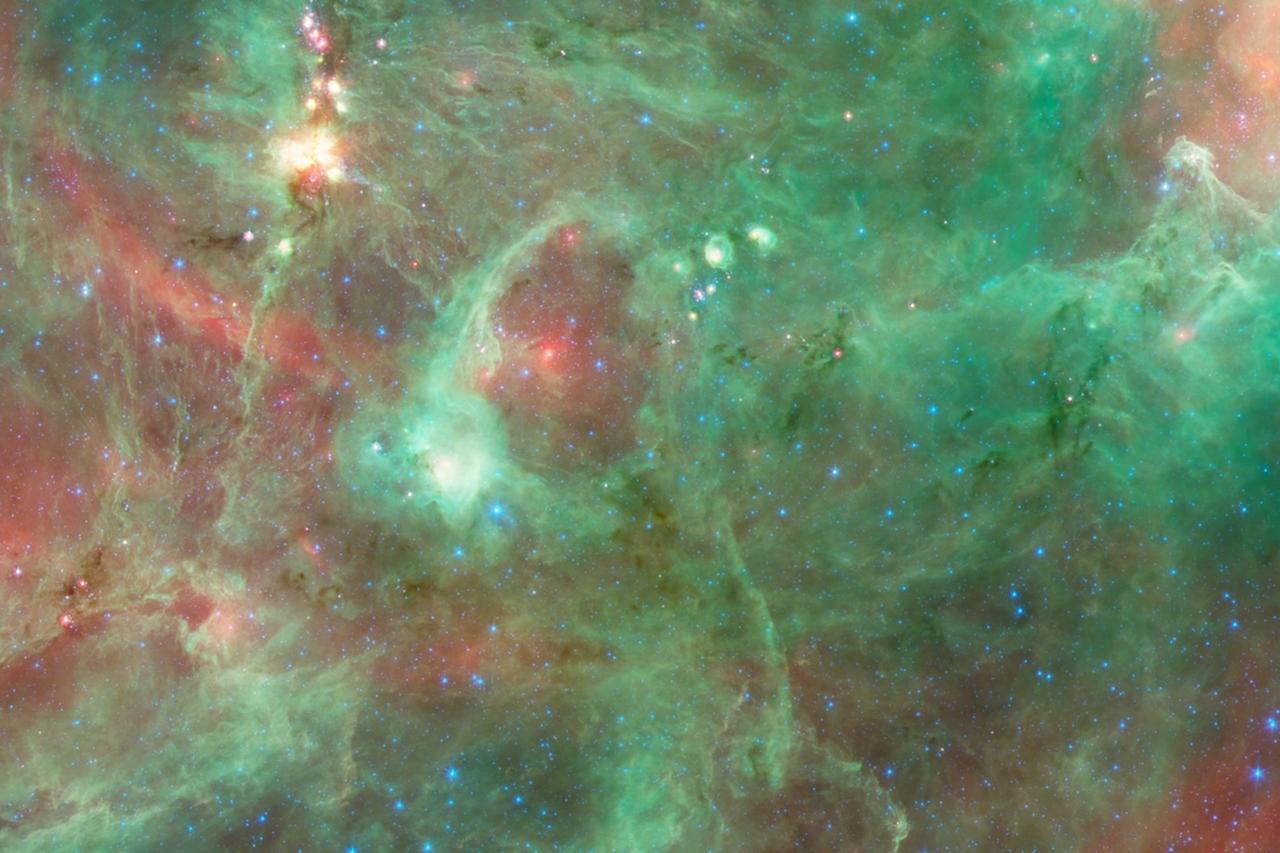
A bright ring stood out in Cygnus, with new research suggesting it could have been the aftermath of a bubble that expanded and broke apart. The result was a structure that looked jewel like, but the glow came from high energy observations rather than visible light.
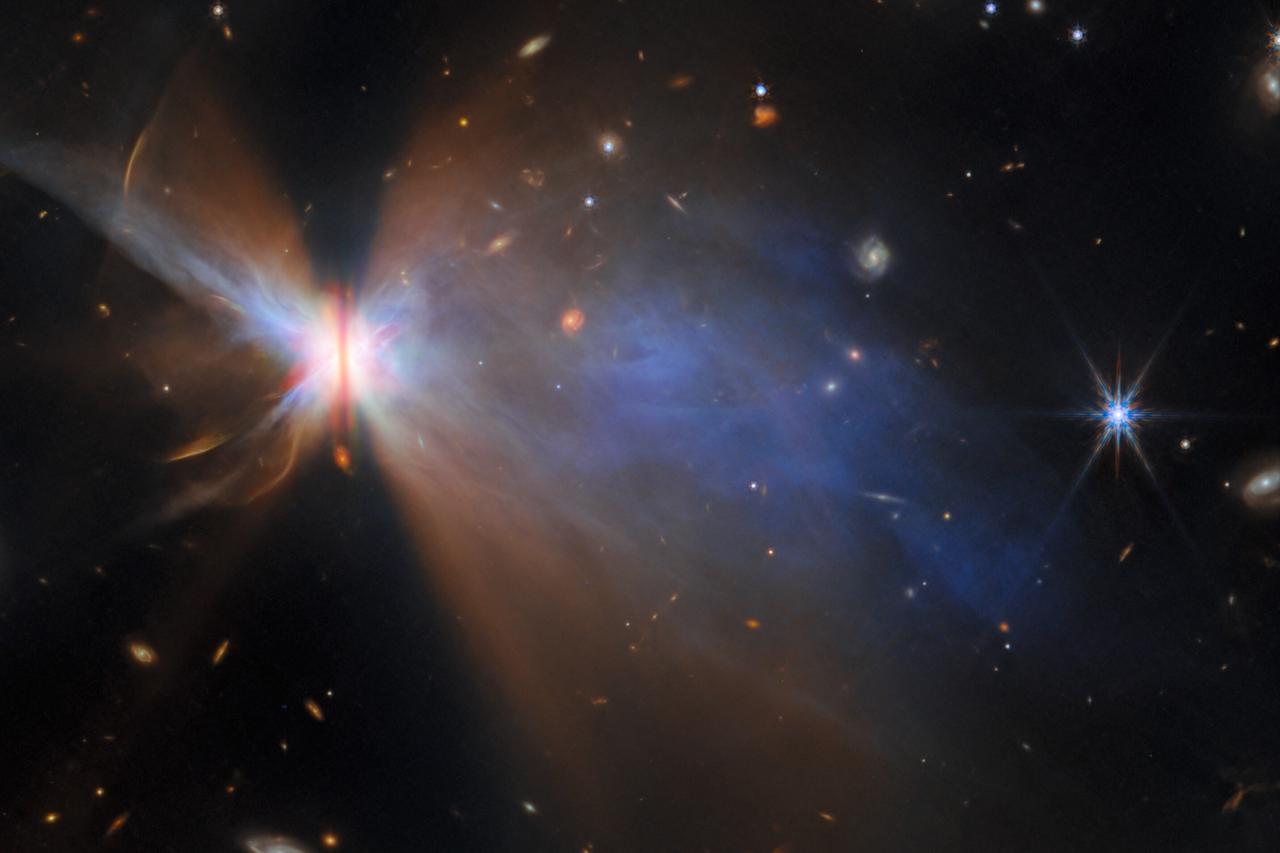
The young system known as the Butterfly Star showed why Webb imagery continues to reshape what seemed impossible to observe. A thick disk of dust and gas sliced across the center, dividing surrounding material into two bright lobes, an angle that made the nebula read as wings while offering a clear look at a planet forming environment.
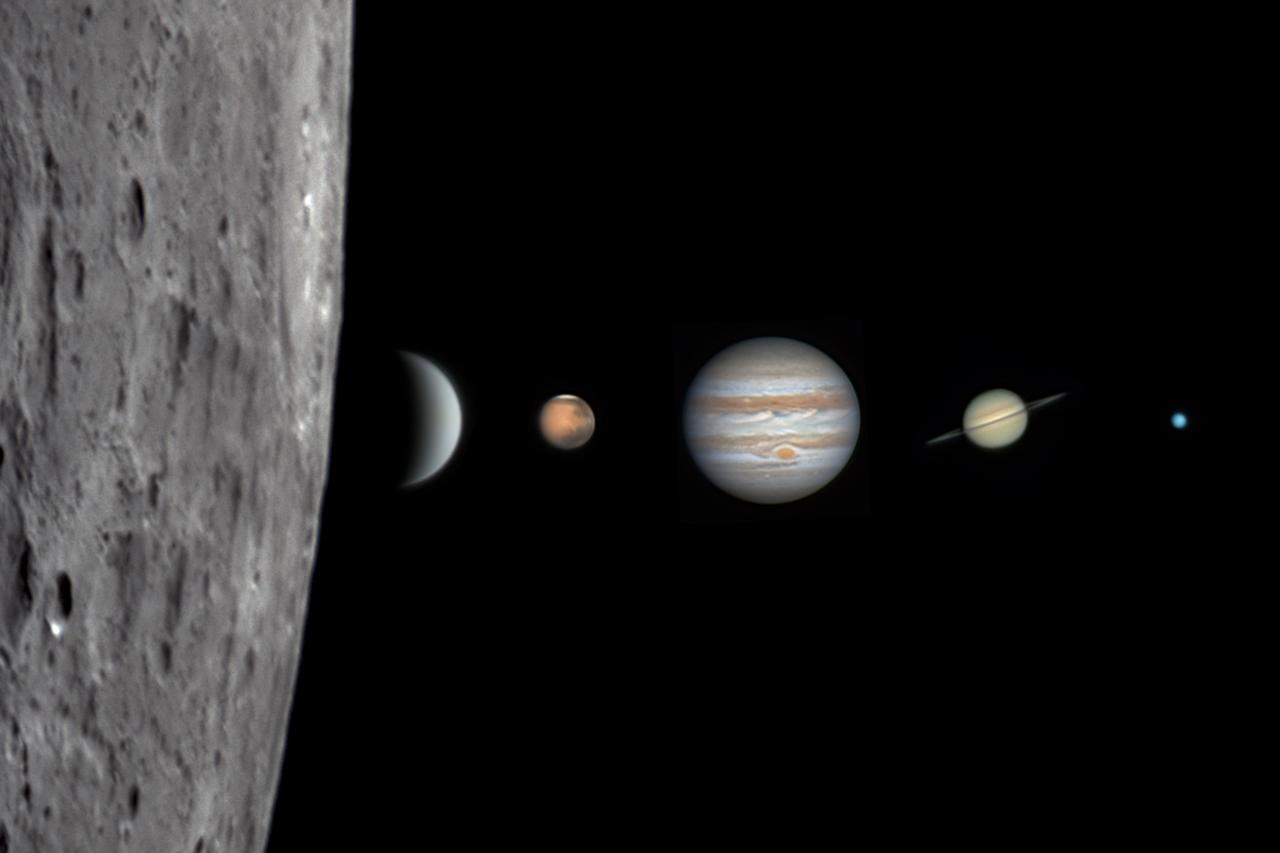
A brief alignment in early February made multiple worlds visible in the night sky within the same period. Astrophotographer Gwenael Blanck captured each target within about 80 minutes and then arranged the results into a single lineup, moving outward from the moon to Neptune.
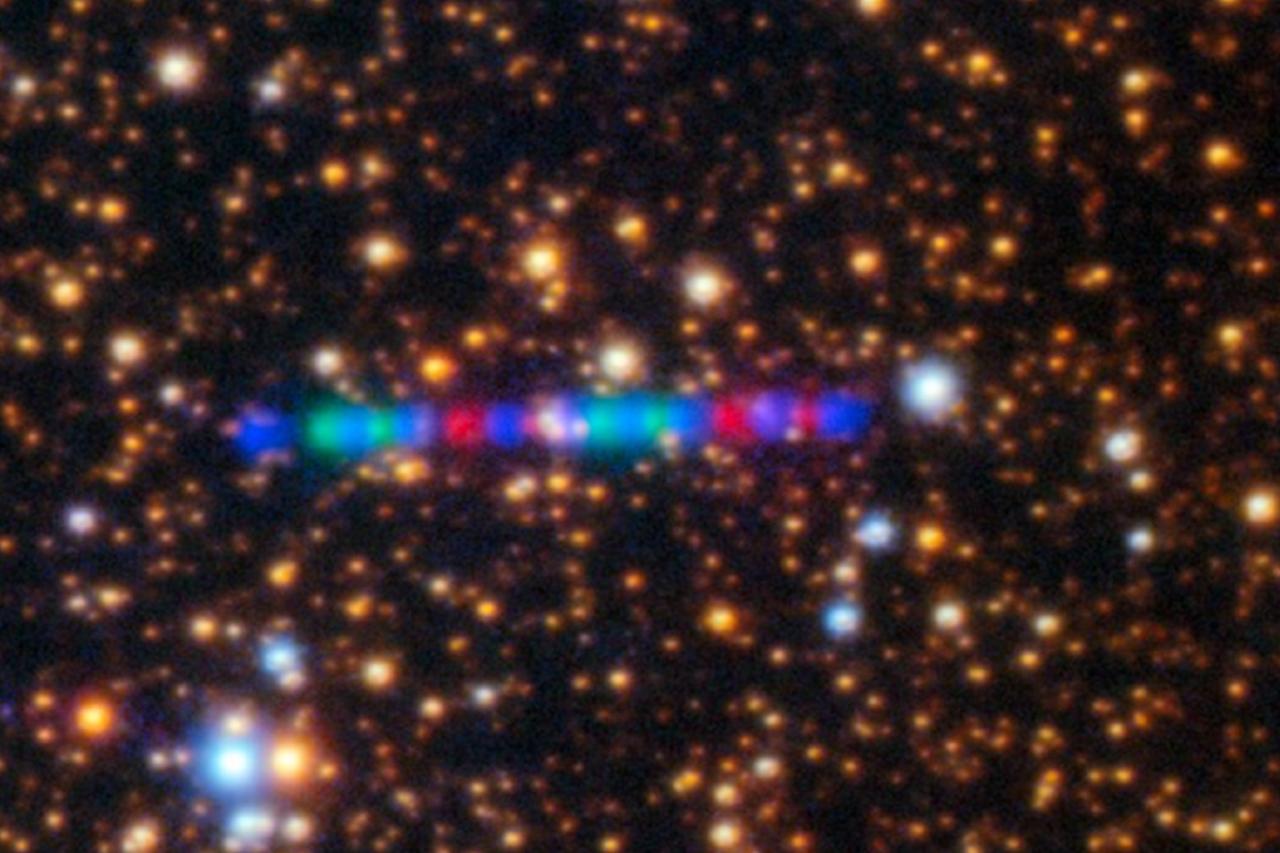
Comet 3I ATLAS, one of only a handful of confirmed interstellar objects, left a trail that read like a spectrum across the night sky. The effect came from stacking multiple exposures captured through different filters, creating a layered band of color that tracked the comet’s motion through the frame.


 Set as preferred source



 3 min read