Newsletters


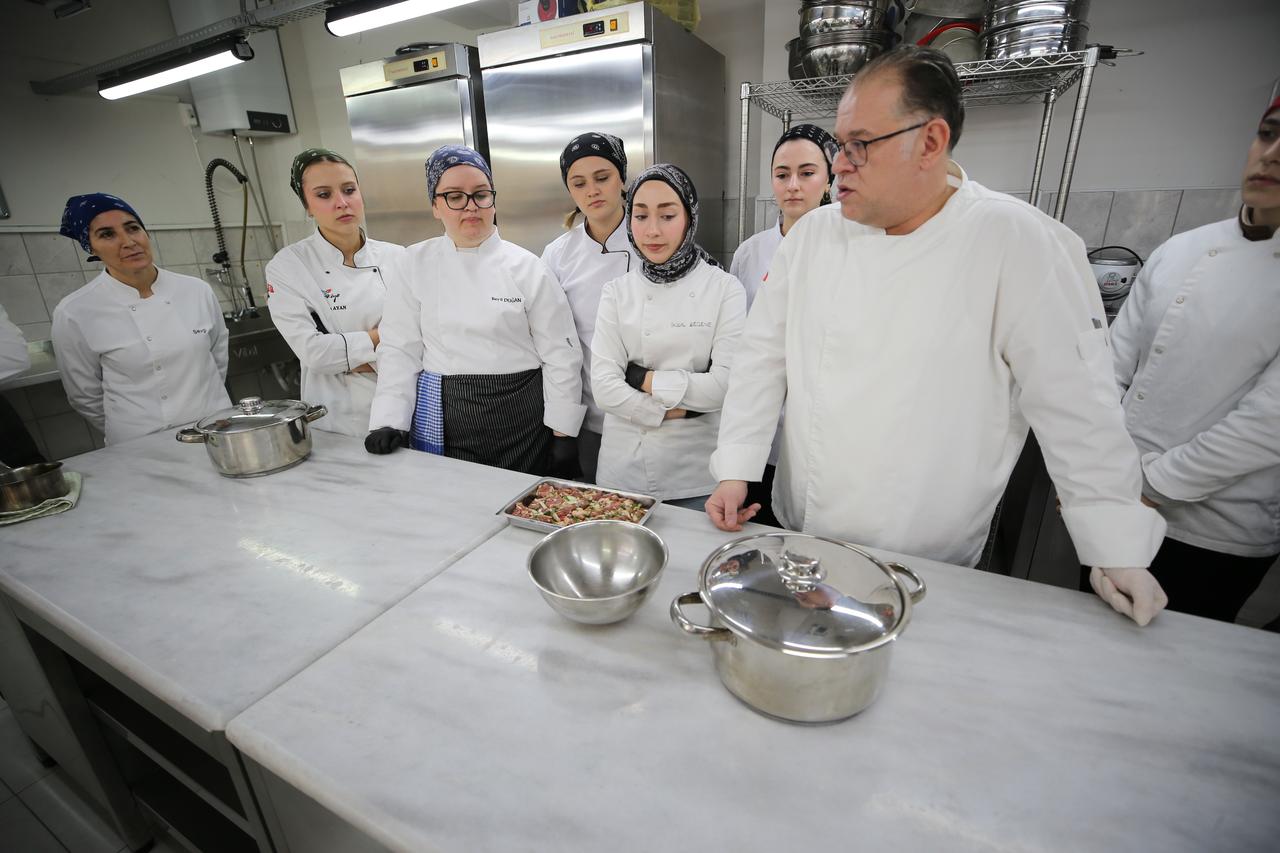


In Edirne, dishes once prepared for nearly five centuries at the Muradiye Mevlevihane, a historic Mevlevi lodge from the Ottoman era, are being brought back to life by culinary students at Trakya University. Through hands-on training rooted in historical sources, future chefs are rediscovering the Mevlevi culinary tradition, a largely forgotten part of Ottoman food culture, and adapting it faithfully for the present day.
The revival is taking place at Trakya University Arda Vocational College, where students enrolled in the culinary program are studying Mevlevi cuisine as part of the course titled Regional Cuisines. The program combines theoretical instruction with practical workshops, allowing students to examine the historical background of Mevlevi food culture while preparing dishes according to original recipes.
Mevlevihane refers to lodges associated with the Mevlevi order, a Sufi tradition founded by followers of Mevlana Jalal al-Din Rumi. In this culture, the kitchen was not merely a place for cooking but also a space for spiritual discipline and education. Understanding this context forms an essential part of the students’ training.

At the center of the program is a rare culinary manuscript written between 1856 and 1857 by Ali Esref Dede, a leading figure of the Edirne Mevlevi Dergah. The work, known as a yemek risalesi, is considered the second known Ottoman-era cookbook and contains 208 recipes ranging from soups and kebabs to pilafs, desserts, and pickles.
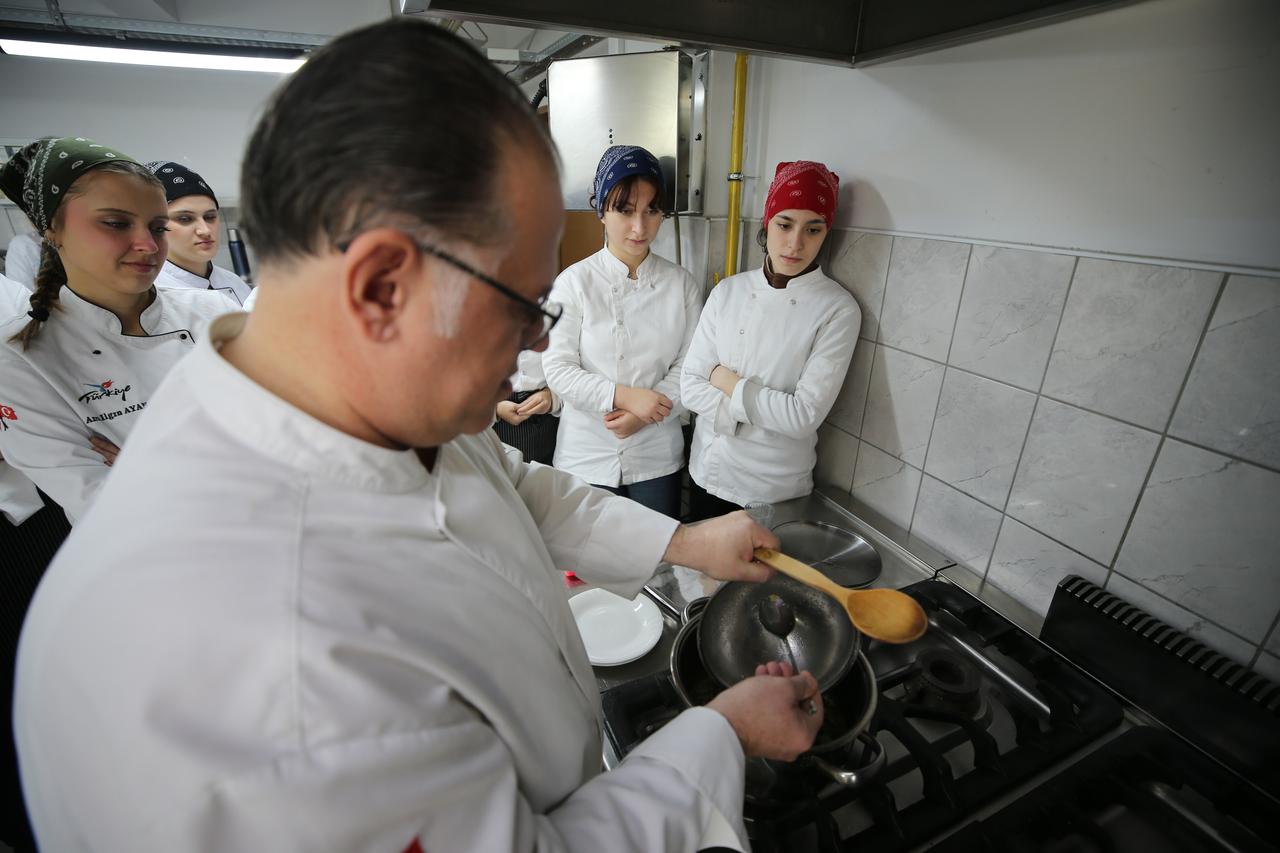
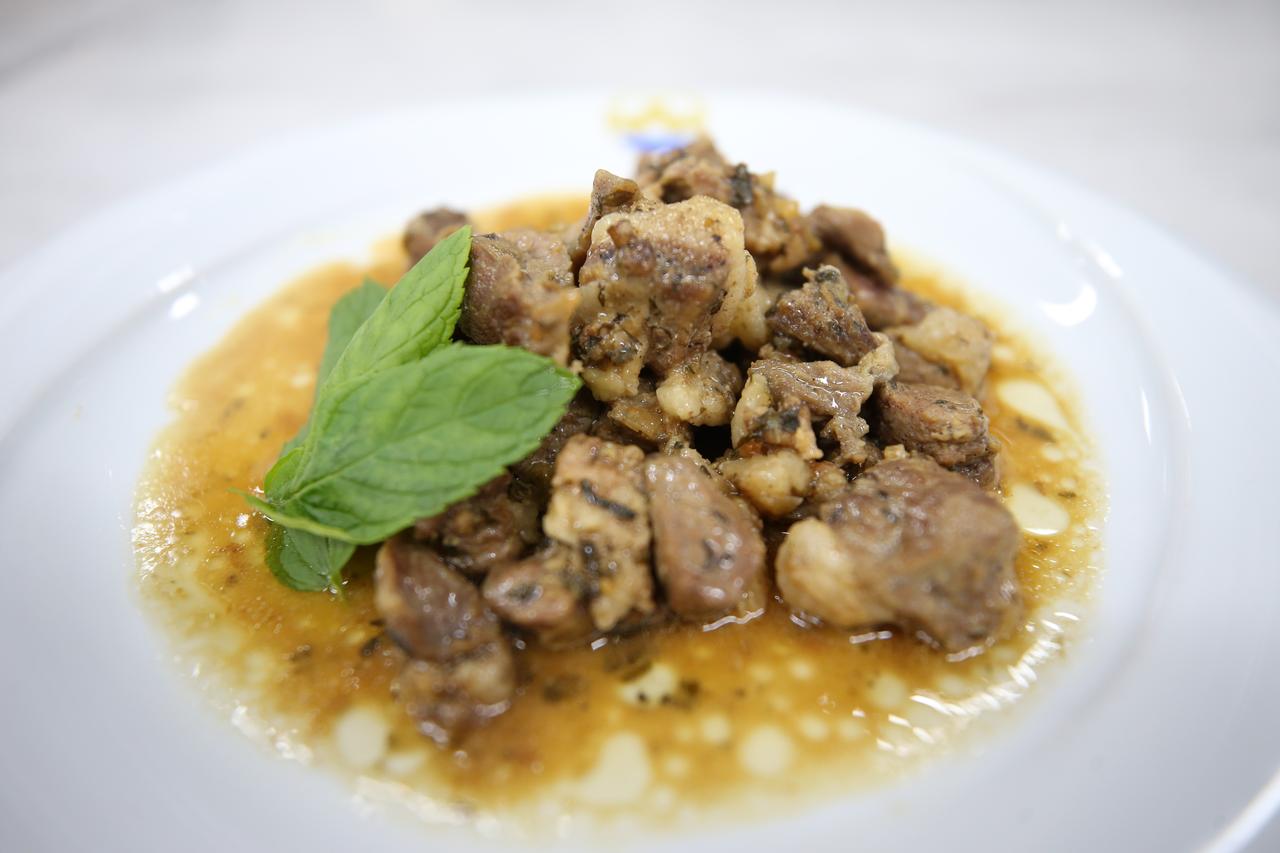
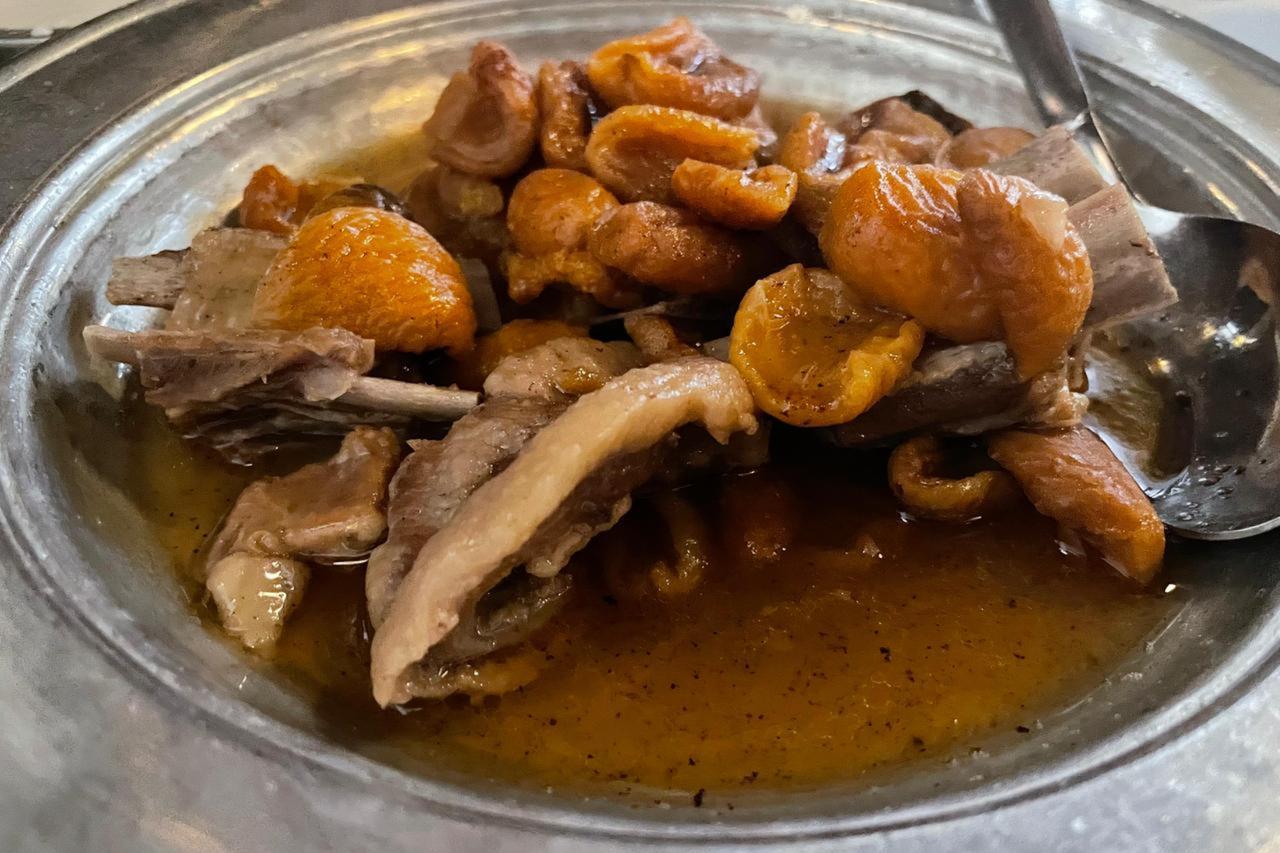
Under the guidance of expert instructors, students prepare these dishes strictly in line with the original instructions. Among the recipes recreated are date kebab, fish kulbasti, milk borek, stuffed melon, waterless pilaf, and chickpea stew. Each dish is prepared using traditional techniques and ingredient combinations described in the manuscript.
The practical training is also contributing to broader restoration efforts. As restoration works at the Muradiye Mevlevihane are expected to be completed next year, the university’s initiative is seen as laying the groundwork for future culinary activities at the historic site, where these dishes may once again be prepared and served.
Sedat Kocadogan, head of hotel, restaurant and catering services department at Arda Vocational College, has emphasized that Edirne, once an Ottoman capital, possesses a deeply layered and multicultural food tradition. He has underlined that Mevlevi cuisine represents one of the lesser-known aspects of this heritage, explaining that the goal is to pass these long-neglected flavors on to younger generations.
According to Kocadogan, Ali Esref Dede’s manuscript serves as a key reference, revealing a culinary world that differs markedly from modern cooking habits. He has pointed out that dishes described as simple today were once prepared with complex techniques, special cuts of lamb, and carefully balanced spices and herbs, all cooked slowly in traditional containers.
The program also aims to broaden students’ culinary perspectives. Kocadogan has noted that modern kitchens often rely on repetitive recipes, whereas Mevlevi cuisine demonstrates a wide range of techniques and flavor profiles. By learning these methods, students are encouraged to appreciate the depth of their own culinary heritage and to carry it forward using skills they develop themselves.
He has also highlighted that in Mevlevi culture, acceptance into the lodge traditionally began in the kitchen, where novices underwent one to two years of culinary training before being fully admitted. This historical role of the kitchen reinforces its cultural and spiritual importance.
For the students, the experience offers more than technical training. Student Sevgi Ungor has described learning Mevlevi cuisine as a new and eye-opening experience, noting that the use of diverse spices introduces unfamiliar flavors that can also inspire contemporary cooking.
Another student, Oyku Ozguc, has emphasized that mastering these unusual techniques is a way to ensure that Mevlevi dishes are not lost to history but carried into the future.


 Set as preferred source
 Set as preferred source


 2 min read
 1 min read