Newsletters


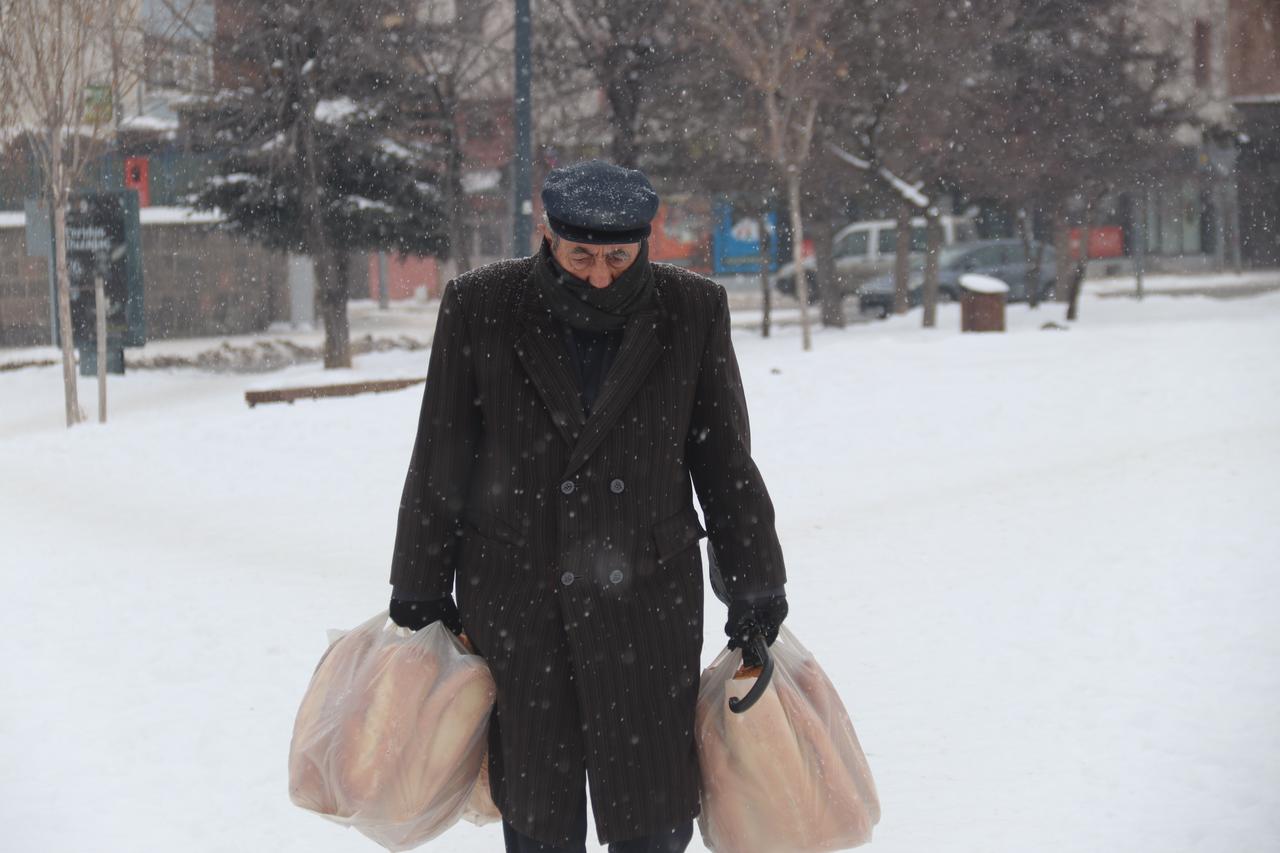


Snowfall often sparks excitement across Türkiye, especially in cities where winter arrives as a brief spectacle rather than a season that dictates daily survival.
Social media fills with white landscapes, news outlets track snowfall hour by hour, and residents plan photos, short trips, and warm cafe visits overlooking freshly covered streets.
After several days, the atmosphere changes. Snow begins to melt, streets turn to ice, and sidewalks become difficult to navigate.
Public transport slows, traffic disruptions increase, and daily routines require greater effort than expected when the first flakes appear. What starts as a picturesque scene gradually becomes a logistical challenge for urban life.
In rural and high-altitude regions, the experience is different from the beginning. Winter does not arrive as a novelty. It arrives as a long season that shapes work, movement and safety.
Northern and eastern parts of Türkiye face prolonged snowfall, where daily life continues under heavy physical strain. A recent Anadolu Agency report from Kars province offers a clear example of this reality.
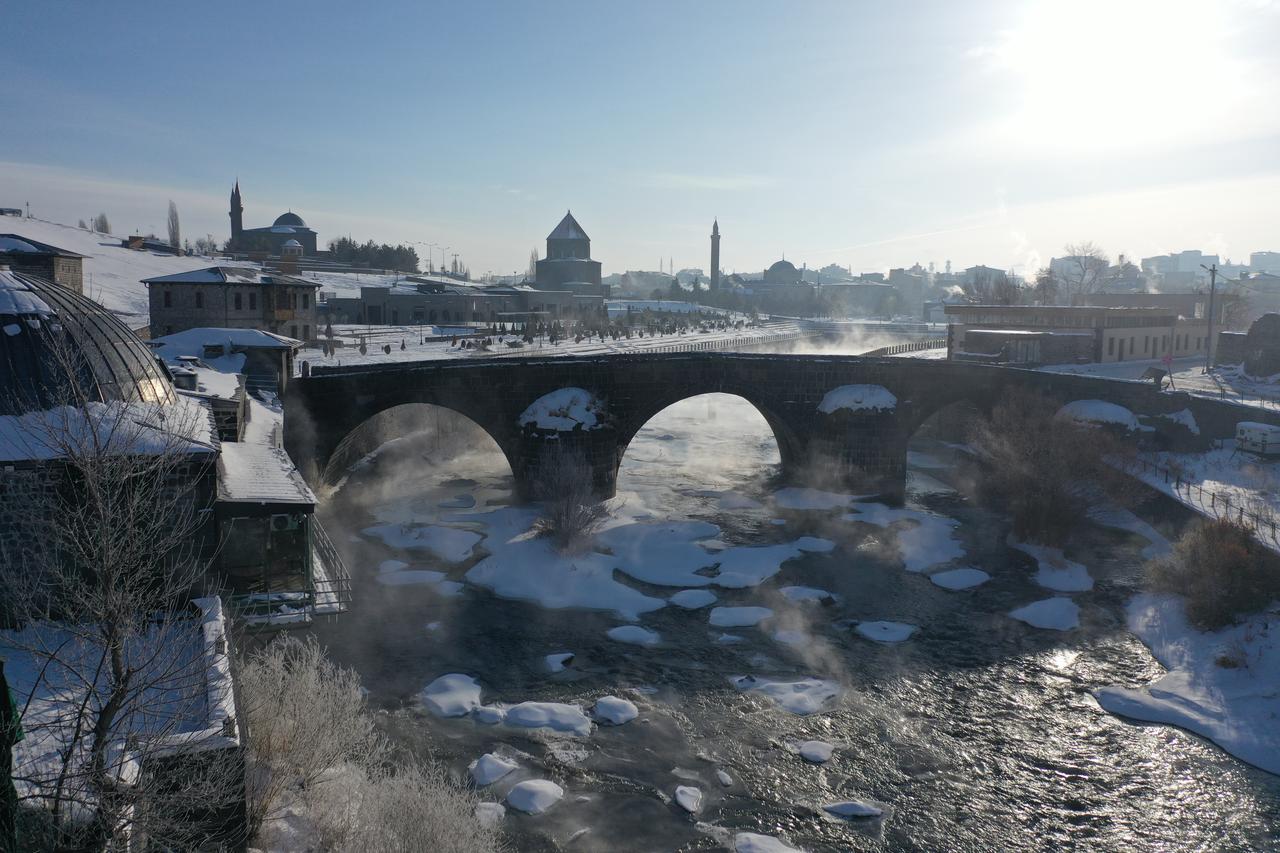

Handere village in Sarikamis district stands at 2,368 meters above sea level and is known locally as the place where snow falls earliest and melts last in the region.
The settlement has 50 households, and for the past four days, intermittent heavy snowfall and blizzards have made daily life increasingly difficult.
Snow depth in the village has reached 1.5 meters. Vehicles, houses, and barns are buried under thick layers, forcing residents to clear paths and roofs each morning before other work can begin. Farmers remove snow from buildings, open access routes, and prepare feed for livestock despite harsh conditions.
Yavuz Selim Ay, a farmer in Handere, told Anadolu Agency that this winter has been especially severe.
"Our village sits at a high altitude. Winter brings heavy snowfall every year. This year snow reached nearly 1.5 meters. Every morning, we open paths to our homes and vehicles. We prepare hay and feed for the animals. May God help us. These days will pass," he said.
Another resident, Israfil Baki, described how physical labor defines his days throughout the season.
"My days pass by shoveling snow. Winter is harsh. Snow arrives earliest in our village and leaves the latest. May the outcome be good," he said.
The report notes that residents must also clear accumulated snow from roofs to prevent structural damage, while agricultural responsibilities continue without pause.
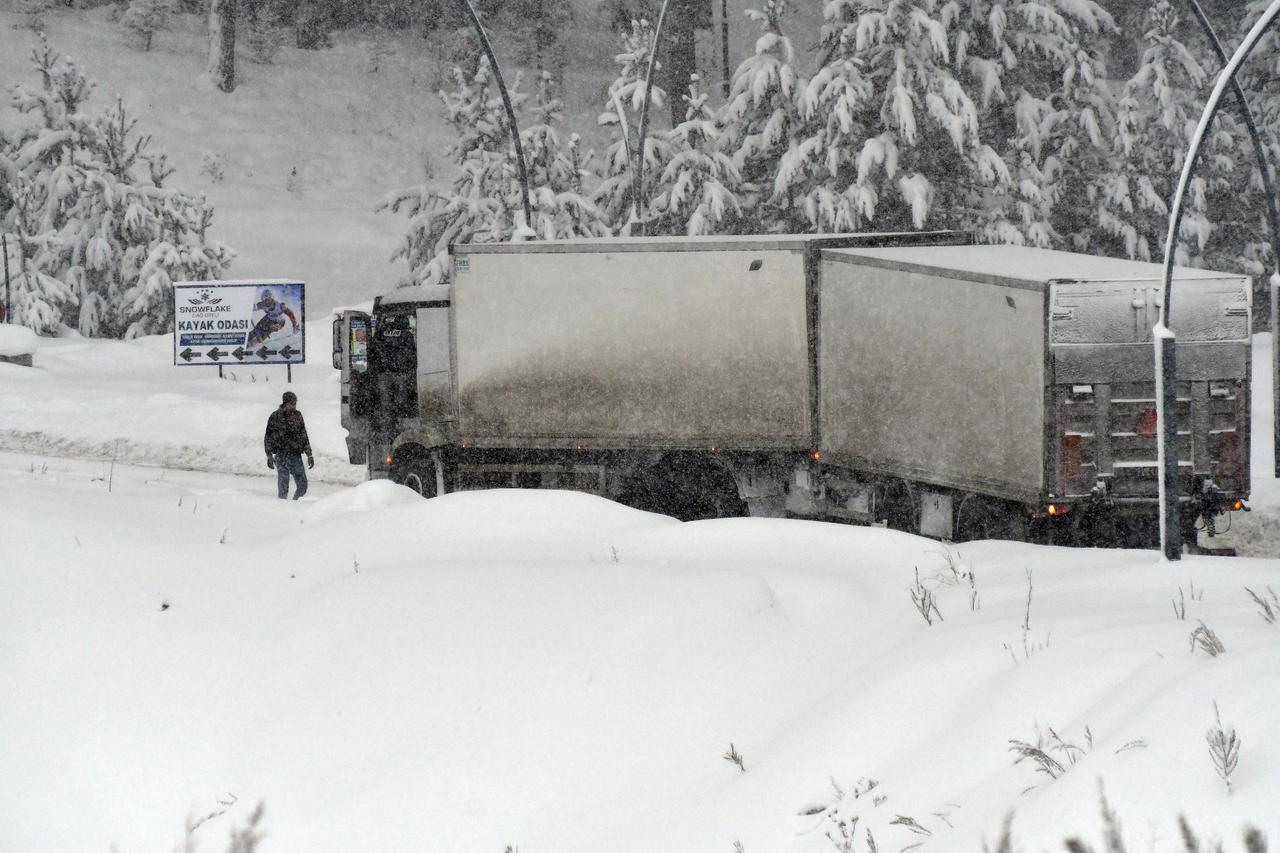
The conditions in Handere reflect a broader pattern across snow-heavy regions of Türkiye, where winter tourism and social media imagery present snow as a symbol of beauty, while rural communities experience it as demanding and unavoidable work.
Deep snow limits road access, slows the delivery of supplies, and increases reliance on local resources.
Emergency services face delays, heating needs rise, and repeated snow clearing becomes part of the daily routine rather than an occasional task.
Urban centers encounter shorter disruptions where melting snow produces ice, traffic accidents increase, and municipal crews operate continuously to restore mobility. Rural highland villages face a different rhythm where winter shapes every decision for months.


 Set as preferred source
 Set as preferred source



 3 min read