Newsletters


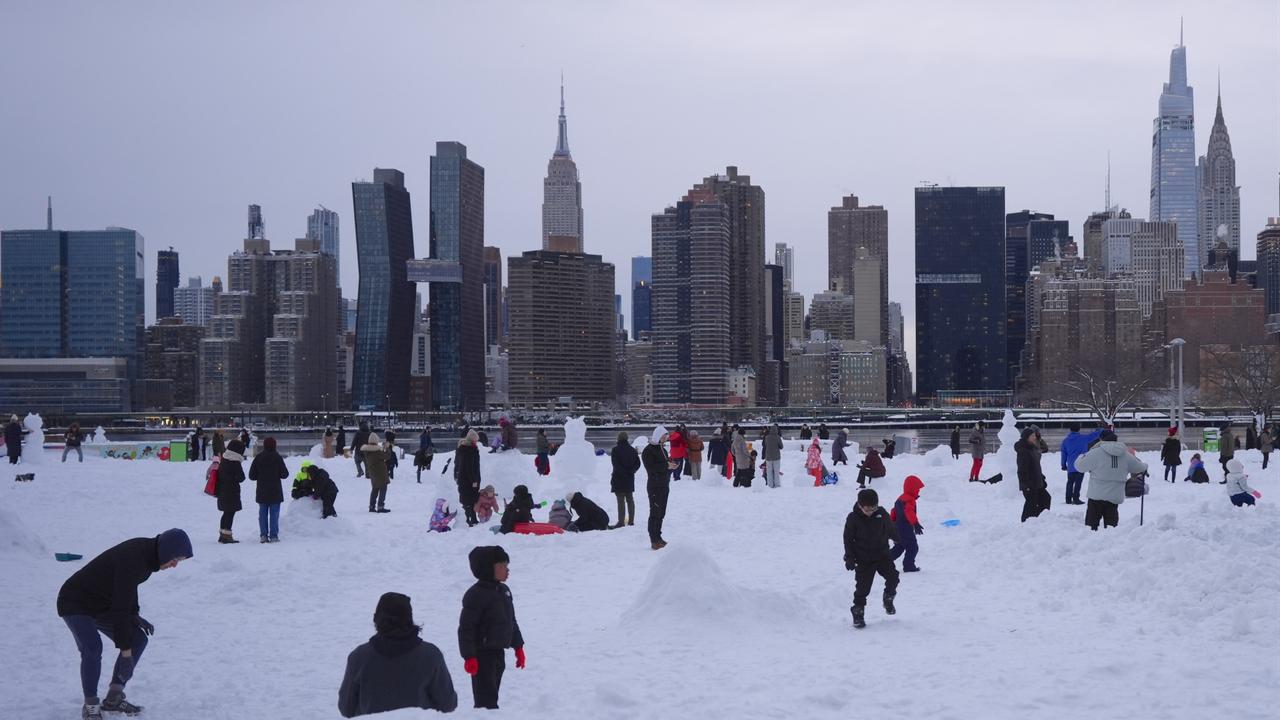
A powerful, multi-day blizzard swept through New York City, leaving behind deep layers of snow that reshaped daily life across neighborhoods. After the storm moved on, residents stepped back outside, turning snow-covered streets and parks into gathering spaces as people adjusted to conditions created by nearly 19 inches of snowfall in Long Island.
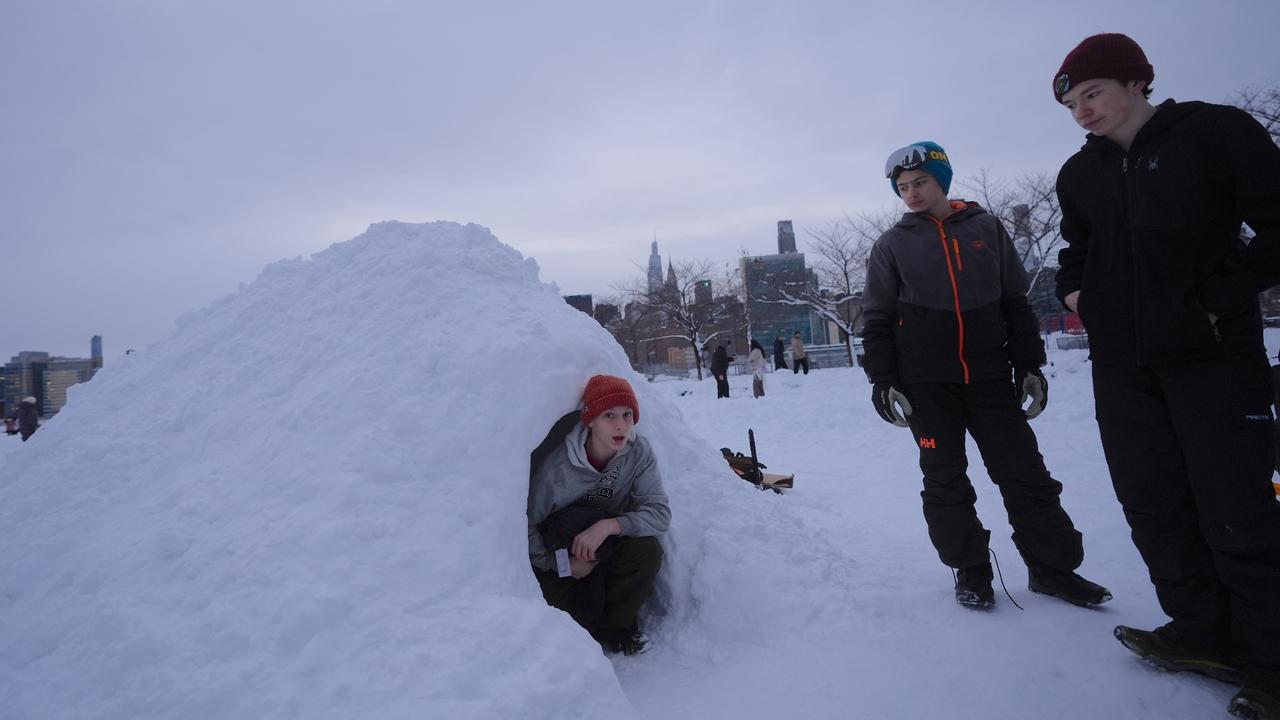
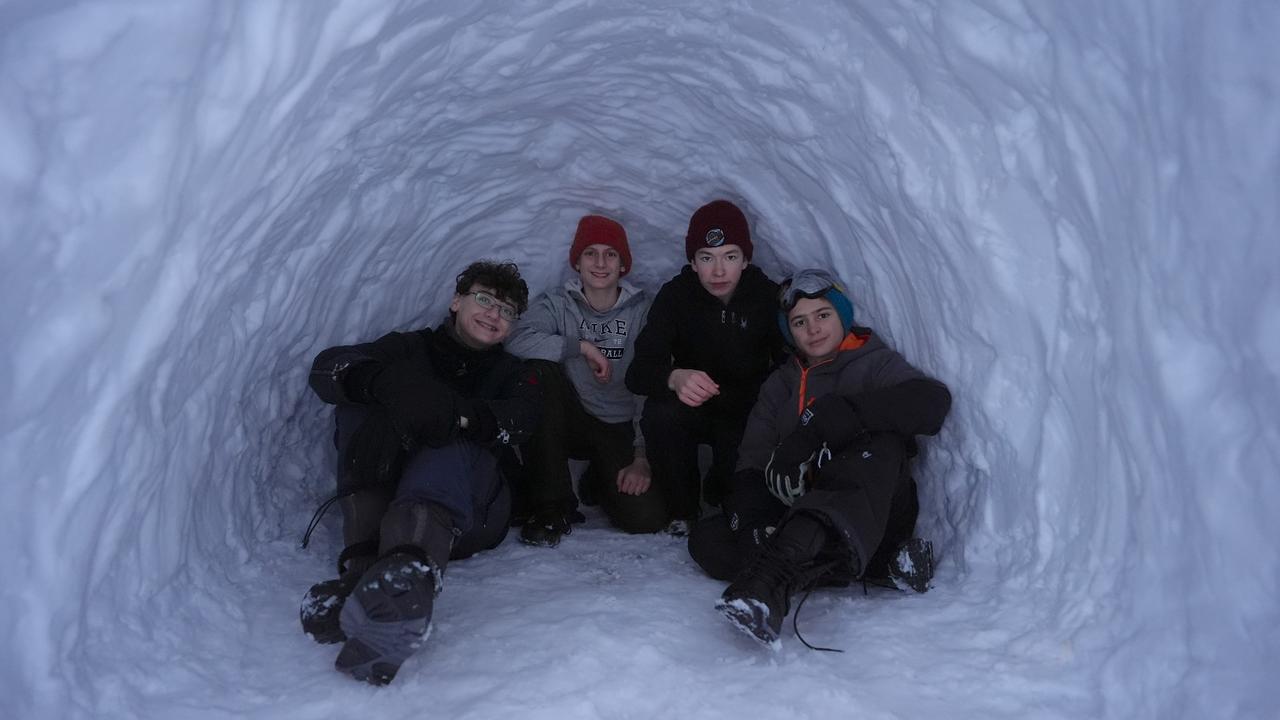
As conditions stabilized, children began to make the most of the fresh snow, building structures and playing outdoors. In Long Island, kids worked together to shape an igloo, a dome-shaped shelter traditionally made from compacted snow blocks and commonly associated with Arctic regions.
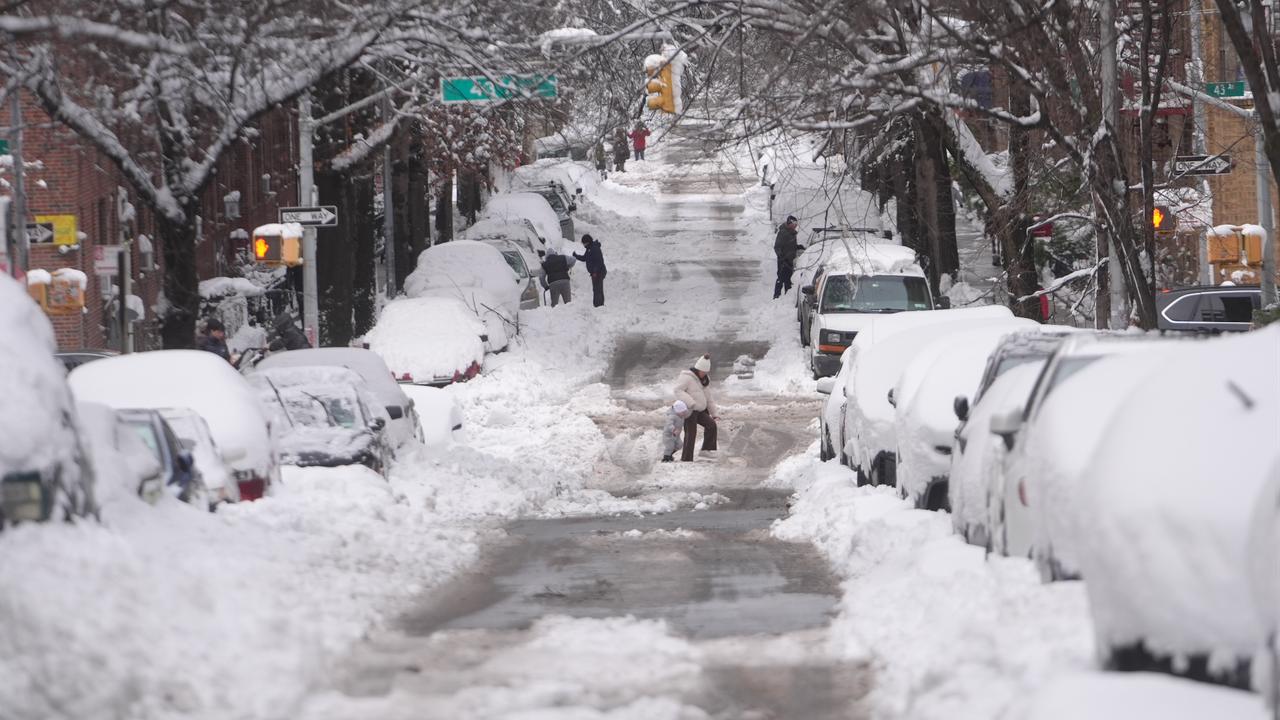
Across residential streets, snow remained piled along sidewalks and parked vehicles, illustrating the scale of the storm’s impact. Residents were seen clearing pathways and digging out cars, a routine response in cities accustomed to winter weather.
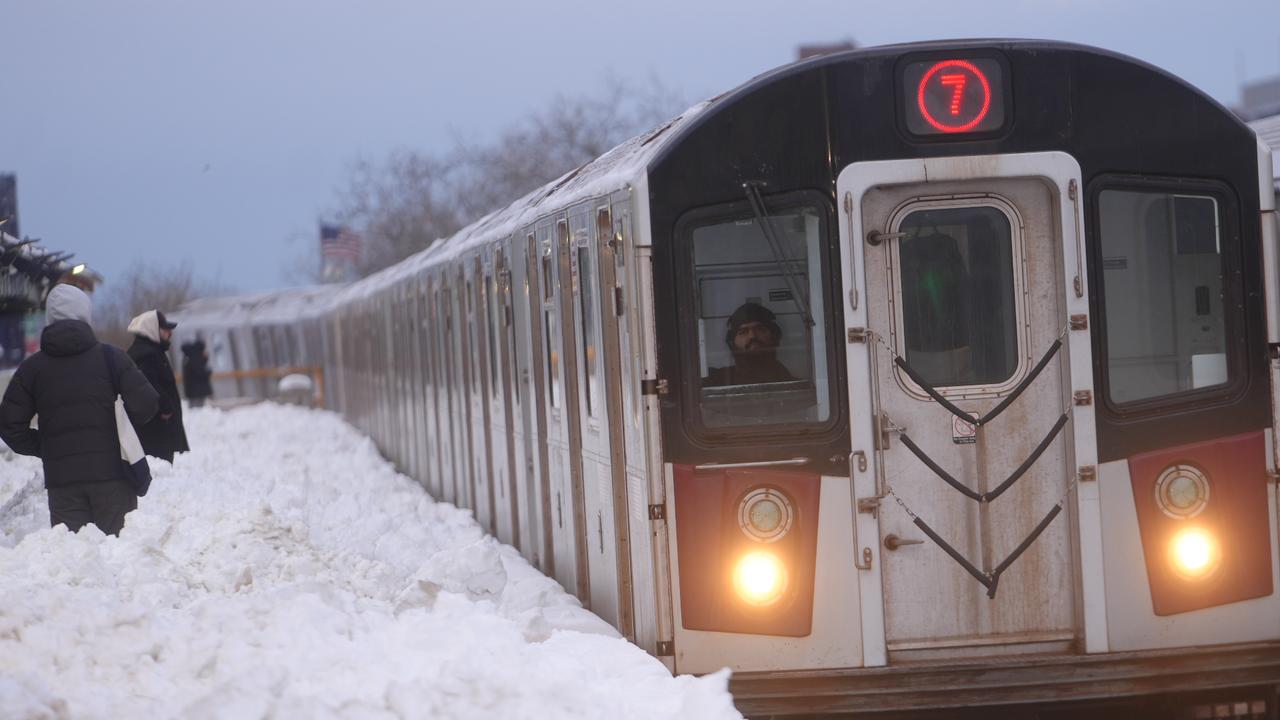
Despite the heavy snow, public transportation systems continued to operate, though surrounded by thick snowbanks along platforms. Subway trains arrived as commuters waited carefully on cleared sections, showing how essential services worked to keep the city connected.
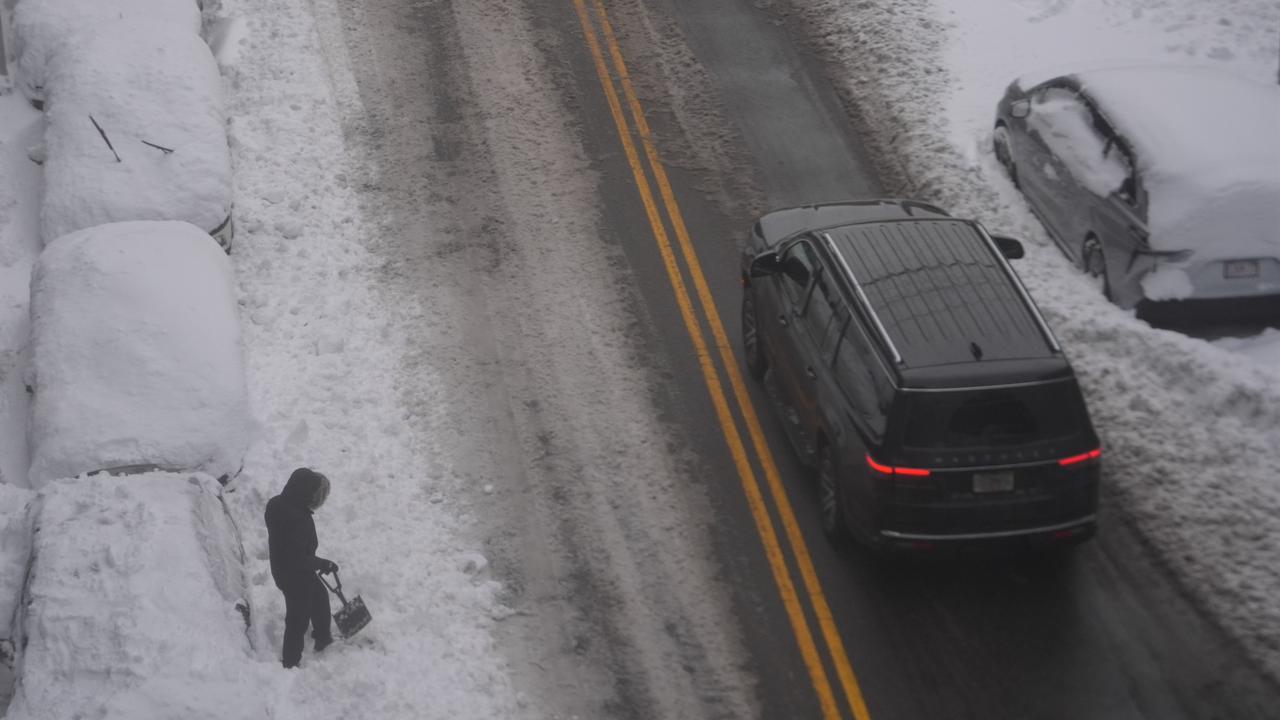
Snow reshaped familiar urban views, turning busy streets into quieter, monochrome landscapes. Vehicles moved cautiously along partially cleared roads while pedestrians navigated narrowed walkways.
Along open public spaces facing the skyline, families and groups gathered to enjoy the winter atmosphere. People built snow mounds, played games, and took photos against the snowy backdrop, creating a shared experience shaped by the unusual scale of the snowfall.
As cleanup efforts continued, everyday life gradually returned to normal rhythms. While snow still covered much of the landscape, residents moved forward with routines, demonstrating resilience typical of large metropolitan areas after extreme weather.


 Set as preferred source


 2 min read