Newsletters


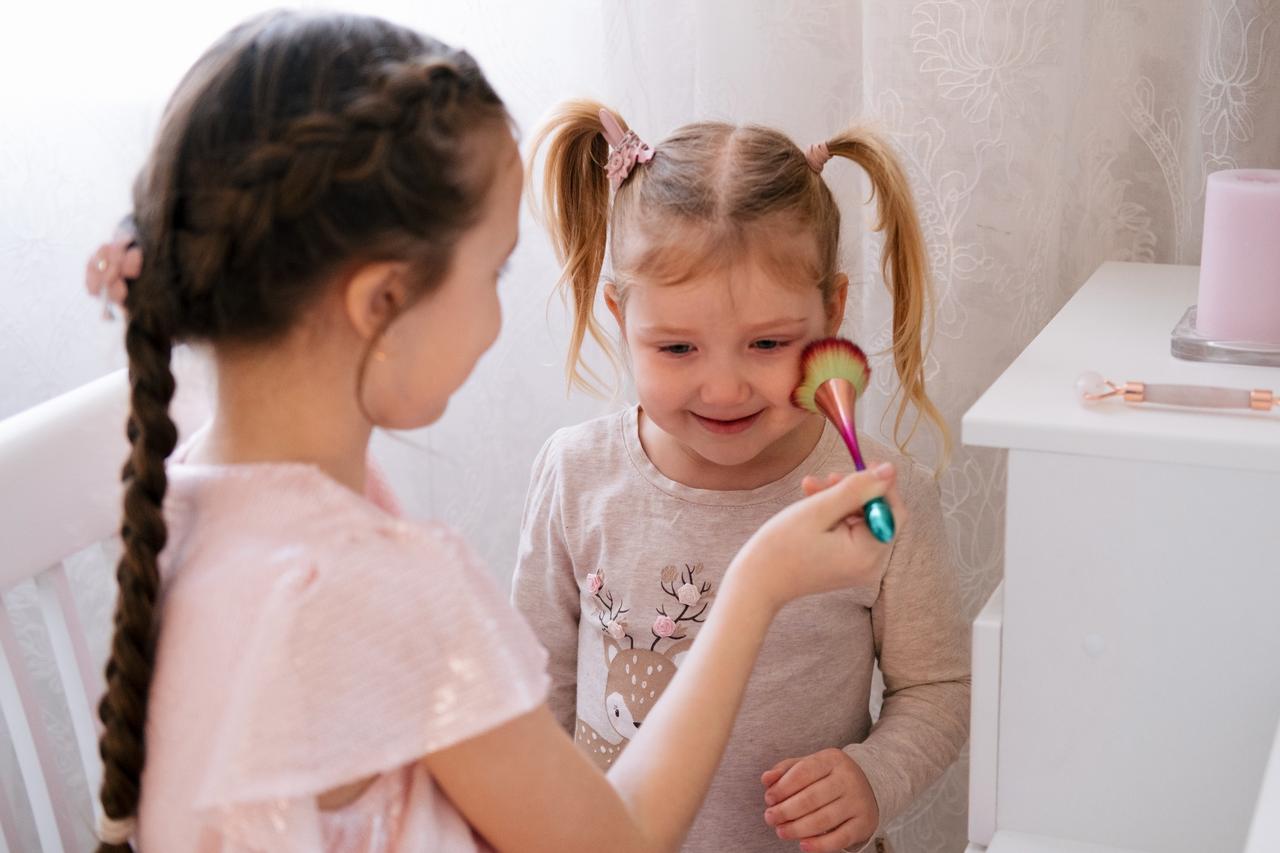


Children as young as preschool age are sharing multi-step skincare routines on TikTok and Instagram, promoting anti-aging serums and retinol creams to their peers in videos titled "get ready with me for kindergarten," according to a report by Anadolu Agency (AA).
Researchers have started calling this trend "cosmeticorexia," which means an obsessive desire for perfect skin caused by social media.
A Guardian investigation reported by the AA found that, of 7,600 skincare videos on TikTok, about 400 were made by children under 13.
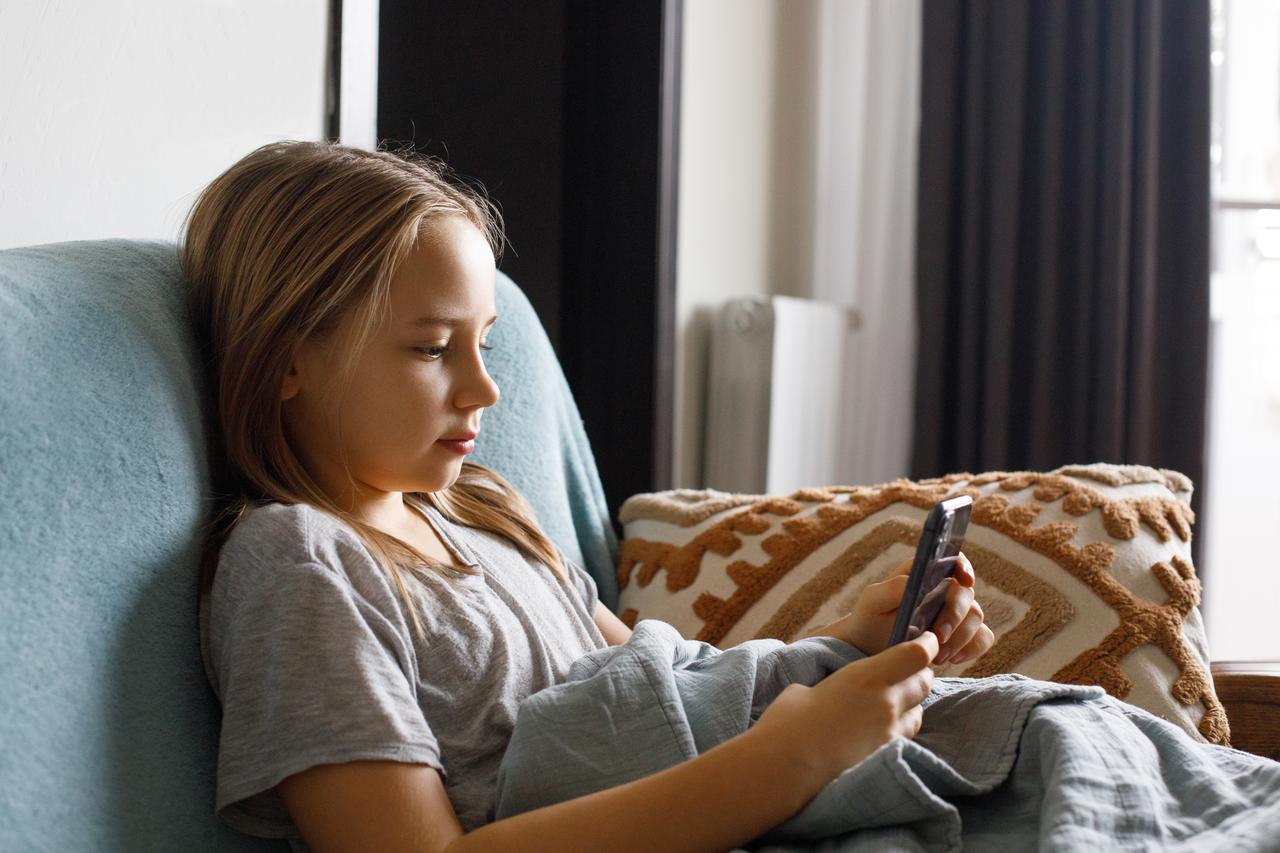

Giovanni Damiani, a dermatologist and associate professor at the Department of Biomedical, Surgical and Dental Sciences at the University of Milan, told AA the term entered public awareness alongside the rise of social media.
Damiani warned that children who copy content creators may grow up feeling disconnected from their real selves and how they look.
'The mind rejects this dissonance and accepts the more appealing perception as reality,' Damiani said. 'This can show up as someone refusing to be seen without makeup, even by their parents at home, because they now see their made-up look as their real self.'
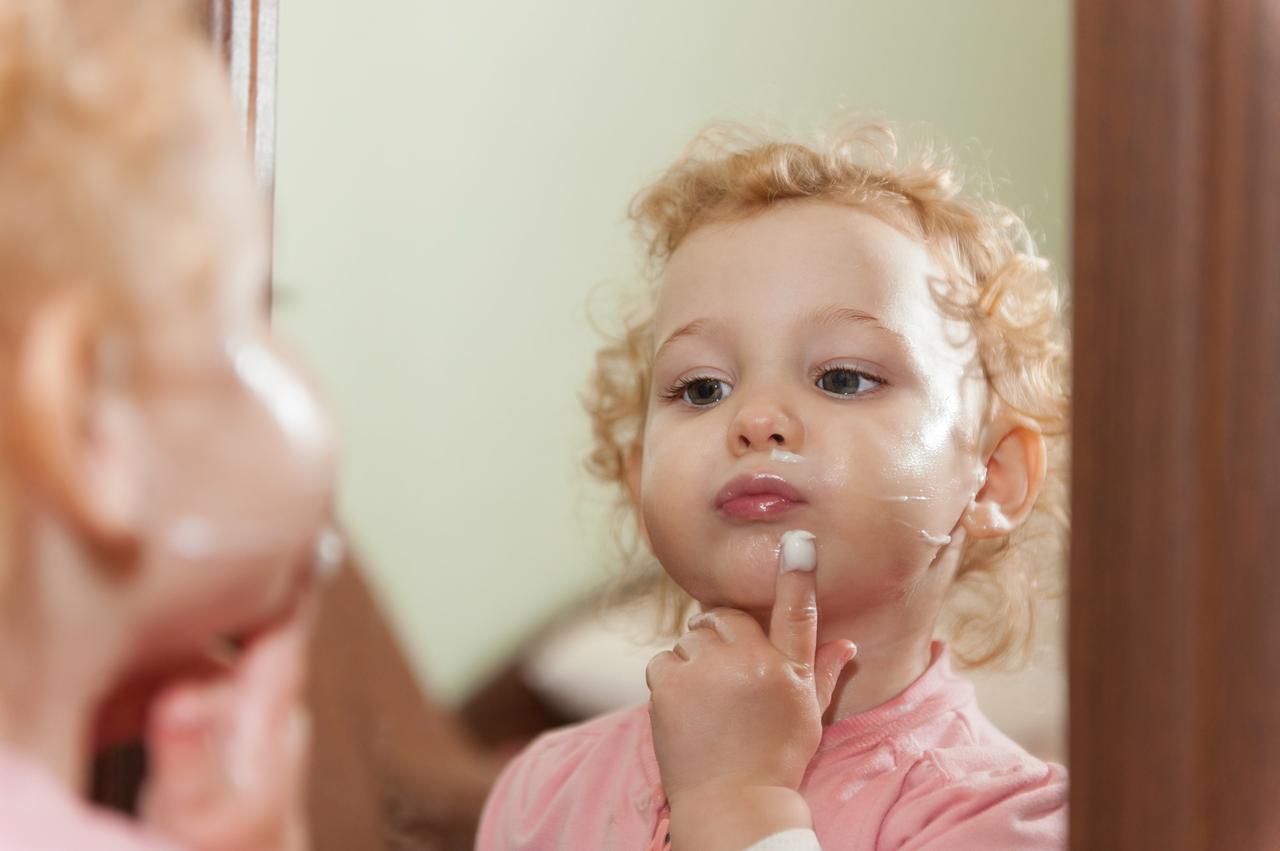
Damiani also explained that there are skin risks for children. He said that using the wrong cosmetics can make conditions like seborrheic dermatitis and atopic dermatitis come back, and new skin problems can also appear.
'During childhood, the skin is in the process of learning how to respond to environmental factors such as allergens, irritants, air pollution and cosmetics,' he said. 'Putting on many layers of products for long periods can disrupt this natural process and change how the skin interacts with its environment.'
Damiani added that some products sold to or used by children may contain strong ingredients, such as low-dose corticosteroids. These can thin the skin, make capillaries more visible, and weaken the skin’s local immune system. He also said that retinol can damage the skin’s barrier, making the immune system react more to allergens.
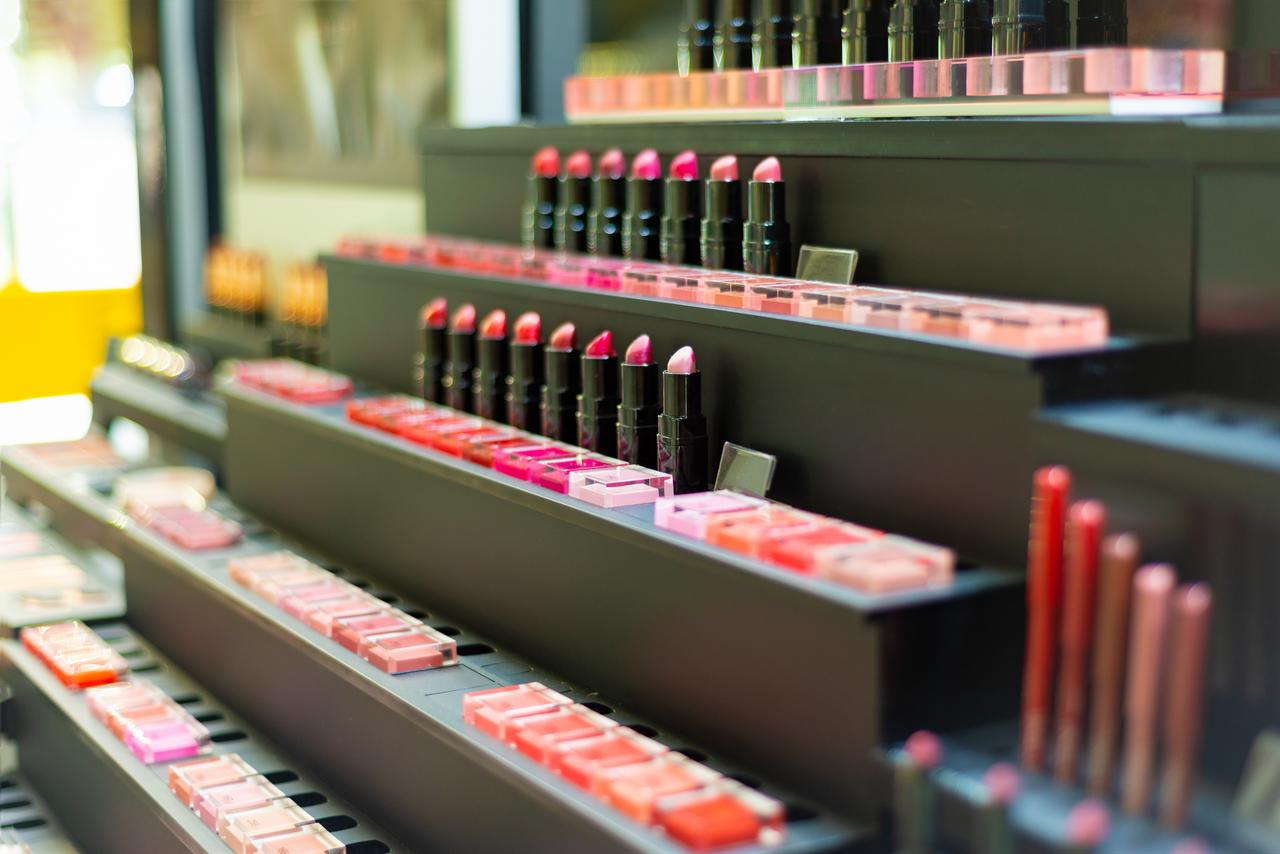
Damiani said that since 2020, some cosmetics brands have started marketing more to younger people. Online, children often get skincare advice from content creators who, according to him, promote unrealistic beauty standards for different reasons.
He emphasized that teenagers who want to feel more confident and look better are especially likely to follow these unrealistic examples.
A study by Damiani’s team found that people who use over 10 cosmetic products a day are more likely to have anxiety disorders and panic attacks.
Damiani said that scientists and companies should work together to solve this problem, and that parents also need to be more careful.


 Set as preferred source
 Set as preferred source


 2 min read