Newsletters


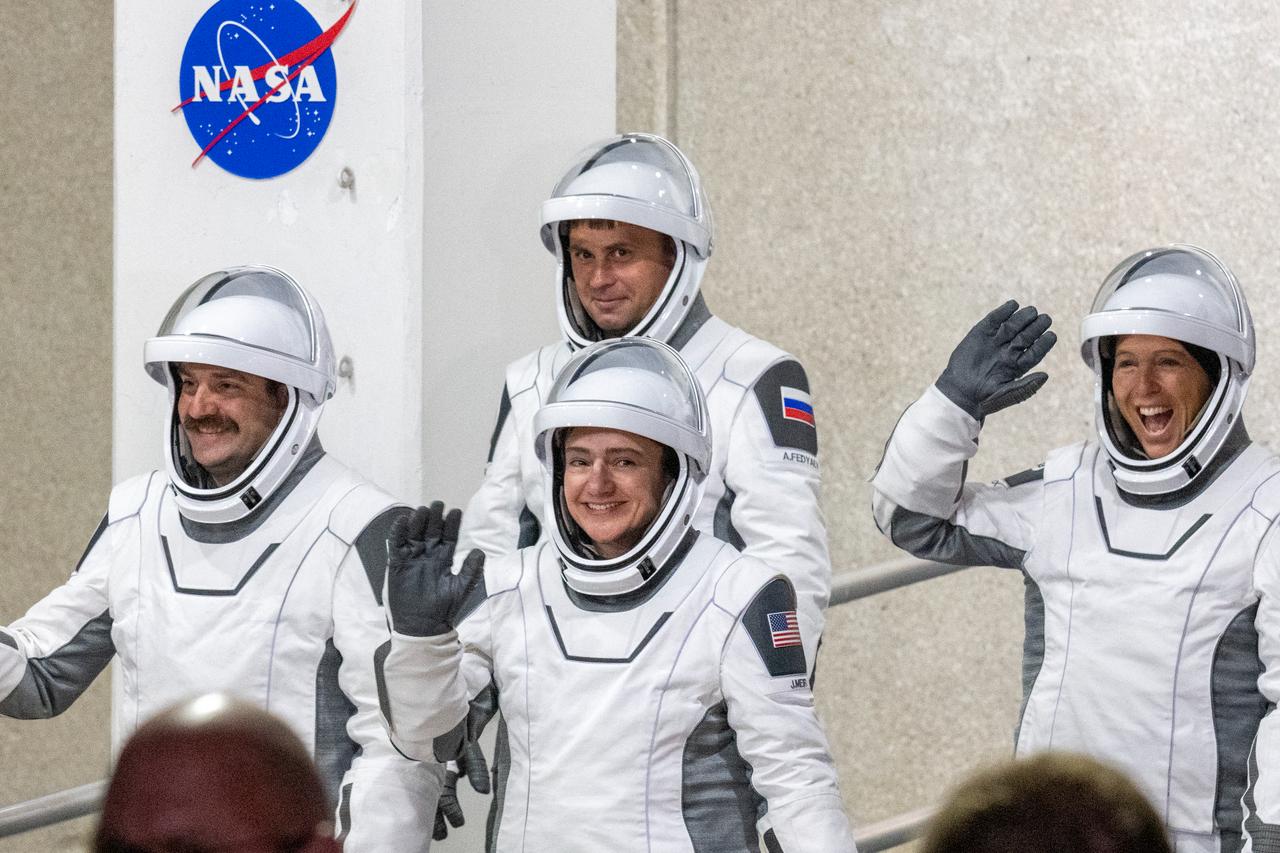


A SpaceX Falcon 9 rocket launched Friday from Space Launch Complex 40 in Florida, U.S., carrying four crew members to the International Space Station for an eight-month science mission, NASA said in a statement.
The mission includes NASA astronauts Jessica Meir and Jack Hathaway, European Space Agency astronaut Sophie Adenot, and Roscosmos cosmonaut Andrey Fedyaev.
“The research this crew will conduct aboard the space station advances critical technologies for deep space exploration while delivering real benefits here on Earth,” NASA Administrator Jared Isaacman said.
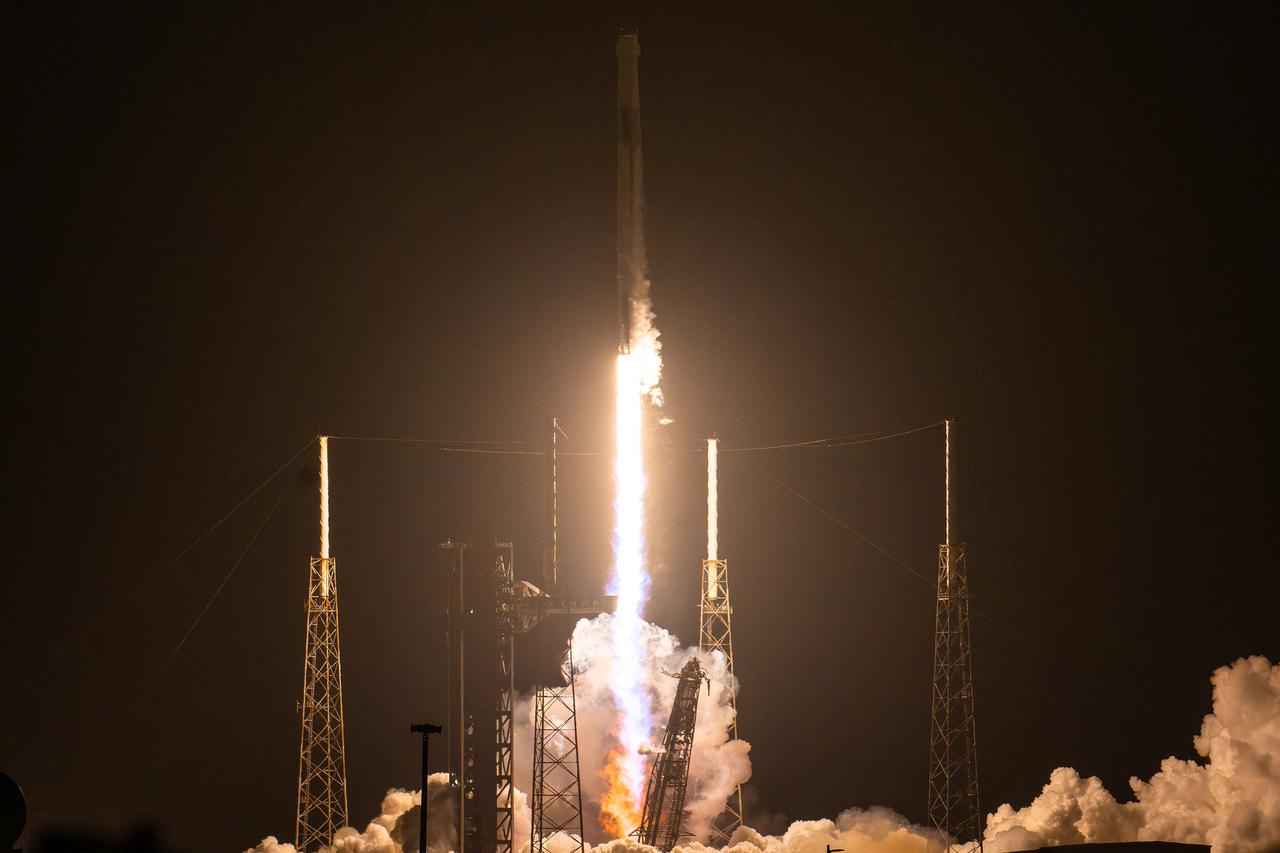

During the mission, Crew-12 will conduct a range of scientific experiments aimed at advancing research and technology for future missions to the Moon and Mars.
According to NASA, crew members will study pneumonia-causing bacteria to improve cardiovascular treatments, test on-demand intravenous fluid generation for future space missions, and examine how physical characteristics may affect blood flow during spaceflight.
 1 min read
Additional experiments will include automated plant health monitoring and research on plant and nitrogen-fixing microbe interactions to enhance food production in space.
NASA also noted that a SpaceX Dragon carrying Crew-11 scientists from NASA, Roscosmos and the Japan Aerospace Exploration Agency returned to Earth on Jan. 15.
The agency said the crew’s premature return followed monitoring of a medical concern involving one member, without providing further details.


 Set as preferred source
 Set as preferred source



 1 min read