Newsletters


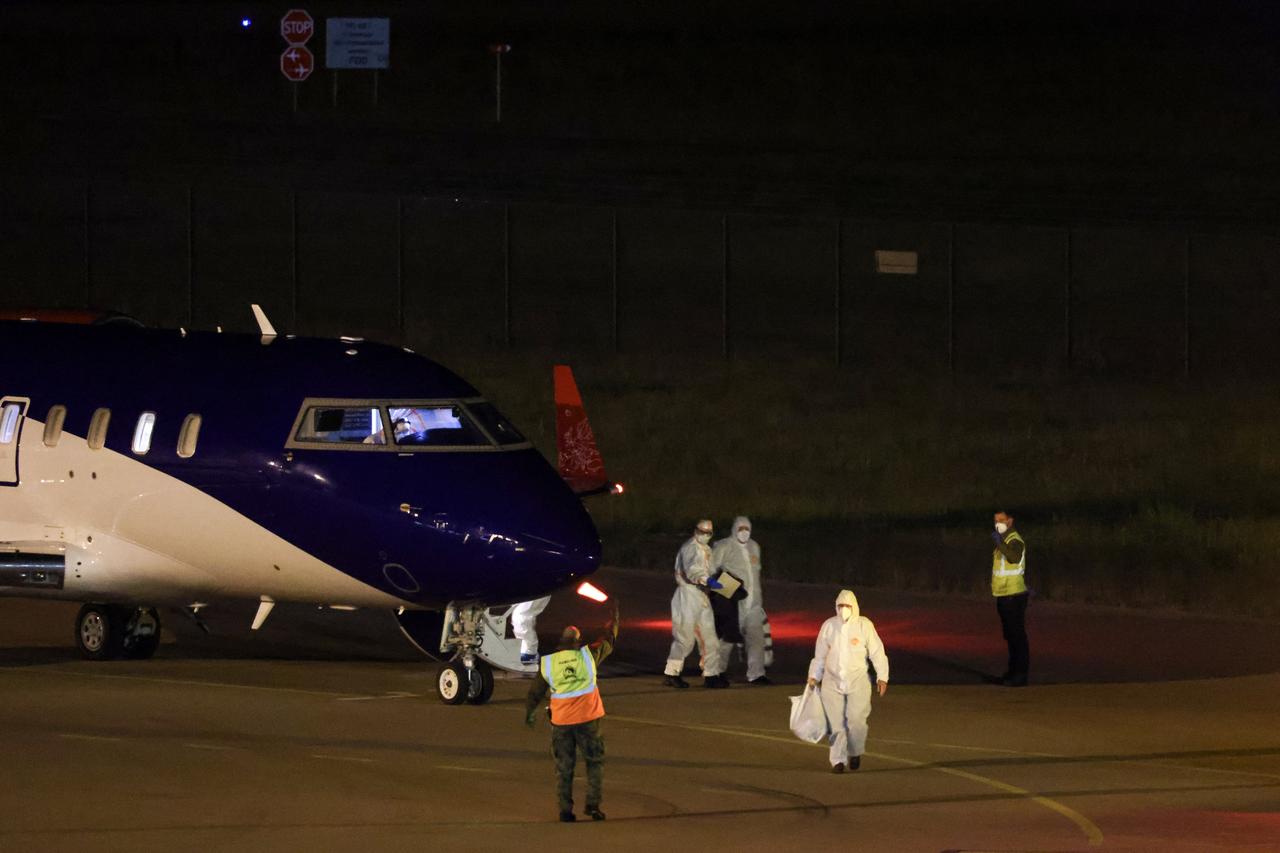


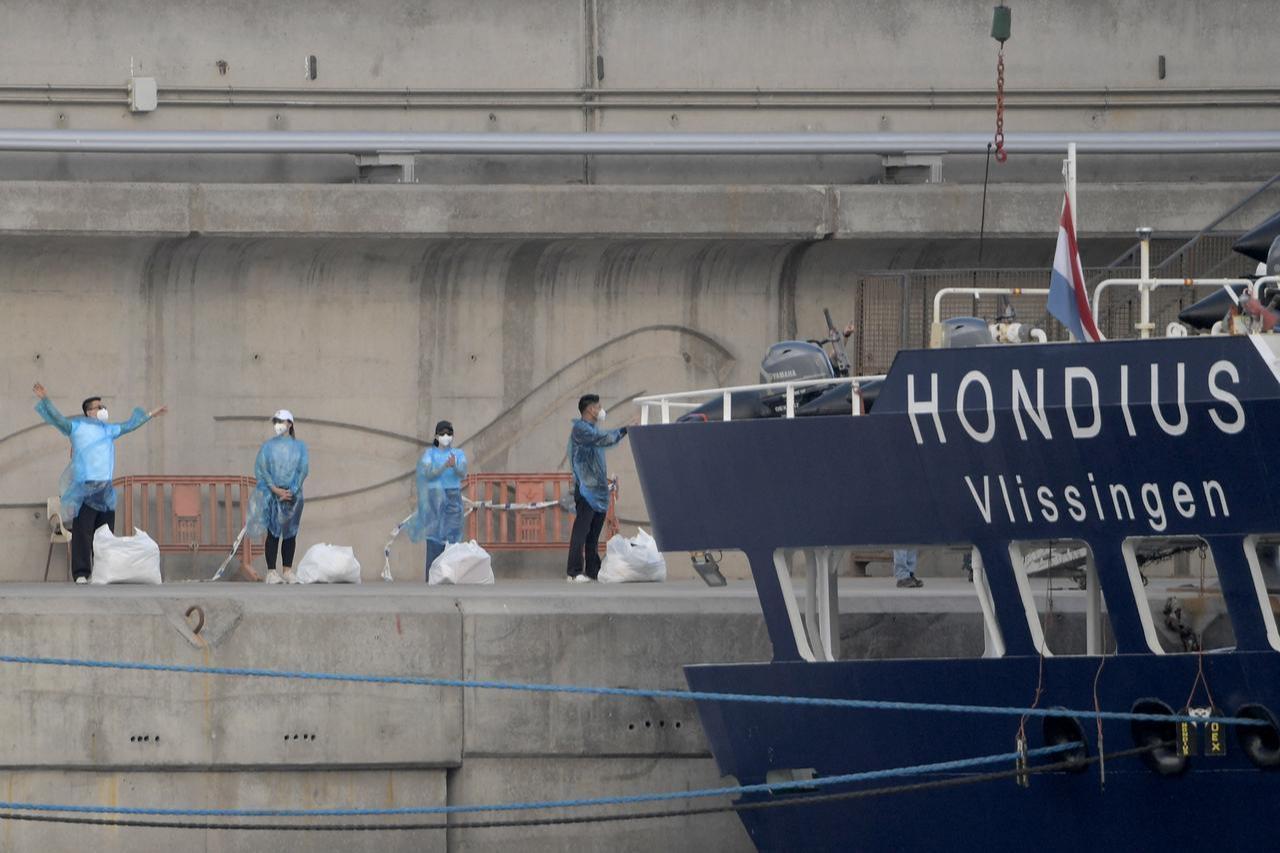
Spain has confirmed that a man evacuated from the hantavirus-stricken MV Hondius cruise ship has tested positive for the virus and is displaying symptoms, the health ministry said Tuesday, even as the Netherlands reported that all 26 passengers on its first evacuation flight had cleared their tests.
The Spanish patient is one of more than 120 passengers and crew removed from the Dutch-flagged vessel since it docked in Tenerife on May 10. Fourteen Spanish nationals are being held in quarantine at a military hospital in Madrid, with all but the confirmed case testing negative.
"The patient who provisionally tested positive for hantavirus yesterday has been confirmed as positive," the ministry said, adding that he had presented with a slight fever and minor respiratory symptoms, though he is currently stable with no evident clinical deterioration. His identity was not disclosed.

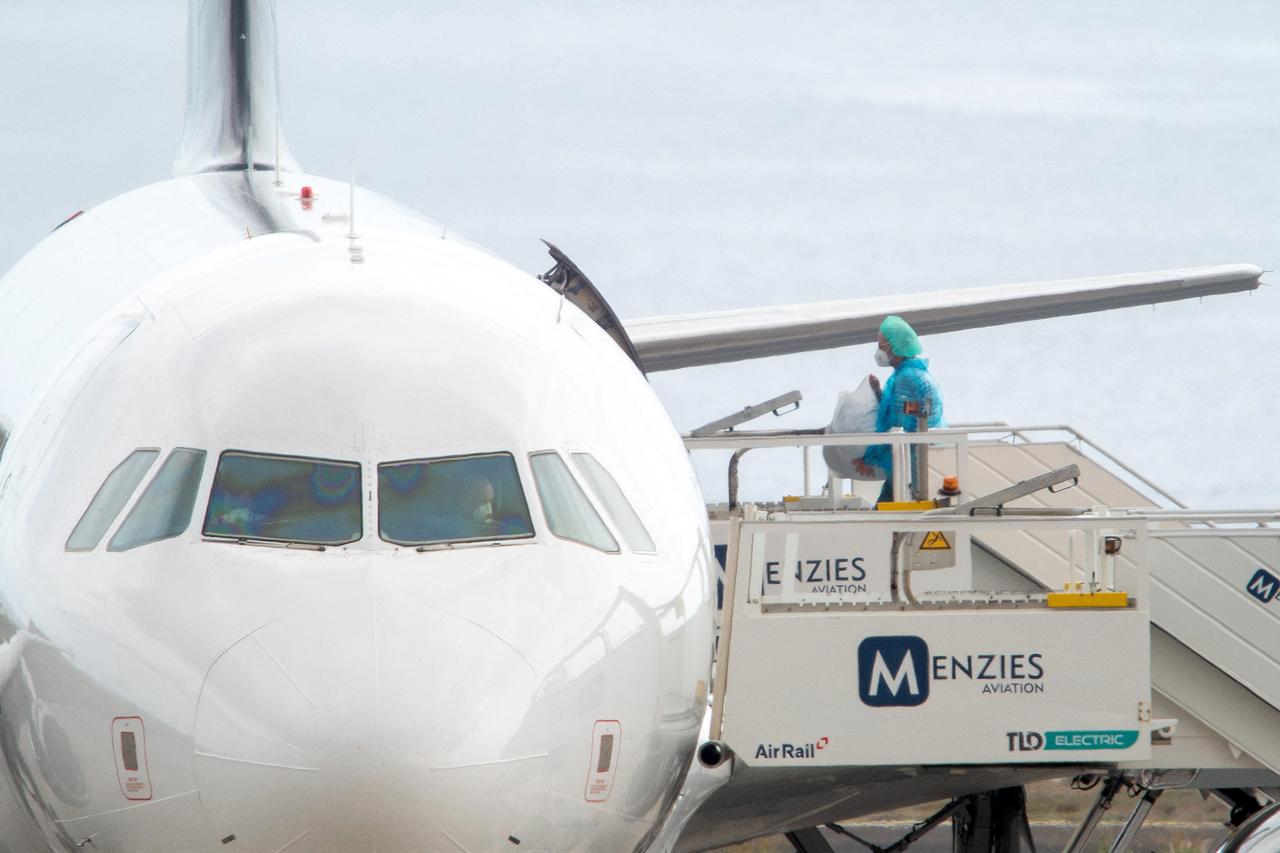
The news from Madrid contrasted with more encouraging results from the Netherlands, where the Dutch National Institute for Public Health and the Environment said all 26 passengers on the first repatriation flight from Tenerife underwent thorough medical screening and had samples taken at the airport for laboratory analysis.
"The test result was negative," the institute said, adding that no Andean virus, the strain of hantavirus implicated in the outbreak and capable of human-to-human transmission, was detected in any of those tested.
Despite the negative results, all evacuees remain subject to quarantine protocols. Two additional repatriation flights subsequently landed in the Netherlands carrying 28 more evacuees, who will also undergo quarantine.
The Hondius departed Ushuaia, Argentina, on April 1 and became the focus of global concern after three passengers died during the voyage. Among surviving patients, all of them passengers or crew from the ship, seven cases have been confirmed and an eighth is listed as probable, according to a tally of official figures. The European Centre for Disease Prevention and Control has classified all individuals who were on board as high-risk contacts and recommended a quarantine period of up to 42 days.
The Andes hantavirus is the only known strain of the virus capable of spreading between humans, generally requiring close and prolonged contact, and has no approved vaccine or treatment. Hantaviruses are typically transmitted through exposure to the urine, droppings, or saliva of infected rodents, but the Andes variant has been documented in rare instances of person-to-person spread.
Health officials across Europe and at the World Health Organization have nonetheless stressed that the risk to the general public is low and have cautioned against comparisons to the Covid-19 pandemic. WHO Director-General Tedros Adhanom Ghebreyesus said Tuesday that "there is no sign that we're seeing the start of a larger outbreak," while acknowledging more cases among passengers could still emerge.


 Set as preferred source
 Set as preferred source


 1 min read

 1 min read