Newsletters


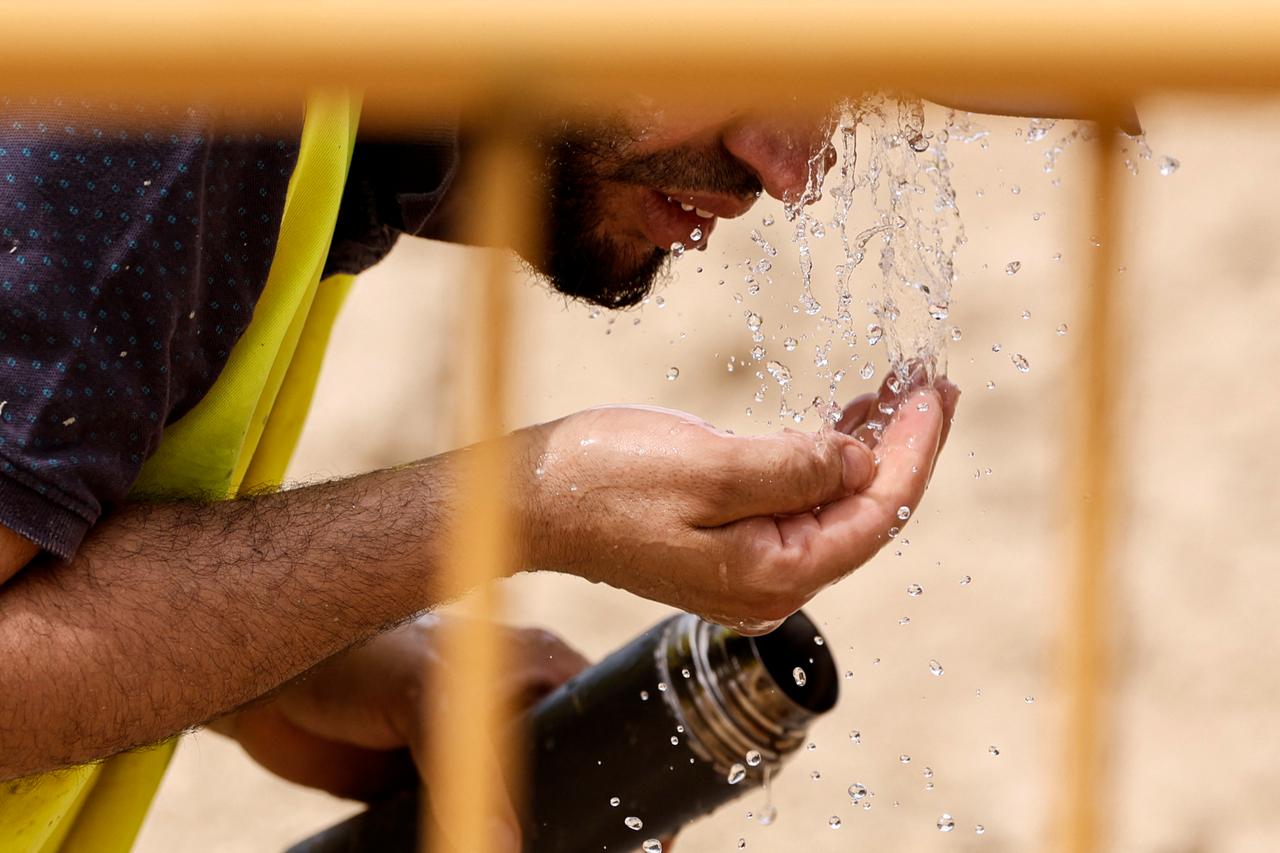


With Spain experiencing record-shattering summer heatwaves, municipalities and businesses across the country are rapidly overhauling labor practices to keep outdoor workers safe.
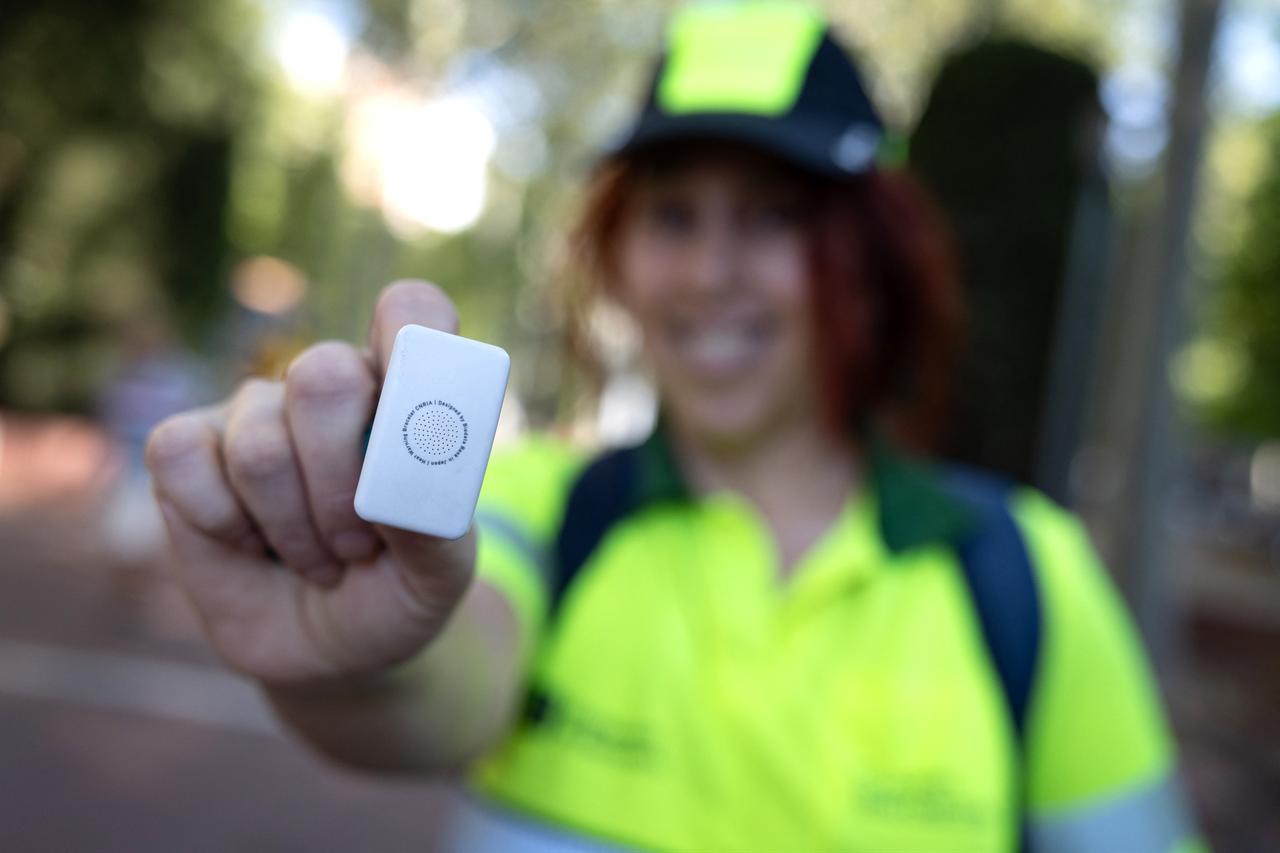
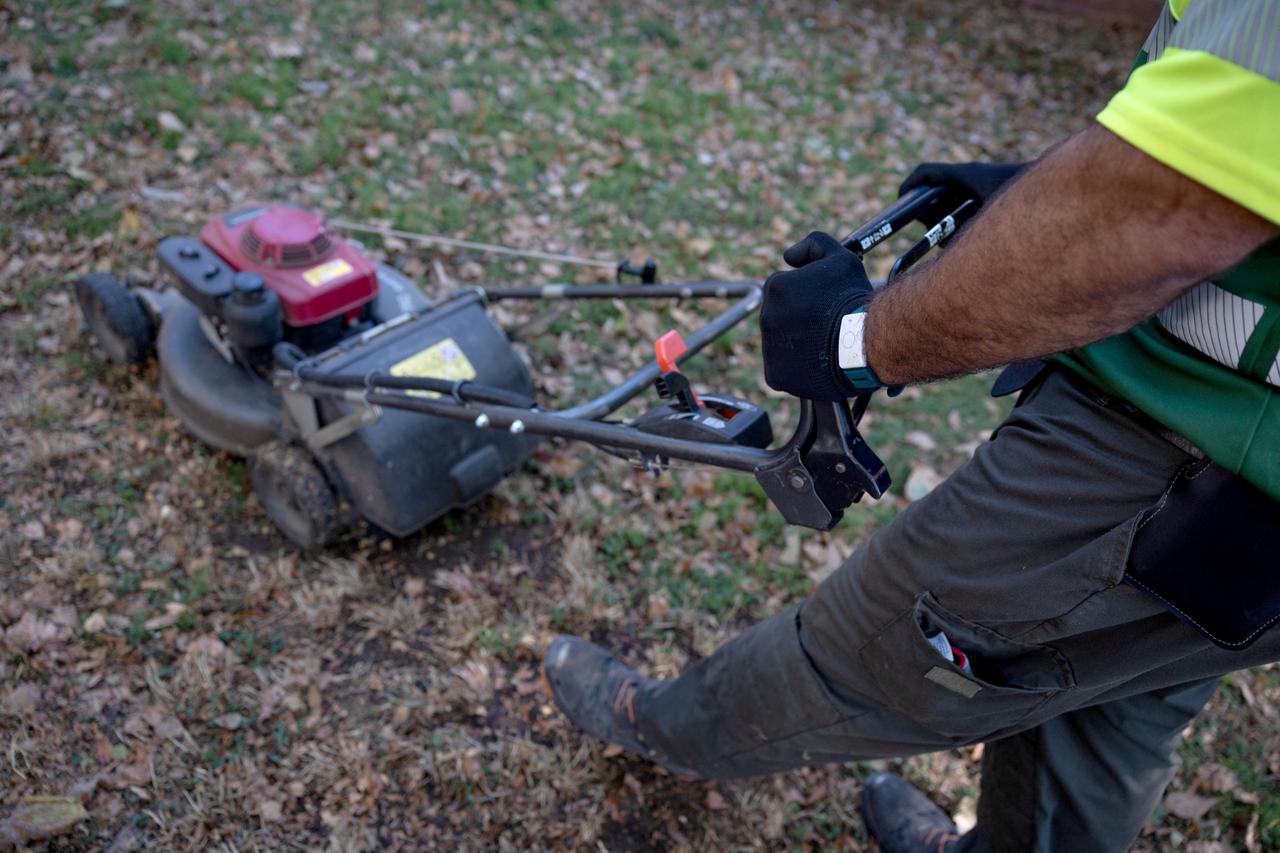
As the morning sun beats down on Antonio Reina while he tends a public garden in Barcelona, he feels reassured by a simple wristband protecting him from the summer heat. The device features a sensor that detects body temperature, triggering a red light and an audio alarm if Reina gets dangerously hot and becomes susceptible to a potentially deadly heatstroke.
"It's an extra layer of security," said 54-year-old Reina. "As it's supposed to go off before you have symptoms, it lets you leave your place of work, drink water, and get into the shade."
The wristbands exemplify how Spain, a country long familiar with high temperatures, is adapting labor regulations as climate change makes extreme heat spells more intense, frequent, and prolonged.
The issue has taken on greater urgency across Europe after recent exceptional heat waves sent temperature records tumbling, caused thousands of excess deaths, and disrupted daily life on a continent where air conditioning is not widespread.
To combat these risks, the Barcelona town hall distributed 1,400 heat-monitoring wristbands to its outdoor staff this year. Following several heat-related worker deaths in recent years, Spain has also brought summer working hours forward and cut them short.
Outdoor laborers now follow strict safety protocols that mandate hydration breaks, protective caps, and a requirement never to work alone.

Rising summer temperatures exceeding 38 degrees Celsius (100.4 degrees Fahrenheit) are forcing Madrid’s outdoor laborers to adapt their working hours. Eli de Sousa, a 41-year-old solar company owner, now clocks his workers in at 7:00 a.m. to avoid the most brutal hours of the day, halting all operations by 1:00 p.m.
Similarly, telecom worker Juan Carlos Rodriguez, 56, notes that the heavy safety harnesses required for rooftop installations force workers to take frequent breaks just to cool down.
The shifting schedules come amid a broader government crackdown on heat-related labor infractions. Although Spain has capped indoor workplace temperatures at 27 °C since the 1990s, enforcement has historically lagged—a reality underscored by recent public complaints over overheating classrooms.
In response, Spain's Labor Ministry has drastically ramped up penalties, with fines for heat-exposure violations doubling from €706,419 in 2022 to roughly €1.6 million ($1.8 million) last year. Labor Minister Yolanda Diaz defended the surge in enforcement, stating that no worker should risk illness or death due to preventable workplace conditions.
In July 2022, a 60-year-old street cleaner in Madrid died of heatstroke, an incident that galvanized the population, society, and the government, according to Carmen Mancheno, the occupational health coordinator at the CCOO, one of Spain's largest trade unions.
In response, the leftist government passed a law in 2023 that requires employers to adjust the working day to prevent outdoor tasks from being performed during the hours of peak heat exposure.
Under this legislation, employers must establish a protocol to adapt working conditions whenever the state weather agency issues its two highest heat alerts.
While urban cleaning services and the construction sector apply these rules widely, Mancheno noted that compliance remains low in other industries. The government also introduced a climate leave policy following the deadly 2024 floods in the eastern region of Valencia, which authorizes legally protected, paid absences from work during severe weather events.
However, Mancheno explained that this specific legislation is difficult to apply during heat waves because high temperatures do not physically prevent employees from traveling to work.
For 64-year-old Fernando Garcia, who keeps his ice cream stall in central Madrid open through the summer, adaptation remains personal. He explained that his only solution is to drink water, spray himself to stay cool, and tough it out.


 Set as preferred source
 Set as preferred source



 2 min read