Newsletters


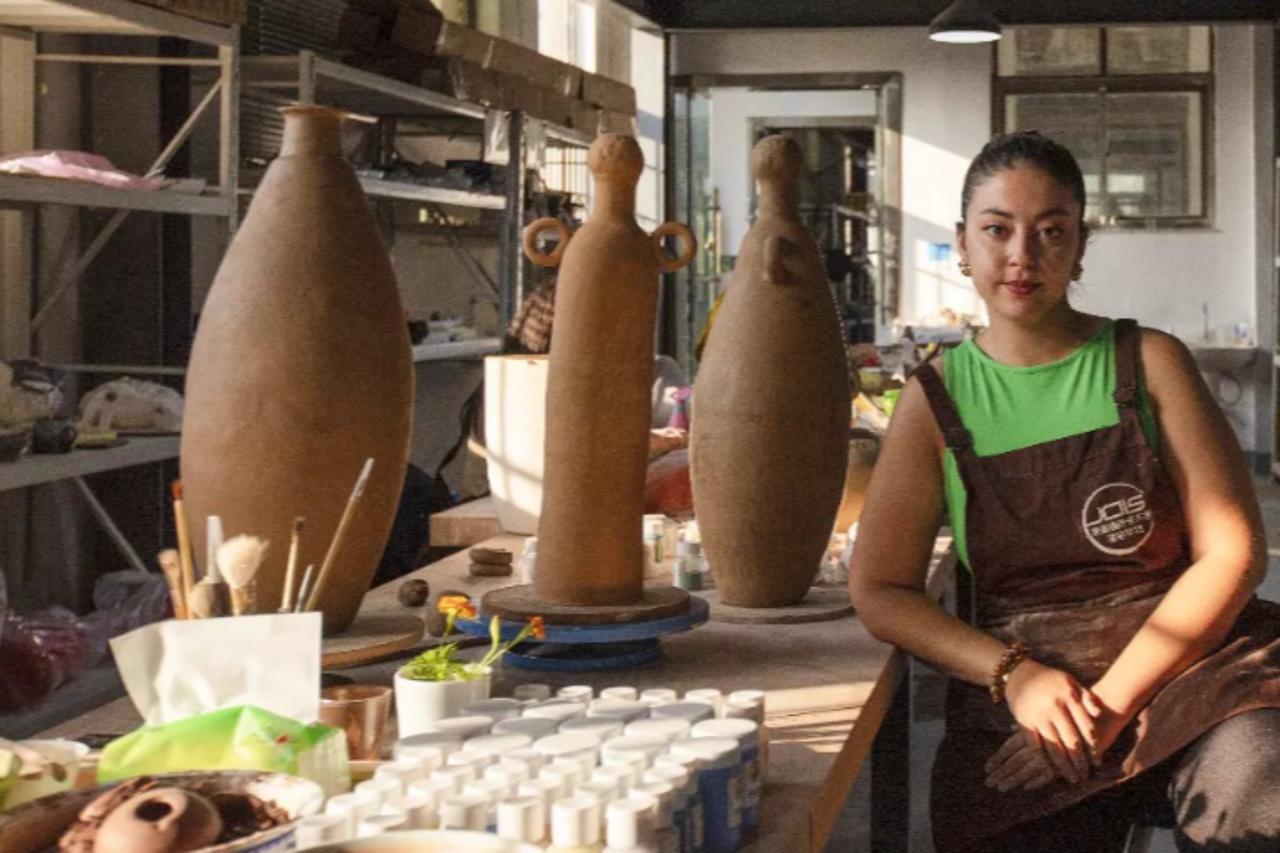


For centuries, the ancient Silk Road carried exquisite porcelain from China's kiln fires to the royal courts of the Middle East. Today, Turkish ceramic artist Pelin Dal is reviving that historic connection from the inside out, turning China’s legendary ceramic capital into her primary creative sanctuary.
Known globally as China’s "porcelain capital," Jingdezhen in eastern Jiangxi Province has long acted as a magnet for international artisans. In an interview with Xinhuanet, Dal shared how her fascination began in childhood, sparked by her aunt's frequent business trips to the country.
"Whenever she traveled to China, I was always asking her, 'How is China? How do you speak Chinese?'" Dal recalled. "My interest started from childhood."
That early curiosity found a practical anchor when Dal began studying ceramic art. As she advanced through her studies, she became captivated by China’s rich, millenary history of porcelain production.
After earning her master’s degree, she decided to take a leap of faith, leaving her home country behind with China as her definitive first choice.
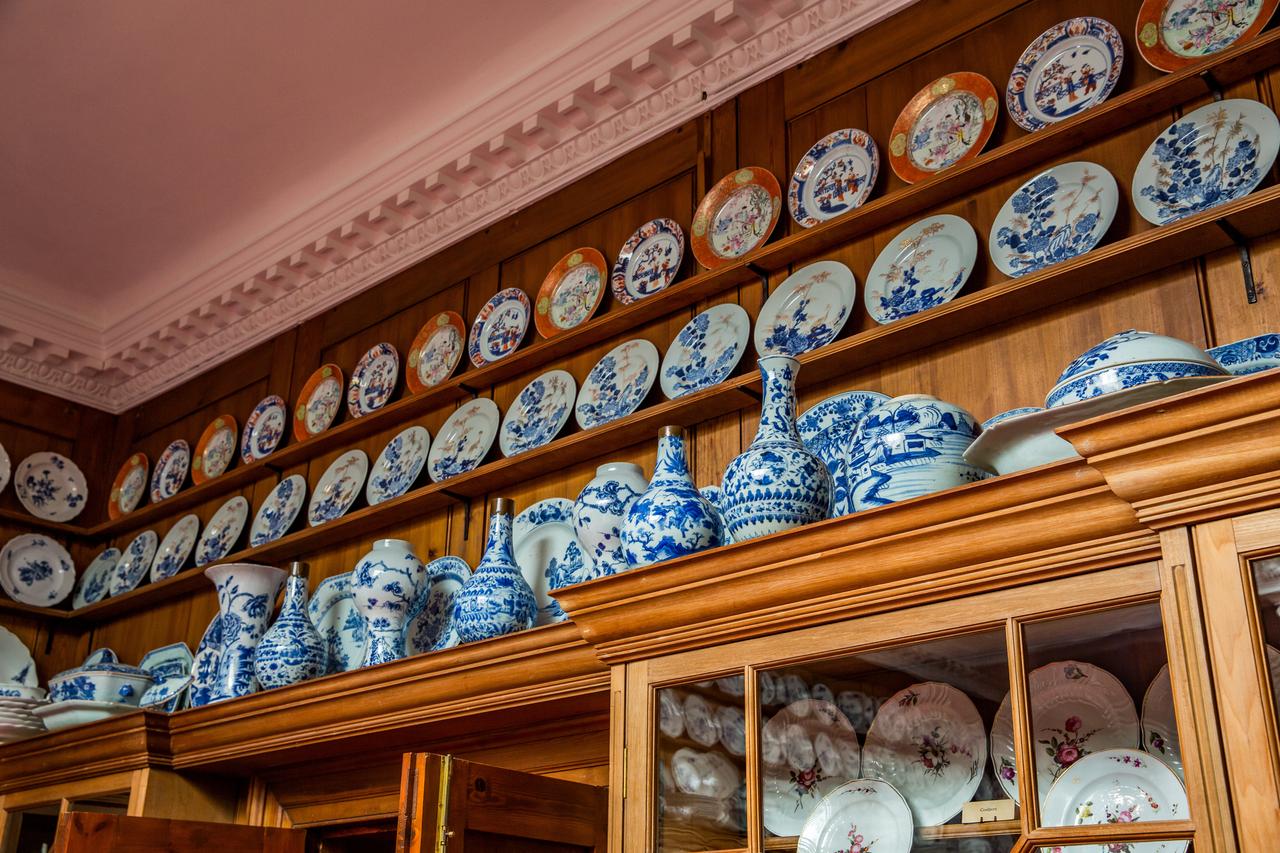

Like many international travelers, Dal initially expected a quiet, rural settlement.
"Before I came here, I thought Jingdezhen was like a village, not a big city," she said. "But when I arrived, I realized that a lot of foreign people had already come here. This ceramic culture is completely integrated into routine life."
"Jingdezhen is my second home now. My whole life is focused here... it’s everything to me right now, not just a residence location." — Pelin Dal
Dal found her specific creative anchor in Sanbao, a lush, mountainous valley on the outskirts of the city celebrated for its vibrant community of independent studios. Surrounded by nature, green landscapes, and fresh air, she began organizing cultural exchanges.
Stepping into the roles of administrator and curator, Dal spearheaded exhibitions to introduce fellow Turkish artists to the Chinese art scene for the first time.
On May 18, she successfully launched a major international group exhibition in Sanbao, organized in cooperation with the Jiangxi provincial government.
Currently balancing her studio practice with her doctoral studies, Dal views her work as a fusion of her Mediterranean roots and classical Chinese techniques. She remains constantly surprised by how deeply China's traditional craftsmanship is kept alive in the modern era.
Looking forward, Dal intends to turn her personal journey into a permanent institutional link between the two nations, envisioning a split career spent teaching future artists on both sides of the continent.
"I have a dream to teach in my country as a visiting teacher, spending perhaps half the year in Türkiye and half the year in China," Dal said.
"I want to protect that cultural bridge, share knowledge between both sides, and build a new history along the Silk Road."


 Set as preferred source
 Set as preferred source


 3 min read