Newsletters


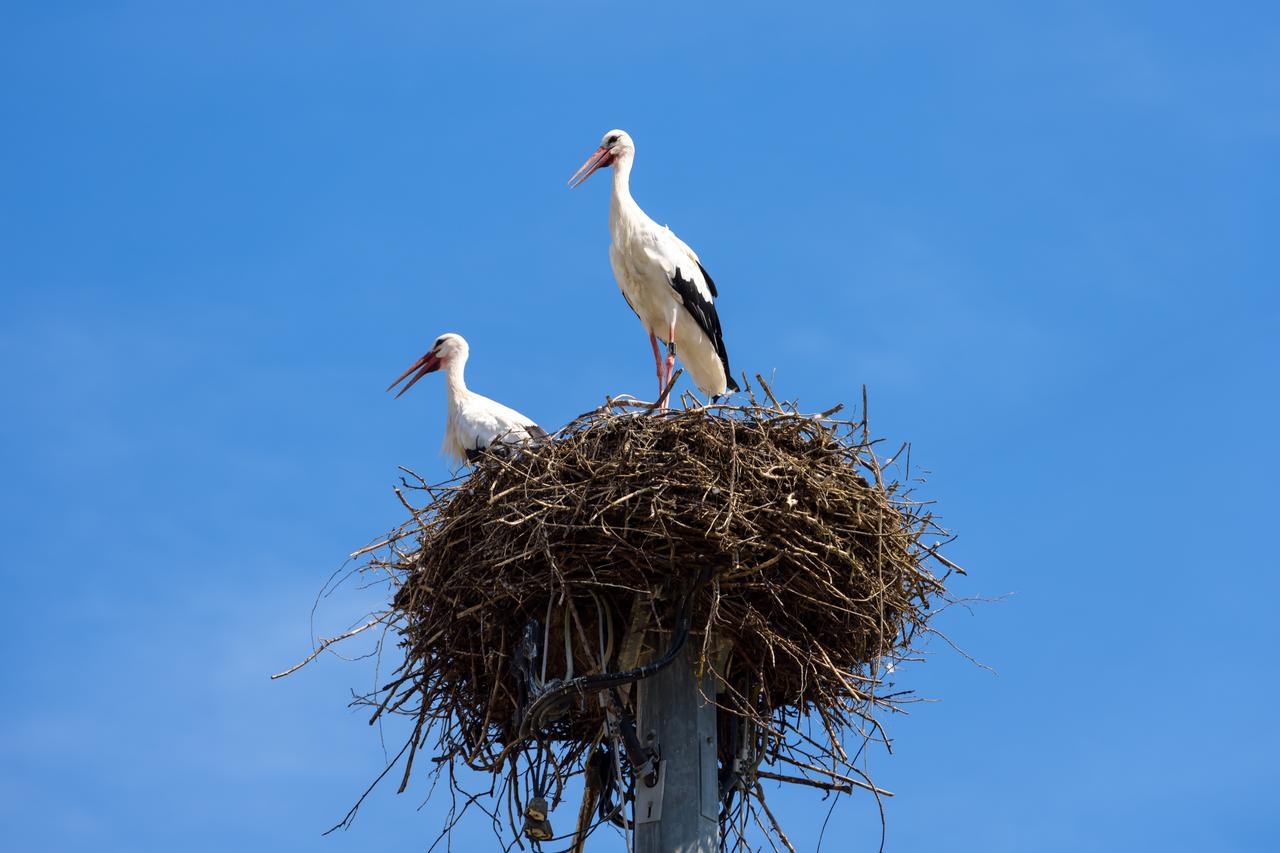


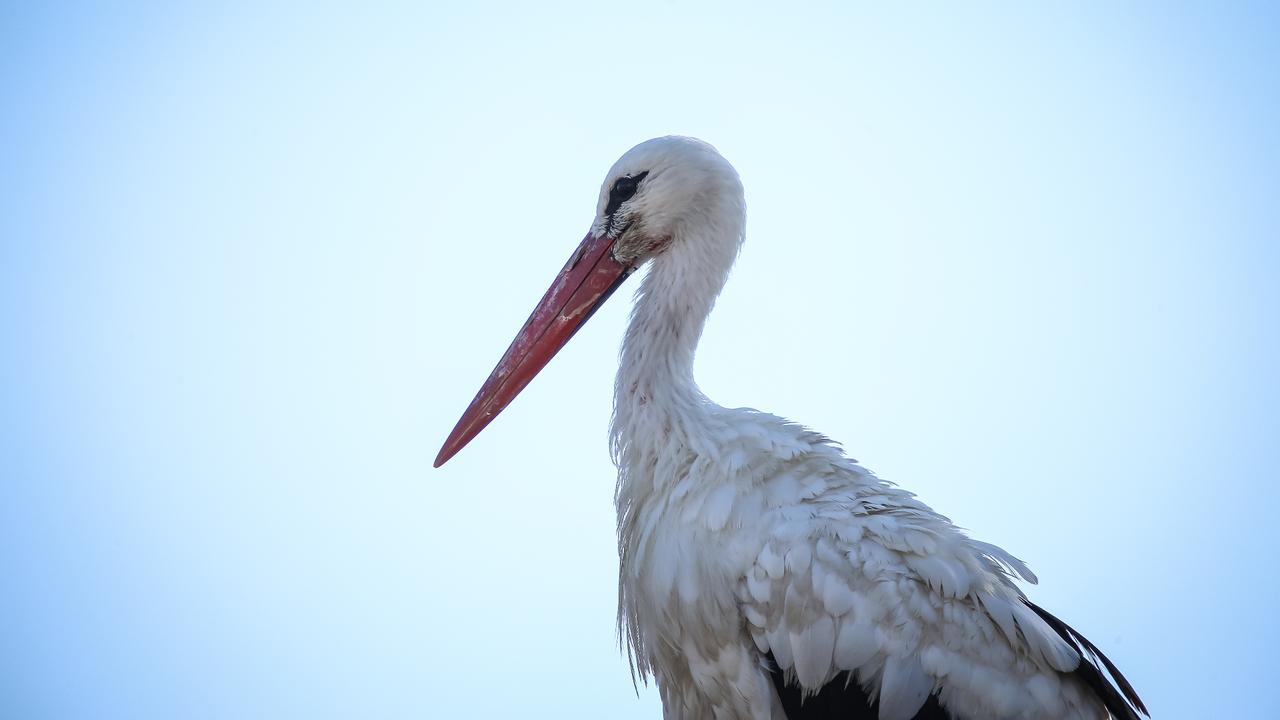
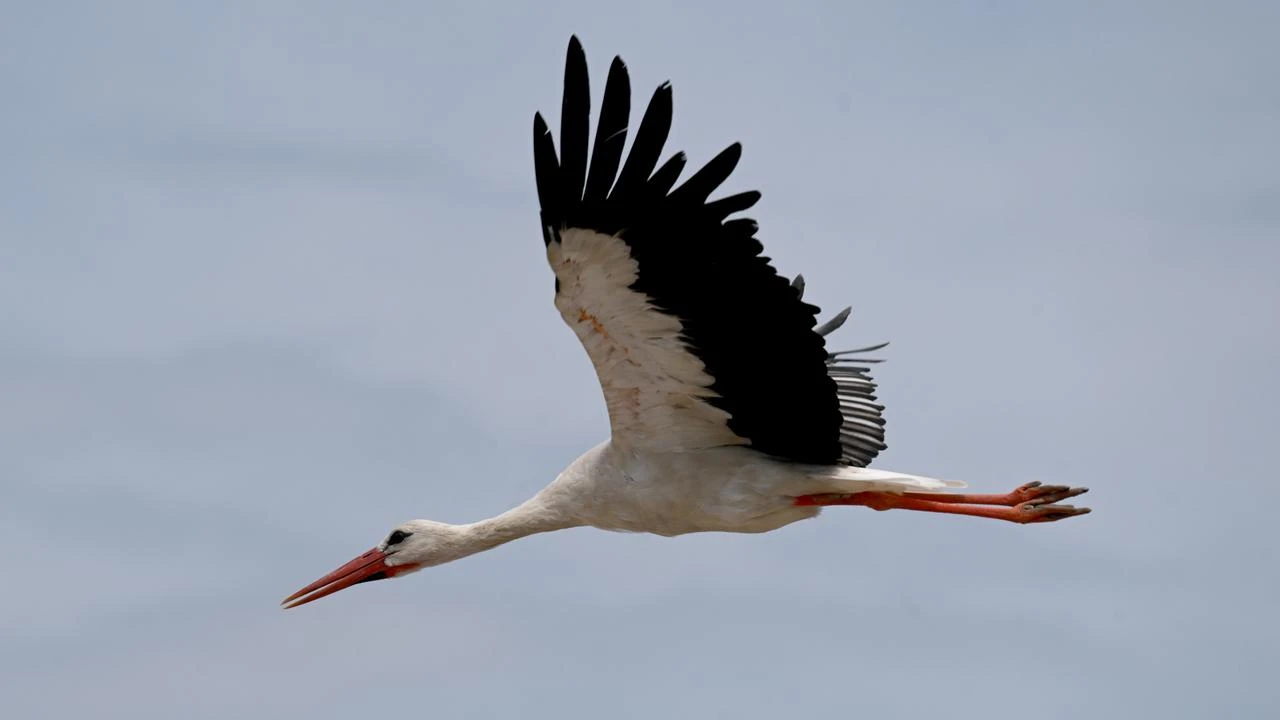
Atlas, a stork hatched in May at Ormanya, a nature park operated by Kocaeli Metropolitan Municipality in northwestern Türkiye, has completed a roughly 2,000-kilometer migration to southern Egypt, Anadolu Agency reported.
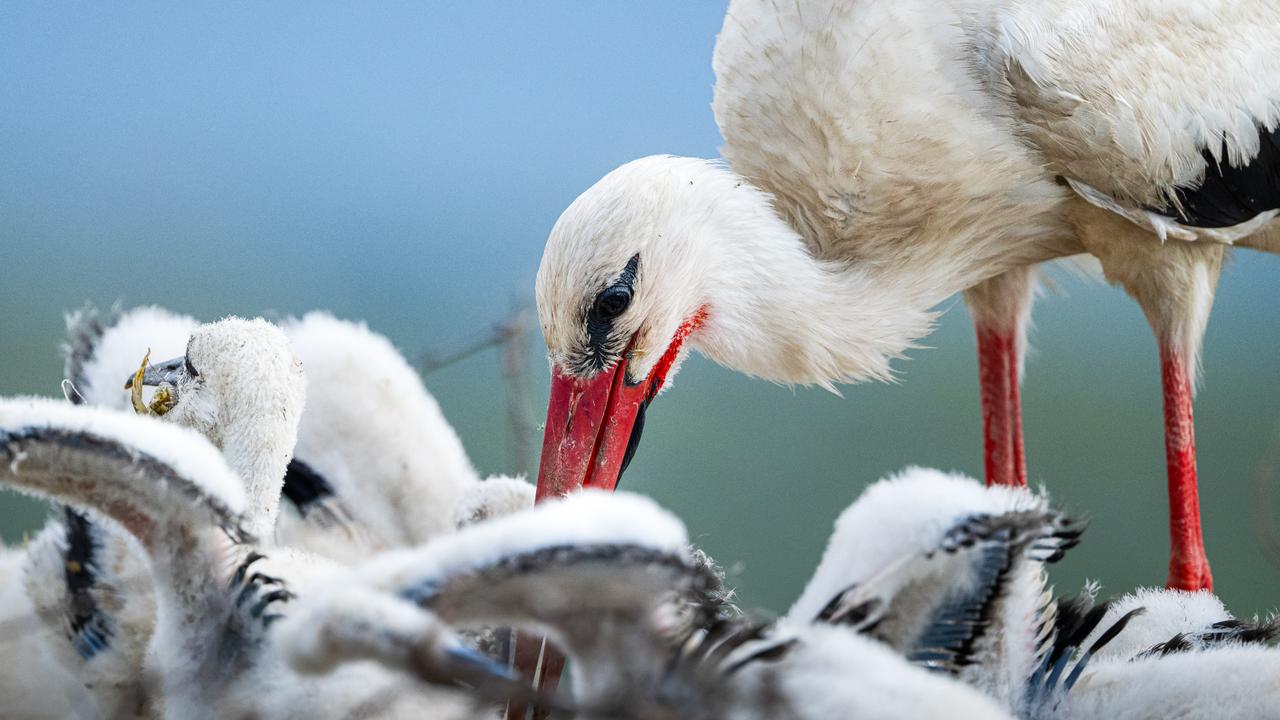
Atlas is the offspring of Pismaniye and Bulut, a pair of storks under protection at Ormanya Nature Life Park's shelter for injured and disabled storks. Both parent birds were treated at a rehabilitation center before settling into one of the nests at the park.
Since hatching on May 25, veterinarians and biologists have monitored Atlas around the clock.
Before the migration period, the stork was ringed and fitted with a GPS tracking device in cooperation with Türkiye's General Directorate of Nature Conservation and National Parks, allowing officials to follow its movements.
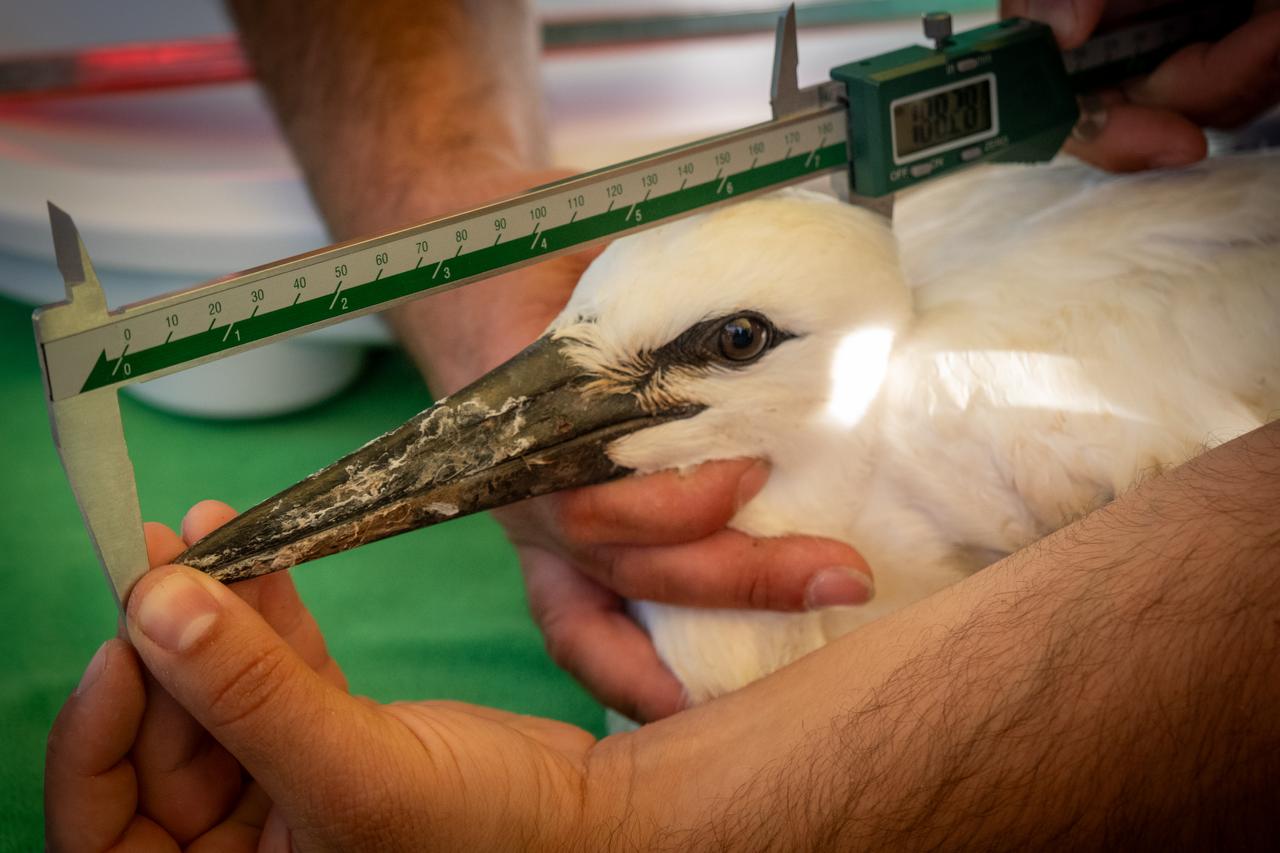

Atlas left Kocaeli on Aug. 10, traveling through Bolu to Ankara, where it rested before continuing to Konya.
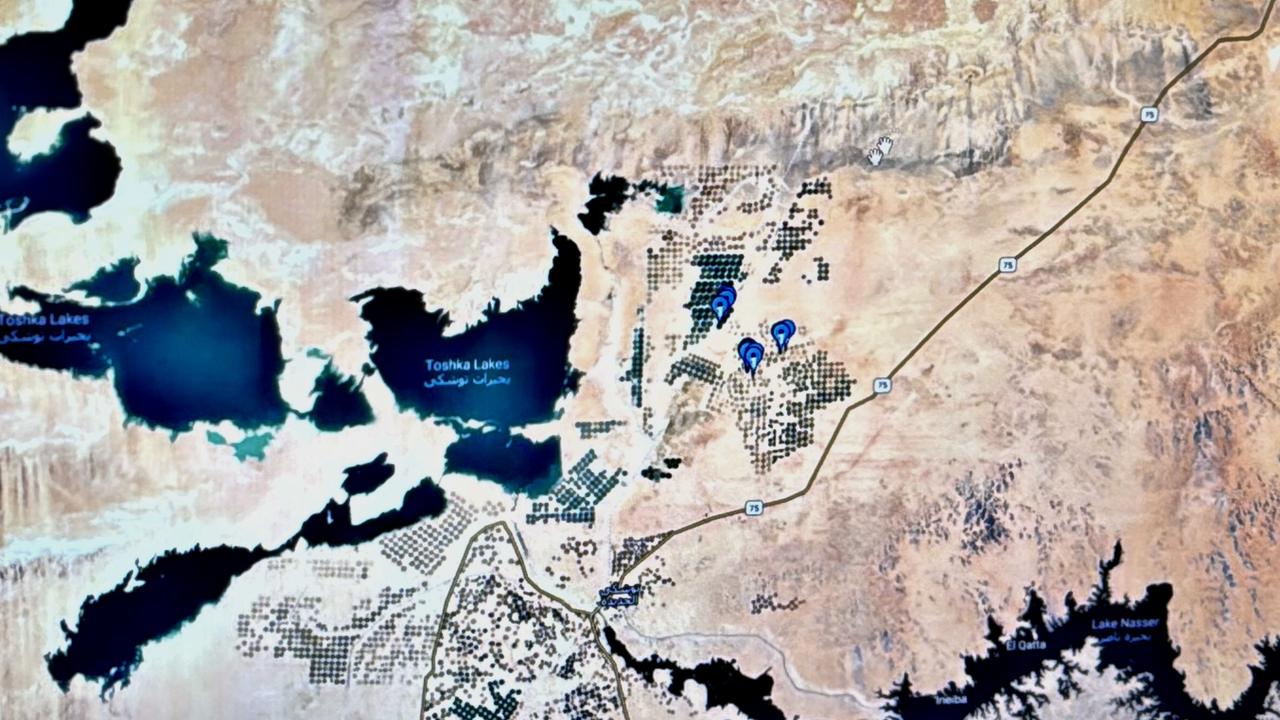
The stork then passed through Mersin and Adana before reaching Hatay, crossed into Syria, continued through Lebanon, and arrived in southern Egypt. It has since settled near the Toshka Lakes.
The GPS device recorded the distance covered, the route taken and the areas where Atlas stopped along the way. Officials say the data is expected to contribute to broader research on stork migration routes and patterns.
Atlas is expected to spend the winter in southern Egypt and return to Kocaeli via the same route around April.
Muhammet Nalkiran, Ormanya's responsible veterinarian, said Atlas represents a major outcome of the park's stork shelter project.
He said storks that arrive exhausted or in need of rehabilitation are treated at a rehabilitation center before being placed in the shelter, where Pismaniye and Bulut later chose one of the nests and produced Atlas.
Nalkiran said the stork's growth was livestreamed for the public from birth, with staff monitoring its health throughout.
He said wildlife authorities fitted the GPS device shortly before Atlas was due to return to the wild, and it transmitted location data throughout the migration.
He added that Atlas left the nest on Aug. 10 and covered the 2,000-kilometer distance to Egypt in about three weeks.
Nalkiran also noted that storks typically use warm air currents during migration, allowing them to travel long distances with minimal wing-flapping and energy use.
He said the GPS device, selected according to the bird's species, size and weight, does not harm the animal and transmits signal via satellite at regular intervals, allowing officials to track the routes, stopover points and feeding areas used during migration.


 Set as preferred source
 Set as preferred source


 1 min read