Newsletters


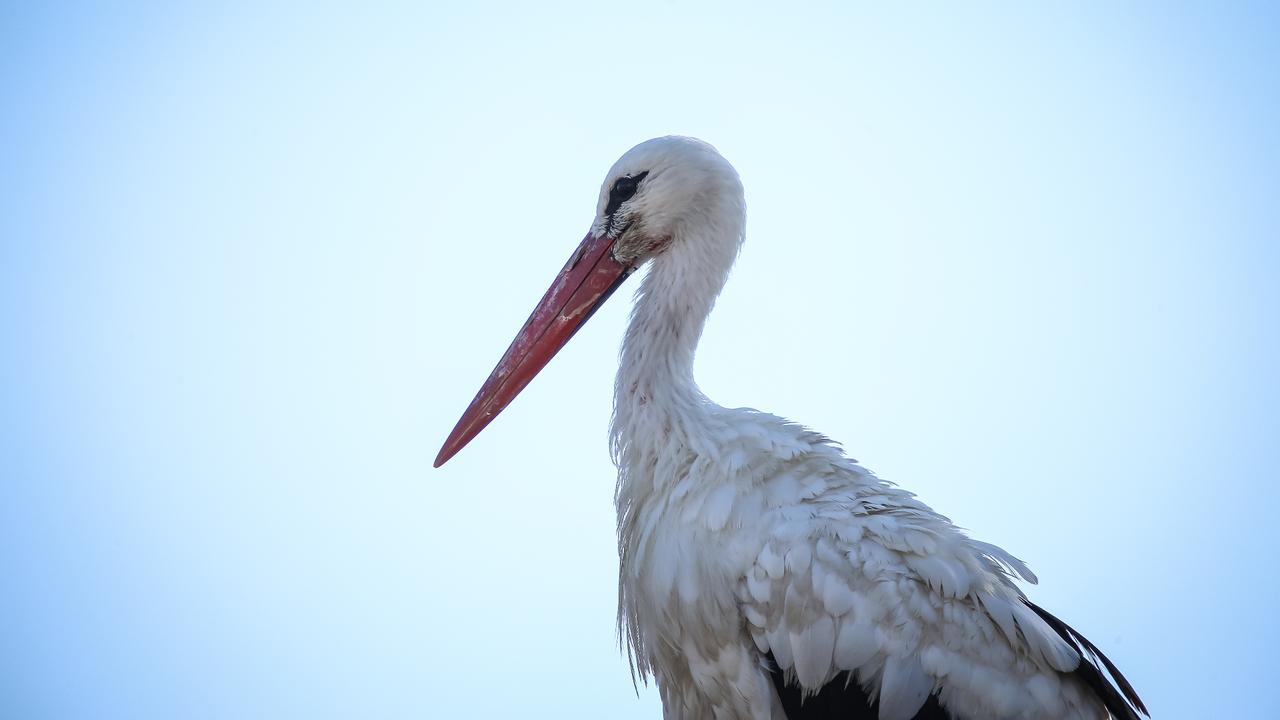
Each spring, storks arrive in Türkiye from Africa, using the country's position between two continents to rest, breed, and raise their young before returning south again in autumn.
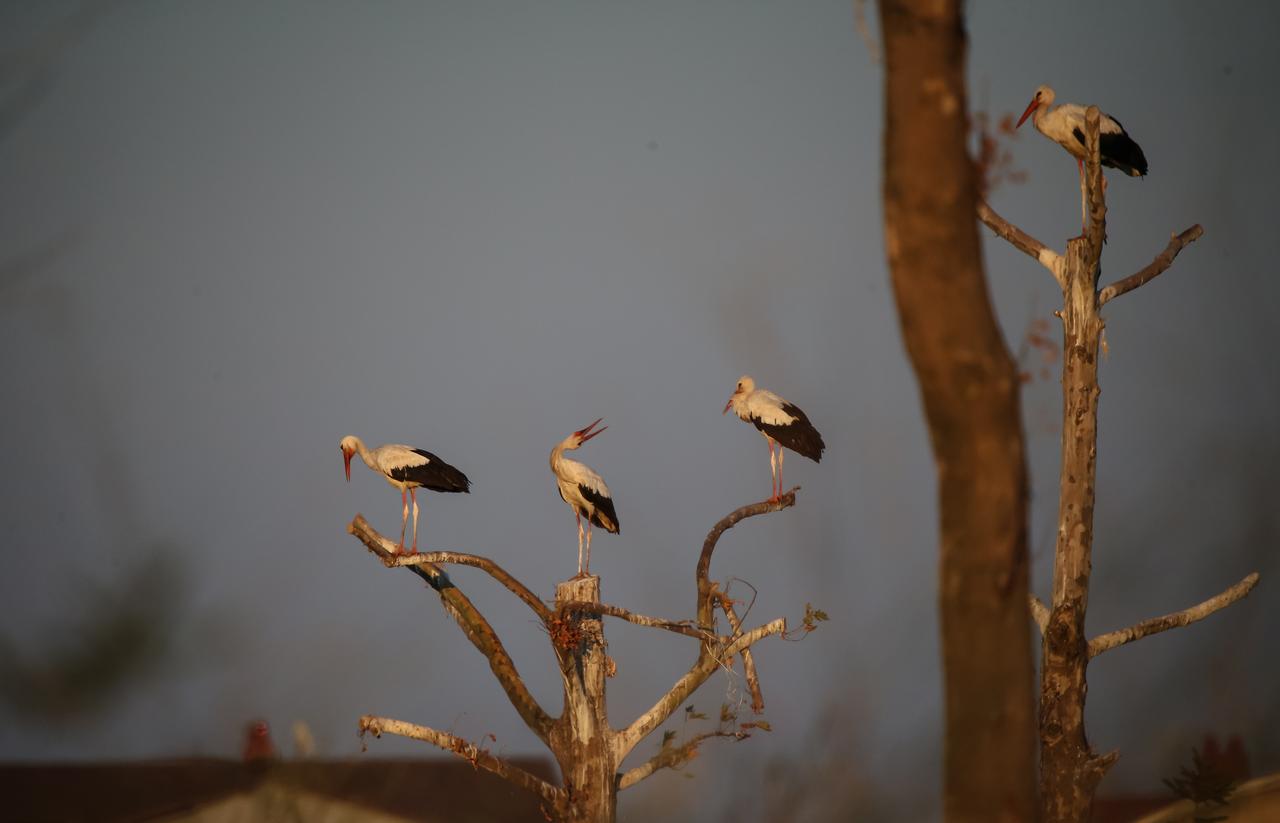
Storks reach Türkiye in early spring after crossing from Africa. The country lies along one of two major migration corridors linking Europe and Africa, making it a key stopover for the species.
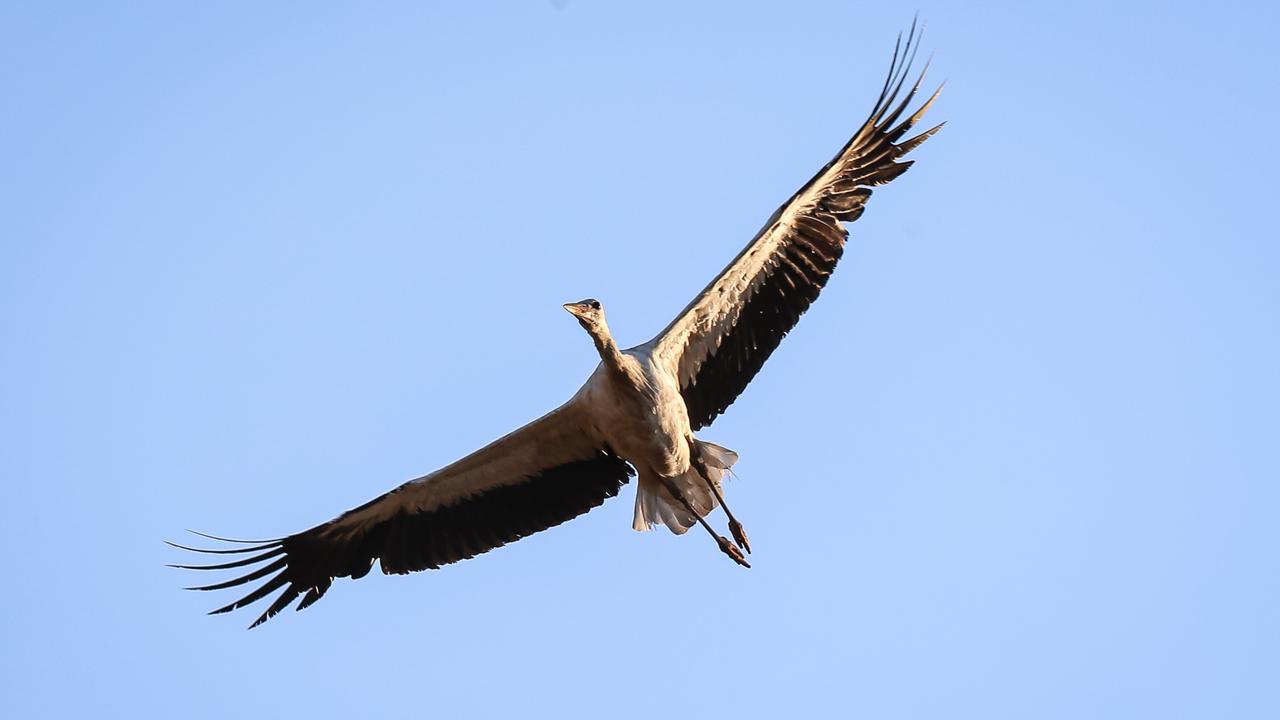
The Istanbul Bosphorus, the strait separating Europe and Asia, serves as one of the most important crossing points for migratory birds moving between the two continents, according to wildlife researchers.
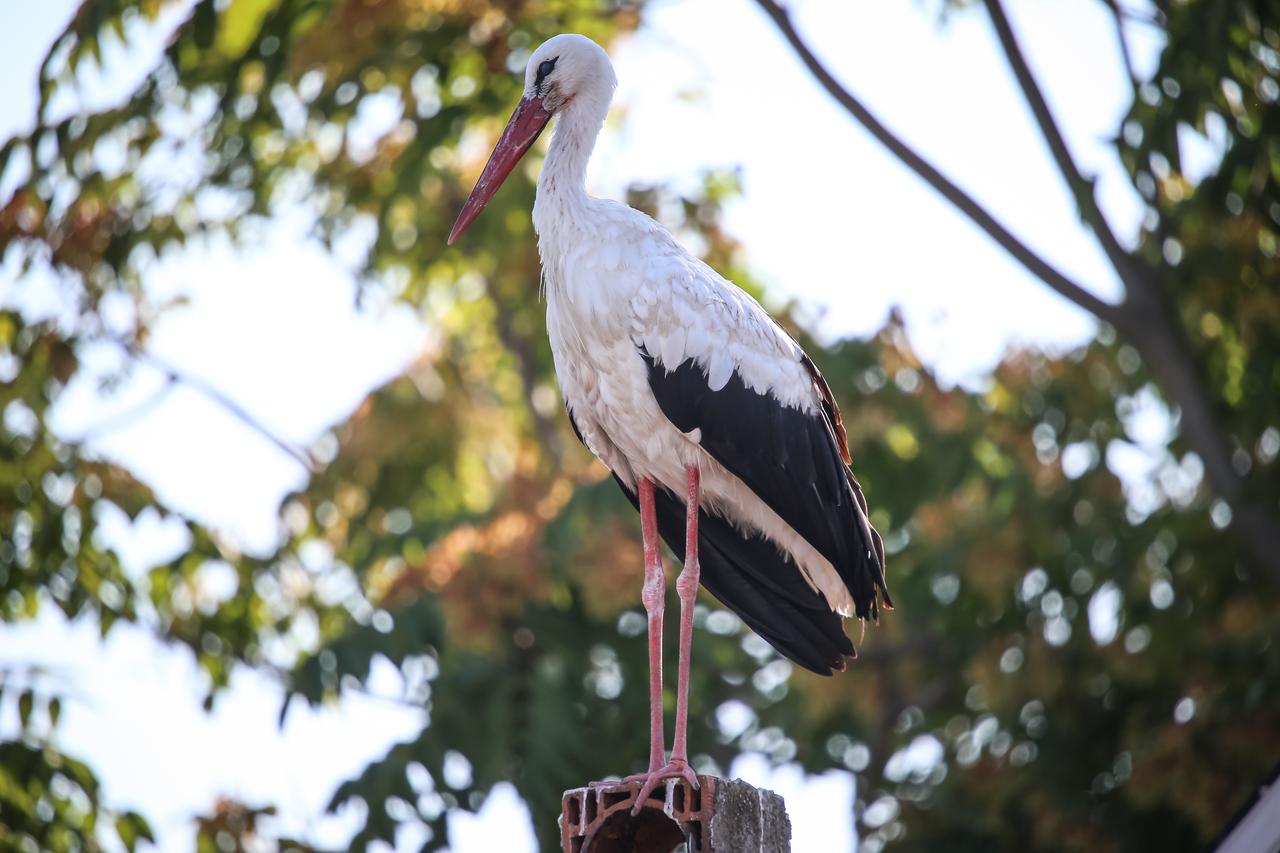
After crossing into Anatolia, storks disperse across wetlands and agricultural land, feeding in these areas as they settle into their breeding grounds for the coming months.
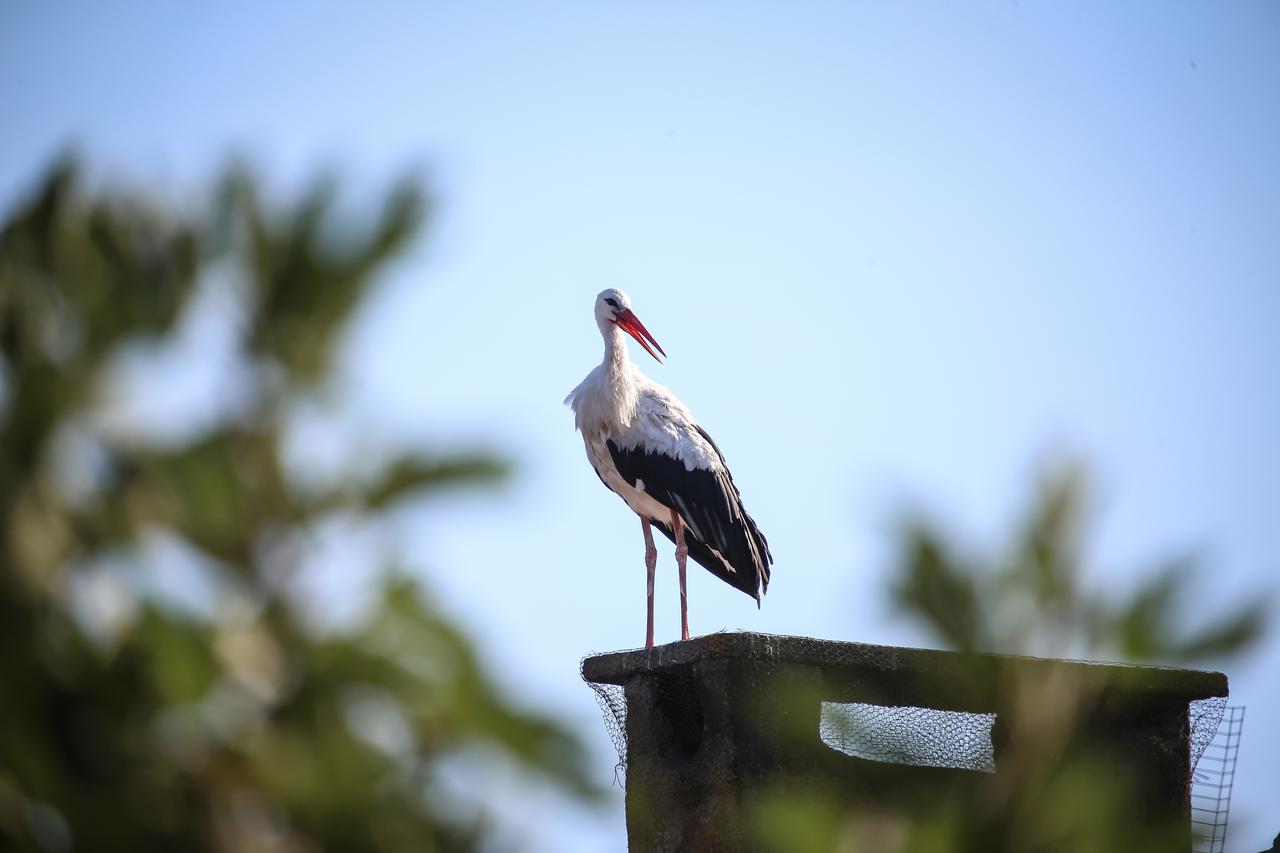
In the Eskikaraagac neighborhood of Karacabey, a district of Bursa in northwestern Türkiye, a stork known as Yaren has returned to the same fisherman, Adem Yilmaz, for close to 15 years, a pattern researchers cite as evidence of the birds' fidelity to specific locations.
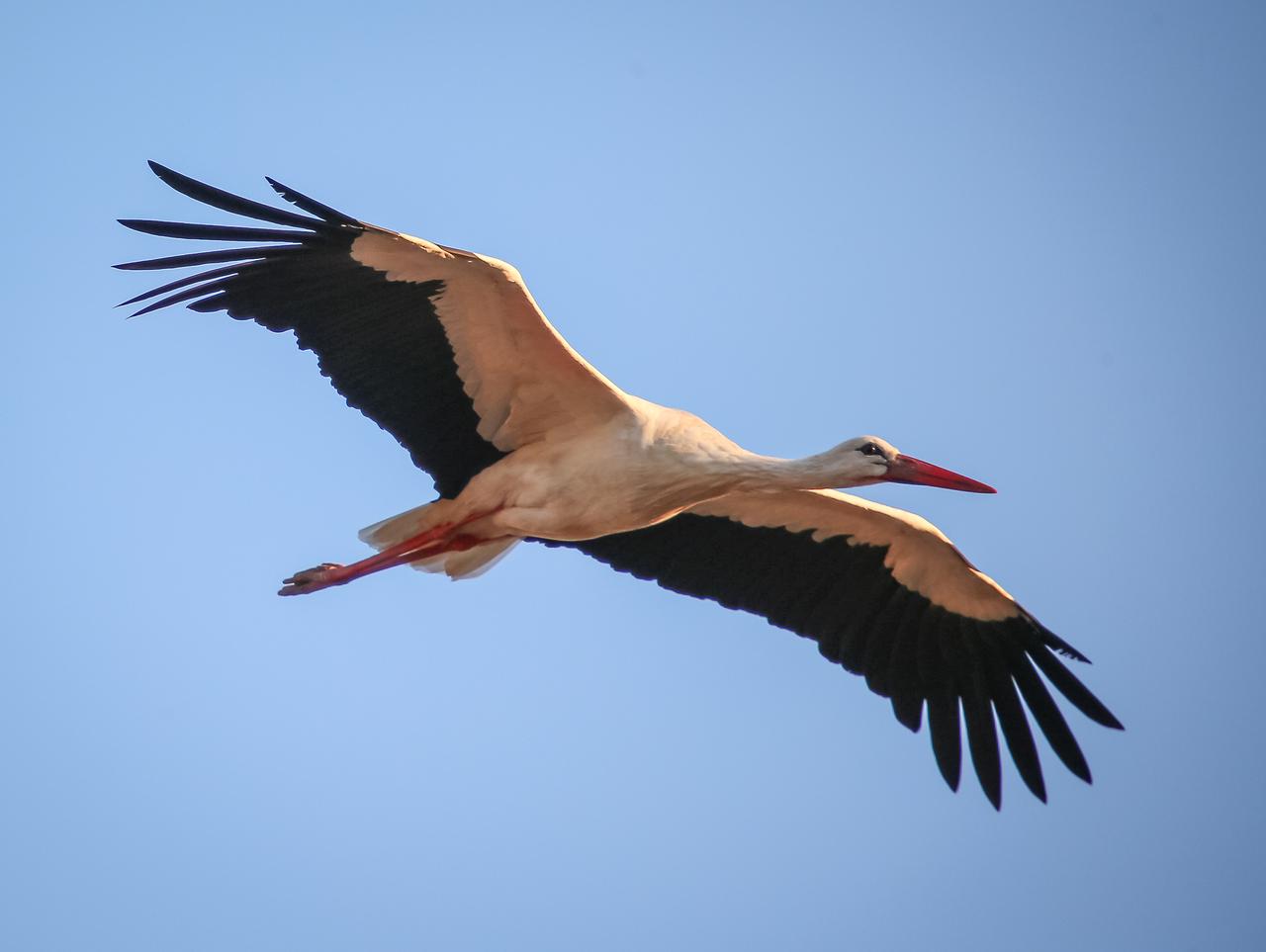
Storks migrate over land rather than sea, relying on thermal air currents that rise from sun-warmed ground.
Once they reach sufficient altitude, they glide for long stretches without flapping their wings.
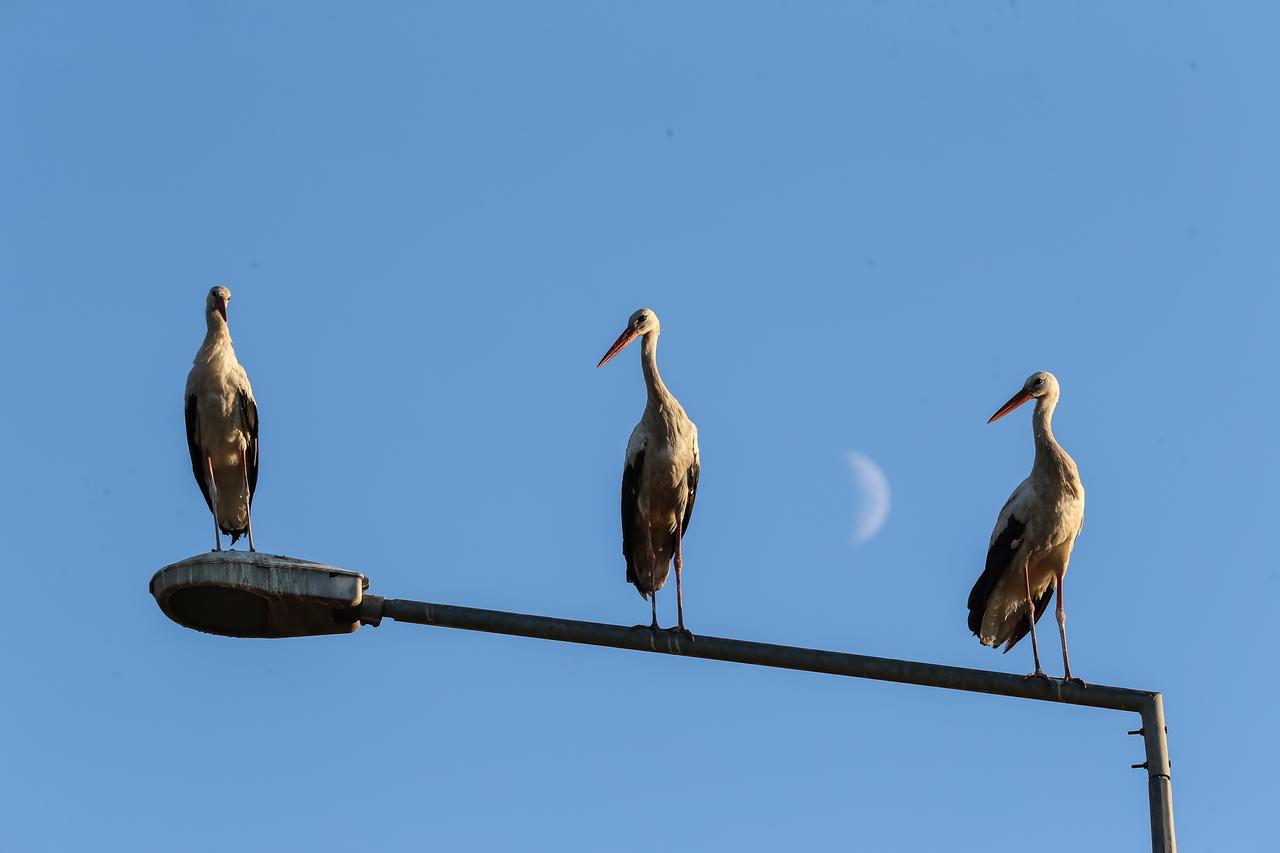
Over the summer months, young storks grow and prepare for flight in the same breeding areas their parents return to each year, a cycle researchers describe as a visible link between the birds and their environment.
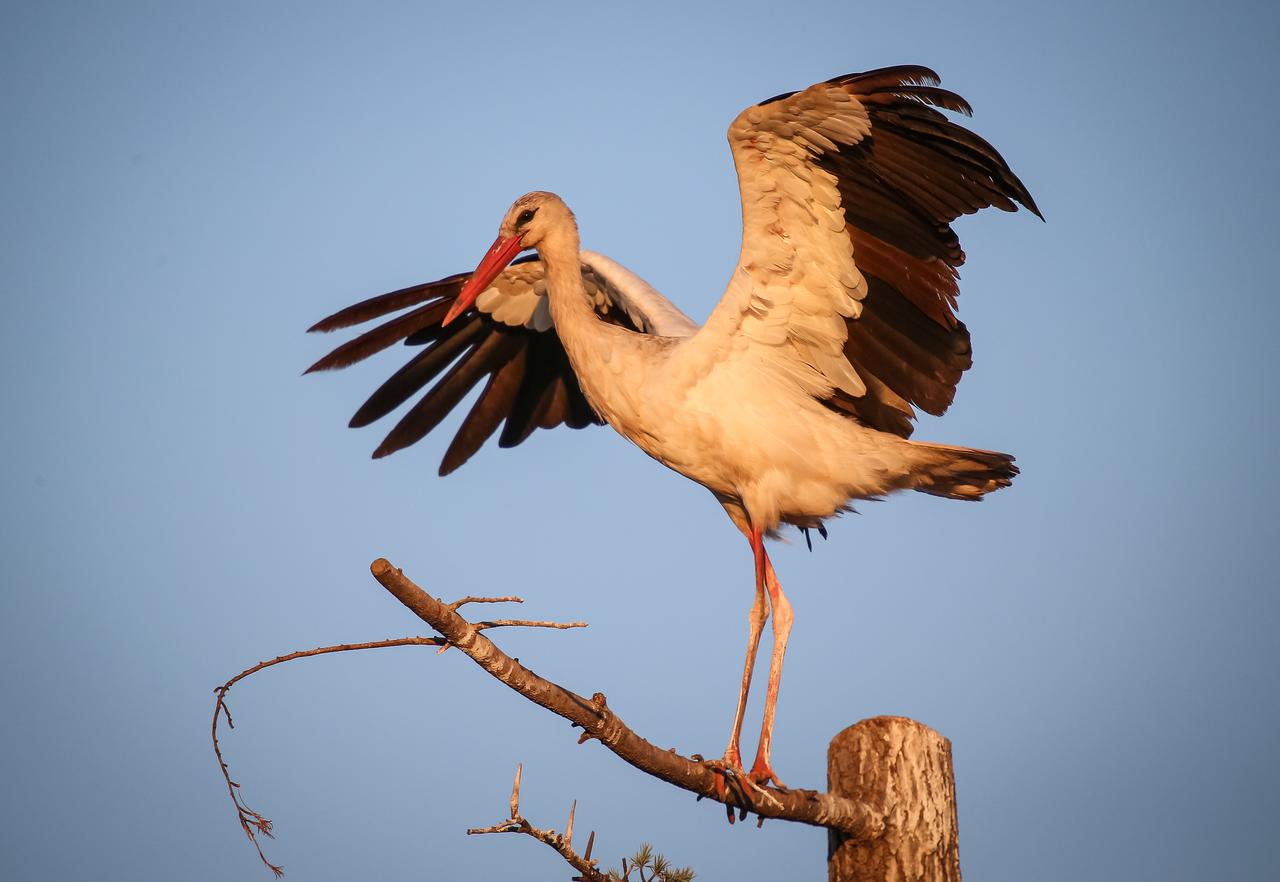
As summer ends, storks begin shifting toward migration, a change wildlife photographers say marks the start of their movement toward warmer regions to the south.
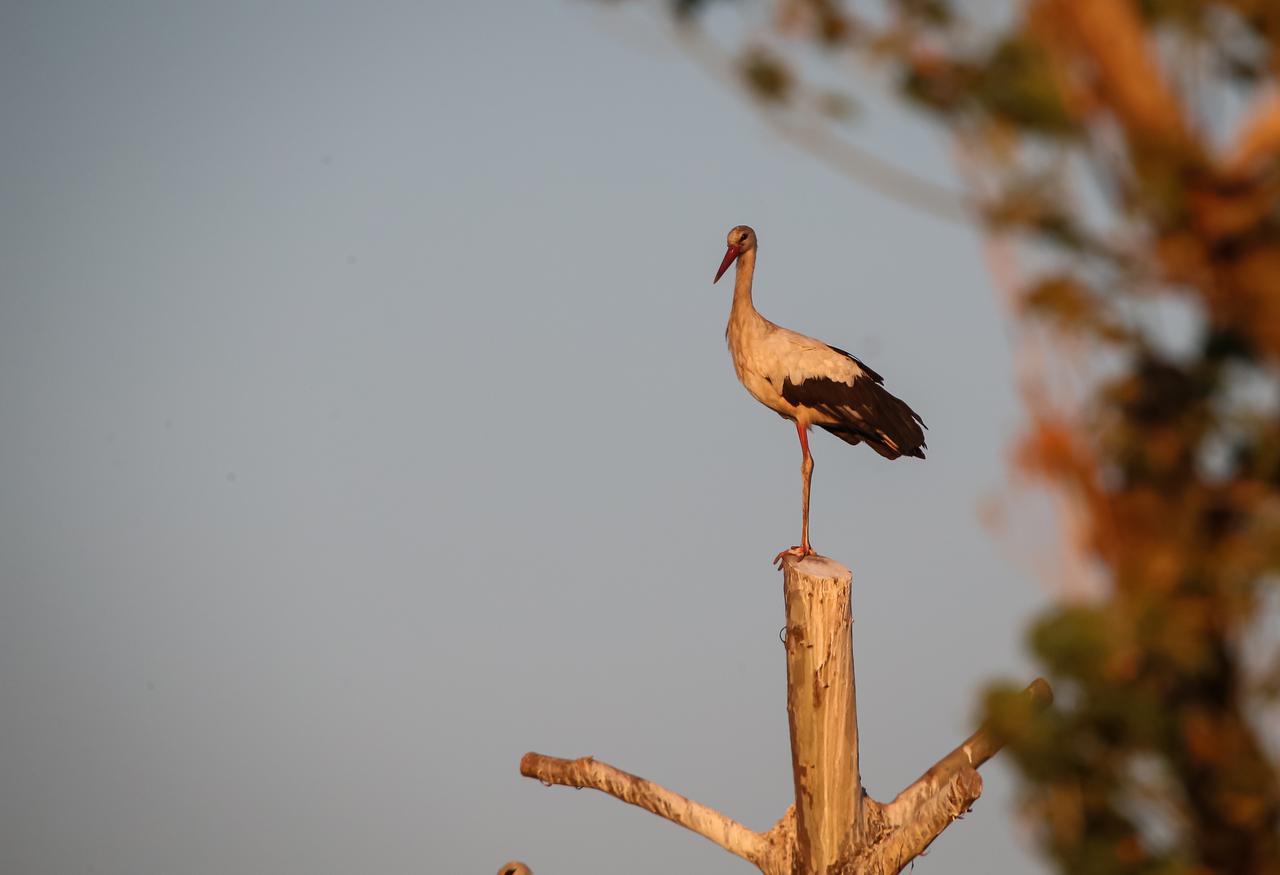
Juvenile storks join adults and other birds for the journey south, traveling in groups that allow younger storks to gain experience from more seasoned migrants as they head back toward Africa.

 1 min read


 Set as preferred source