Newsletters




New research led by Professor Lisa-Marie Shillito of Durham University in northeastern England shows that insects have been part of the human diet for thousands of years, even if the idea seems unusual to many people today.
The study, published in the journal World Archaeology, examines how evidence of past insect consumption could change current thinking about food and sustainable diets.
As the world looks for more sustainable ways to produce food, the study suggests archaeology can offer insight into the long history of eating insects and their potential role as an alternative source of protein.
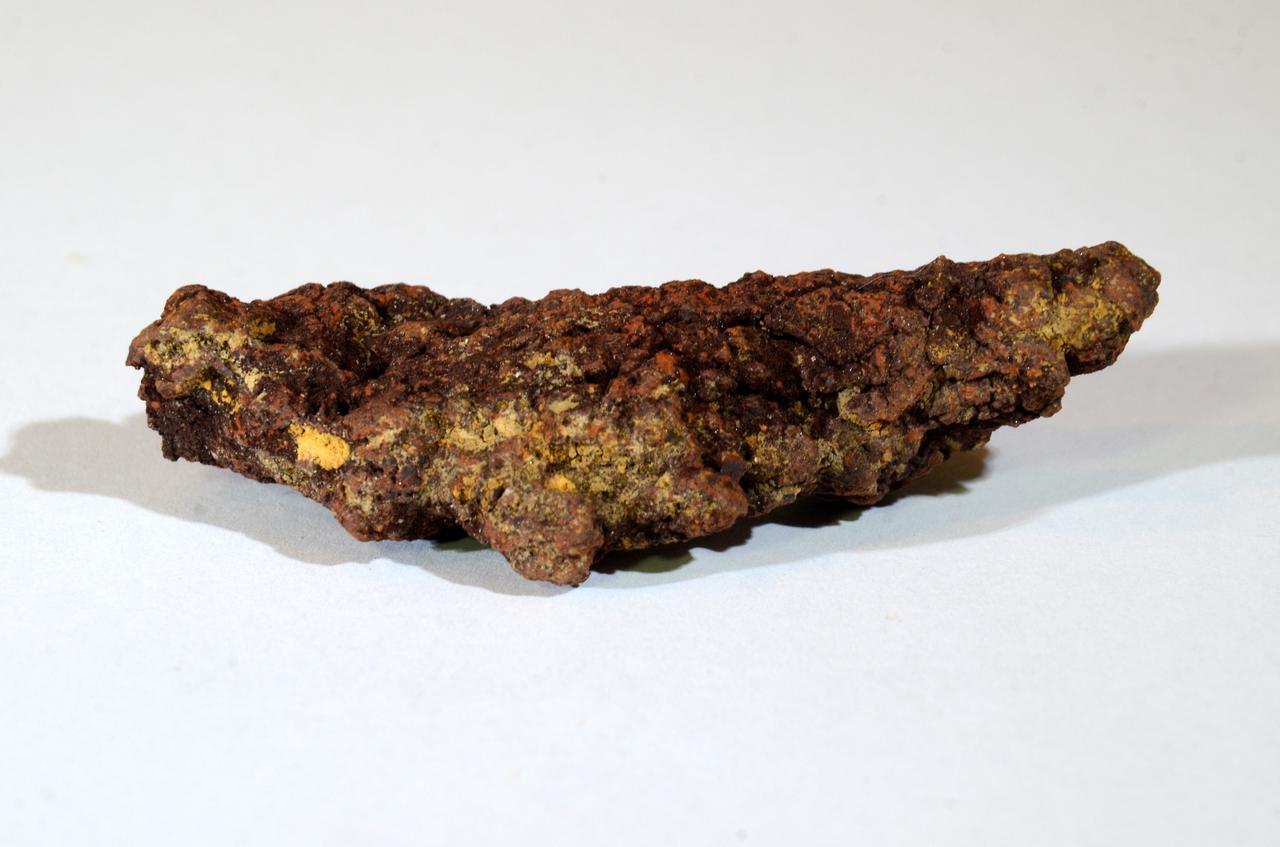

Evidence from archaeological sites around the world indicates that people have eaten insects for thousands of years. Researchers found insect traces on ancient human feces, on tools and on cooking vessels, along with evidence that insects were gathered and stored.
Archaeological finds in North America suggest that people ate grasshoppers, other insects and small creatures in the past. Evidence from Australia indicates that moths were cooked and ground into food about 2,000 years ago.
Insects remain an important part of traditional diets in many parts of Africa, Asia and Latin America. Grasshoppers, for example, are eaten in countries such as Uganda in East Africa and Mexico.
Attitudes toward insects as food vary between cultures and have changed over time. In many Western societies, insects are often met with disgust, despite their long history as a food source.
Shillito said edible insects are frequently described as the food of the future, but for many people they are already part of a long culinary heritage. She said she wants to show how archaeology can question assumptions about what counts as food, including the assumptions of archaeologists themselves.
According to Shillito, if insects are not considered food, evidence that people ate them can be overlooked. Recognizing this past may help people think differently about what they could eat in the future.
Insects can also offer environmental benefits compared with many traditional livestock systems. Depending on the species and how they are raised, insect farming can use less land per unit of edible protein and result in lower greenhouse gas emissions.
The study argues that recognizing insects as part of food heritage could help people think differently about alternative proteins. Rather than viewing insects only as an unusual new food, people can understand them as part of the long history of human food choices.
By recognizing insects as part of humanity’s food heritage, the researchers hope to encourage a broader understanding of alternative proteins and their potential role in building more diverse and resilient food systems.


 Set as preferred source
 Set as preferred source



 2 min read