Newsletters


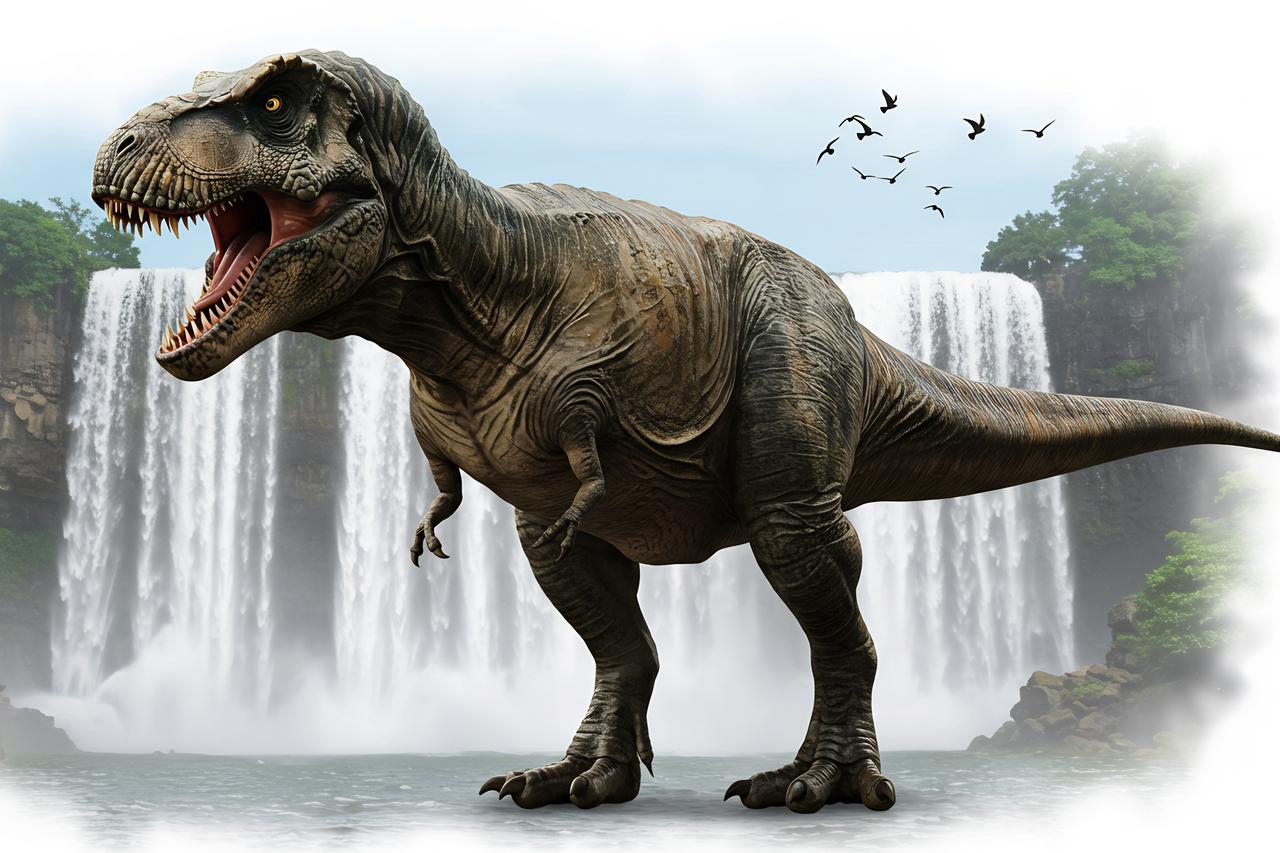


A new study offers what researchers say is the strongest explanation to date for a big question in paleontology: why did Tyrannosaurus rex have such small arms relative to its body?
The team from University College London and the University of Cambridge looked at 82 species of theropods, the group of meat-eating dinosaurs that includes T. rex. Their results suggest that T. rex's small arms were not just a side effect of its huge size but were closely linked to changes in its skull.
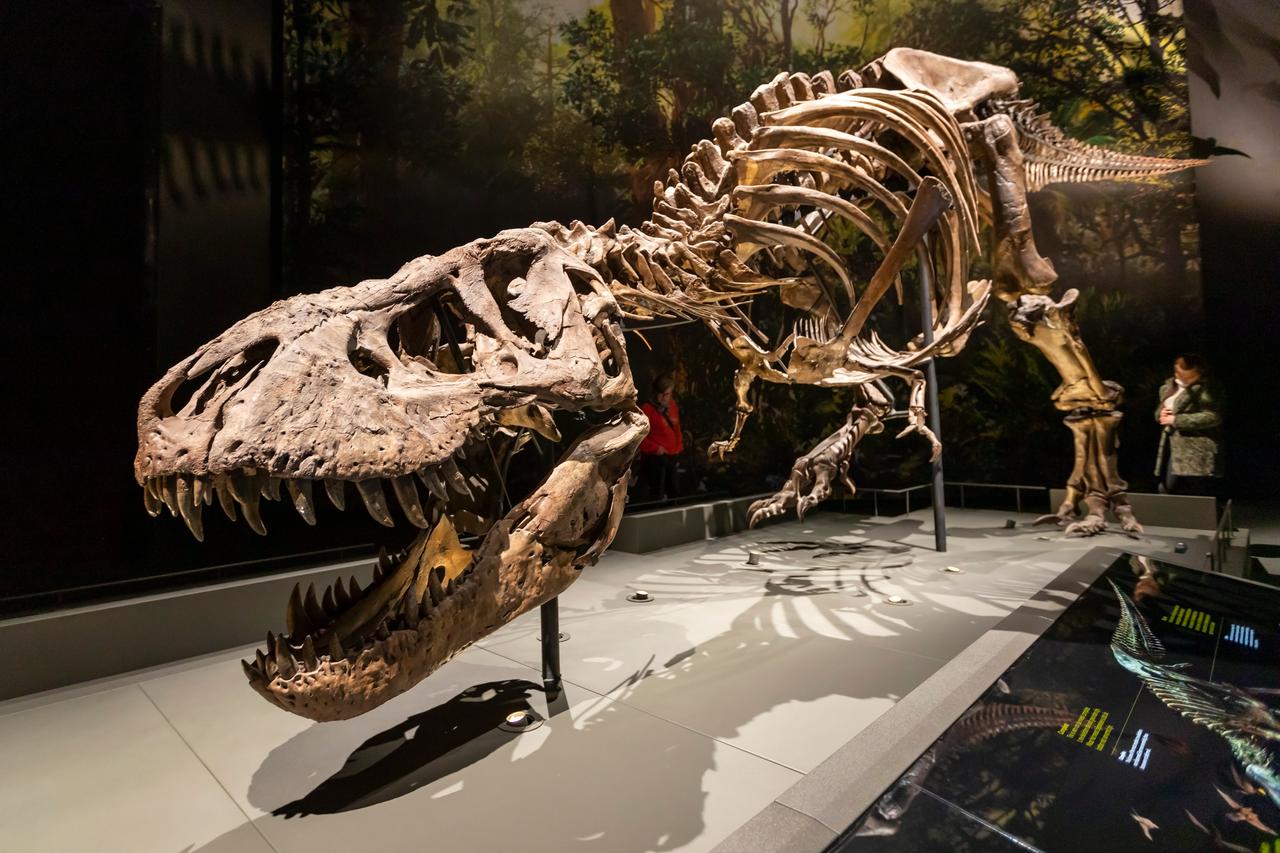

When the researchers studied fossils, they found a clear pattern among theropods: as their skulls grew larger and their jaws stronger, their arms grew smaller. For big hunters like T. rex, the head became the main weapon, and the arms became less useful over time.
T. rex is the most extreme example of this trend. Its skull was among the strongest ever found, capable of delivering one of the most powerful bites in history. Its teeth, which were serrated and about the size of a banana, could crush bone.
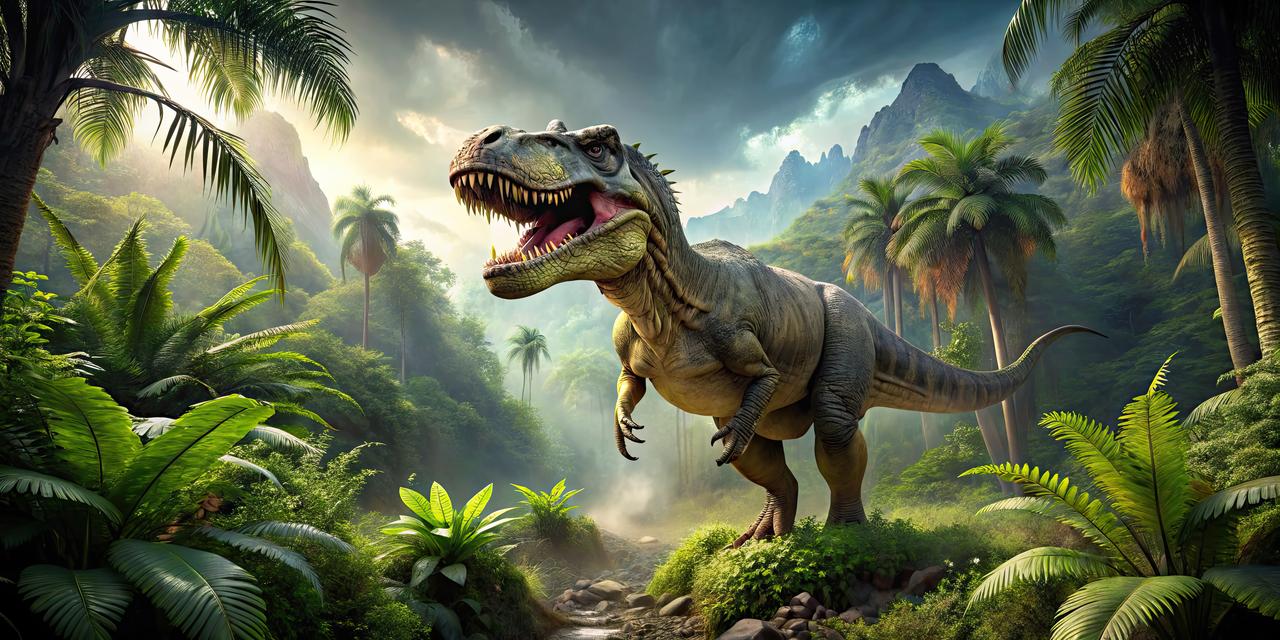
The scientists believe that changes in prey size were important in this evolutionary change. As large predators began hunting huge sauropods, long-necked, plant-eating dinosaurs weighing many tons, using arms to grab prey became less practical. Instead, biting and holding with the jaws worked much better.
The researchers suggest that this new way of hunting meant there was less need for large or strong arms, so over time, the arms became smaller.
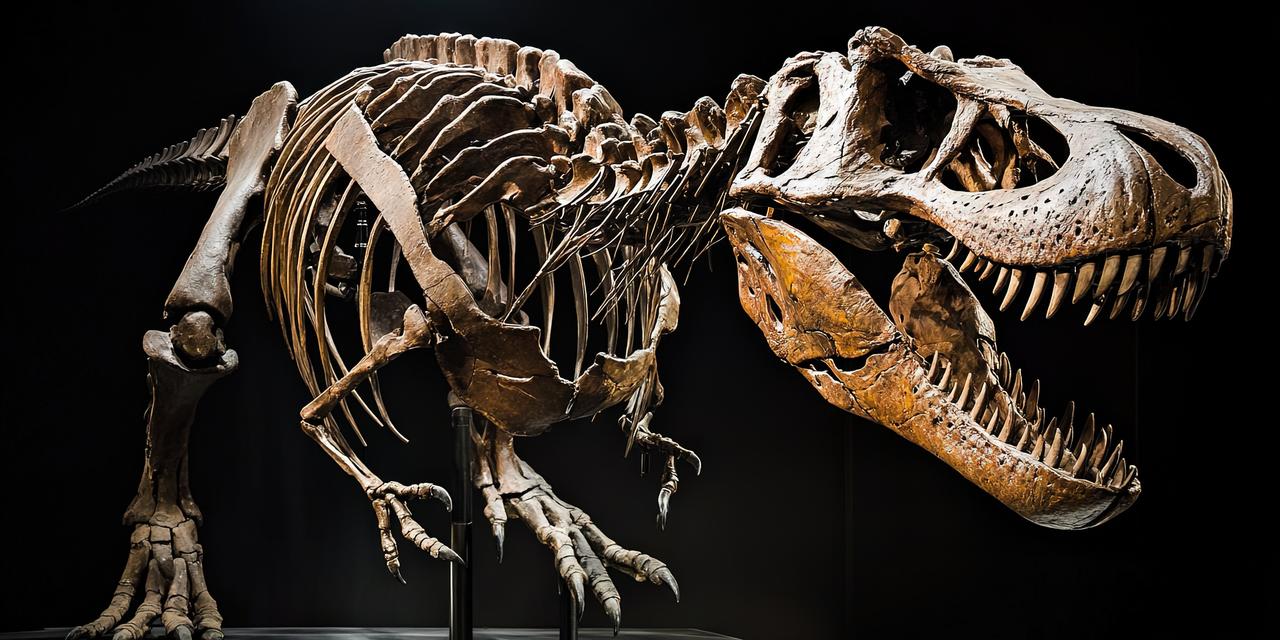
The study uses the 'use it or lose it' idea from evolutionary theory. This means that if a body part is no longer helpful for survival or reproduction, it often becomes smaller or disappears over time as the animal's energy is redirected to other functions.
In T. rex, the arms did not vanish completely and still had some use. Even though they were small, they were quite strong and muscular for their size. However, they were no longer the main way to catch or hold prey, since the powerful head had taken over that job.
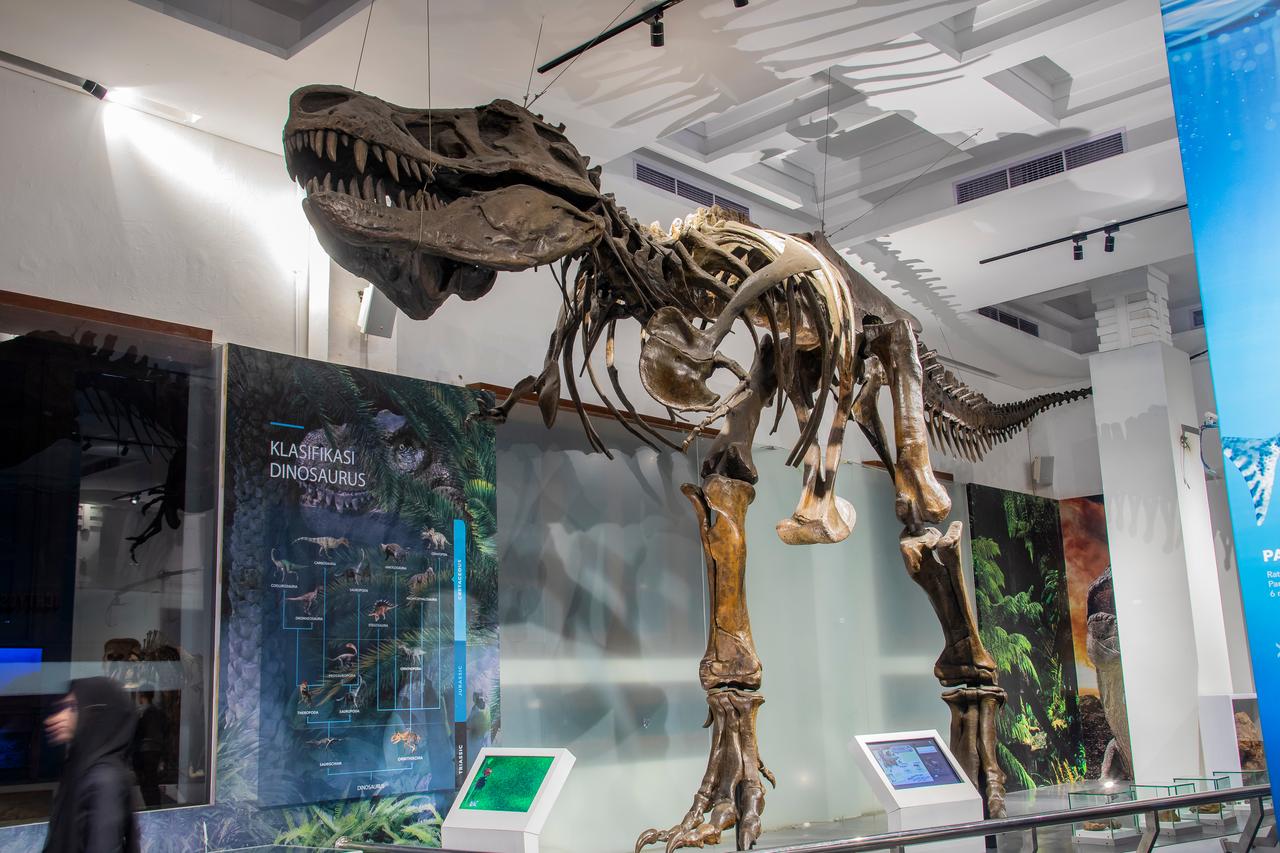
This research provides more detail on how large meat-eating dinosaurs evolved over millions of years. Instead of seeing T. rex's arms as a strange leftover, the study shows they fit into a bigger pattern seen in many related species.
The findings support the idea that evolution does not affect every part of the body in the same way. Different body systems can change at different rates and in different ways, depending on what the animal needs at different stages in its life cycle.
Researchers at UCL and the University of Cambridge carried out this study, adding to the growing research on how theropod dinosaurs moved and evolved.


 Set as preferred source
 Set as preferred source




 6 min read