Newsletters


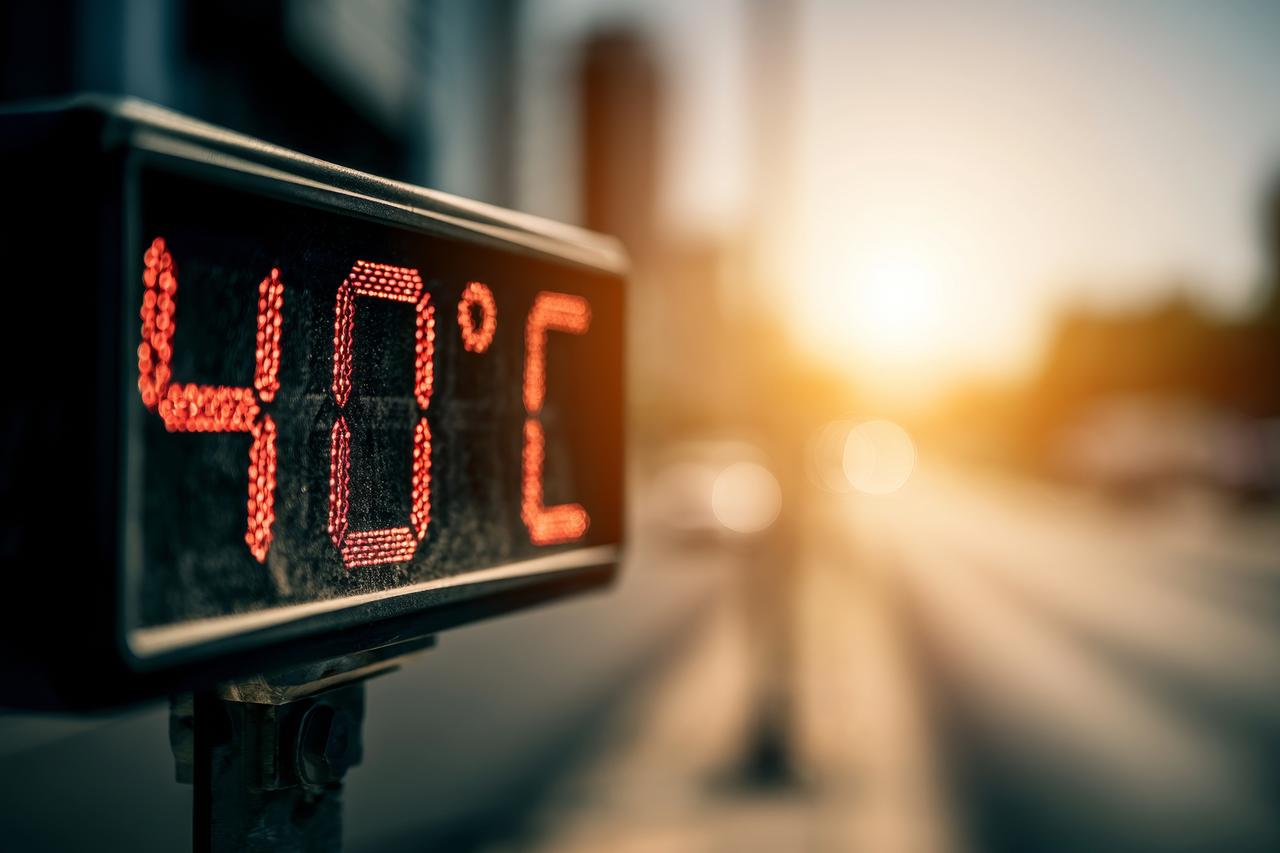


The World Health Organization (WHO) has warned that if global warming exceeds 1.5 degrees Celsius (34.7 degrees Fahrenheit), as set by the Paris Agreement, it could cause serious health problems, especially for the most vulnerable people worldwide.
Dr. Tasnim Atatrah, WHO representative and head of office in Türkiye, told Anadolu that climate change is not just an environmental issue but also a growing public health crisis affecting people worldwide.
She explained that climate change is playing a bigger role in future disease rates, health security, and how well health systems can cope, with effects that can show up in many different ways.
Atatrah called the 1.5°C target a crucial limit for public health and warned that exceeding it could have serious, wide-ranging effects.
She said, 'If global warming exceeds 1.5 degrees, we are likely to see more frequent and severe extreme weather events, rising heat-related mortality, increasing pressure on food and water systems, and greater risks of disease outbreaks and displacement.'
She added that the health impacts would be especially serious for vulnerable groups, such as older people, children, those with chronic illnesses, and communities already facing social or economic difficulties.
She also said that hospitals and emergency health services could be overwhelmed during extreme weather, as problems like supply chain disruptions, damaged infrastructure, and loss of electricity or water would make it harder to meet both immediate and long-term care needs.
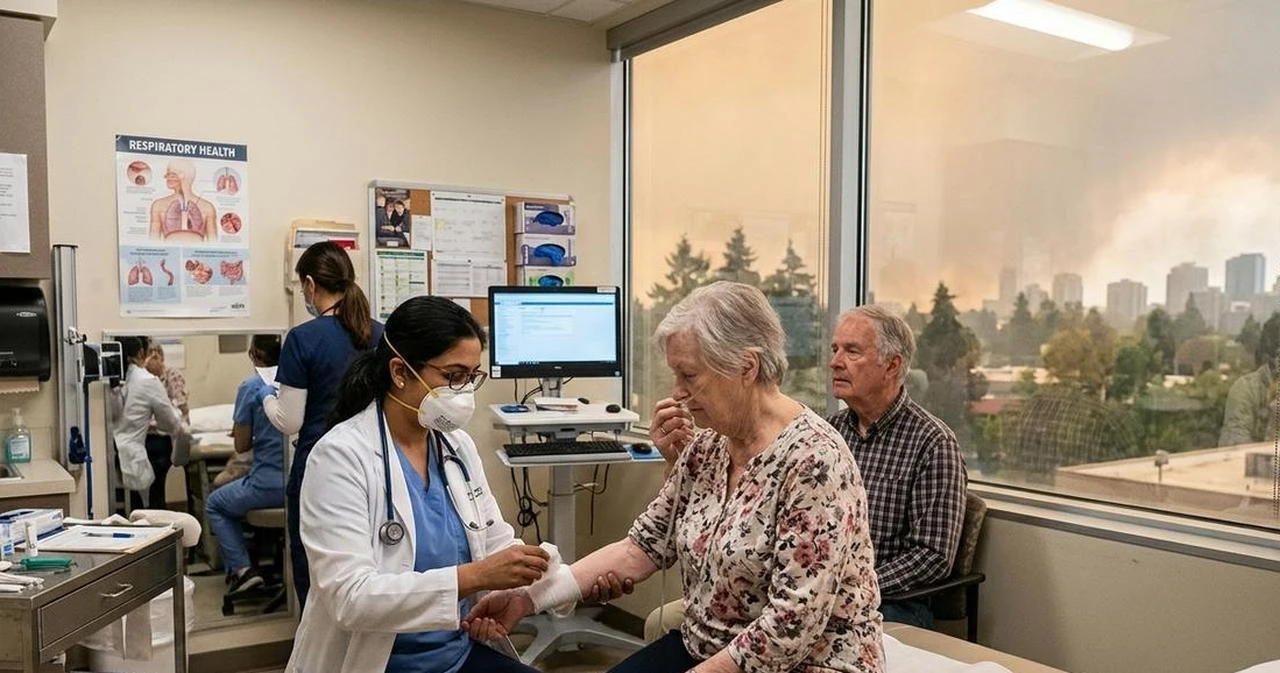

Atatrah said health systems need to handle not just emergencies but also the ongoing effects of climate change, such as more infectious diseases, illnesses caused by air pollution, worsening mental health, and more severe chronic conditions.
She said that in recent years, the health impacts of climate change have become much clearer. However, she pointed out that health issues still need to be given greater prominence in climate talks and action plans.
She argued that health is one of the strongest reasons to take climate action, since people feel the effects of climate change directly in their daily lives and communities.
Atatrah said Türkiye has shown strong leadership in resilience, preparedness, sustainable development, and the protection of public health.
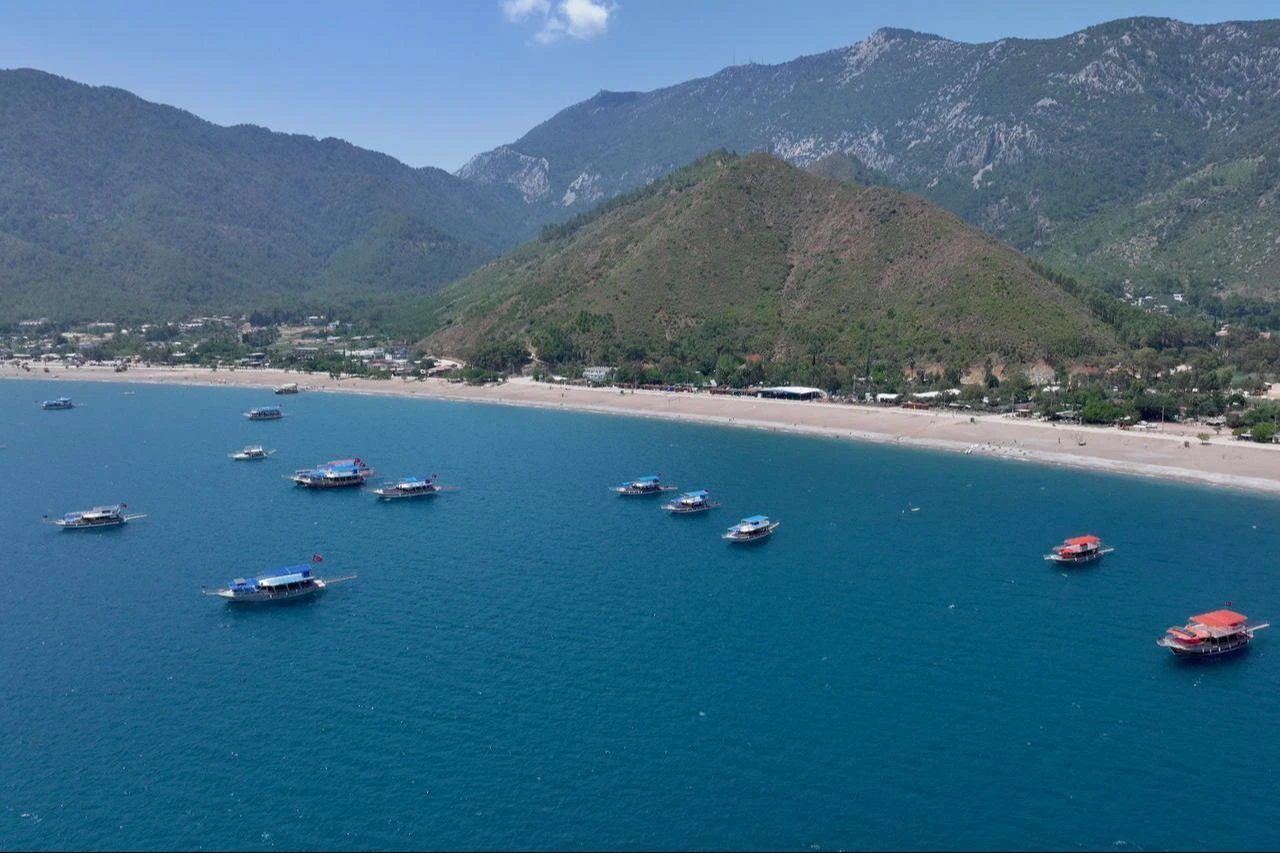
She described the chance to host COP31 in Antalya as an important opportunity to advance the global conversation on climate and health.
She noted that Türkiye's health ministry has been investing more in emergency preparedness and building up health system capacity.
Ongoing work on health security and environmental health is also helping to make these topics a bigger part of climate discussions.
Atatrah said the Mediterranean region is facing more climate-related problems, such as higher temperatures, water shortages, wildfires, and other environmental challenges. Because of this, Antalya has both symbolic and strategic importance as a possible host city for COP31.
She said that holding the summit in Antalya could help send a clear message: climate action is really about protecting people, health, and the future of communities.
She added that it would also give Türkiye a chance to showcase its experience in integrating climate resilience, health systems, water security, environmental sustainability, and emergency preparedness.


 Set as preferred source
 Set as preferred source


 2 min read