

 Newsletters


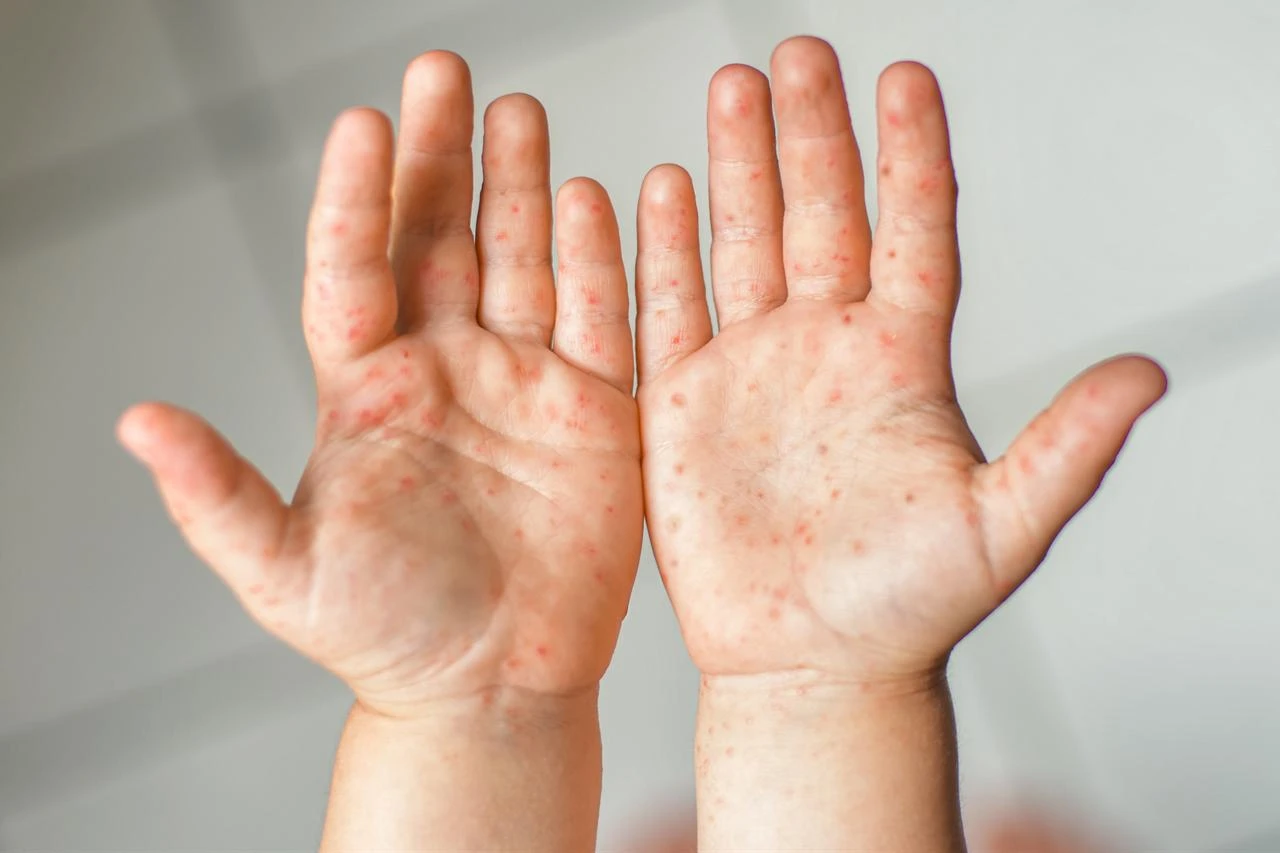


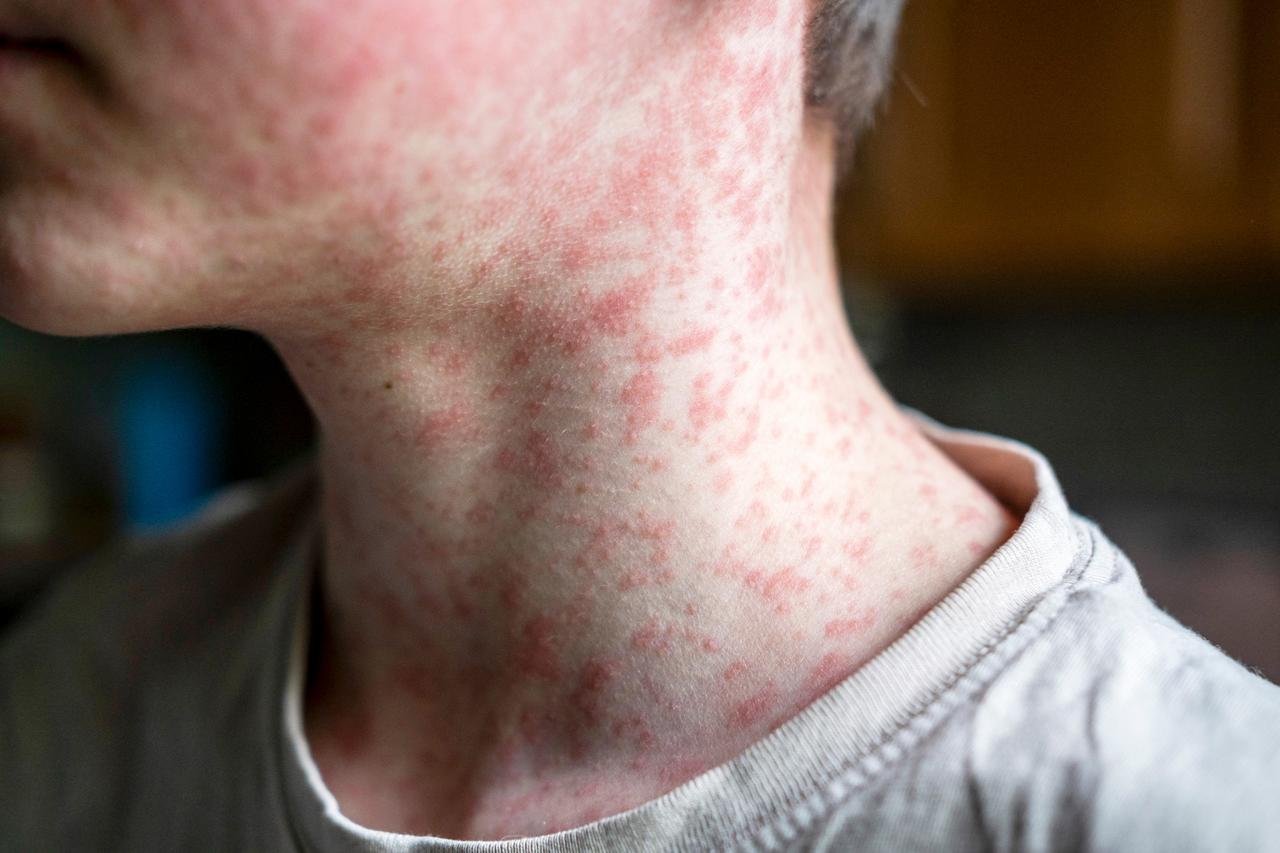
A preliminary scientific investigation has found no evidence that genetic changes in measles viruses circulating in Bangladesh are reducing vaccine effectiveness during the country's ongoing outbreak.
The study was conducted by the International Center for Diarrhoeal Disease Research, Bangladesh (ICDDRB) amid concerns that the scale of the outbreak could point to weakened vaccine protection.
Bangladesh's capital, Dhaka, has been at the center of the response as the Health Ministry works to contain the spread.
On Sunday, authorities reported four additional deaths among children with measles-like symptoms, raising the total number of measles and suspected measles deaths since mid-March to 844, including 96 laboratory-confirmed measles fatalities.
More than 1,100 new infections were also recorded, bringing the total number of suspected cases to more than 130,000 and confirmed cases to 16,295.
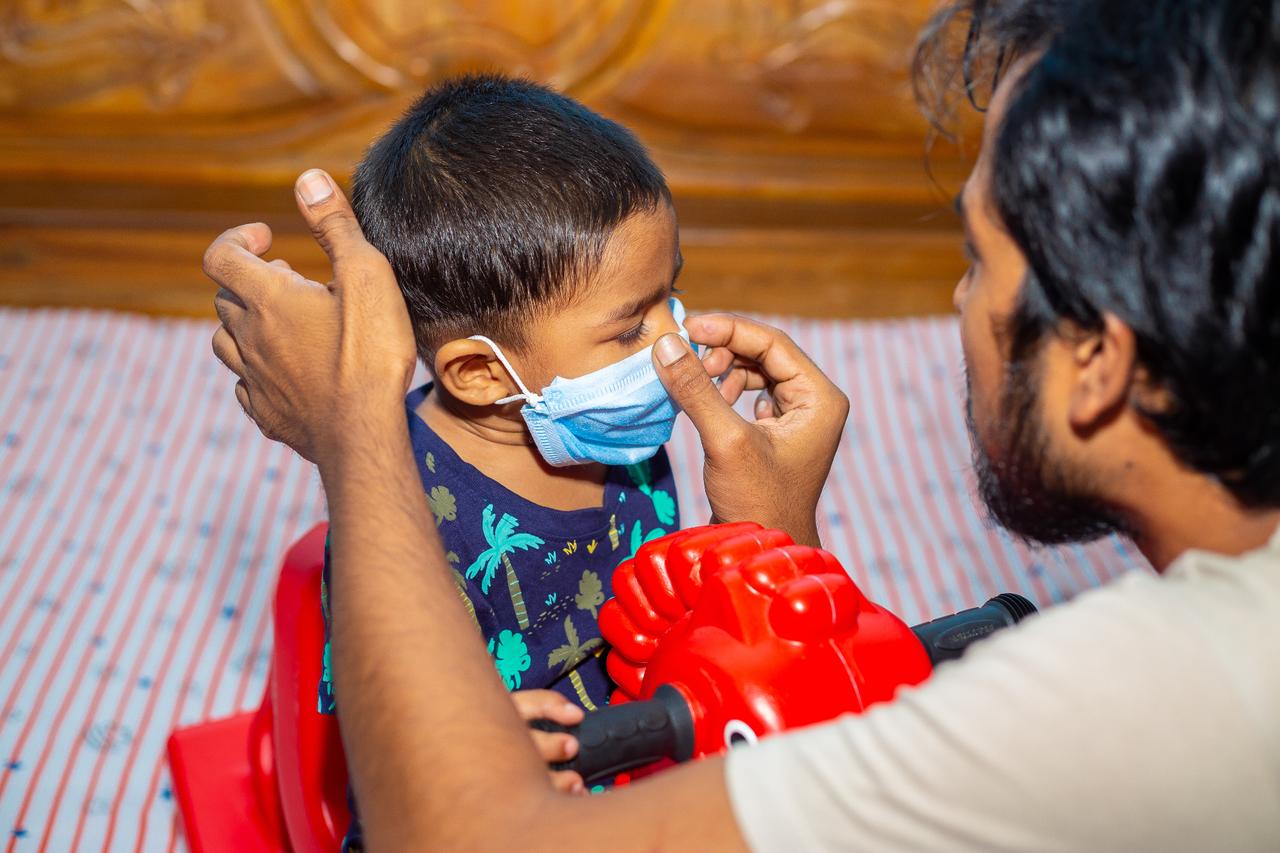
Since April 5, the Health Ministry has vaccinated more than 18.48 million children in a nationwide campaign, in addition to routine immunization.
 1 min read
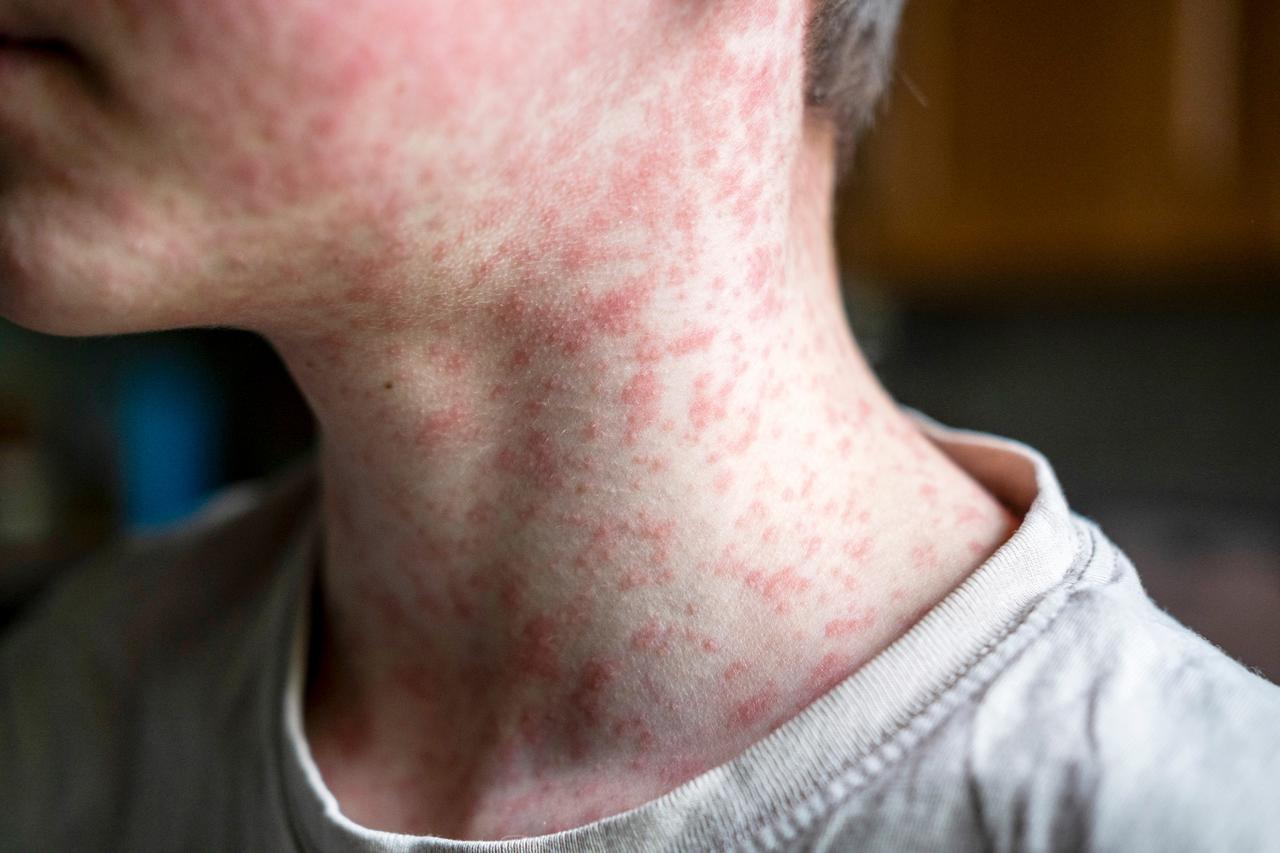
Researchers from ICDDRB and the Bangladesh Shishu Hospital and Institute examined 341 children with suspected measles between April 20 and May 21.
Among 146 infants younger than nine months, too young for routine vaccination, 142 tested positive for measles.
Among 126 unvaccinated children aged nine months or older, 122, or 97%, tested positive. Of 48 children who had received one vaccine dose, 44, or 92%, tested positive, while among 21 children who had received both recommended doses, 16, or 76%, tested positive.
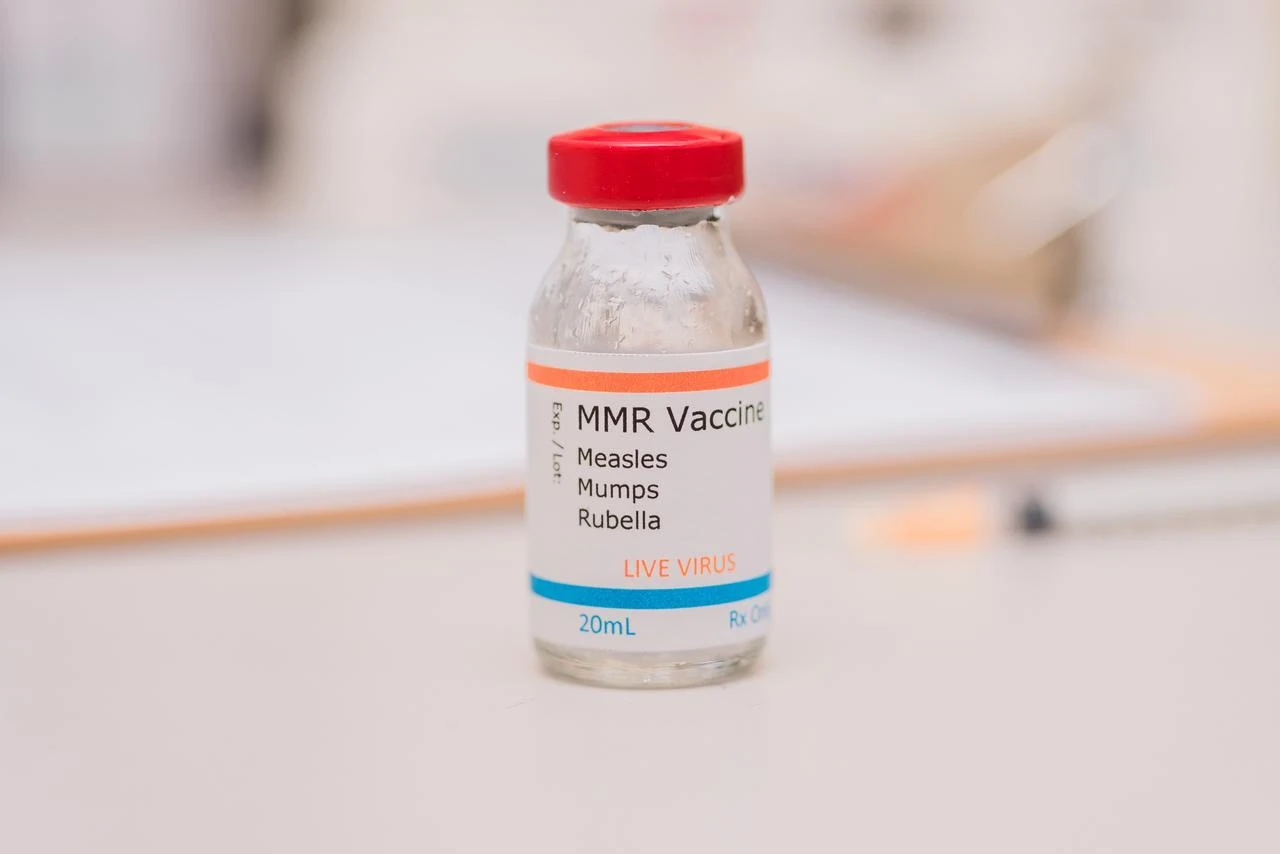

Whole-genome sequencing was performed on 55 virus samples, identifying four mutations. All four had previously been reported elsewhere and remained recognizable to antibodies, the study found, suggesting they were unlikely to reduce vaccine protection.
Researchers recommended further laboratory testing to determine whether the mutations have any measurable effect on antibody responses.
Dr. Mustafizur Rahman, a senior director at ICDDRB, said vaccination remains the most effective way to prevent measles and reduce the risk of severe illness, adding that further understanding is needed on why the outbreak grew so large despite comparatively high reported national vaccination coverage.
Measles remains one of the world's leading causes of vaccine-preventable deaths among children.


 Set as preferred source
 Set as preferred source


 1 min read


