Newsletters


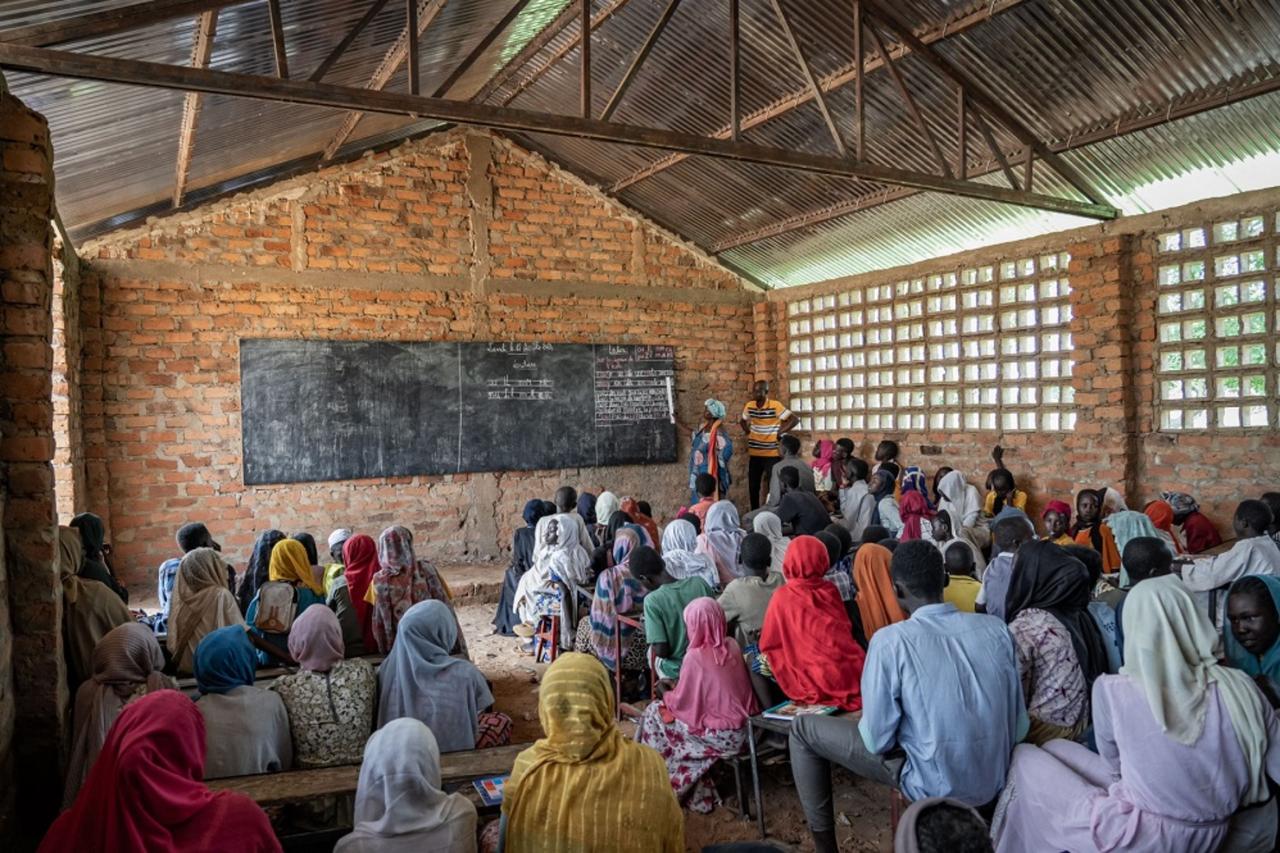


Millions of children in Sudan have missed nearly 500 days of learning since the war began in April 2023, in what Save the Children describes as one of the world’s longest periods of school closures, longer than the most prolonged shutdowns recorded during the COVID-19 pandemic.
Save the Children said in a report published on Thursday that the prolonged disruption has created one of the longest school closures in modern history, even surpassing the school shutdowns seen during the COVID-19 pandemic.
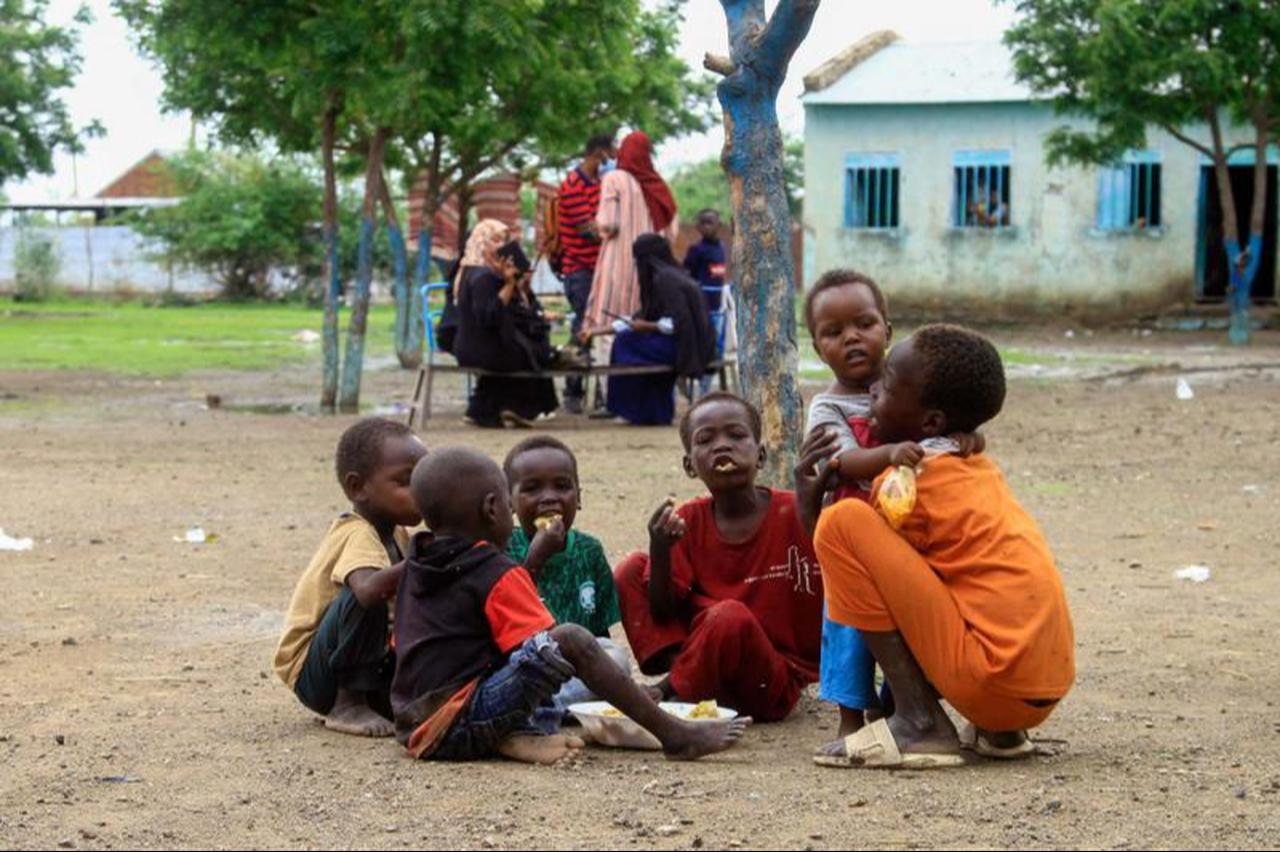

Across Sudan, more than 8 million children, nearly half of the country’s 17 million school-aged children, have spent about 484 days without entering a classroom, Save the Children said.
The organization said the disruption is 10% longer than the approximate 440 classroom days lost during the longest COVID-19 school closures in the Philippines, which it described as the last country to resume regular face-to-face schooling after the pandemic.
Save the Children added that few modern conflicts have closed schools this long, framing Sudan’s experience as exceptional in scale and duration and among the longest on record.
Save the Children said that, unlike during COVID-19, remote learning is not an option for most children in Sudan.
It linked this to the nature of the emergency, saying more than 1,000 days of fighting have disrupted education nationwide, shattered families and destroyed communities.
The organization said Sudan is now facing one of the worst education crises in the world, with many schools closed and others either damaged by the conflict or used as shelters for displaced families.
The result, it said, is that many children no longer have safe places to learn and millions are increasingly unlikely to ever complete their studies.
The education shutdown is particularly acute in areas where conflict is ongoing, Save the Children said.
In North Darfur, the organization described the situation as most severe, reporting that only 3% of more than 1,100 schools are open.
It also cited additional state-level operating rates, attributed to data from Sudan’s education cluster that is due to be released this week, showing that schools are operating at 15% in West Kordofan, 13% in South Darfur, and 27% in West Darfur.
Save the Children said the education crisis is being compounded by the condition of the system itself.
Many teachers, it said, have not received salaries for months, severely damaging morale and forcing some to abandon their jobs.
Without immediate funding to pay and train teachers, restore learning spaces and provide essential learning supplies, Save the Children warned that Sudan’s education system risks a total breakdown.
The organization described education in crisis settings as lifesaving, saying it protects children from violence, sexual and gender-based abuse, exploitation and recruitment into armed groups.


 Set as preferred source
 Set as preferred source



 2 min read