Newsletters


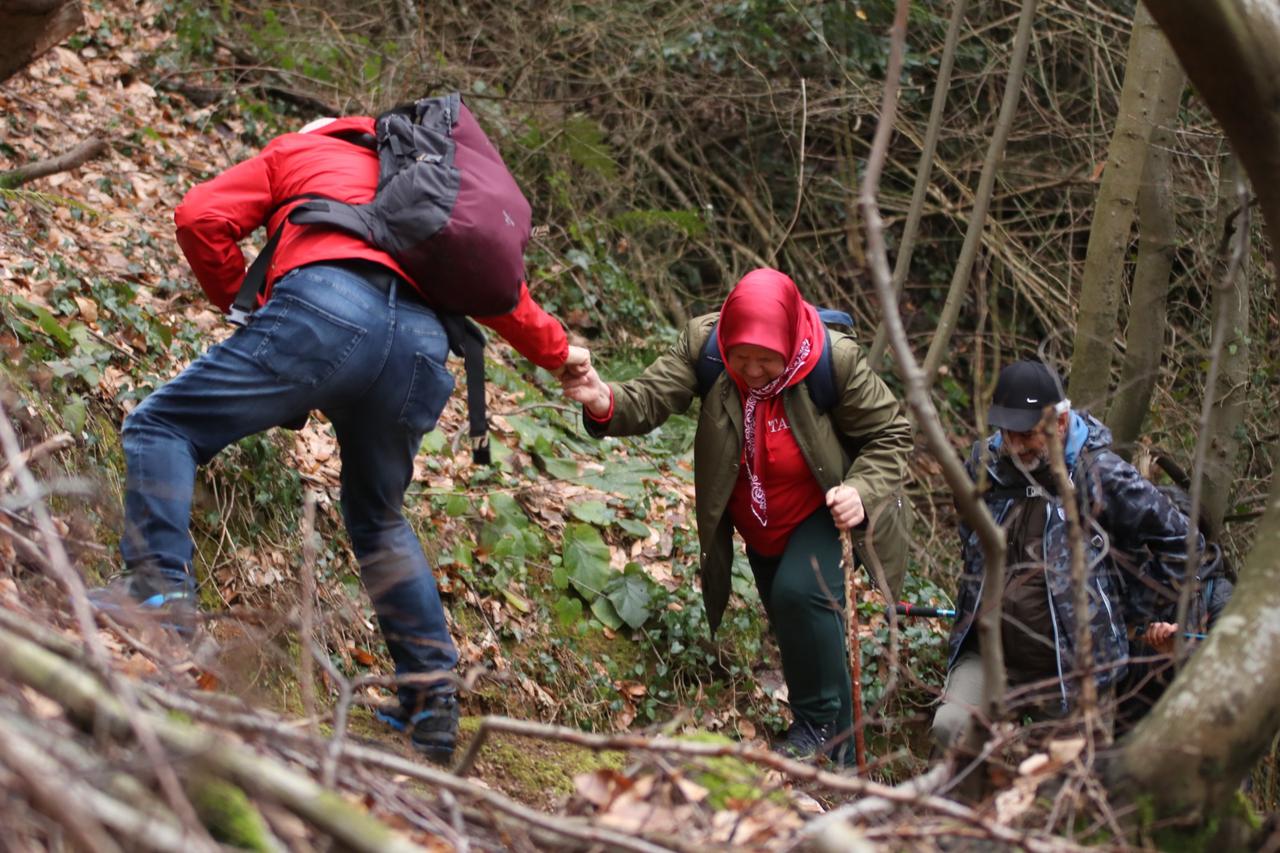


The Sufi Trail is an 801-kilometer (498-mile) long-distance walking and cycling route in western Türkiye that follows the old Ottoman Hajj pilgrimage road to Mecca, linking Istanbul with Konya, the final resting place of the 13th-century Sufi mystic Mevlana Jalal ad-Din Rumi. Designed as a faith, culture, and nature route, the trail brings back to life a journey that dervishes and scholars once set out on for centuries, while also opening up a slow, immersive way to travel for modern international visitors.
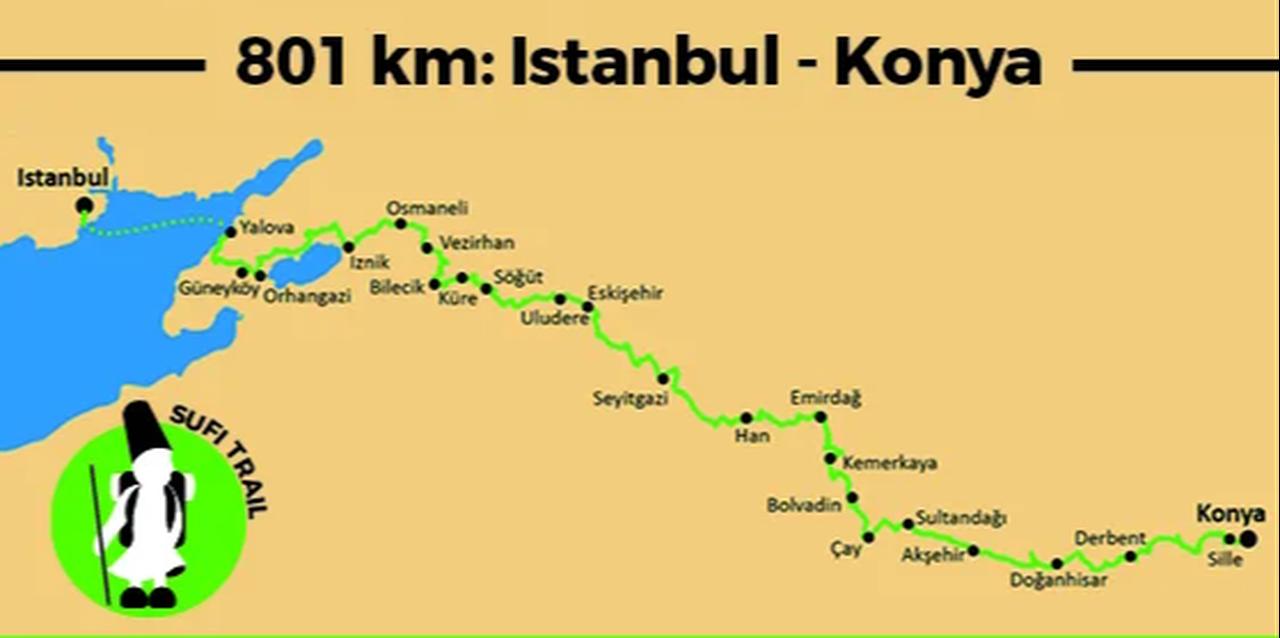

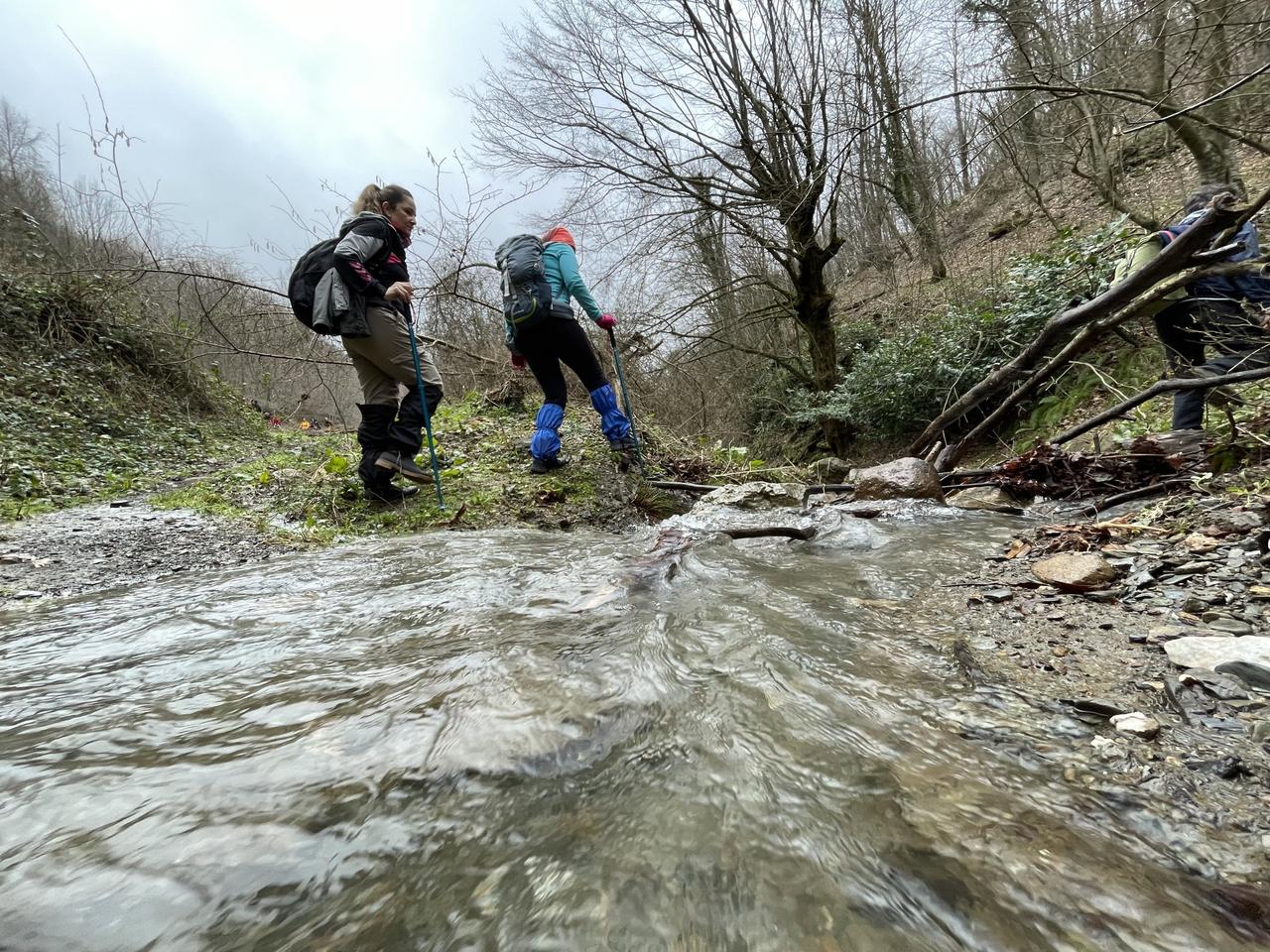
Running from west to east, the Sufi Trail retraces paths that were traditionally used by wandering dervishes on their way to Konya and further on to Jerusalem and Mecca. The story of the Hajj pilgrimage, kept alive for more than a thousand years in the landscape and collective memory of the region, is at the heart of the route. By moving through villages, mountains, forests, and historic towns, travelers are invited to connect with a living heritage that is still shared by millions of people around the world.
The trail is presented as a place of encounter rather than separation. It brings people of different faiths and cultural backgrounds together, encouraging respect for diversity while highlighting common origins and shared values. Within this framework, Sufism is described as a uniting soft power that speaks through tolerance, hospitality, and spiritual reflection.
The recommended direction is from Istanbul to Konya, as this places the more demanding climbs toward the end of the journey. The trail begins in Istanbul’s Eyup district, at the Eyup Sultan Mosque, a major spiritual landmark linked to a companion of the Prophet Muhammad (pbuh). From there, pilgrims usually cross the Sea of Marmara by ferry to the coastal city of Yalova, where many choose to begin walking or cycling outside the dense urban environment.
From Yalova, the route passes through the provinces of Bursa, Bilecik, Eskisehir, Afyonkarahisar, and finally Konya. Along the way, it connects forests, mountain passes, thermal areas, and agricultural plains with towns shaped by Anatolia’s layered past. The journey typically takes between 30 and 40 days, depending on pace and chosen stages, with an average daily distance that allows time to take in both the landscape and local life.
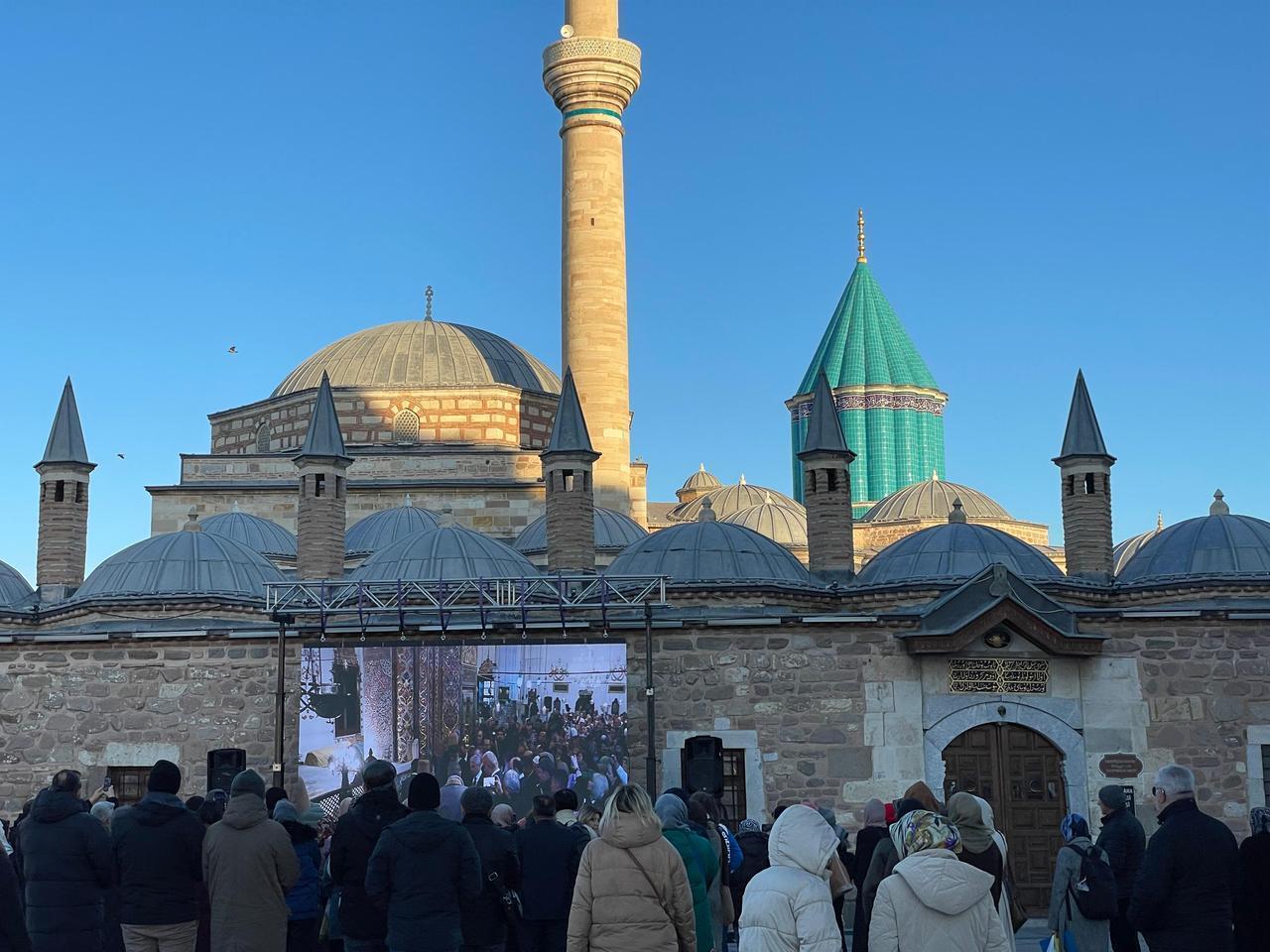
The Sufi Trail links a series of spiritual, historical, and cultural highlights that help travelers understand the depth of Anatolian Sufism. Among the most notable points are the Galata Mevlevi Lodge in Istanbul, the Sufi complexes of Seyitgazi, the Nasreddin Hodja sites in Aksehir, and the Mevlana Museum in Konya, where Rumi’s tomb has long functioned as a place of pilgrimage.
Beyond these major landmarks, the trail also passes the historic town of Iznik, known for its religious councils and ceramics, the old city of Eskisehir, and Phrygian-era monuments such as the Midas Monument at Yazilikaya. Other stops include former Silk Road towns, religious schools, Turkish baths, underground settlements, and villages that still preserve traditional guest rooms for travelers.
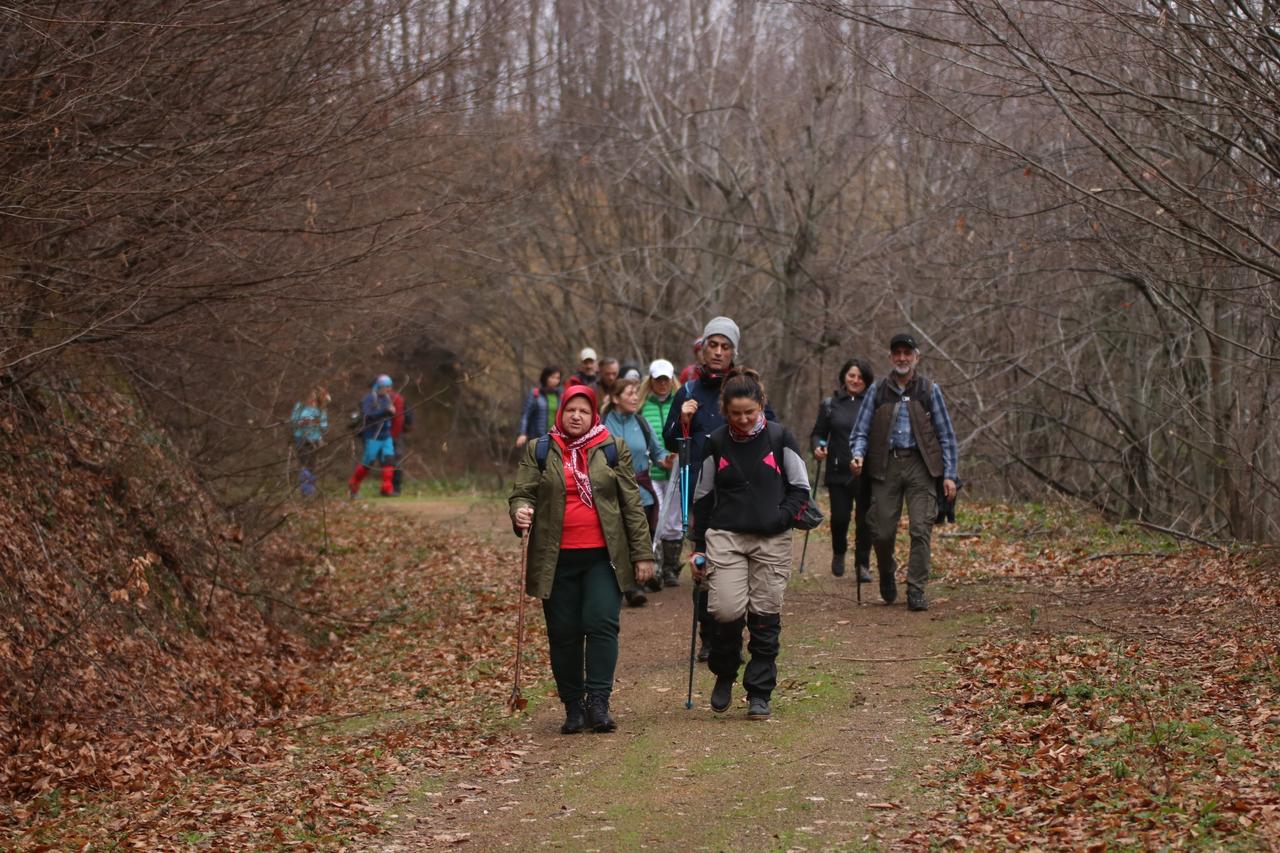
For foreign visitors, Istanbul serves as the main gateway. The city has two international airports, Istanbul Airport (IST) on the European side and Sabiha Gokcen Airport (SAW) on the Asian side. Many travelers from Europe and several other regions do not need a visa to enter Türkiye, while those who do are advised to use the official e-Visa system.
From Istanbul, travelers can reach Eyup Sultan by public transport or take a ferry to Yalova from Yenikapi or Pendik ports. Yenikapi is often recommended because it aligns more directly with the onward route. Digital navigation tools, GPX and KML files, and guidebooks are available, along with a starter package that includes a Sufi Trail passport used to collect stamps along the way.
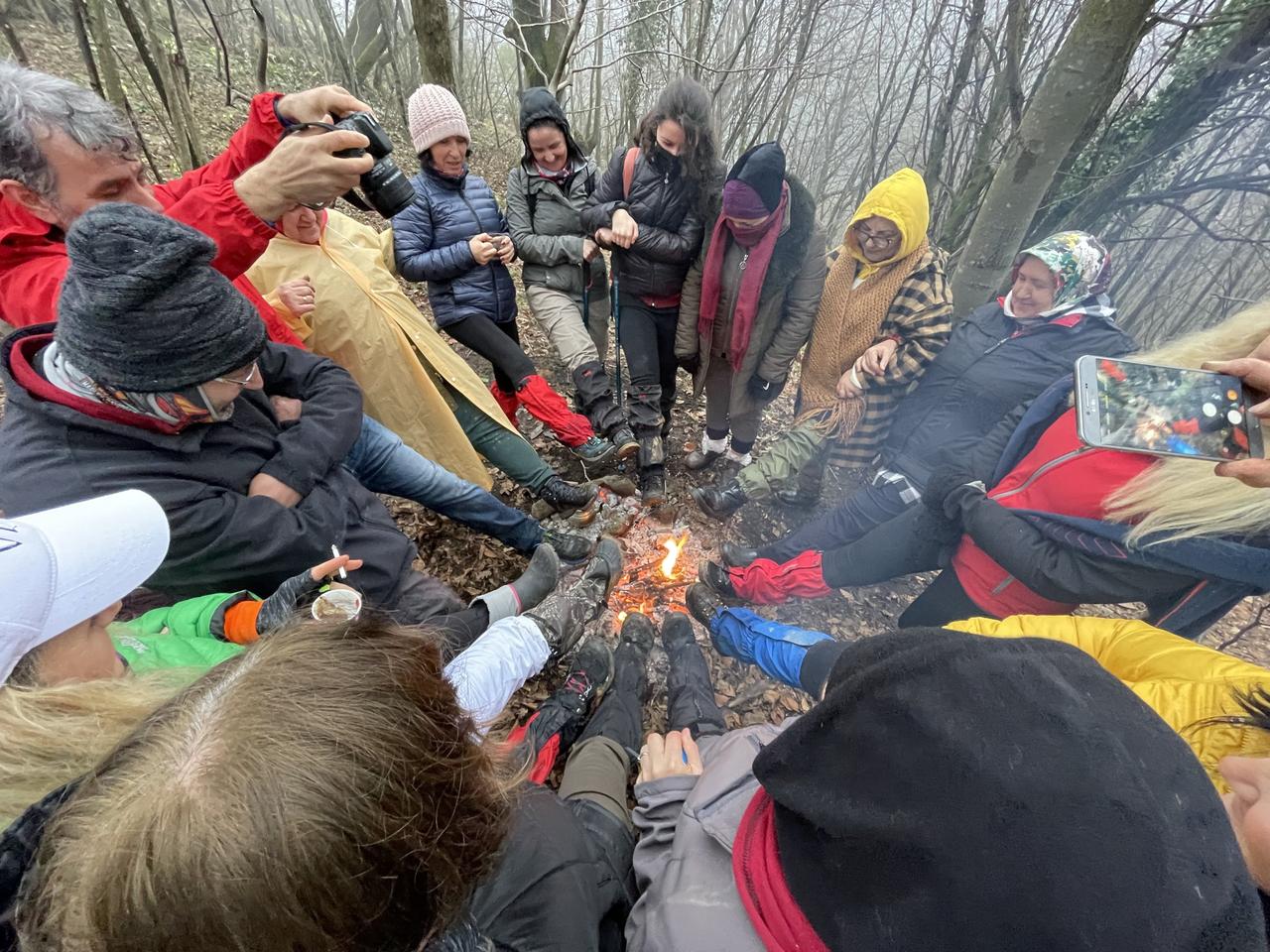
A defining feature of the Sufi Trail is the network of local supporters often referred to as “road angels” or “trail friends.” Villagers, small businesses, and cafes along the route offer guidance, accommodation, and simple acts of hospitality that turn the journey into a shared experience. Stops such as the Mimoza Bicycle Cafe in Aksehir function as informal hubs where travelers can rest, collect stamps, and pick up trail-related souvenirs.
The trail also serves as a platform for sustainable tourism and local economic development. By directing travelers into lesser-known rural areas, it helps spread tourism income beyond major destinations and revives traditions such as village guest rooms. Organizers have emphasized that participants travel independently, cover their own expenses, and contribute directly to local economies as they move from settlement to settlement.
 1 min read

The modern description of the route was first set out in the two-part book "Sufi Trail: 40 Days to Dervishhood," published in 2018 by Iris Bezuijen and Sedat Cakir, who developed the trail to draw attention to faith and culture tourism in Türkiye. Since its launch, the route has attracted walkers and cyclists from countries including Canada, the Netherlands, Germany, Austria, Brazil, and the United Kingdom.
By blending guidance with freedom, physical challenge with contemplation, and history with present-day life, the Sufi Trail stands out as both a pilgrimage route and a practical long-distance journey. For international travelers seeking to slow down and walk through the spiritual and cultural heart of Anatolia, it offers a clear path laid out step by step, all the way to Konya.


 Set as preferred source
 Set as preferred source




 1 min read