Newsletters


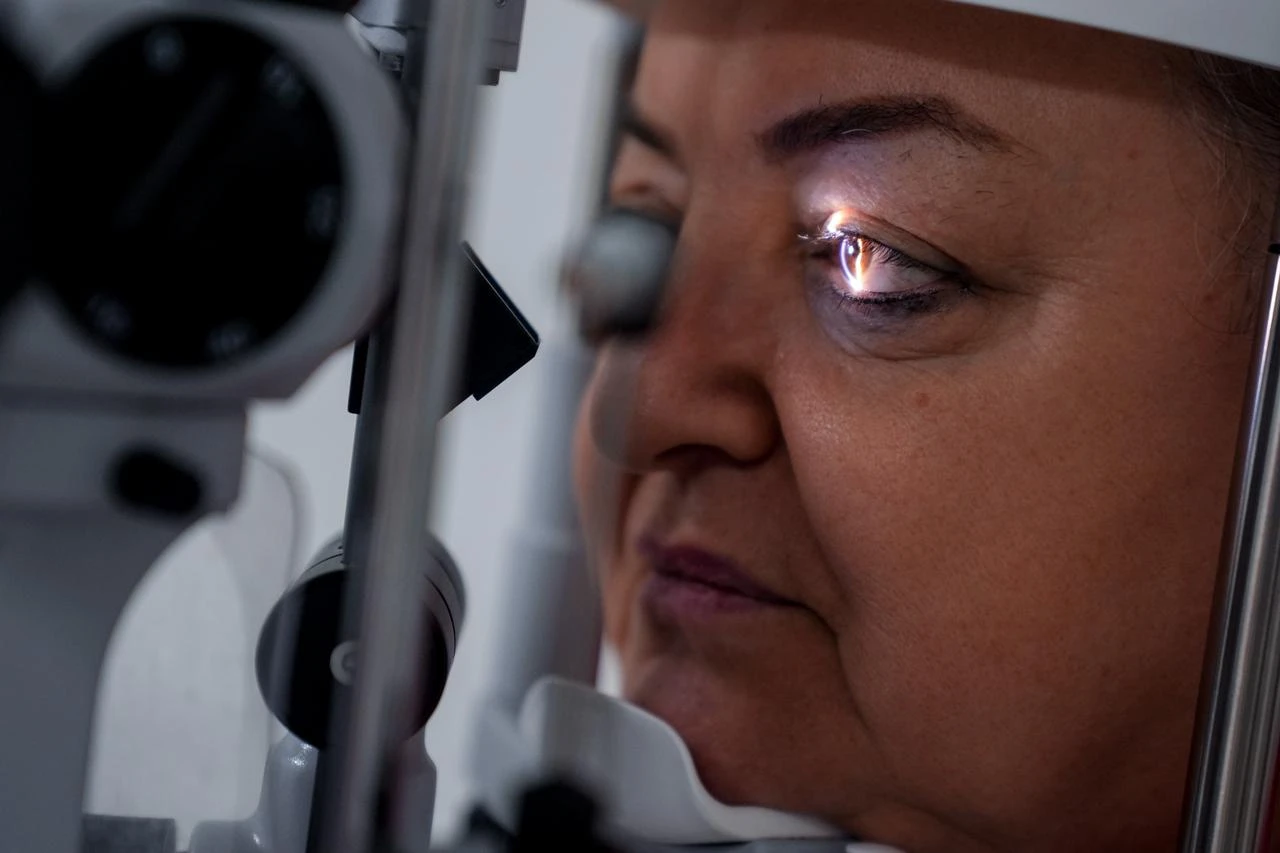


Swimming in the sea or a pool while wearing contact lenses can lead to serious corneal infections and potentially permanent vision loss if treatment is delayed, a Turkish eye specialist has warned.
Associate Professor Cigdem Coskun from Bilkent City Hospital's Ophthalmology Clinic said bacteria, parasites and other microorganisms found in water can stick to contact lenses and set off an infection called keratitis.
Keratitis is inflammation of the cornea, the transparent outer layer at the front of the eye that helps focus light. In severe cases, the infection can spread into deeper layers of the eye and permanently damage vision.


Coskun said contact lens users should take particular care when entering pools or the sea because lenses can trap microorganisms against the surface of the eye.
"These infections can sometimes become severe and cause permanent vision loss. For this reason, we definitely do not recommend that contact lens users enter the sea or a pool while wearing their lenses," she said.
She added that summer patients commonly come in with itching, burning, stinging, redness and eye discharge. Poorly maintained pool water can also cause conjunctivitis, which is irritation and inflammation of the membrane covering the eye's surface.
Contact lens users who develop severe pain, redness, stinging, or persistent discharge should see an eye doctor, Coskun said.
When treatment is put off, the infection may move into deeper parts of the eye and bring about serious vision loss.
Anyone who enters the water while wearing contact lenses should throw them away afterward rather than use them again, she added.
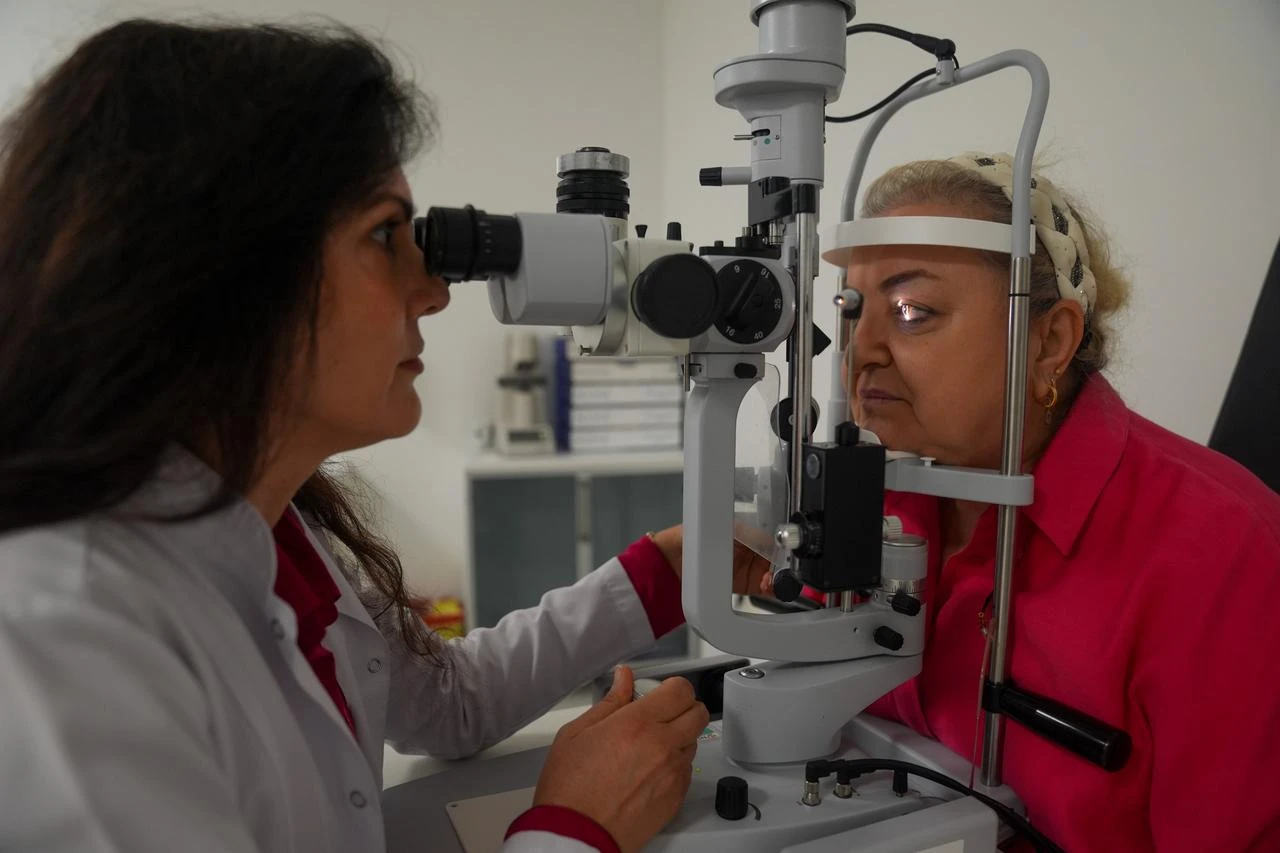
Coskun recommended wearing swimming goggles in both pools and the sea to reduce exposure to potentially harmful microorganisms.
She also explained that pool-related irritation is not caused directly by chlorine but by chloramine, a substance that forms when chlorine mixes with sweat or urine. Showering before entering a pool can help limit this process.
People who already have redness, discharge or other signs of an eye infection should stay out of pools, as swimming may worsen their condition and allow the infection to spread to others.
Coskun also warned that stronger exposure to ultraviolet rays during summer can contribute to retinal damage, cataracts and other eye conditions.
She recommended certified sunglasses offering 100% UV protection.
Spending long periods in air-conditioned rooms can also speed up the evaporation of tears and lead to dry eyes. Humidifiers may help, while artificial tear drops should be used under a doctor's guidance when necessary.


 Set as preferred source
 Set as preferred source




 6 min read