

 Newsletters


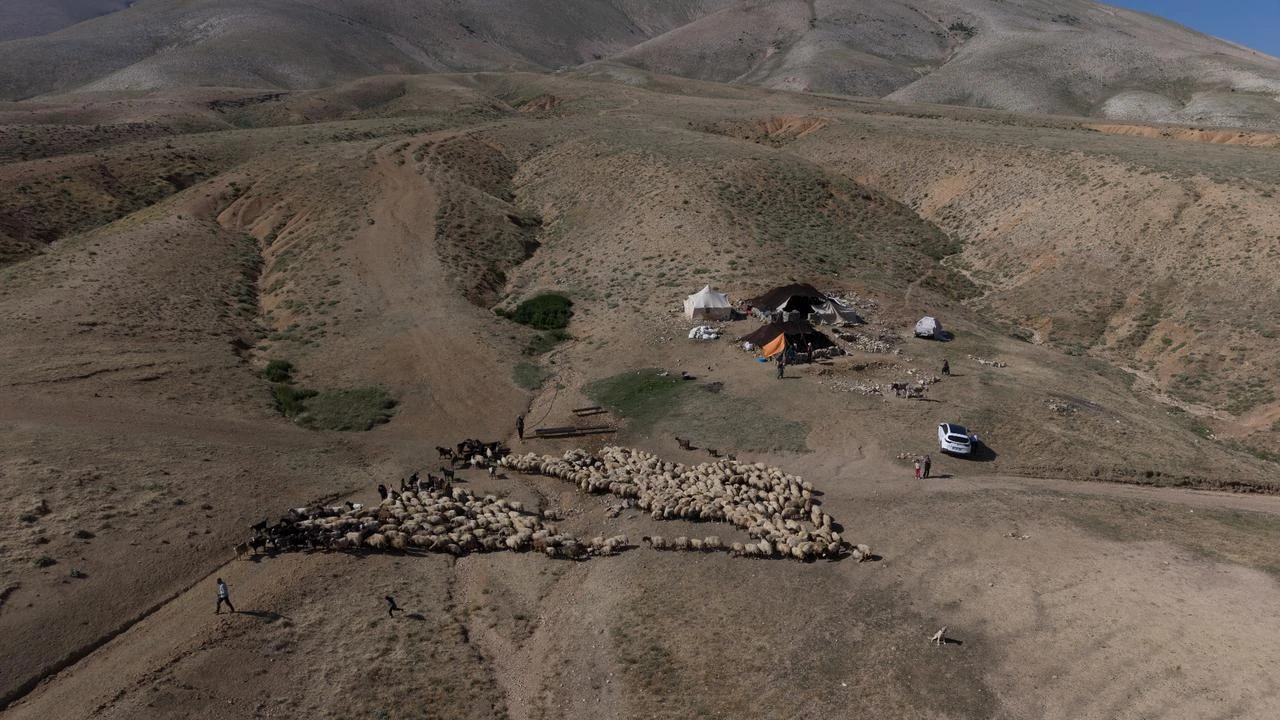
The expansive, rugged landscapes of the Akdag Plateau in the Tut district of Adiyaman, Türkiye, remain a place where the ancient rhythms of nomadic life persist, despite the rapid encroachment of modern technology.
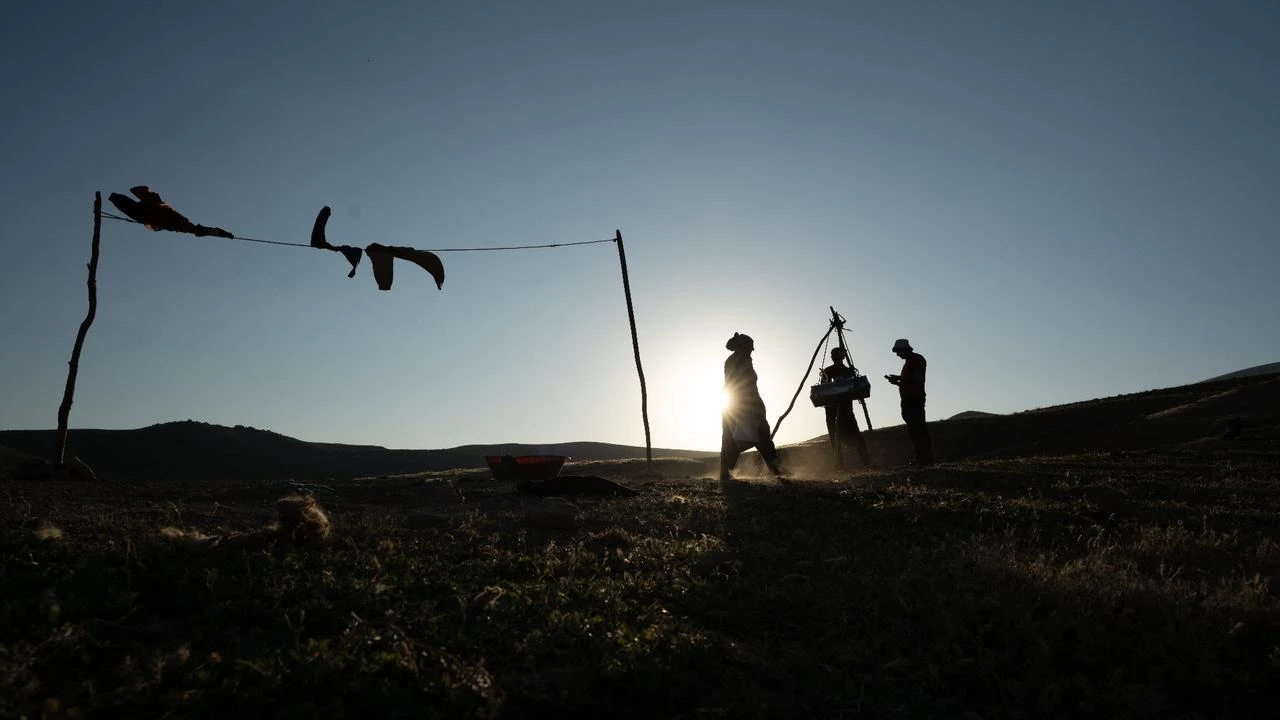
The vast pastures serve as a temporary home for a resilient group of traditional families who represent the last generation committed to the demanding lifestyle of seasonal livestock herding.
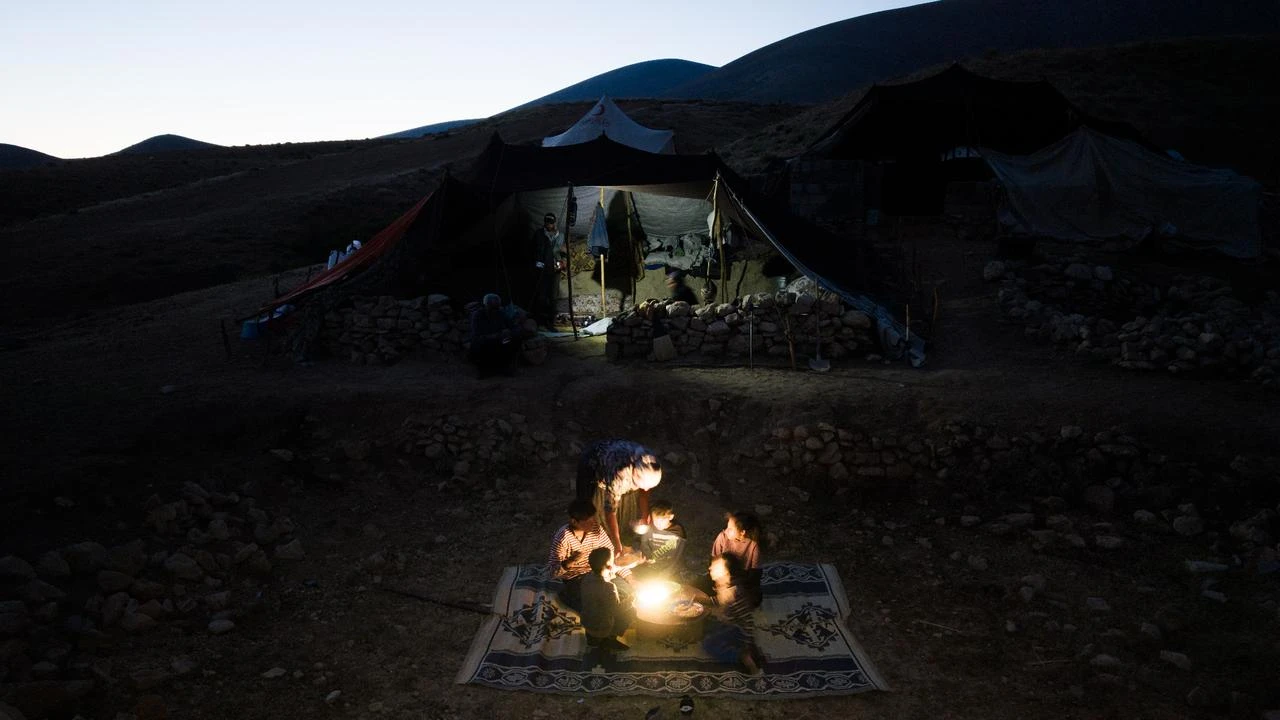
As modernization, rising economic costs, and changing societal values redraw the cultural map of Adiyaman, only a handful of traditional households continue to migrate to these high-altitude terrains each year.
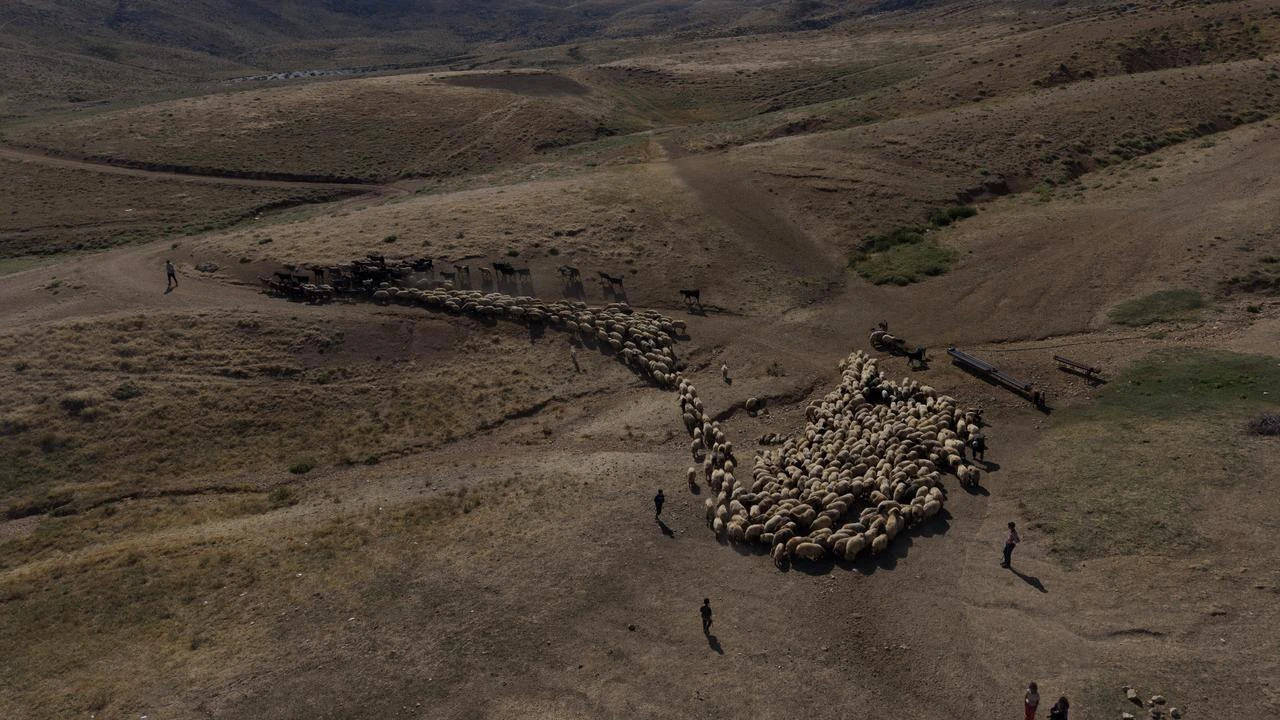
The seasonal migration begins as the summer heat intensifies, prompting families to move their extensive flocks from the lowlands of Besni and Malatya up to the cool, fertile grasslands of the plateau.
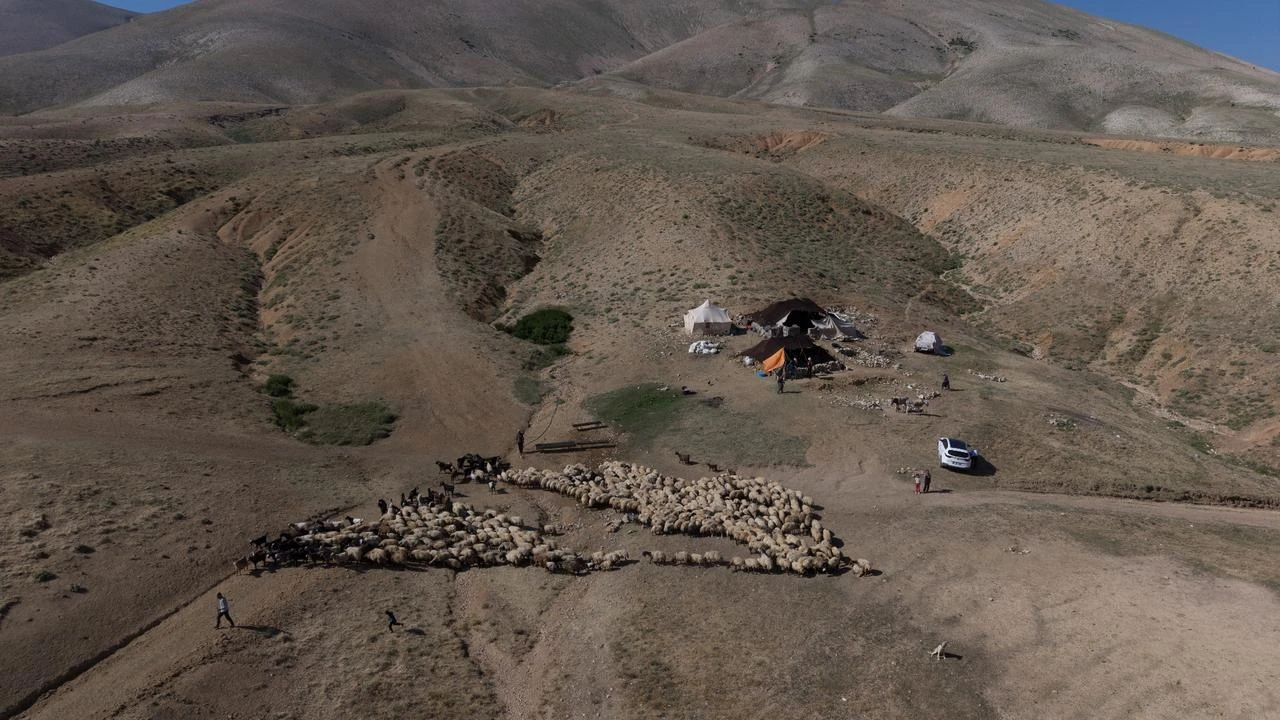
From the first light of sunrise until the sun dips below the mountain peaks, every member of the family participates in the rigorous, nonstop labor required to manage the livestock.
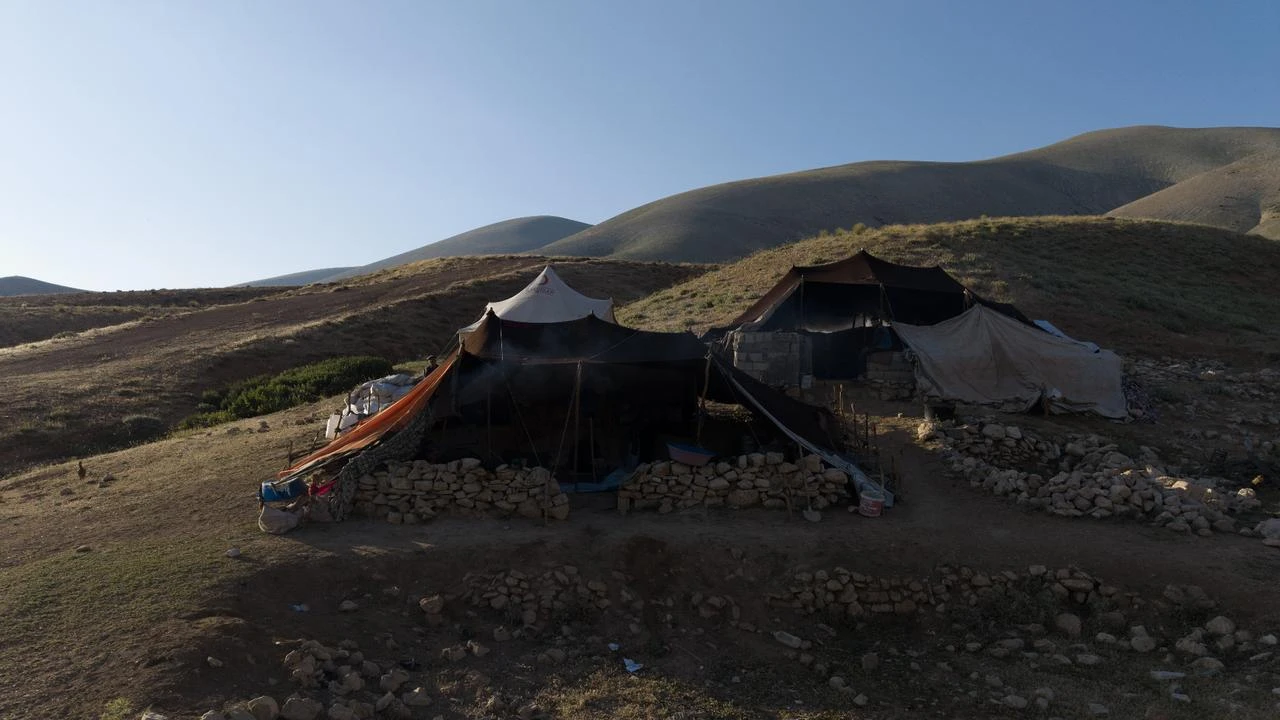
Traditional woven tents dot the landscape, offering a striking visual contrast to the raw wilderness and serving as the focal point of daily family life and community connection.
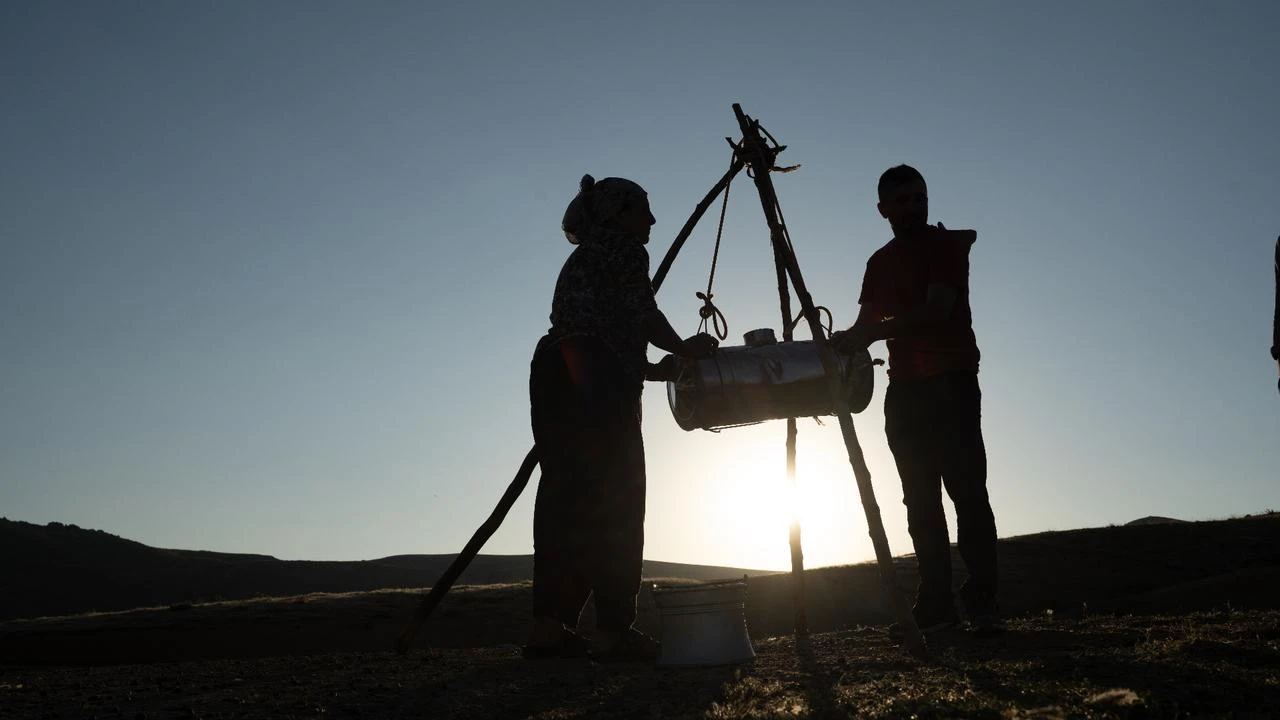
Younger family members learn the intricate skills of animal husbandry and herd management directly from their elders, ensuring that centuries of accumulated regional knowledge are not lost to time.
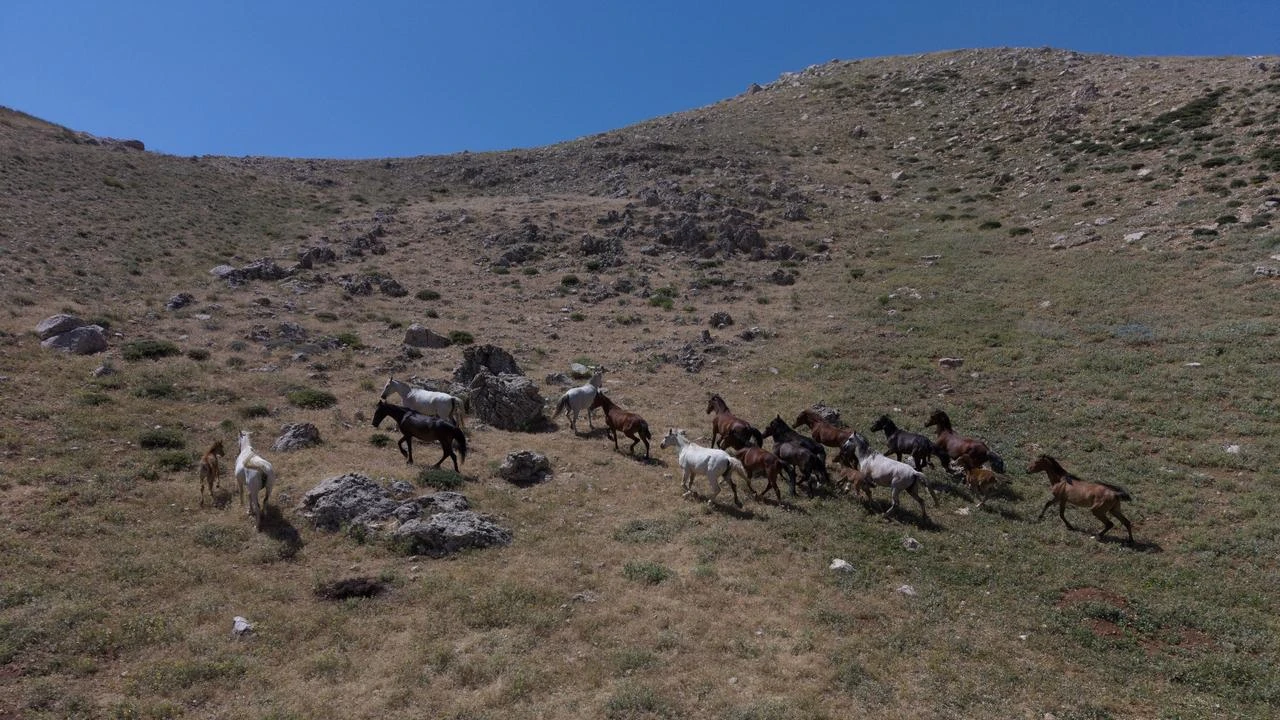
This dedicated community willfully chooses the hardships of the open range over modern conveniences, standing as a living archive of Anatolia's rich, ancestral agricultural heritage.


 Set as preferred source


 3 min read


