Newsletters




An anthropologist with firsthand experience visiting India's only "uncontacted" tribe says the government's strict isolation policy may no longer be sufficient to protect the Sentinelese people from the pressures of the modern world.
Anstice Justin, 71, a former deputy director of the Anthropological Survey of India, participated in government-authorized contact missions to North Sentinel Island in the Andaman Sea between 1986 and 2004. He visited the island more than 30 times.
The Sentinelese, estimated by the government at around 50 people, inhabit the 10-kilometer-wide island, which is covered in rainforest and surrounded by coral reefs.
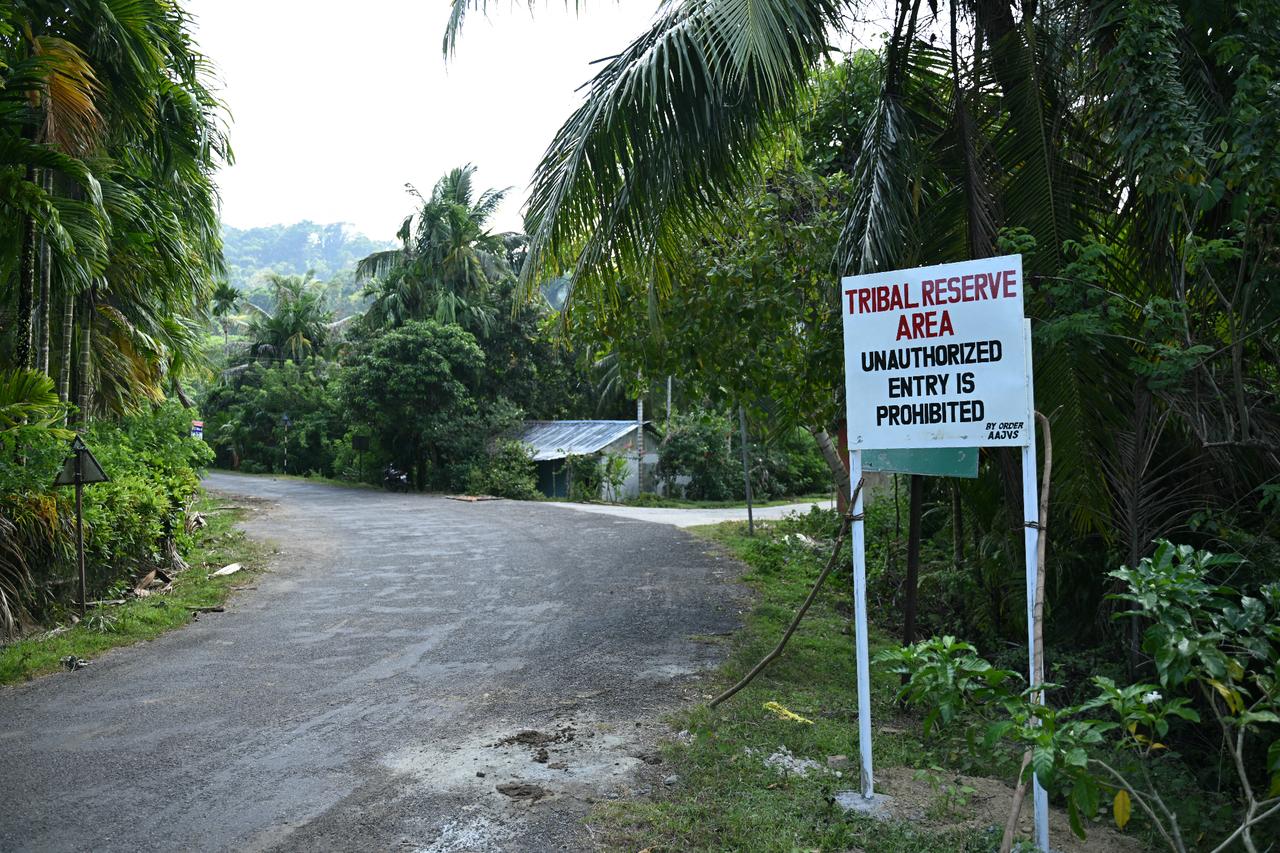
Designated a "Particularly Vulnerable Tribal Group," the community has lived in isolation for thousands of years and is formally protected by a tribal reserve exclusion zone extending five kilometers out to sea.
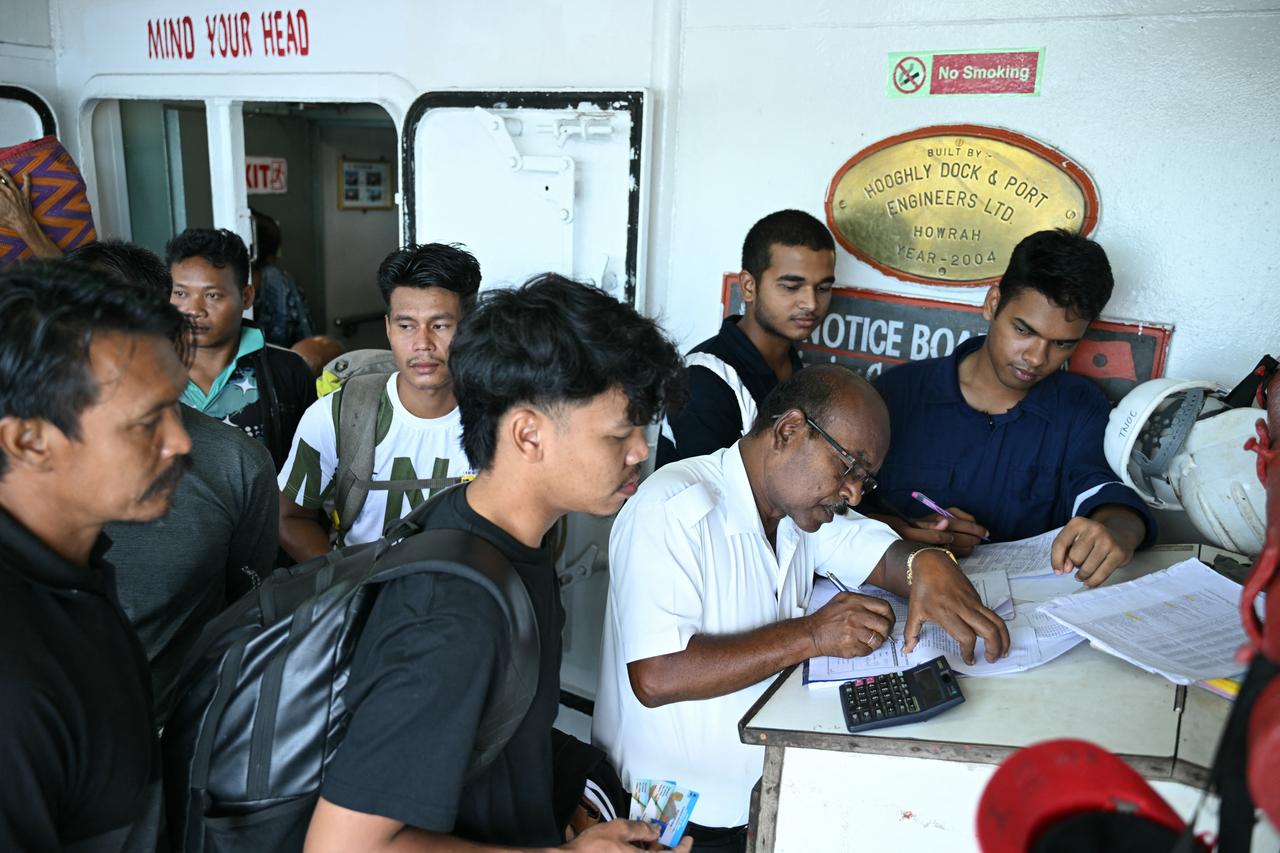

The current administration policy, described by Justin as "eyes on, hands off," relies on distant observation rather than direct engagement.
Justin said that approach, while well-intentioned, may no longer be adequate given rising interest from outsiders.
"We would be living in a fool's paradise if we assume they are living in their own insulated world," Justin told Agence France-Presse (AFP) from the main Andaman Island.
The island's inhabitants came to international attention in 2018 when they killed American missionary John Allen Chau, who illegally entered the protected zone.
Justin said his own visits produced a markedly different dynamic, with no signs of hostility from the islanders.
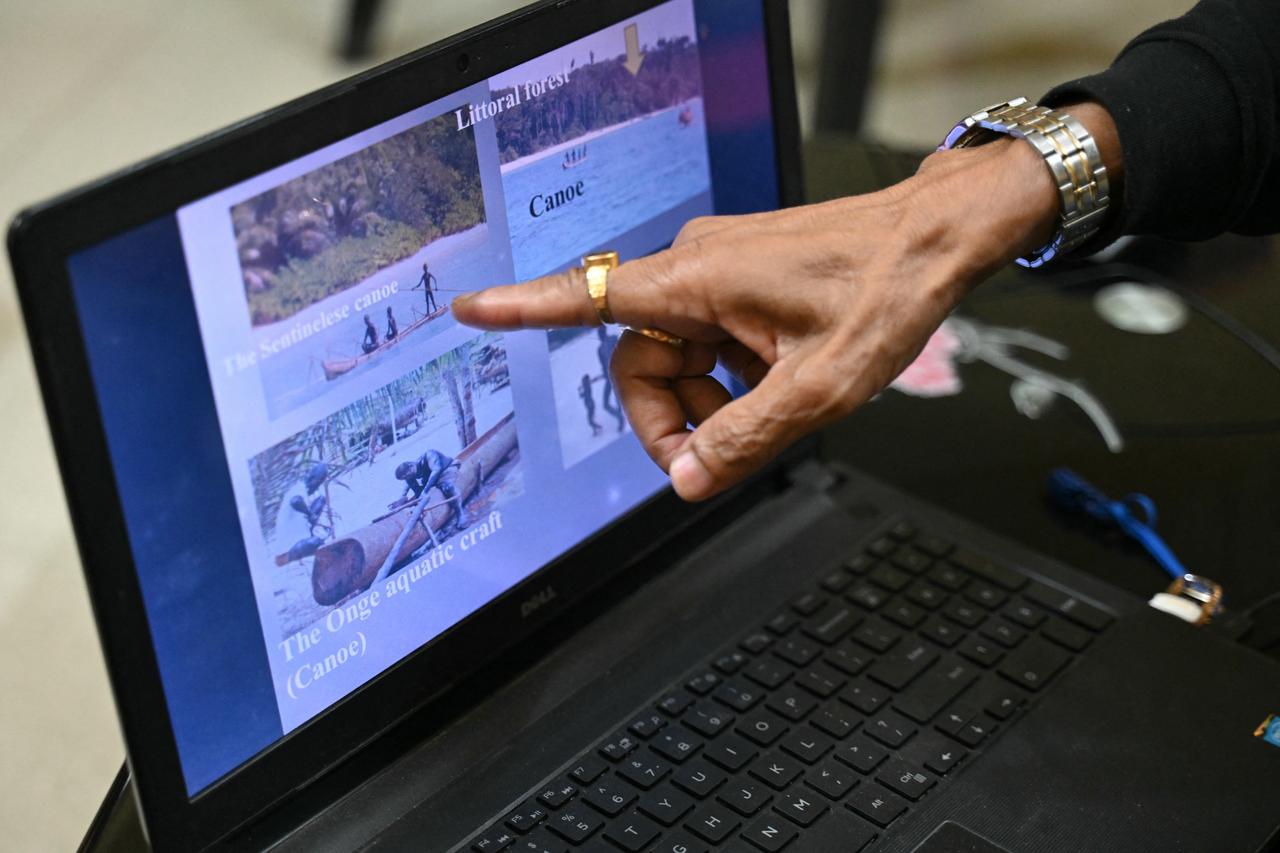
Observations from government missions show the Sentinelese use narrow outrigger canoes, live in communal huts, carry spears, bows, and arrows, and wear fiber waist belts, necklaces, and headbands. Beyond these details, little is known, including how the community identifies itself.
Rights group Survival International maintains that the Sentinelese have clearly signaled their rejection of contact and warns that outside interaction has historically been catastrophic for Andaman communities.
Populations of the Great Andamanese peoples reportedly collapsed by as much as 99% following outside contact, largely due to introduced diseases.
Andaman police chief HGS Dhaliwal said officers conduct surprise patrols and work to enforce the exclusion zone but acknowledged that deterring all intrusions remains a challenge.
In February, authorities arrested two fishermen who entered restricted waters. Last year, US citizen Mykhailo Viktorovych Polyakov landed on the island for five minutes, reportedly in an attempt to gain social media attention.
Polyakov, arrested in March 2025, pleaded guilty, served a 25-day jail term, and paid a 15,000-rupee ($161) fine before returning to the United States.
Justin said highly regulated, limited contact could serve a protective purpose by giving the Sentinelese warning of external threats, rather than leaving them without information about the world encroaching on their borders.
"In the long run, self-contained people may not be able to survive in this competitive world," he said.


 Set as preferred source
 Set as preferred source



 6 min read