Newsletters


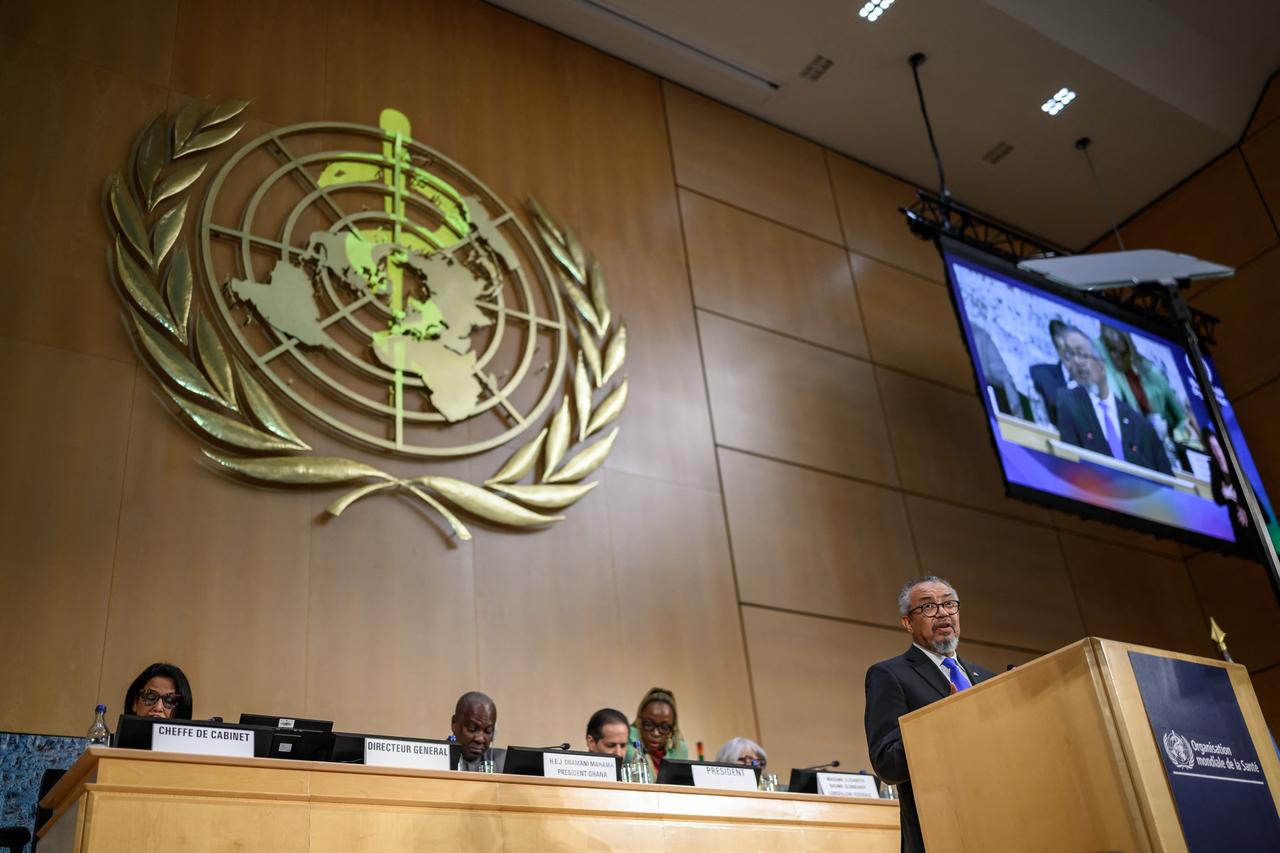


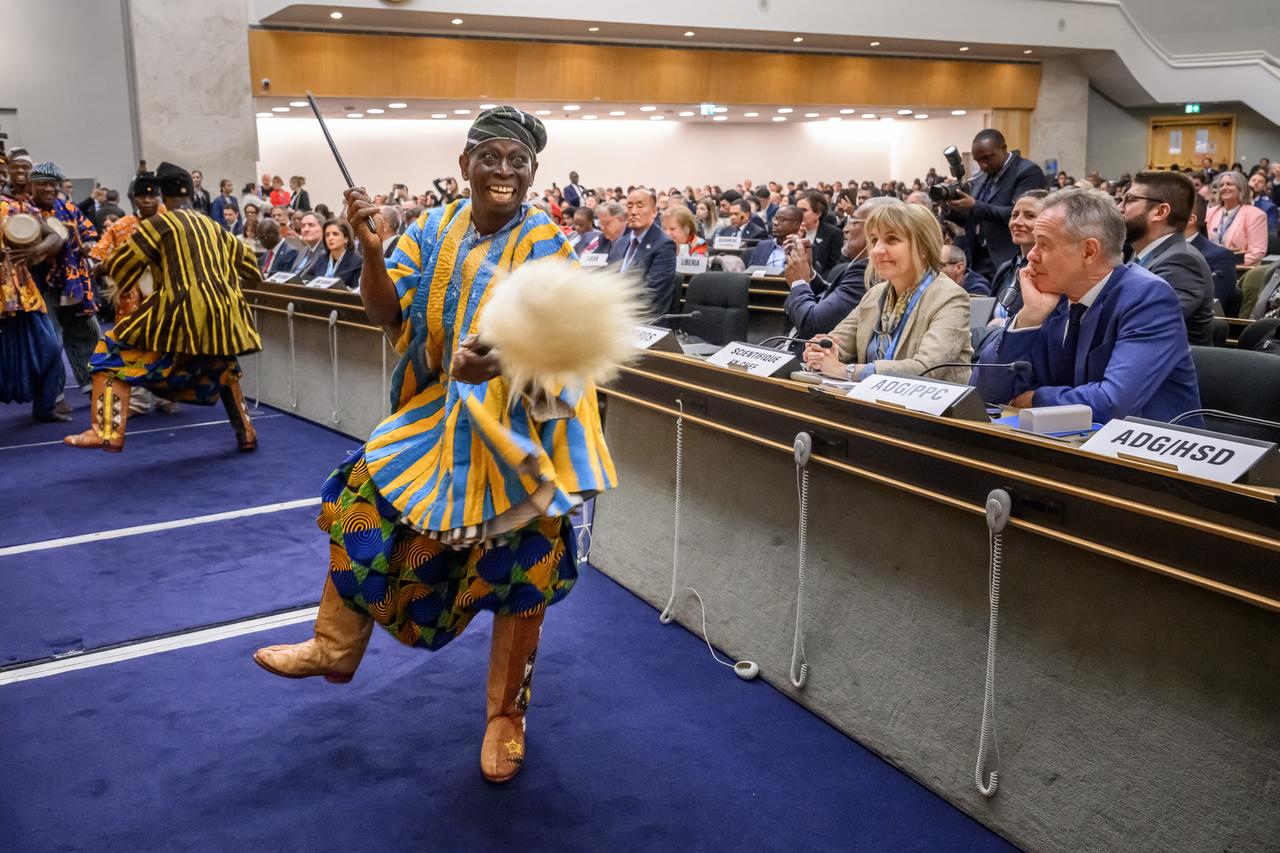
The World Health Organization (WHO) opened its annual World Health Assembly in Geneva on Monday. The hantavirus and ebola outbreaks are likely to overshadow the gathering already strained by funding cuts and uncertainty over the withdrawal of the United States and Argentina.
While the hantavirus outbreak—linked to a cruise ship—is not formally on the agenda, it is expected to feature heavily in discussions, as is the ongoing ebola outbreak in the Democratic Republic of Congo.
WHO Chief Tedros Adhanom Ghebreyesus described the two outbreaks as "the latest crises in our troubled world," citing conflicts, economic instability, climate change and reductions in international aid as compounding pressures on global health.
United Nations Secretary-General Antonio Guterres said the health challenges facing the world had "rarely felt more daunting," pointing to aid cuts over the past year that have disrupted health systems and widened inequalities.
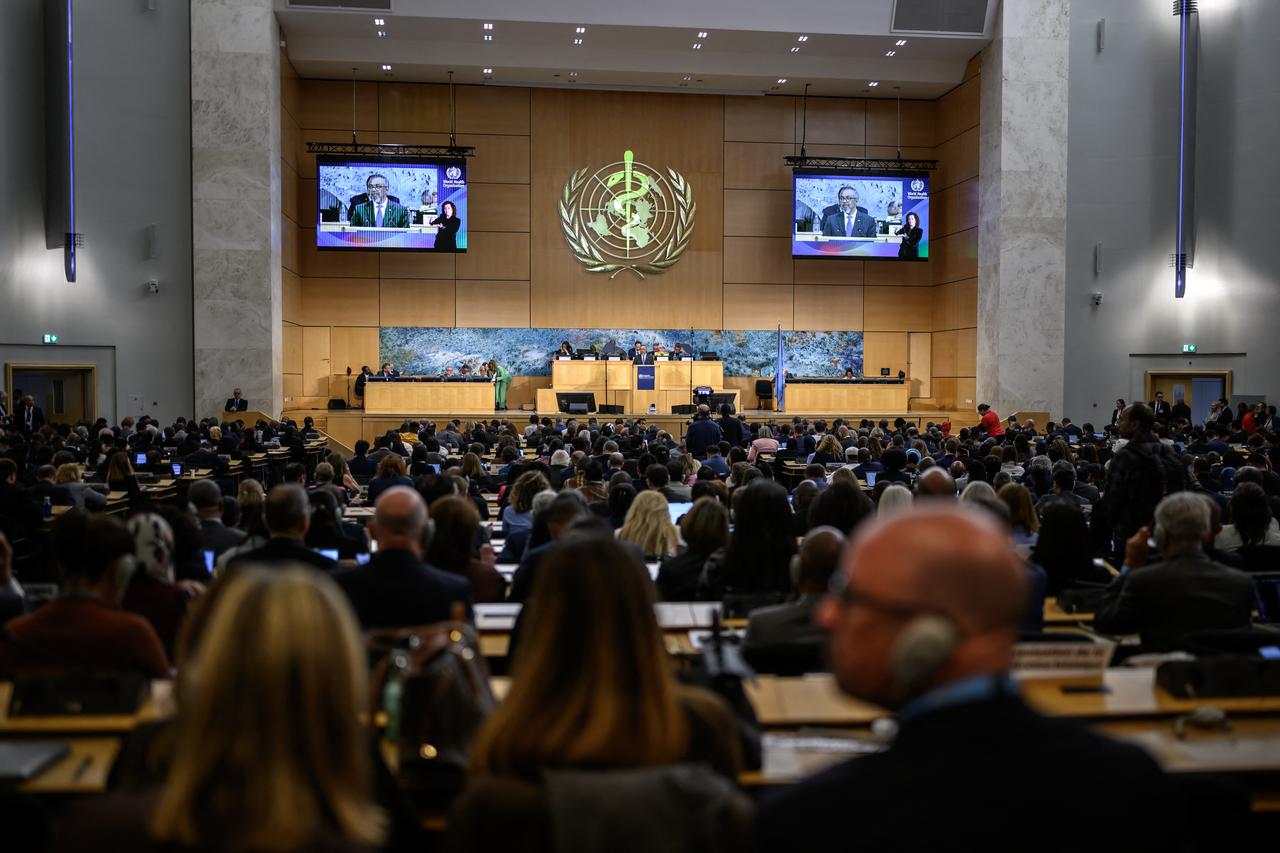

The assembly, which runs through Saturday, follows a difficult period for WHO. Swiss Health Minister Elisabeth Baume-Schneider noted that the organization's budget had been reduced by around 21%—nearly $1 billion— resulting in the elimination of hundreds of positions and cuts to programs.
Surie Moon, co-director of the Global Health Center at the Geneva Graduate Institute, told Agence France-Presse (AFP) that the situation remains "still fragile," but said the WHO had been largely successful in securing the funds needed for the next two years.
Moon added that the hantavirus crisis demonstrated why the world needs an effective, impartial and reliably funded WHO.
Significant divisions persist heading into the week's sessions. Negotiations on WHO's landmark 2025 pandemic treaty remain deadlocked, with talks expected to be extended by another year after disagreements between wealthy and developing nations blocked a resolution.
The status of the United States and Argentina within the organization also remains unresolved. U.S. President Donald Trump submitted a one-year withdrawal notice on his first day back in office in January 2025; Argentina followed shortly after.
WHO's constitution contains no withdrawal clause, and the organization has not formally confirmed either departure.
The United States originally reserved the right to withdraw when it joined WHO in 1948, on the condition of one year's notice and payment of financial obligations for that fiscal year.
While the notice period has elapsed, Washington has not paid its 2024 or 2025 dues, leaving around $260 million outstanding.
When WHO's executive board convened in January, Israel submitted a resolution to consider Argentina's withdrawal, but no formal action was taken on the U.S. status.
Diplomats indicated there was broad agreement to maintain ambiguity around Washington's standing in the organization.
The assembly also takes place as preparations for next year's WHO director-general election gain momentum.
No candidate has formally declared, though announcements are possible before the Sept. 24 nomination deadline.
Among the sensitive resolutions on the table are those relating to Ukraine, the Palestinian territories and Iran.
Much of the week's discussion is also expected to center on whether to launch a formal reform process for the broader global health architecture, aiming to reduce fragmentation and duplication across international health bodies.
Ghana President John Dramani Mahama told the assembly that the global health system is undergoing rapid change, describing the current moment as the end of an era that requires the courage to build what comes next.


 Set as preferred source
 Set as preferred source



 3 min read