Newsletters


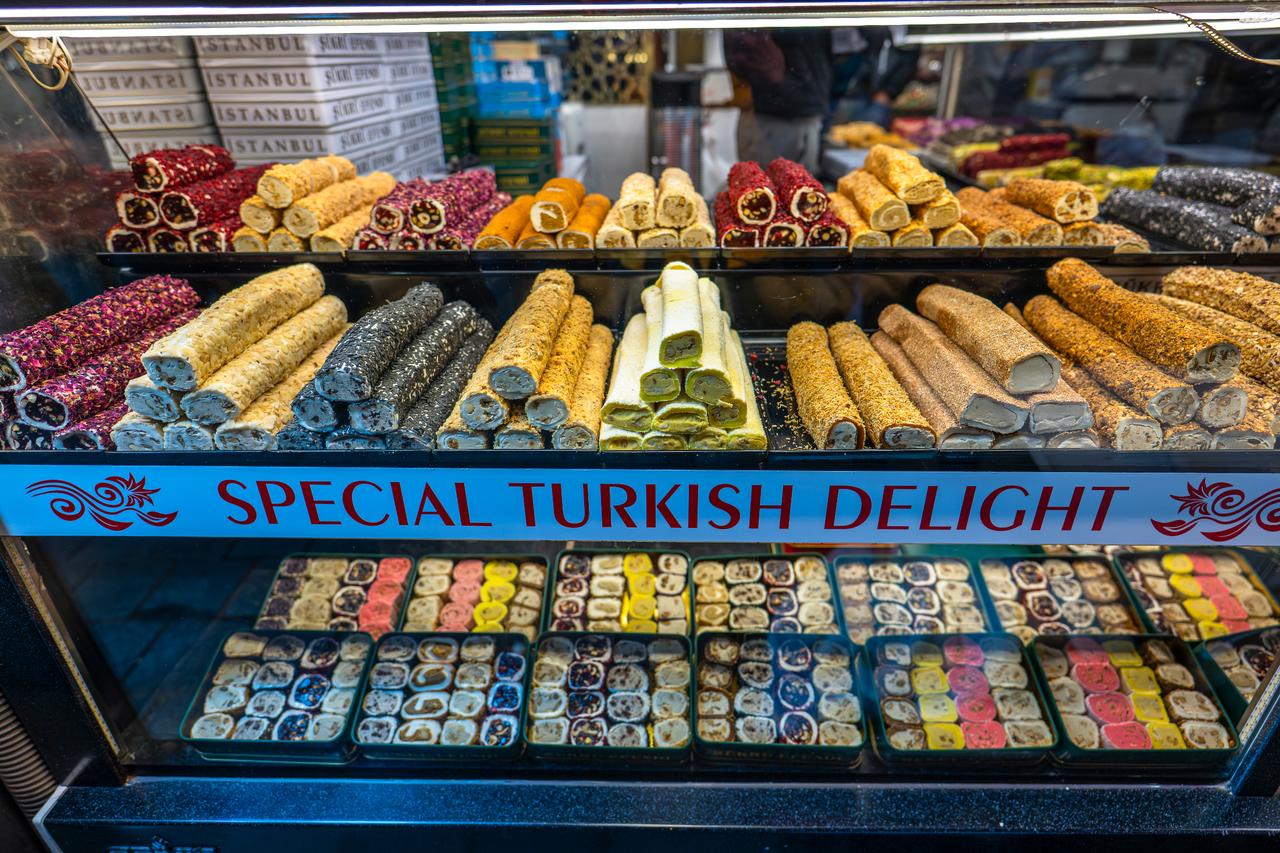


Türkiye’s traditional sweet known as Turkish delight, or lokum, continues to reach consumers across the world, with exports exceeding $150 million over the last five years and demand led mainly by the United States and major European markets.
Data compiled by Anadolu Agency based on figures from the Turkish Statistical Institute (TurkStat) shows that the confection, which has long been associated with hospitality and festive occasions in Türkiye, has steadily expanded its international footprint while also remaining a staple of domestic celebrations.
In Türkiye, Turkish delight is closely associated with religious holidays such as Ramadan Bayram, known internationally as Eid al-Fitr, when families traditionally exchange sweets while visiting relatives and friends.
As the holiday approaches each year, confectionery shelves across the country fill up with products ranging from chocolates to traditional sweets, and Turkish delight usually tops the shopping list. At the same time, the confection has increasingly found its way into international markets, where its distinctive texture and flavors have drawn growing interest.
Turkish delight is typically made from sugar and starch and can be flavored with a variety of ingredients. Popular varieties include pistachio, hazelnut, almond, rose, orange, chocolate, cream and plain versions, offering a wide range of tastes that appeal to both domestic consumers and international buyers.
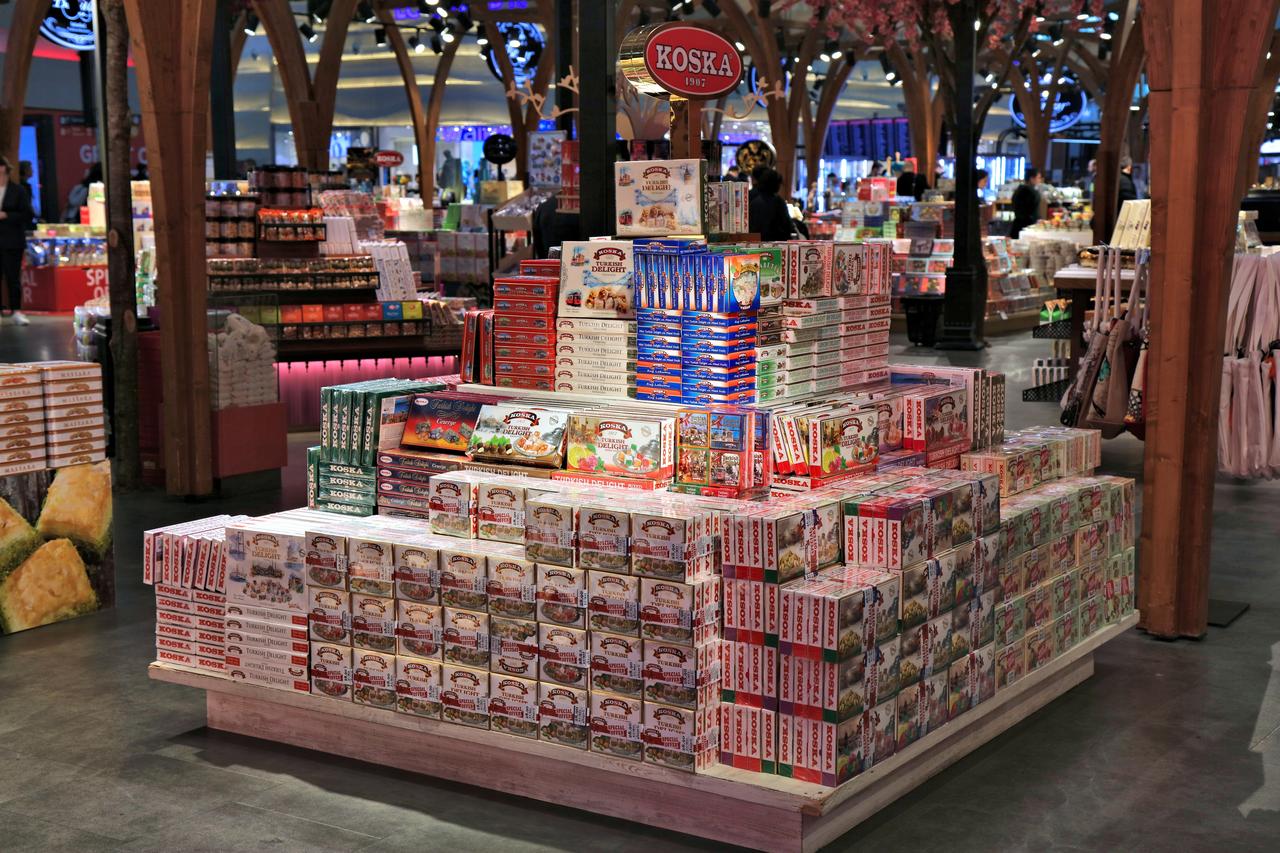

Trade data indicates that Türkiye exported $150.4 million worth of Turkish delight between 2021 and 2025, highlighting the product’s steady role in the country’s food exports.
Exports rose gradually throughout the period, starting at $26.1 million in 2021 and increasing to $33.8 million last year, representing a moderate but consistent upward trend.
Imports of the product remained negligible in comparison, totaling just under $190,000 over the same five-year period, which resulted in a trade surplus of more than $150 million in the category.
The trend continued into the current year as well. In January alone, Türkiye exported around $2.6 million worth of Turkish delight, while imports stood at only $1,632, reinforcing the country’s dominant position in the production and export of the confection.
The largest buyers of Turkish delight during the five years were the United States, Germany, and the United Kingdom, reflecting strong demand in both North America and Europe.
The United States ranked first, purchasing $27.9 million worth of Turkish delight, followed by Germany with $19.7 million and the United Kingdom with $19.1 million.
The same markets also led exports in the early months of this year. In January, Türkiye sold $411,493 worth of Turkish delight to the United States, $352,954 to Germany, and $232,794 to the United Kingdom, confirming the continued interest in these markets.
Mustafa Kahveci, head of the Ankara Chamber of Pastry Makers, Confectioners and Candy Sellers, said that producers and shopkeepers are currently busy preparing for the upcoming holiday season, when demand typically increases both at home and abroad.
Kahveci noted that Turkish delight, widely served to guests as part of traditional hospitality, continues to draw attention from international buyers. He explained that the sweet has a long history and is exported mainly to Europe and the Middle East.
According to Kahveci, Turkish producers currently export the confectionery to 10 countries, and the shipment volumes are significant. He also emphasized the product’s popularity abroad, stating that Turkish delight is widely appreciated in the markets where it is sold.
At the same time, he advised domestic consumers to purchase sweets from trusted local producers and neighborhood shops in order to avoid potential problems caused by unregistered or unregulated sellers.
Local manufacturers have also adapted their production to meet changing consumer preferences while maintaining traditional varieties.
Deyis Tecer, a confectionery producer whose family has run a Turkish delight shop since 1979, said the business now offers more than 50 different varieties. According to Tecer, the product range has expanded in recent years as producers have experimented with seasonal fruits and new flavor combinations.
Despite this variety, he explained that consumers tend to turn back to familiar tastes during major holidays. Varieties containing hazelnuts, pistachios, and plain Turkish delight remain among the most popular choices during festive periods.
Tecer added that mixed assortments are also widely purchased as gifts, particularly for visitors and relatives. International demand has also continued to grow, with shipments reaching overseas customers as well as countries in the Gulf region, where Turkish confectionery products have gained a strong following.


 Set as preferred source
 Set as preferred source


 1 min read


 1 min read