Newsletters


Researchers in Türkiye have achieved a historic breakthrough by successfully growing the endangered Lycian orchid from seed for the first time.
This development offers a lifeline to a species that has teetered on the brink of extinction due to illegal harvesting and urban sprawl.
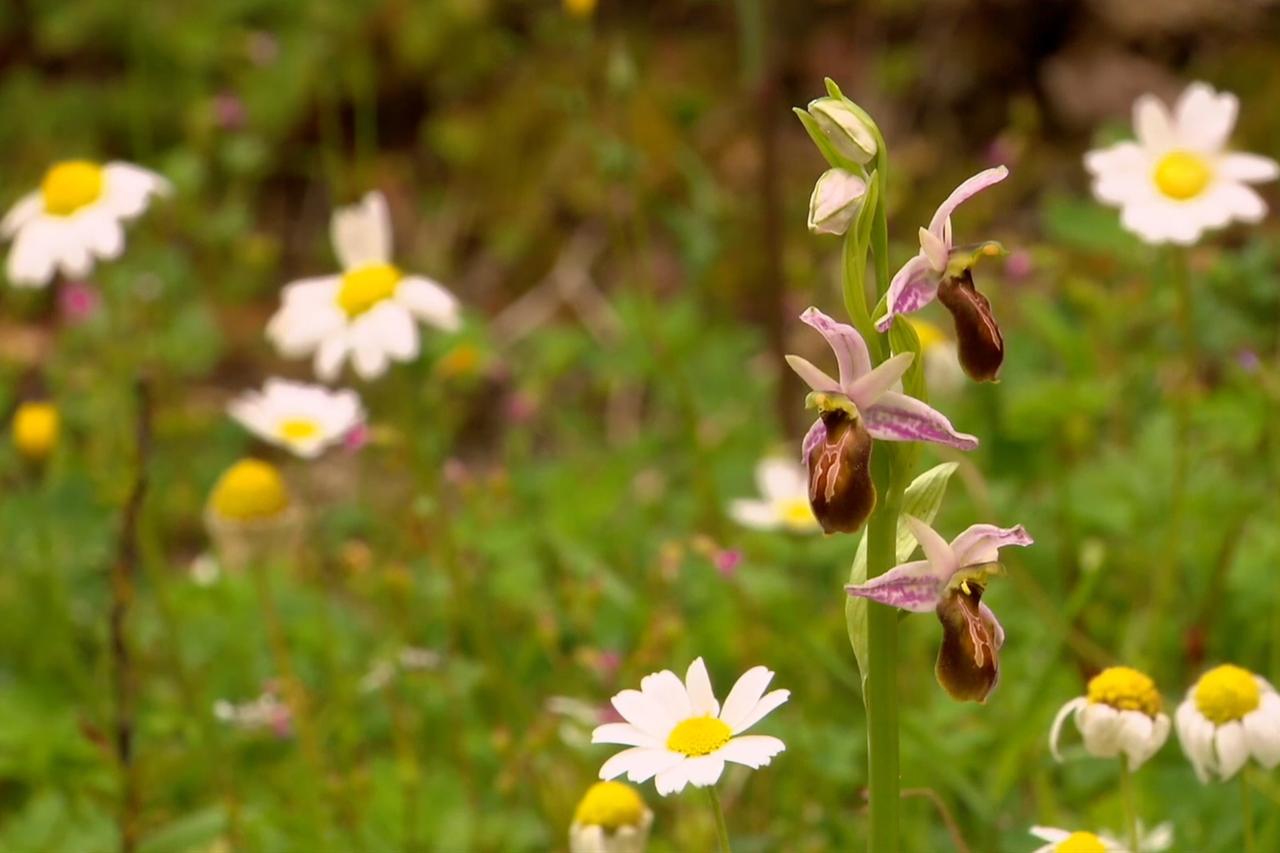
The Lycian orchid, scientifically known as "Ophrys lycia," grows exclusively in three villages within the Kas district of Antalya. This endemic plant is currently classified as "critically endangered" by the International Union for Conservation of Nature (IUCN).
Despite its vibrant pink and violet blooms, the orchid faces severe survival threats. Nejdet Bozkurt, a member of the Mediterranean Conservation Society’s Supervisory Board, warns that the population has plummeted from over 1,000 to fewer than 200 plants in just twenty years.
The Mediterranean Conservation Society collaborated with Ege University to develop a controlled production method using tissue culture.
This project aims to bypass the traditional, destructive methods of tuber extraction. Bozkurt told Anadolu Agency that the team managed the entire process within a laboratory setting, from seed collection to germination.
"With this study, we successfully performed the first production from seed of the Lycian orchid, which has fallen below 200 roots in nature," Bozkurt stated. He noted that the team has already sent the resulting seeds to the National Seed Bank to ensure the genetic material remains a legacy for future generations.

The primary driver behind the disappearance of these orchids is the production of salep, a popular traditional beverage, and its use as a thickening agent in Turkish ice cream.
These products rely on the two round tubers found in the orchid's root system.
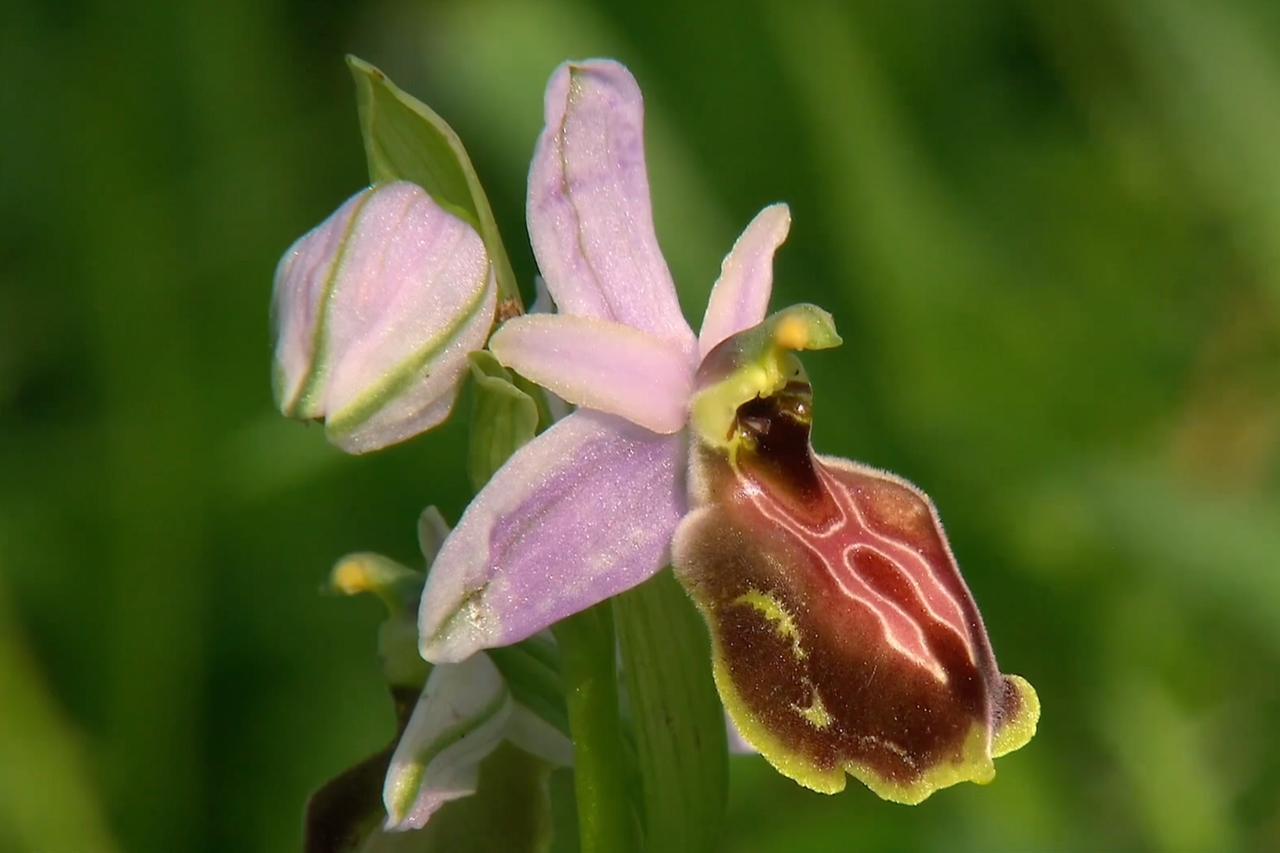
The project focuses on "in vitro" reproduction to reduce the pressure of illegal removals from the wild.
After a 400-day laboratory period, researchers moved the seedlings into the soil. These young plants have already survived for four months in a controlled environment.
Bozkurt described the transformation of a seed, only a tenth of a millimeter in size, into a tuber-forming plant as a "promising milestone." Once the seedlings reach sufficient maturity, the team will transfer them back to their original habitats in the three villages of Kas.
This initiative represents more than just saving a single flower; it serves as a critical effort to protect the natural and biocultural heritage of the Mediterranean.


 Set as preferred source
 Set as preferred source


 2 min read