Newsletters


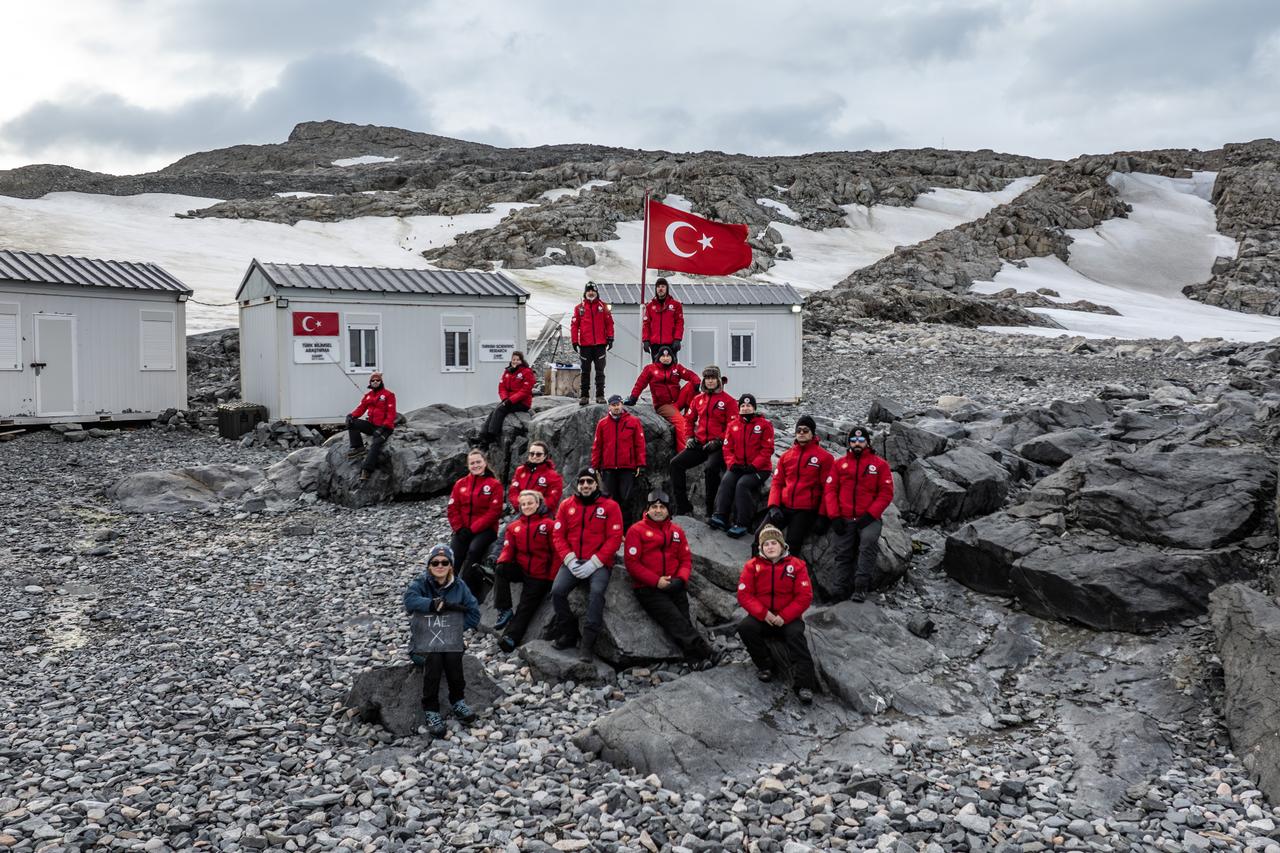


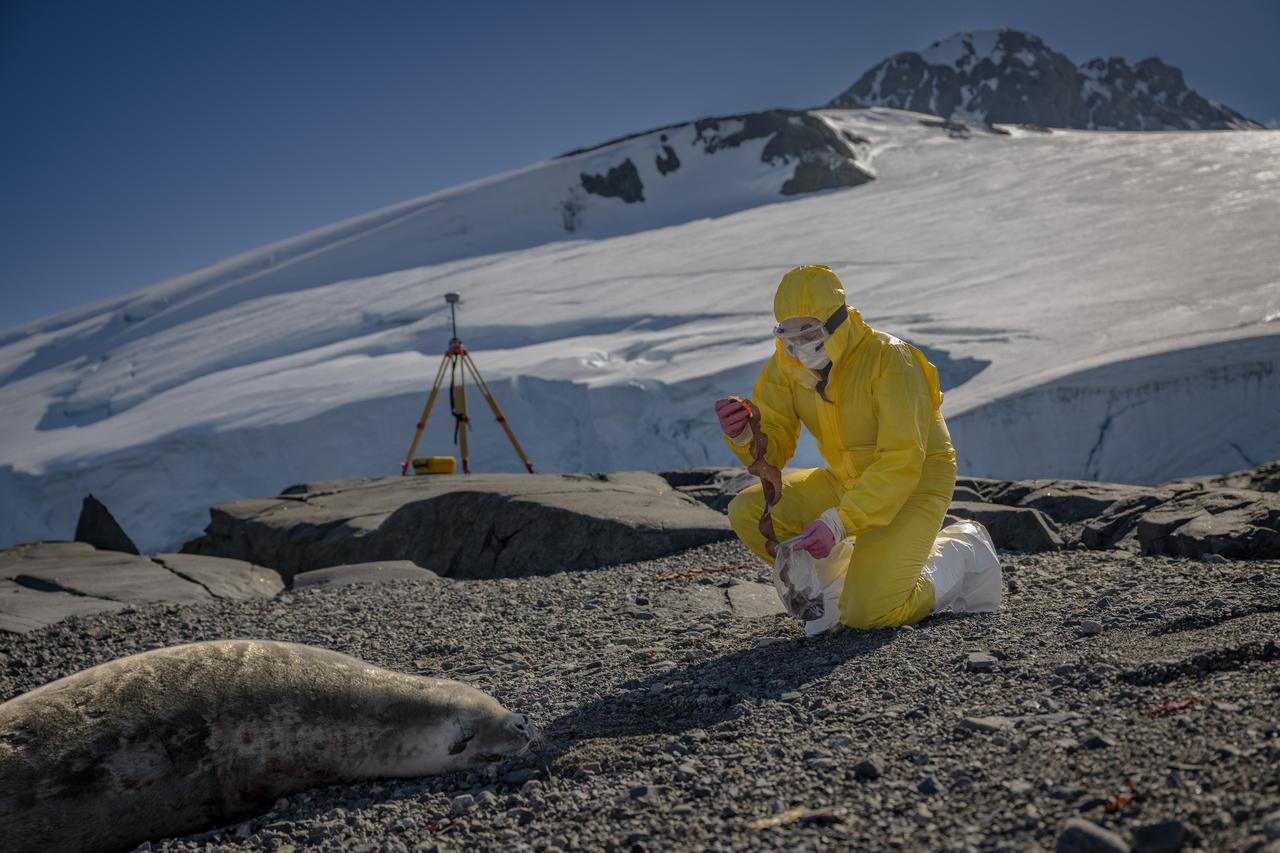
Marking the 10th anniversary of Türkiye’s Antarctic research efforts, Turkish scientists are conducting comprehensive studies of the continent’s aquatic ecosystems, examining lake sediments, potentially toxic plankton, persistent organic pollutants, and microbial diversity.
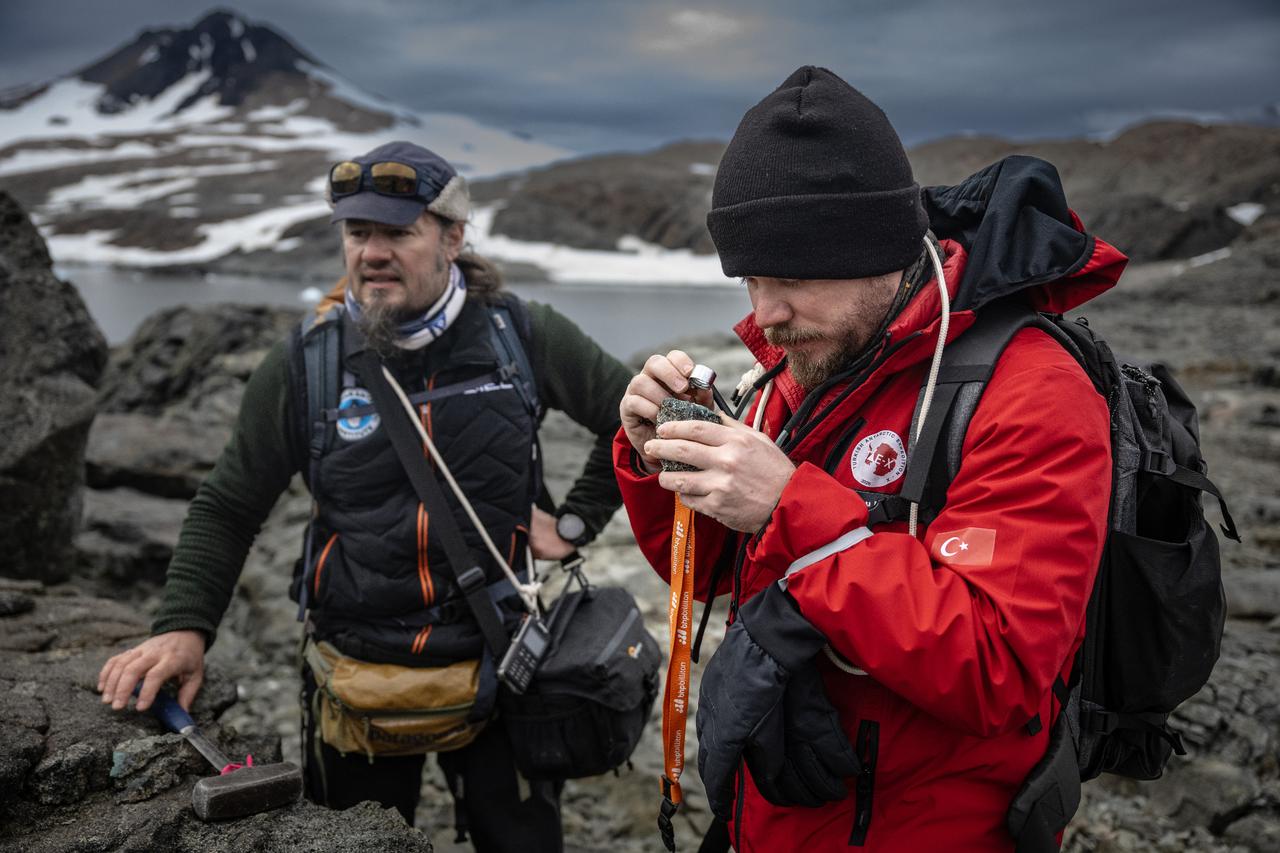
The 10th National Antarctic Scientific Expedition is carried out under the auspices of the Presidency of Türkiye, coordinated by the Ministry of Industry and Technology, and organized by the TUBITAK Marmara Research Center (MAM) Polar Research Institute.
The expedition encompasses multidisciplinary research across Antarctic lakes and coastal waters, contributing to global knowledge on climate, environmental change, and ecosystem dynamics.
Researchers are focusing on periglacial lakes, which act as natural archives of thousands of years of climatic and ecological data, as well as on coastal waters potentially impacted by toxic plankton species. The investigations aim to reconstruct past environmental conditions while assessing contemporary ecological risks.
Dr. Meltem Celen from Gebze Technical University highlighted the significance of persistent organic pollutants (POPs) in Antarctica. “These pollutants accumulate in air, water, and sediment, reaching even the remote Antarctic environment,” she explained.
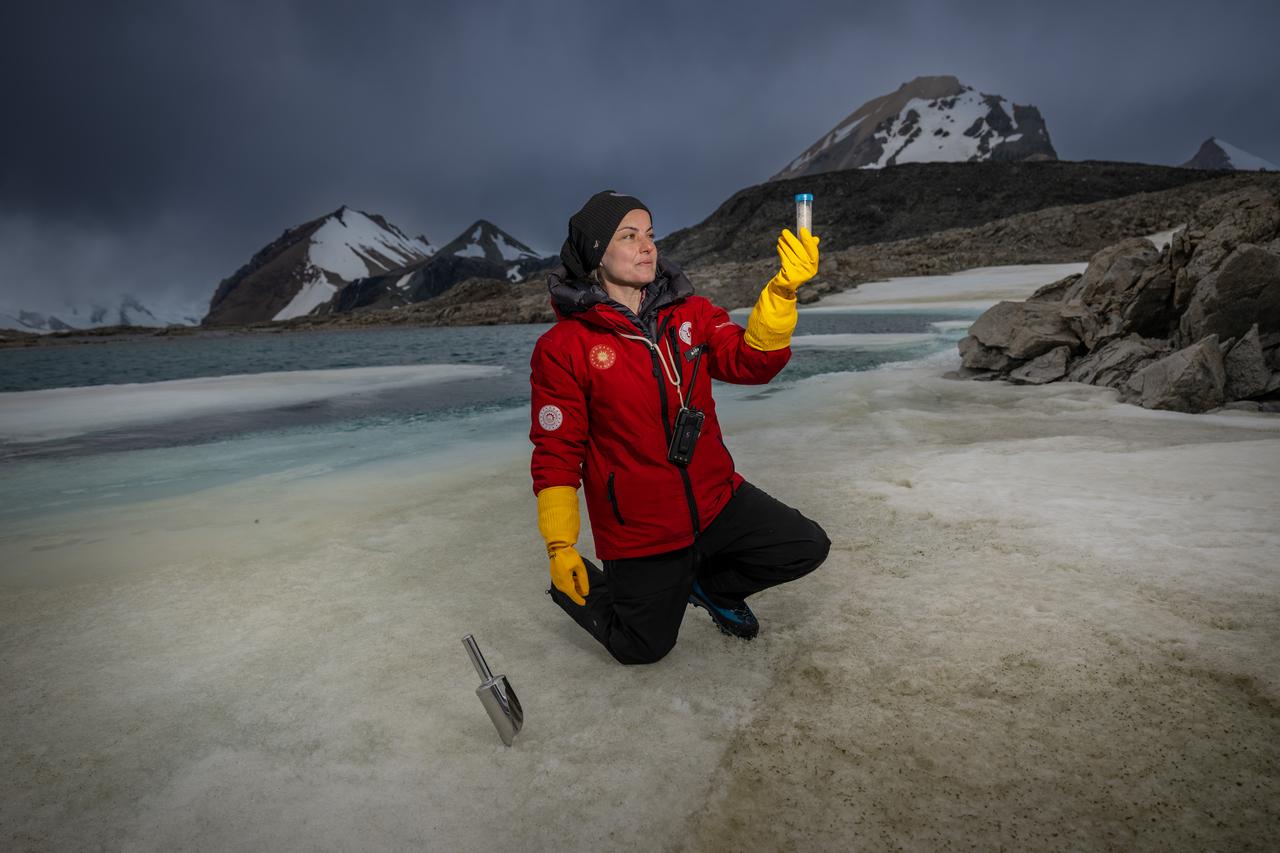

“Our project collects samples from Horseshoe Island to determine whether these substances originate from local sources or long-range transport. Continuous monitoring is crucial, as Antarctica functions as a global sink for these contaminants.”
Dr. Atilla Karatas of Marmara University emphasized the importance of lake sediments in understanding climate history. “The sediments at the bottom of these isolated lakes preserve materials from eras before human activity.
By analyzing pollen, diatoms, and microscopic organism remains, we aim to reconstruct the lakes’ ecological histories. Comparing these findings with data from lakes in Türkiye enables us to better understand both local and Antarctic ecosystem development,” he said.
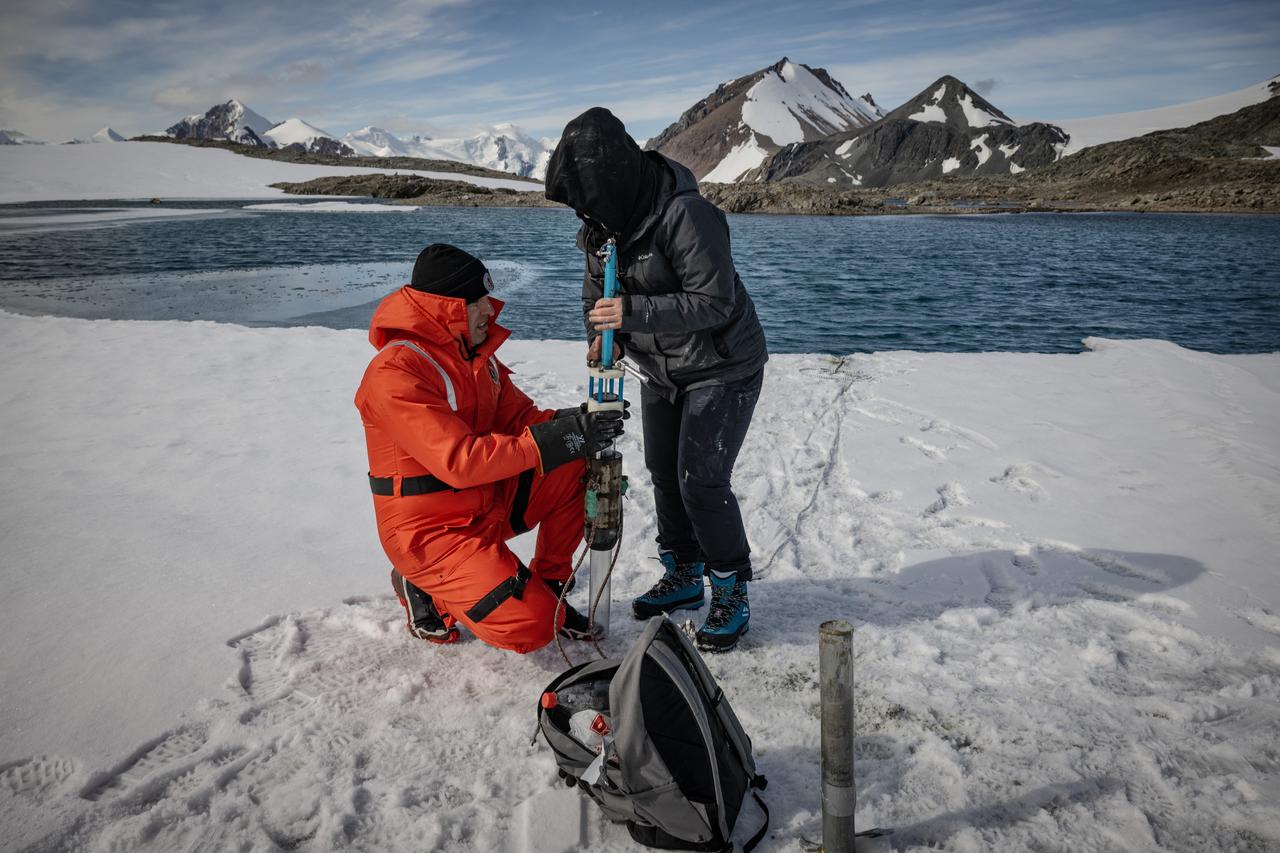
Dr. Hicret Aslı Yalcin, a researcher at TUBITAK MAM, explained that sediment samples collected from four lakes on Horseshoe Island will be analyzed to determine microbial biodiversity and conduct environmental DNA studies.
“The data will provide a valuable inventory for the discovery of new molecules and potentially new species,” she noted.
Graduate student Beyza Doruk from Istanbul Technical University added, "We collected seawater and plankton samples to identify potentially harmful or toxin-producing species. We will also examine how environmental variables such as temperature and salinity affect these organisms, providing insights into their responses to climate change.”
The expedition’s 15 research projects extend beyond aquatic ecosystems, including studies in global climate, geology, near-space observations, biodiversity, and health sciences.
The findings are expected to contribute to both the international scientific community and the development of strategies addressing global environmental challenges.


 Set as preferred source
 Set as preferred source


 2 min read
 1 min read