Newsletters


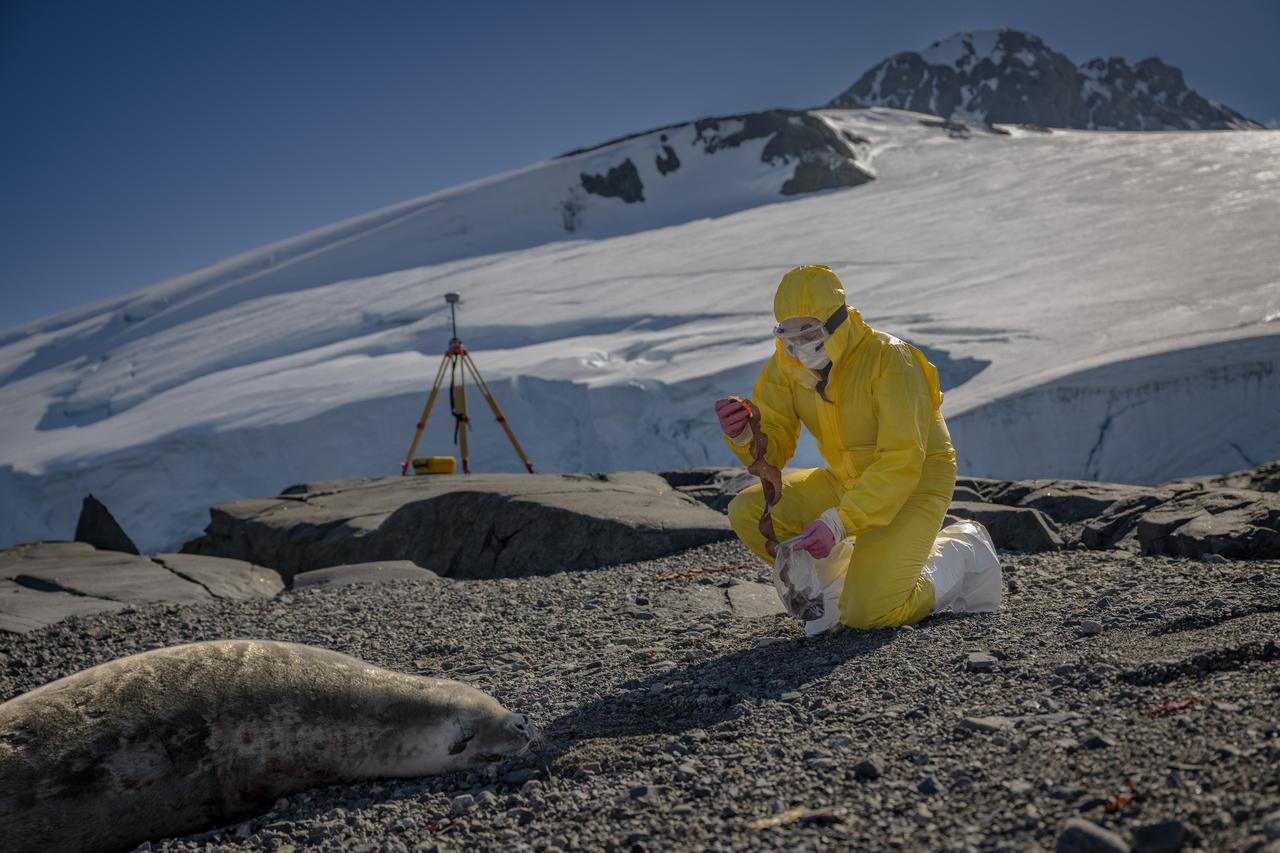


Scientific studies carried out by Turkish researchers in Antarctica are contributing not only to understanding polar ecosystems but also to efforts to address global health and sustainable agriculture challenges.
The 10th National Antarctic Science Expedition is being conducted under the auspices of the Presidency, under the responsibility of the Ministry of Industry and Technology, and coordinated by the TUBITAK Marmara Research Center Polar Research Institute.
Although Antarctica’s extreme cold and arid conditions create a harsh environment for life, research conducted in the region is providing important data for the development of new antiviral drug candidates and biofertilizer solutions for sustainable agriculture.
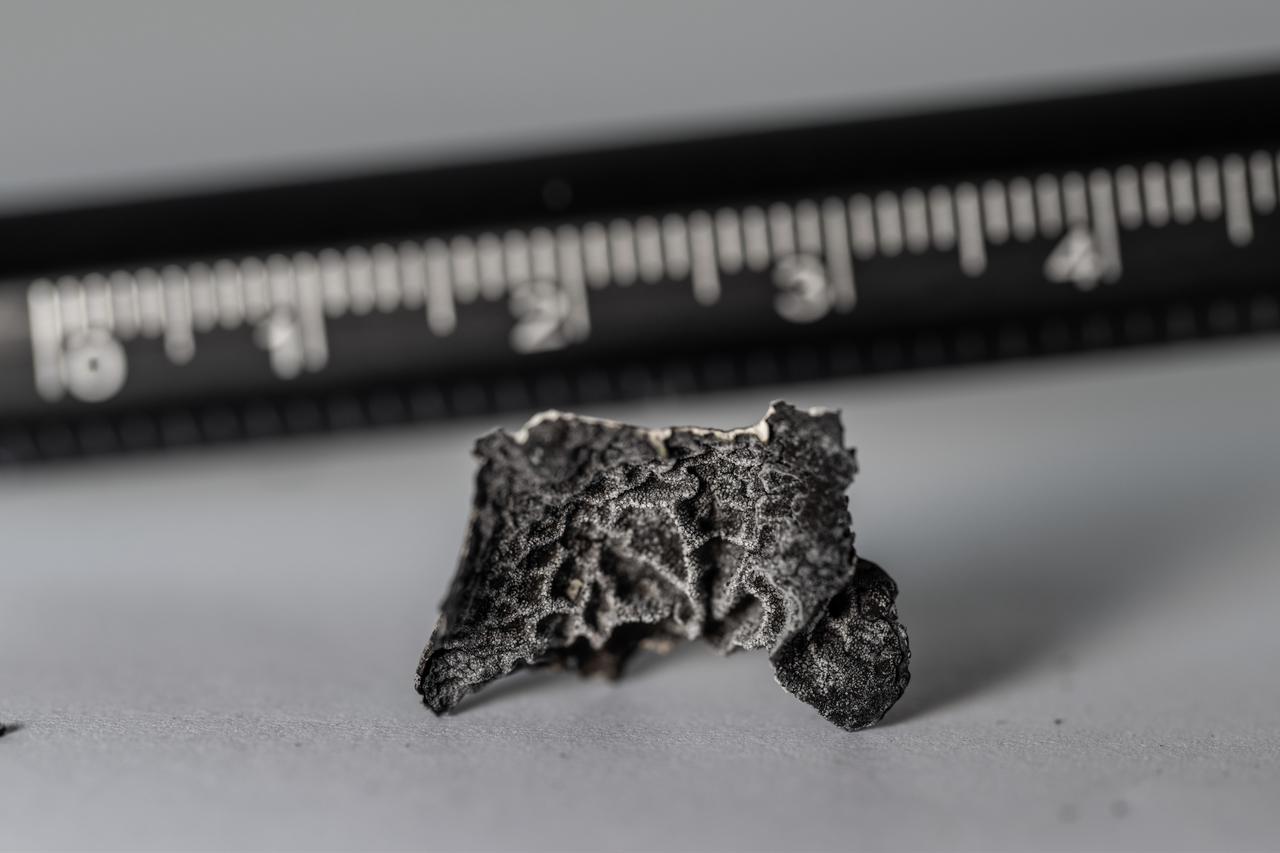

As part of the expedition, scientists are studying macroalgae and plant species unique to the polar ecosystem, examining the effects of natural compounds against viral proteases.
Researchers are assessing whether these compounds could contribute to the development of new and effective antiviral drug candidates, noting that species surviving under extreme conditions may possess strong biological properties.
Gozde Yesiltas Imamoglu, a research assistant from Gebze Technical University participating in the expedition, said they will collect samples of algae and plants in Antarctica and test their effectiveness against viral proteases.
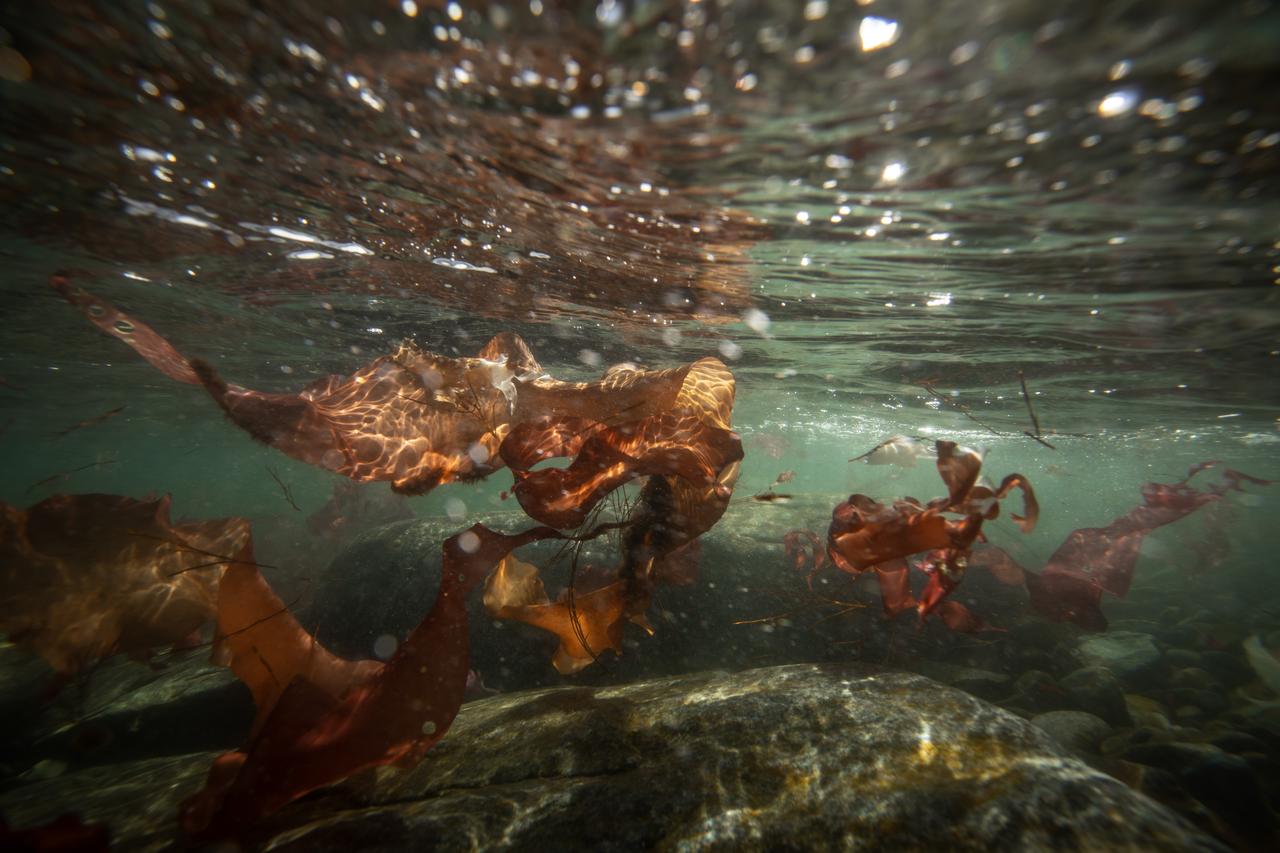
She stated that organisms living in cold climates can produce powerful metabolites and added, "We will examine whether these metabolites could help develop treatment methods for human health.”
Imamoglu said the collected samples will be extracted to identify bioactive molecules and evaluate their potential effects in drug development.
Referring to the COVID-19 pandemic, she noted that the global spread of viruses demonstrated how limited existing capabilities can be and said the study would examine what kind of treatments or medicines could be developed from bioactive components found in Antarctic plants and algae.

Another research focus involves microorganisms living in Antarctica’s soil ecosystem, which have adapted to extreme cold and dry conditions.
Dr. Caglar Sagun from the Soil, Fertilizer, and Water Resources Central Research Institute under the General Directorate of Agricultural Research and Policies of the Ministry of Agriculture and Forestry joined the expedition with a research project examining the community structures of microorganisms in Antarctic soils under changing climate conditions.
“We examined the potential of bacterial and fungal species among them to serve as microbial fertilizers,” Sagun said.
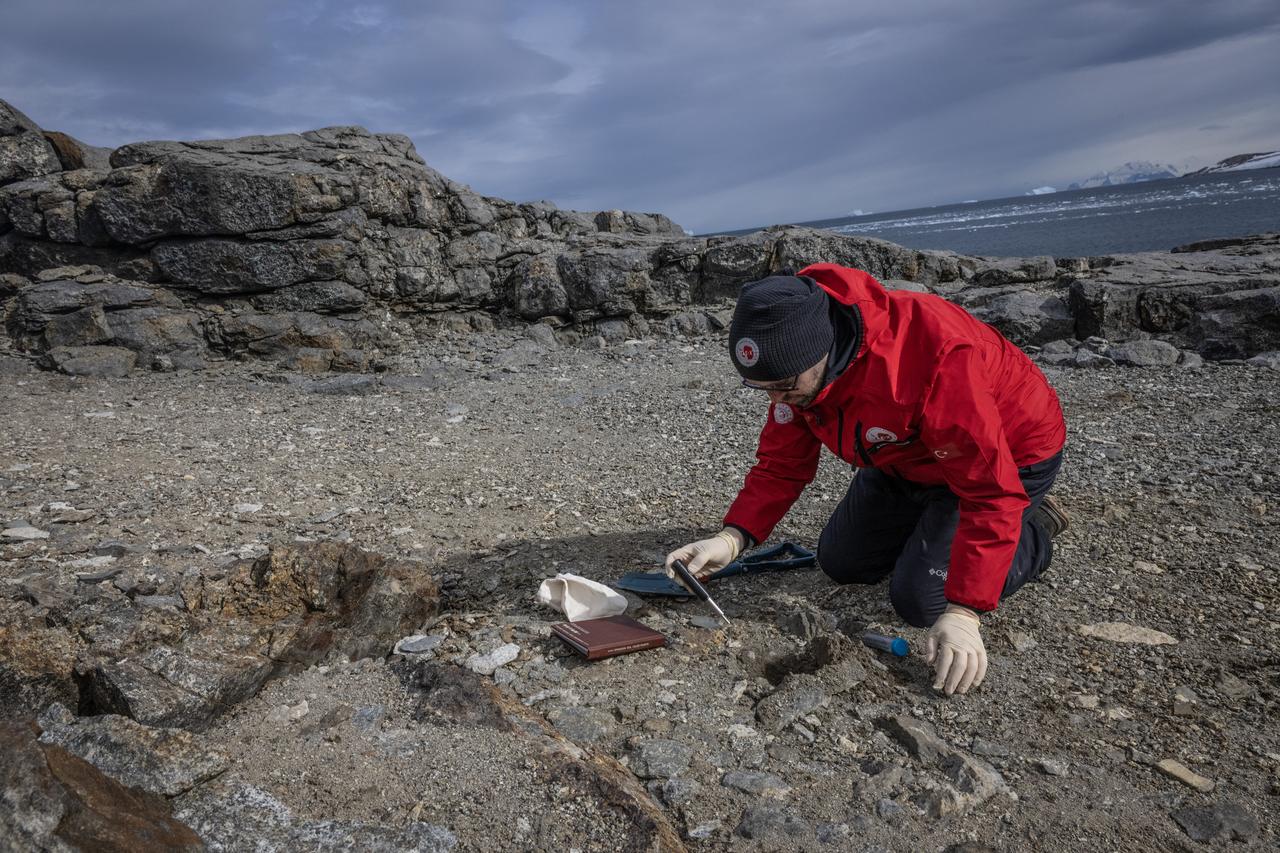
He added that data obtained from the project would help develop defense strategies against climate change and new microbial fertilizers by utilizing organisms that have adapted to its effects.
Scientists involved in the expedition said the research conducted in Antarctica is not limited to understanding polar ecosystems but is also part of efforts to find solutions to health and sustainable agriculture challenges facing humanity.
They emphasized that every piece of data obtained in Antarctica concerns not only the continent but also the future of humanity.


 Set as preferred source
 Set as preferred source



 6 min read