Newsletters


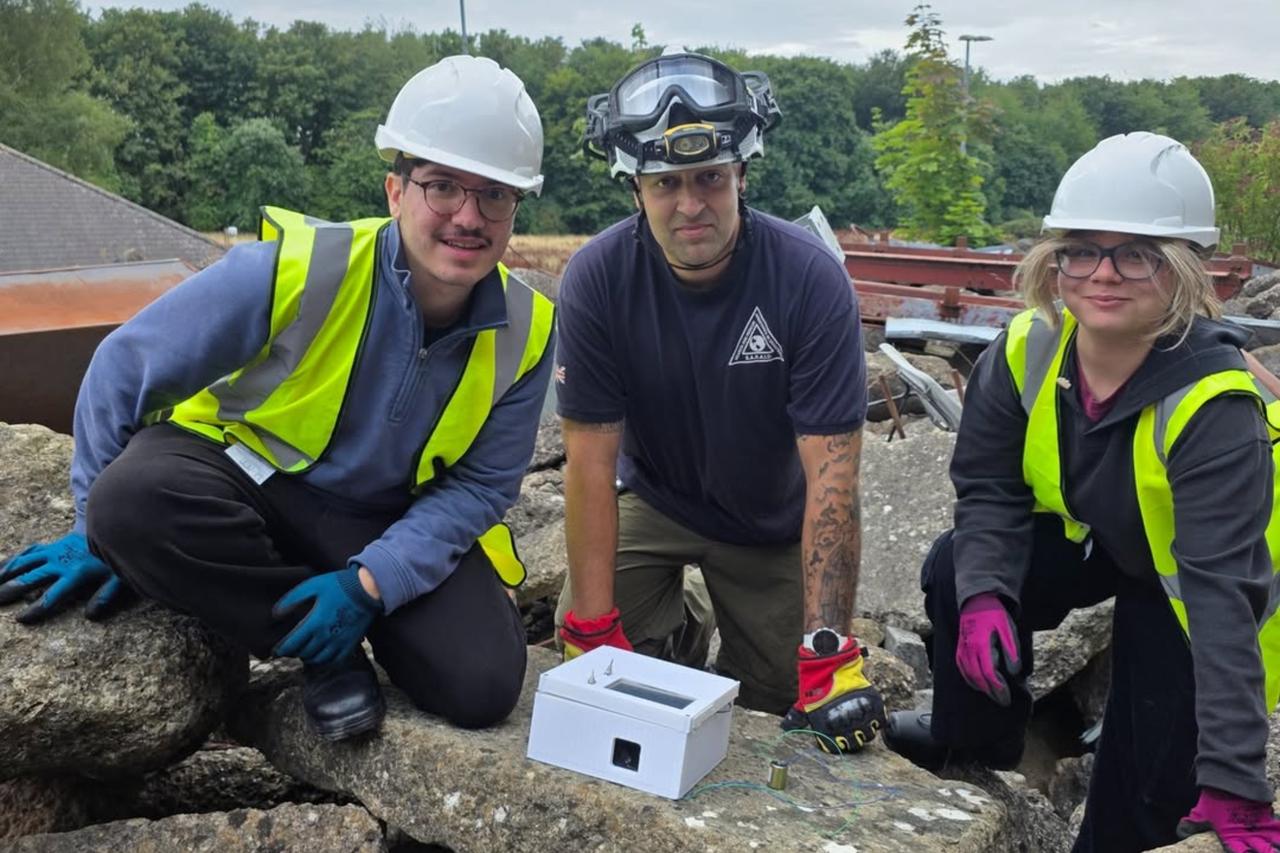


Two Turkish students studying at Imperial College London have developed an artificial intelligence-powered device designed to help rescue teams locate people trapped under rubble after earthquakes, aiming to speed up search operations and save more lives.
Idil Igde and Arda Kancal, both 20 and originally from Istanbul, created a device called ResCube that detects signs of life by analyzing vibrations and sound signals beneath collapsed structures.
The system uses sensors known as geophones and artificial intelligence to identify and locate survivors more quickly than traditional search methods.
The project reflects the pair’s personal experience growing up under the constant threat of a major earthquake in Türkiye’s largest city.
“The ground starts to shake,” Igde told The Times. “At first, you don’t understand what is happening. But then you look at the people around you and there is a silent agreement and you run out into the street. The big one is always in our minds.”
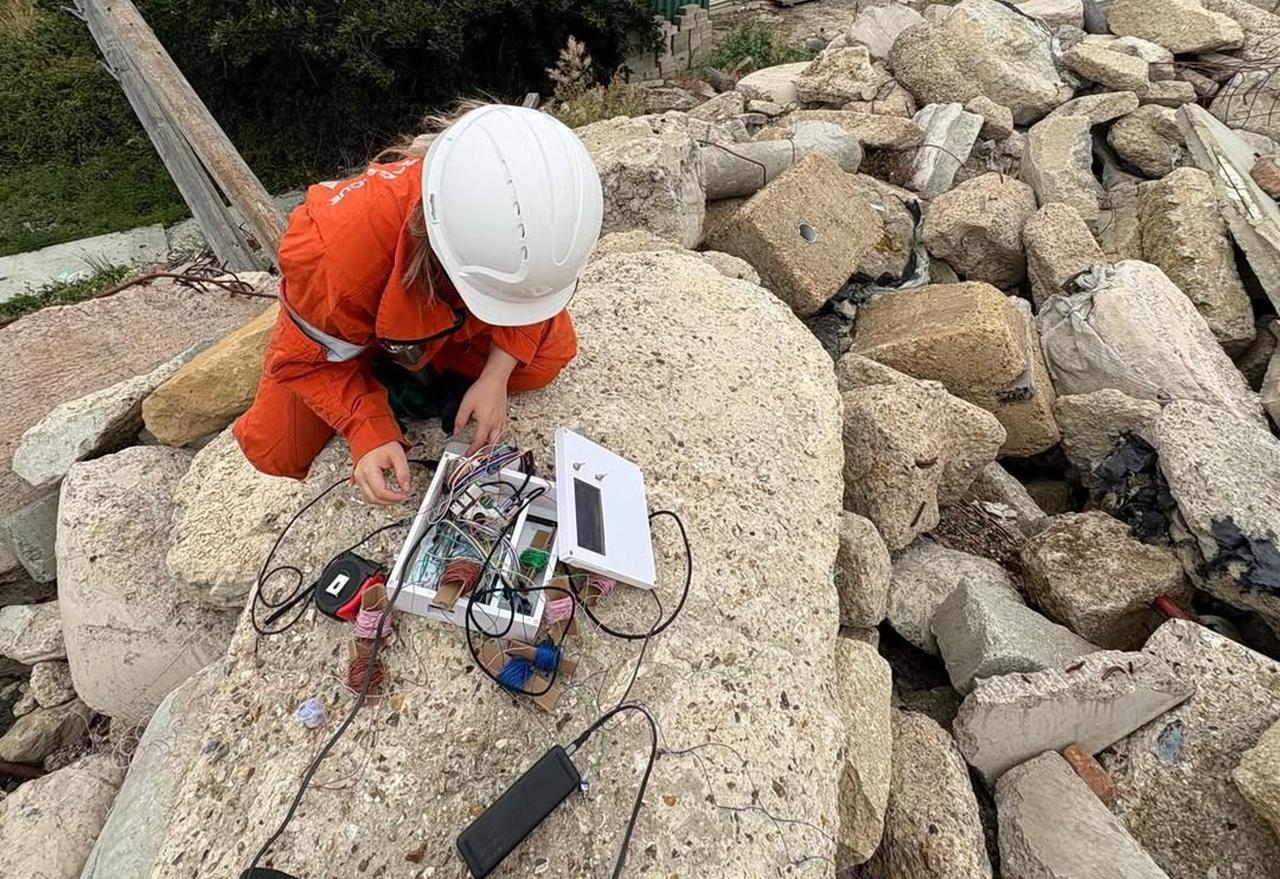

The ResCube device collects vibrations and audio signals from four geophone sensors placed around debris.
An AI system then processes the data and triangulates the location of trapped survivors.
Researchers say early testing suggests the device could reach about 90% detection accuracy, compared with roughly 80% for current methods that rely on rescuers listening for sounds through headphones.
The improvement could help emergency teams operate more effectively during what specialists describe as the “golden window,” the first 72 hours after a disaster when chances of survival remain highest. Studies indicate that faster medical intervention could prevent up to 22% of earthquake-related deaths.
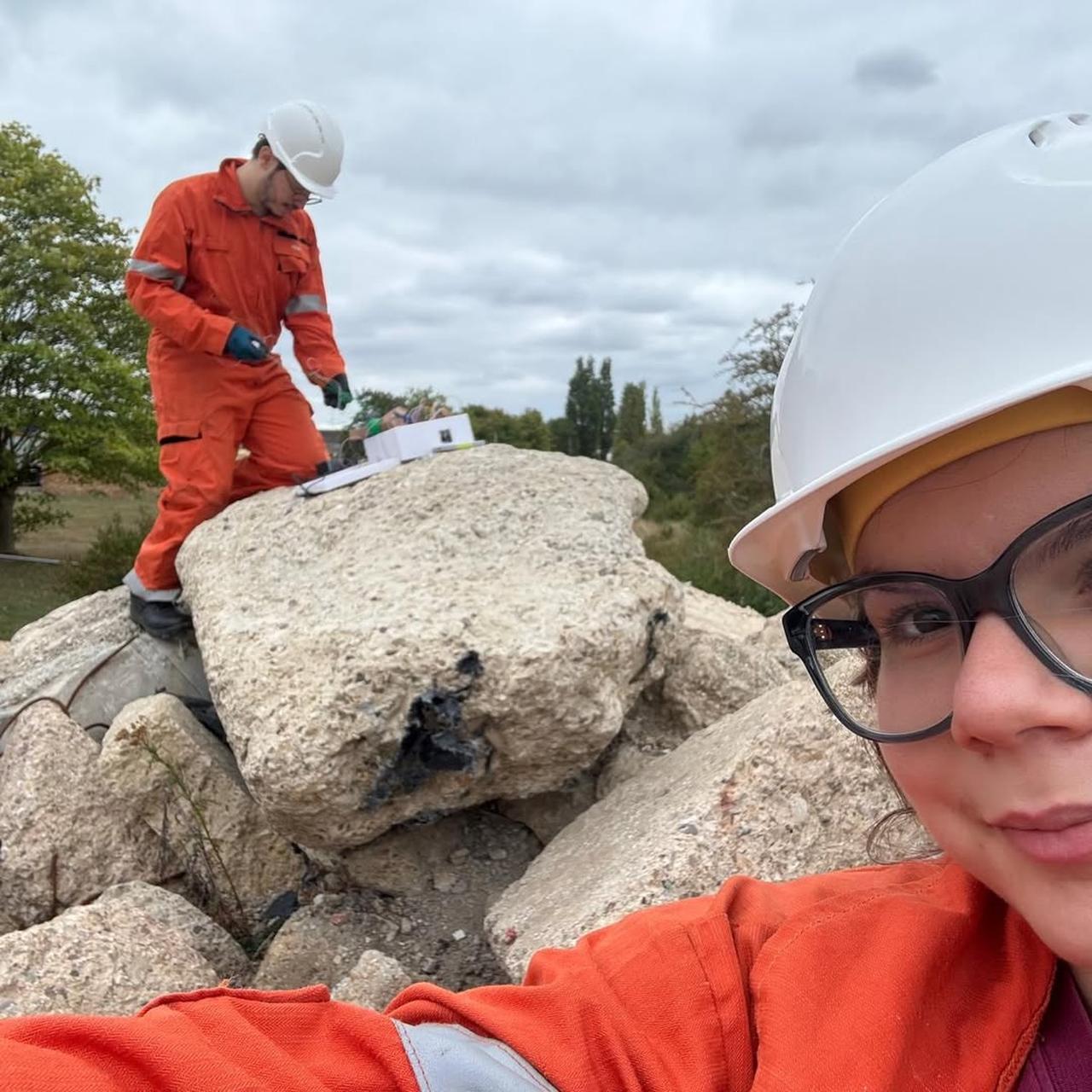
The students trained the system at specialist earthquake rescue facilities in the United Kingdom, including the Fire Service College in Gloucestershire and Westcott Venture Park in Buckinghamshire. The process required them to remain completely silent for long periods while producing controlled vibrations for testing.
“It was the most physically challenging part,” Kancal said. “Since these sensors pick up vibrations, you can’t create any distractions.”
Gary Francis, national director of the charity Search and Rescue Assistance in Disasters (SARAID), said the technology could improve urban rescue operations by making them “faster, safer and more effective,” particularly in complex collapsed structures.
The project was influenced by the devastating 2023 earthquakes that struck southern Türkiye and northern Syria, killing around 60,000 people and destroying about 230,000 buildings.
Igde said the disaster affected many families in the Hatay region, where she has relatives.
“It made me realize how important reliable rescue technologies are,” she said, adding that many children in the region still experience trauma from the disaster.
The students also point to ongoing seismic risks in Istanbul. Kancal said estimates suggest a 65% probability of a major earthquake striking the city within five years, while officials have warned that roughly 1.5 million buildings are considered seismically unsafe.
Their earlier prototype, D-View, was born from the same motivation: creating an affordable solution that governments could realistically deploy.
“We watched as people in our hometowns waited for rescue that never came,” Kancal said. “We knew we had to do something cheap enough for governments to actually use.”
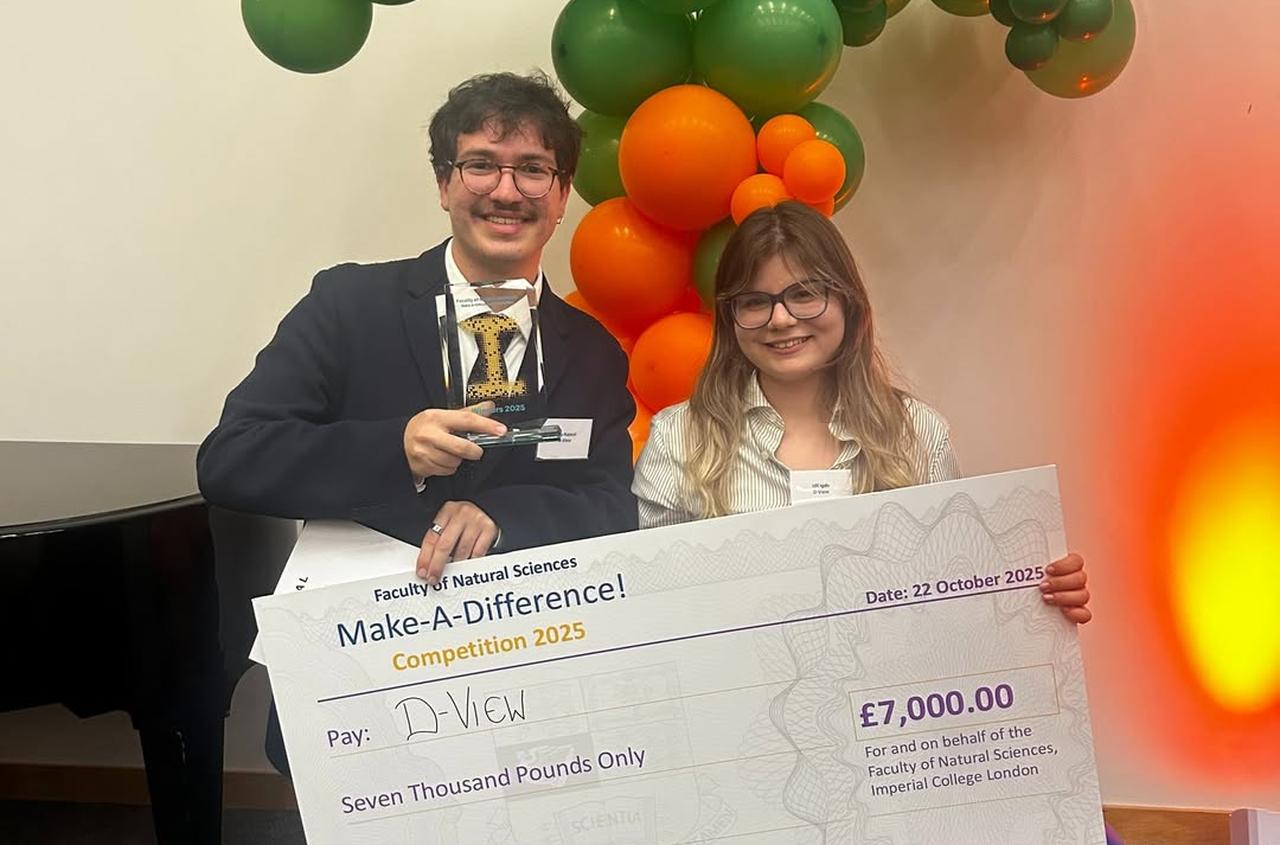
The project won Imperial College London’s Faculty of Natural Sciences “Make a Difference” innovation competition, which supports low-cost technologies addressing global challenges.
The students received a £7,000 ($9,554) prize to further develop the device.
Ramon Vilar Compte, vice dean of research at Imperial’s Faculty of Natural Sciences and founder of the competition, said the invention showed strong potential to deliver immediate social benefits.
The pair is now refining the technology and expanding its deployment to support search-and-rescue teams worldwide.
For Igde and Kancal, the goal remains urgent, as the threat of a major earthquake is never far from their minds.


 Set as preferred source
 Set as preferred source


 3 min read