Newsletters


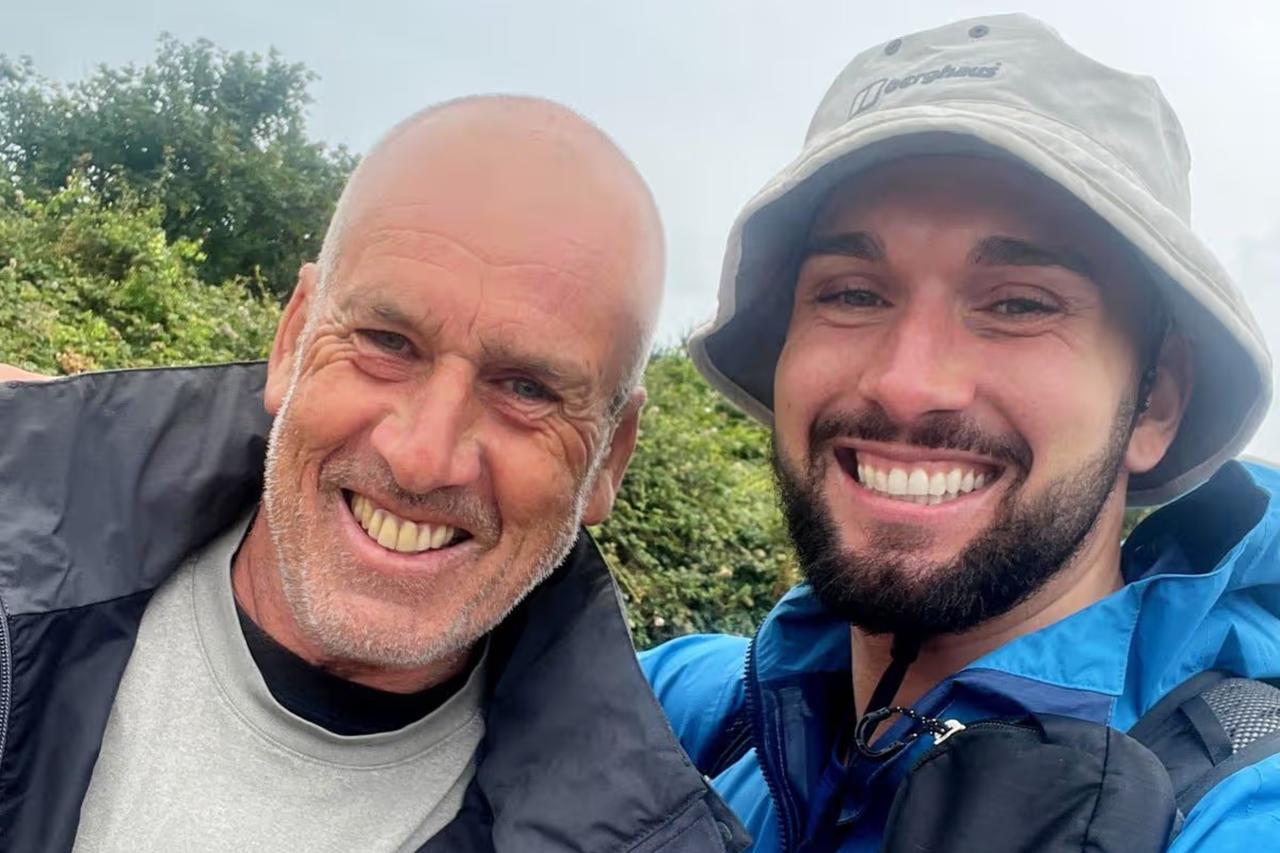


A British man who could not access an NHS dentist and later became medically unable to fly after a severe accident traveled across Europe using 14 trains and buses to complete dental implant treatment in Türkiye, turning a medical necessity into a four-day overland journey spanning multiple countries.
Nick Bishop, a 65-year-old builder from Bournemouth in southern England, chose to travel to Izmir for treatment after struggling to afford private dental care in the United Kingdom and failing to secure an appointment through the National Health Service (NHS), the U.K.’s publicly funded healthcare system.
Bishop had lived with dental problems for decades after losing his upper teeth in an accident at the age of 18.
While he managed with artificial teeth for many years, his condition worsened about five years ago, eventually forcing him to rely on removable dentures, which he found increasingly difficult to tolerate.
With costs in the U.K. proving out of reach, his son Jordan Bishop helped him look for alternatives online, carefully checking clinics to avoid scams. During work in London, Bishop visited a clinic that coordinated procedures carried out in Izmir, Türkiye, where treatment fell within his budget.
He ultimately paid £6,100 for dental implants, a procedure in which artificial tooth roots are surgically placed into the gums to support permanent replacement teeth.
Bishop travelled to Türkiye in July 2024 for the first stage of treatment, when implants were installed.
Doctors advised that the gums needed six to nine months to heal before the final stage could be completed, and he planned to return in January 2026 for follow-up work.
Just days before his scheduled flight, Bishop was seriously injured in a road accident when a car lost control on icy roads and crushed him between two vehicles.
The collision left him with a punctured lung, broken ribs, a broken femur, a dislocated knee, and a head injury, requiring nearly 10 days in the hospital.
Doctors later told him he could not fly for 12 weeks because air travel could worsen complications linked to the lung injury.
Rather than postpone treatment again, Bishop decided to find another way to reach Türkiye.
“The way I saw it, I could either sit at home doing nothing while I recover, or I could sit on a train and get somewhere. It's been a worthwhile journey, I can tell you that!” he said.
With help from his son, Bishop purchased a £500 Interrail pass, a ticket allowing flexible train travel across multiple European countries, and mapped out an overland route.
His journey began in Bournemouth and included numerous connections through major European cities, passing from London to Brussels, Munich, Budapest, Bucharest, Plovdiv, and Istanbul before finally reaching Izmir.
In total, he traveled on 12 trains and two coaches during the outbound journey, which took four days and involved 13 changes.
After completing treatment, he began a similarly complex return trip involving 13 trains over five days.
Although initially apprehensive, Bishop said U.K. doctors cleared him for travel, provided he avoided flying, which convinced him the journey was manageable.
According to his son, the trip marked the culmination of years of effort to resolve persistent dental problems that had shaped Bishop’s daily life since adolescence.


 Set as preferred source
 Set as preferred source



 3 min read