Newsletters


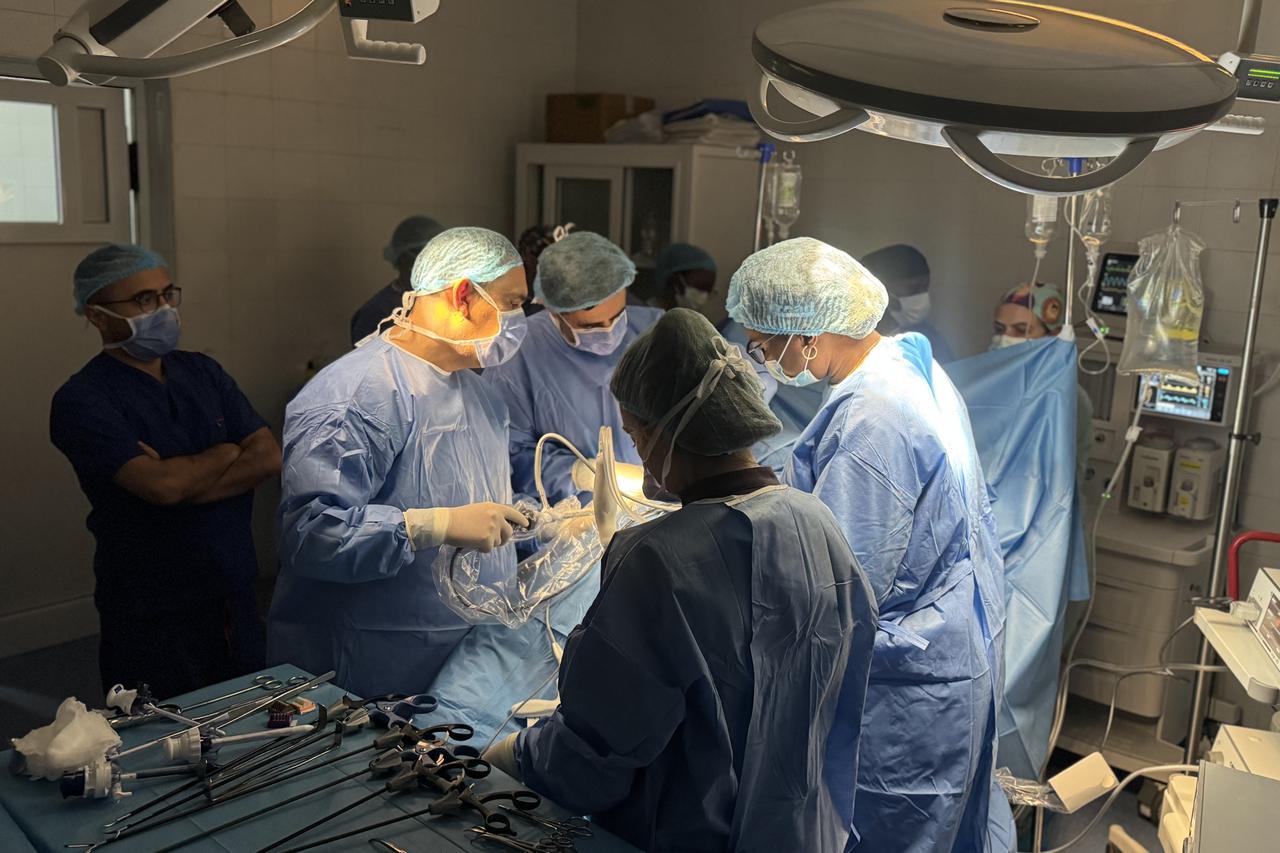


A team of Turkish doctors have successfully completed Senegal’s first kidney transplants from living donors using a laparoscopic technique, a minimally invasive surgical method that reduces recovery time and surgical risk. The operations, carried out in Dakar under Turkish leadership, are being seen as a turning point for organ transplantation in the West African country.
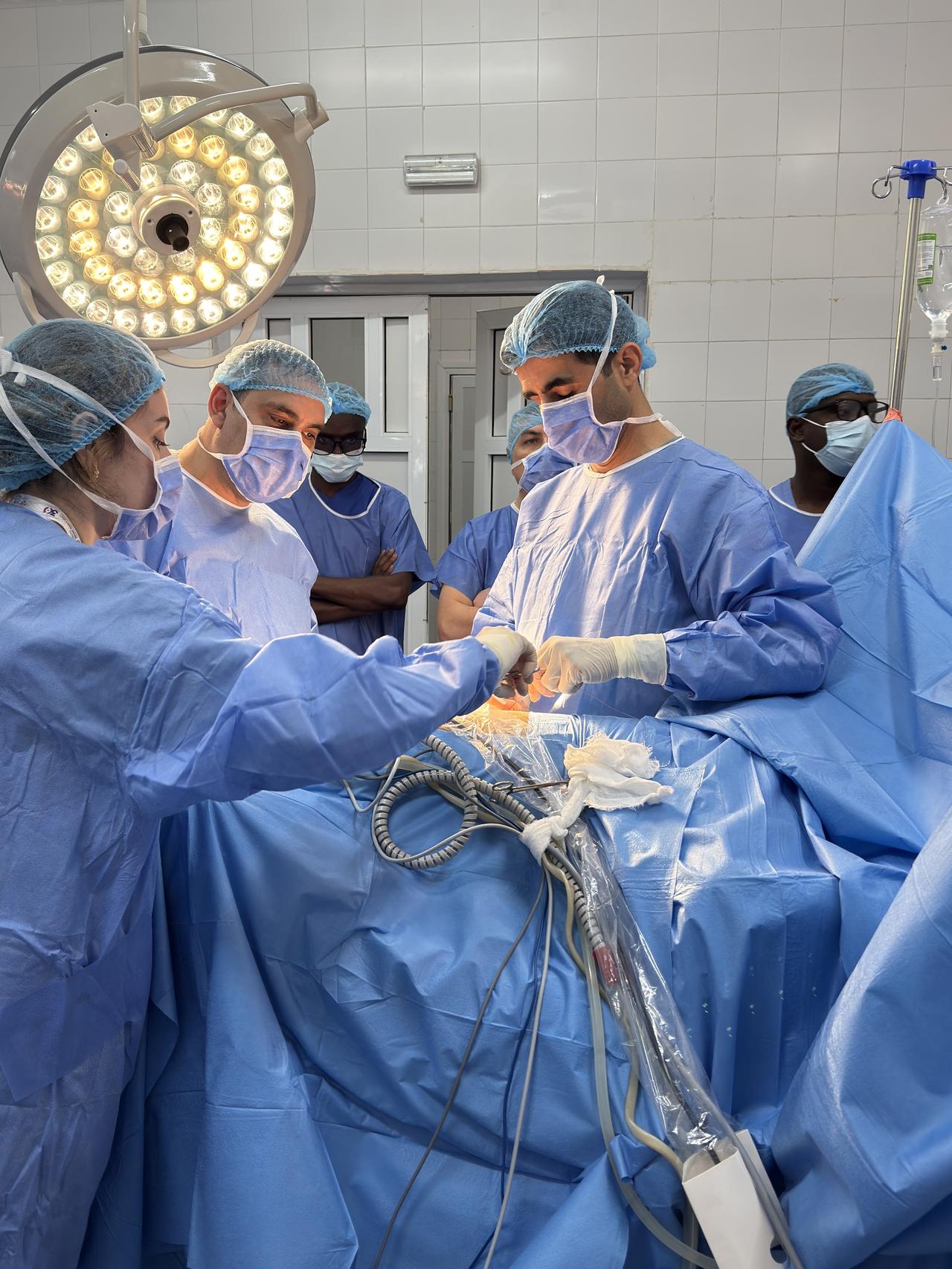
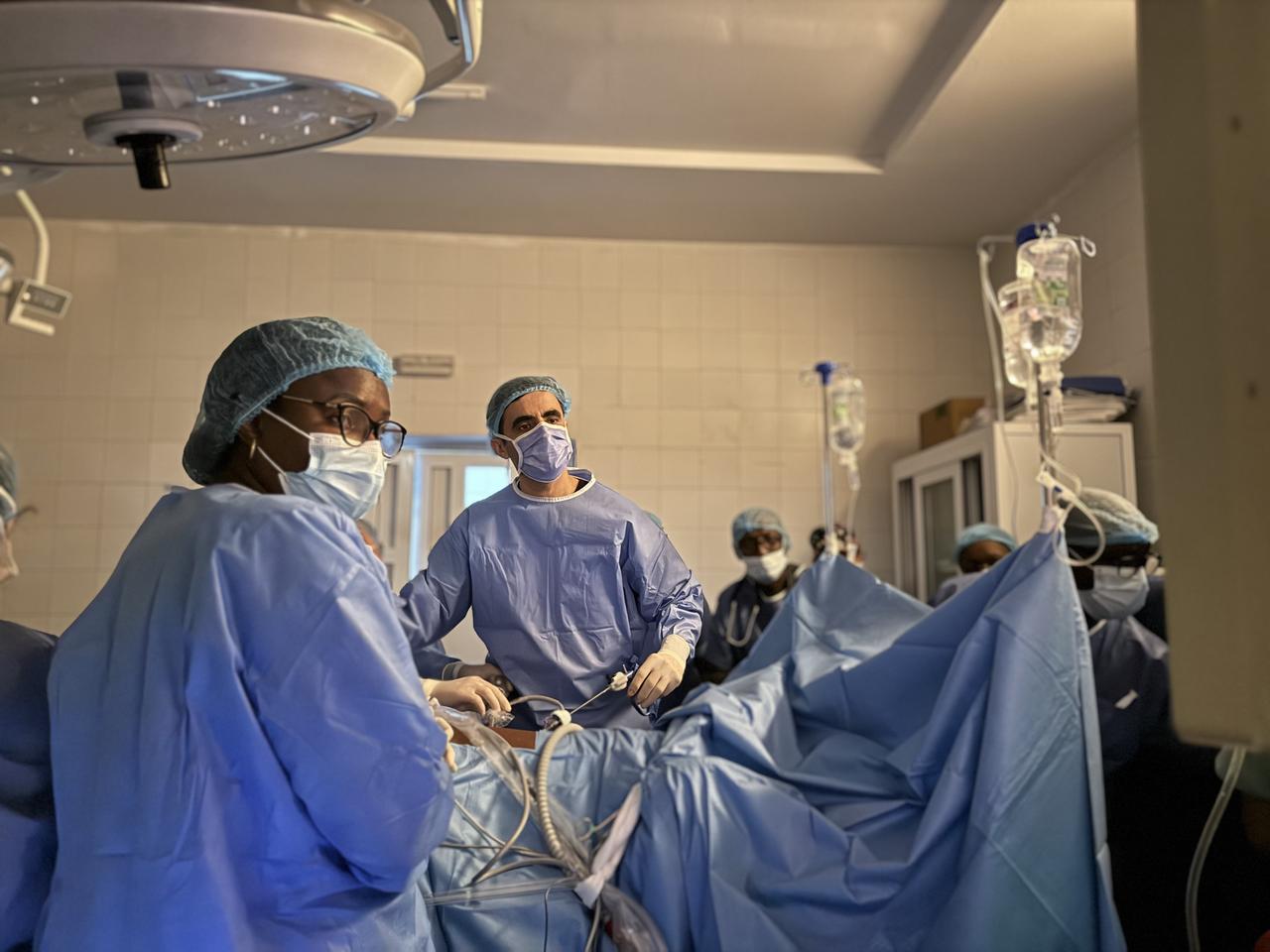
The procedures were performed at Ouakam Military Hospital in the Senegalese capital, where three patients received kidneys from living relatives. All donor surgeries were completed using laparoscopy, a technique in which surgeons operate through small incisions with the help of a camera, rather than open surgery. According to the medical team, this was the first time such a method had been applied in Senegal’s transplant history.
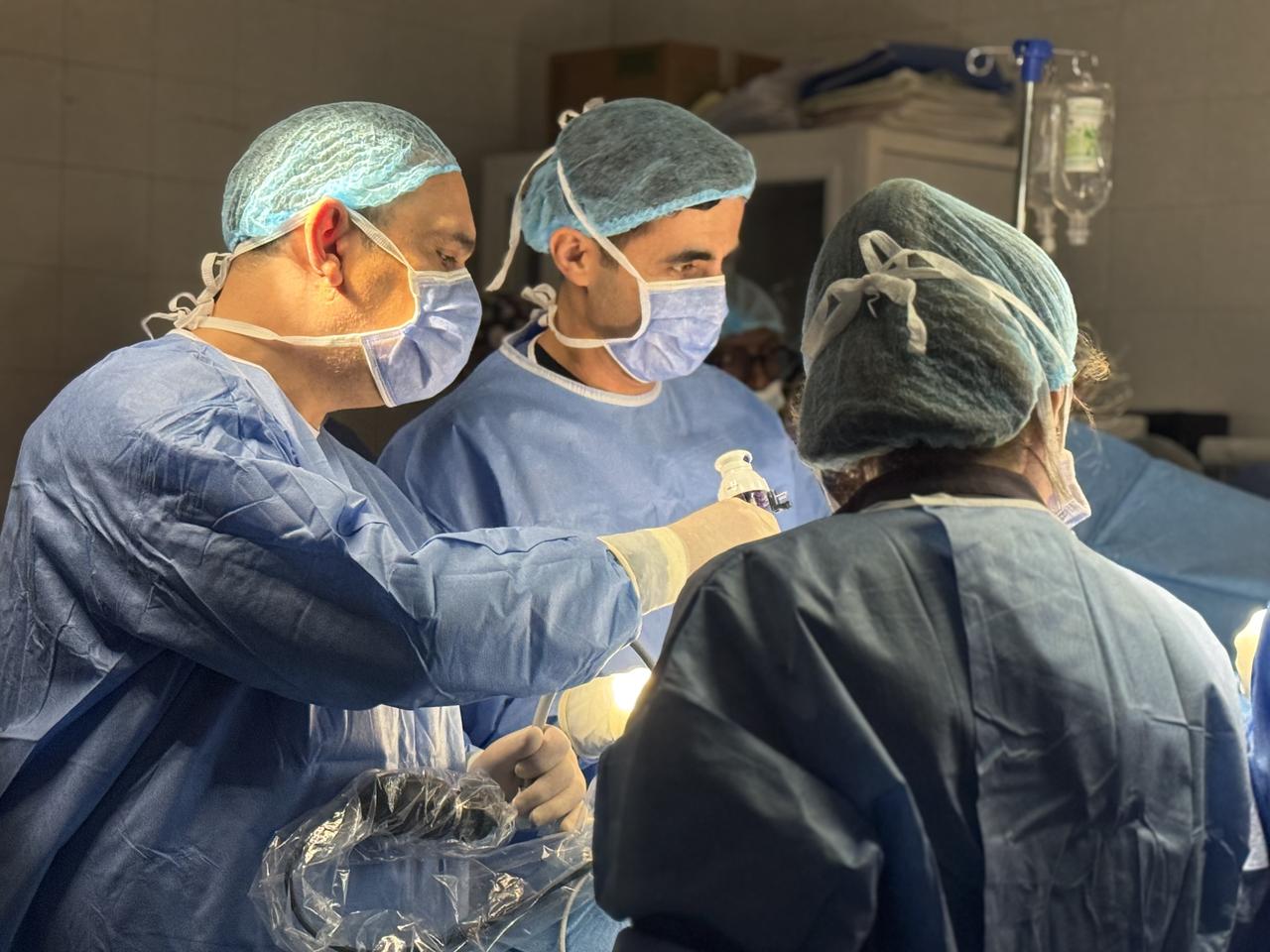

The operations were led by a 19-member delegation from Türkiye, including surgeons, nephrologists, anesthesiologists, nurses, and transplant coordinators. The mission was supported by the Turkish Cooperation and Coordination Agency and the Ministry of Trade, and coordinated by the Turkish Organ Transplant Foundation.
Professor Erdem Kinaci, the administrative head of general surgery and liver transplant director at Istanbul Cam and Sakura City Hospital, said the team had carried out three kidney transplants, all of which were successful. The transplants involved close family members, including siblings, an uncle and nephew, and a mother and son. Some additional candidates were assessed, but certain procedures were called off due to immunological or medical reasons.
Kinaci explained that all donor surgeries were carried out using the laparoscopic method, which is standard practice in Türkiye but had not previously been used in Senegal. He described this step as significant for the country, noting that it demonstrated both technical feasibility and the potential for safer donor surgery.
Kidney transplantation plays a crucial role in treating end-stage kidney failure, a condition that often leaves patients dependent on regular dialysis. In Senegal, access to dialysis is limited and costly, making transplantation a vital option for long-term survival.
Kinaci underlined that many patients with advanced kidney failure in Senegal face life-threatening challenges because dialysis services are not widely available. In this context, he said, successful transplants can mean the difference between life and death, allowing patients to break away from frequent dialysis sessions and regain a more stable quality of life.
He added that all transplanted patients were in good condition after surgery and that extensive preparation had been carried out beforehand. Laboratory tests were performed locally in Senegal, while some samples were sent to Türkiye for confirmation, ensuring international clinical standards were met.
Beyond the surgeries themselves, the Turkish delegation also held discussions with officials from the Senegalese Ministry of Health. These talks focused on setting up a sustainable organ transplant system in the country, including the long-term development of deceased donor, or cadaveric, donation, which requires legal frameworks, public awareness, and technical infrastructure.
Professor Birkan Bozkurt, deputy head of the Kidney Transplant Center at Istanbul Cam and Sakura City Hospital, said the operations were designed not only to treat patients but also to transfer knowledge and experience to local medical teams. He noted that all necessary medical equipment for the procedures had been brought from Türkiye and that close cooperation with Senegalese healthcare workers had been essential.
Bozkurt emphasized that in many developing countries, limited access to dialysis means kidney failure often leads to early death, making living-donor transplants especially important at this stage. He said patient recovery was progressing well, with good kidney function and no major complications expected.
For patients and their families, the presence of Turkish doctors provided reassurance. One donor, Merry Nafissatou Loum, who donated a kidney to her younger sister, said she had decided without hesitation after learning that her sister’s kidney disease had reached an advanced stage.
Loum explained that Turkish doctors are widely known in the region for their expertise in kidney transplantation, and their involvement made her feel confident about the procedure. She expressed gratitude to the medical team and to Türkiye, saying the operation had given her sister the chance to return to a normal life.


 Set as preferred source
 Set as preferred source


 1 min read
 1 min read