Newsletters


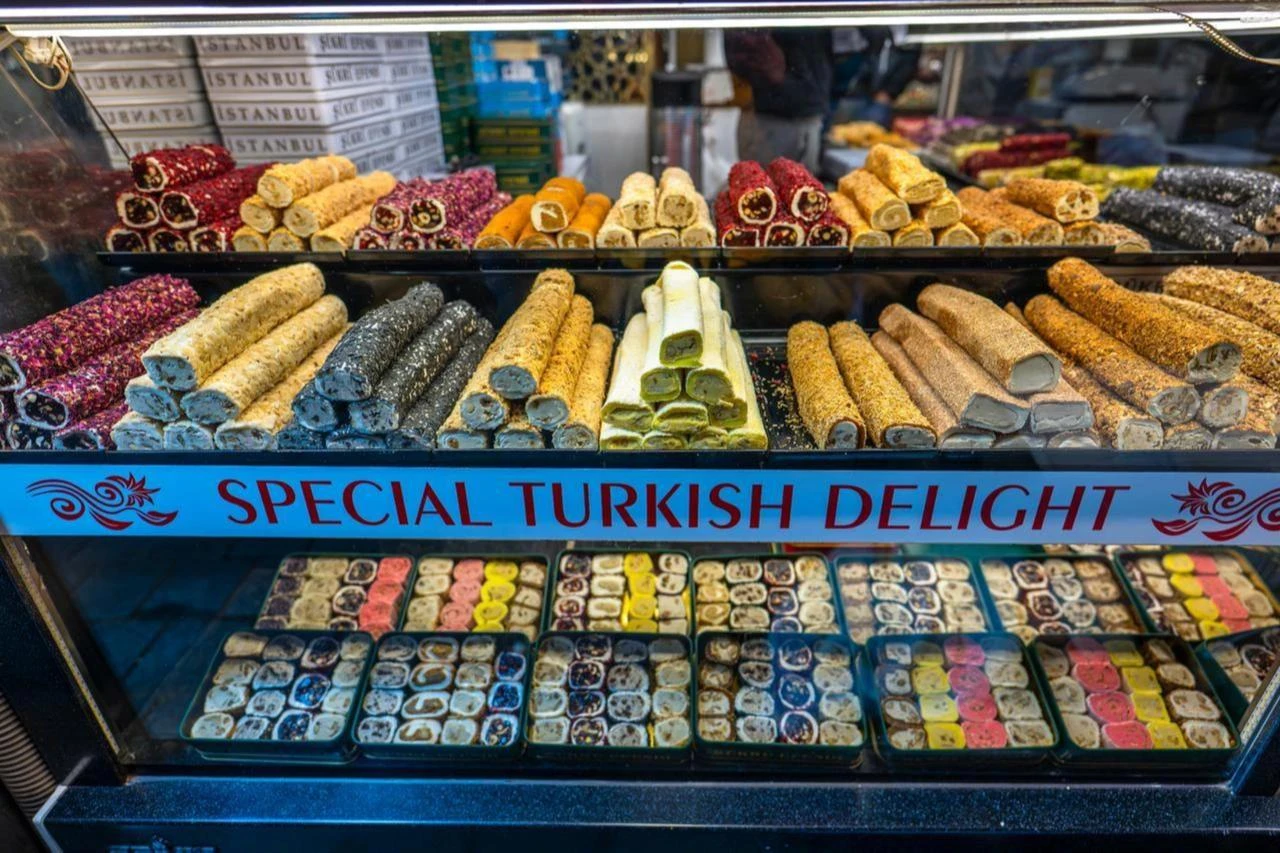


Türkiye's confectionery and pastry industry is preparing to step up its presence in the United States by focusing on authentic flavors, premium gifts and modern versions of traditional products rather than taking on major American brands through direct price competition.
The approach is set out in a new Market Entry Strategy Report prepared under Sweet Türkiye, a TURQUALITY promotion project designed to bring Turkish confectionery, chocolate and pastry products to global markets. TURQUALITY is a state-supported branding program that helps Turkish companies build up their international visibility and competitiveness.
The report lays out a roadmap for positioning Turkish products in the U.S. through sustainable, brand-led growth, with Turkish delight, halva and nut-based sweets expected to stand out as culturally distinctive alternatives.
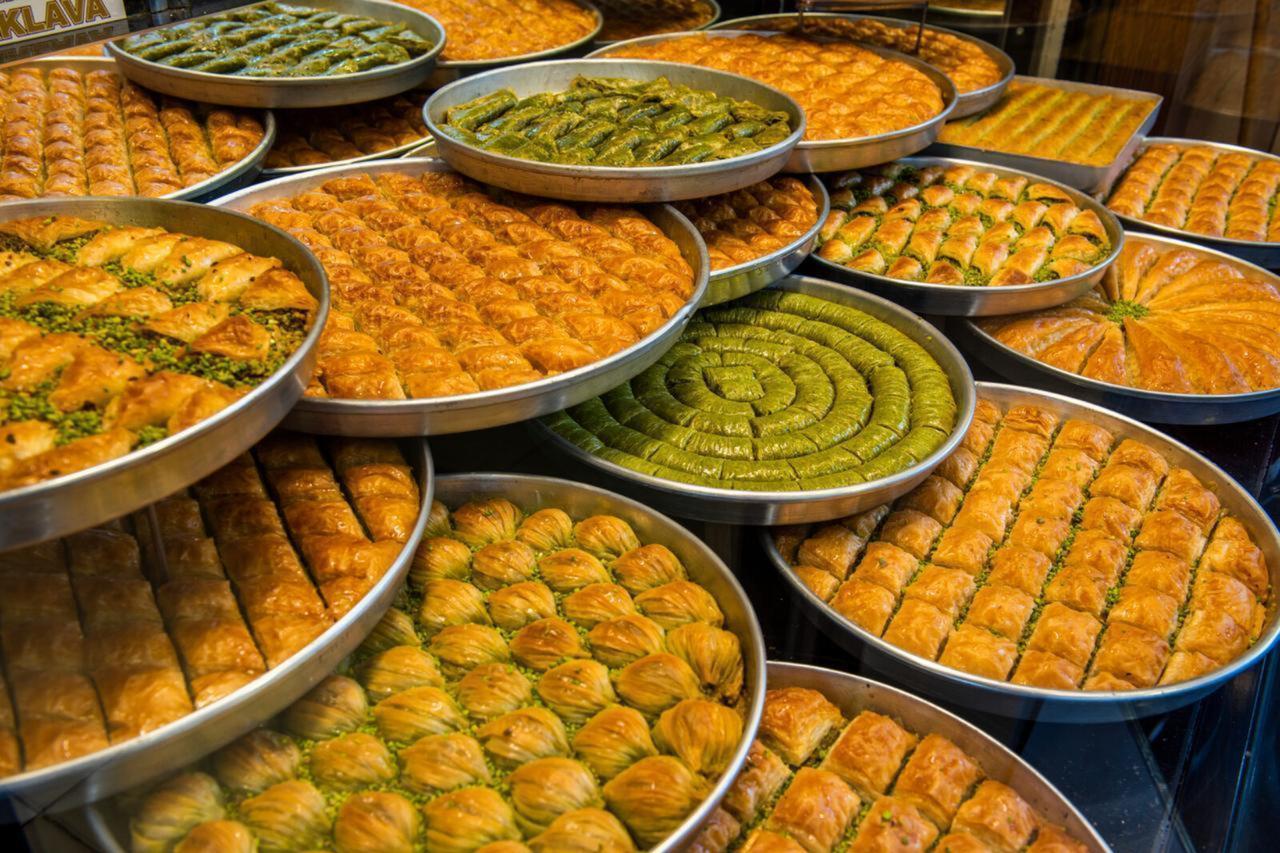

The U.S. confectionery and pastry market generates more than $55 billion in annual sales, making it one of the world's largest consumer markets for sweets.
Chocolate accounts for the largest share, followed by non-chocolate confectionery, gum and mint-flavored products. The United States also imports around $20 billion worth of products across these categories each year, opening up considerable room for international suppliers.
Türkiye already ranks seventh worldwide in confectionery exports, with overseas sales of about $923 million. It also exports approximately $947 million in chocolate products and $1.7 billion in pastry goods, placing the country among the world's 15 leading exporters in these categories.
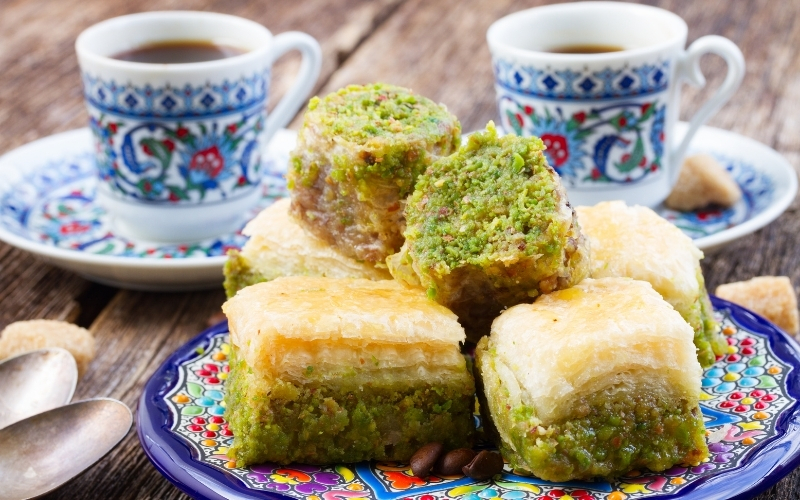
Domestic producers control about 67% of the U.S. market, making mass-market competition difficult for foreign companies facing high marketing costs and operational barriers.
The strategy therefore encourages Turkish exporters to move into areas where large American manufacturers are considered less dominant, including premium gifting, ethnic specialty products and authentic flavors.
Traditional products such as Turkish delight, halva and sweets made with hazelnuts or pistachios are expected to give Turkish brands a clear cultural point of difference. The report also calls for these products to be rolled out in modern packaging and innovative hybrid formats, including chocolate-covered Turkish delight bars.
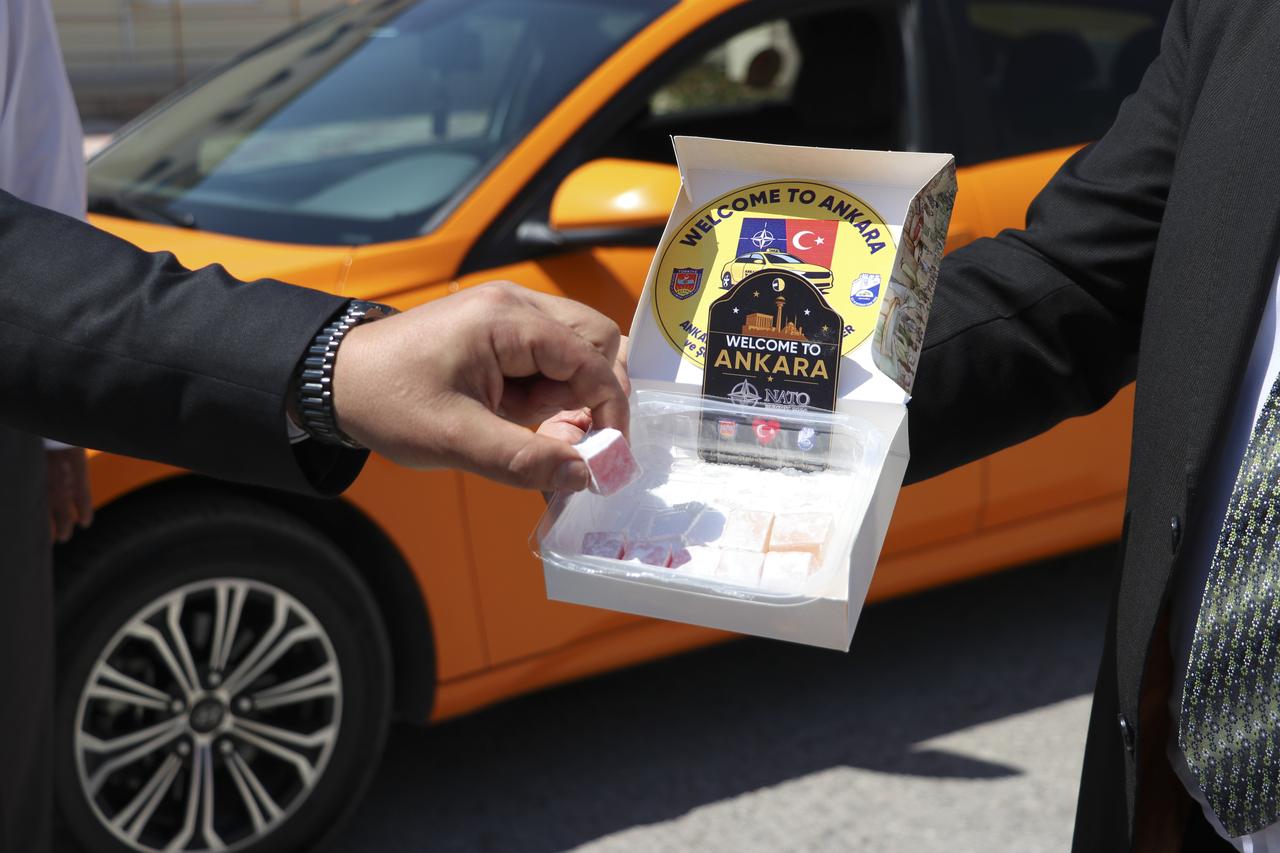
The strategy puts American consumers aged 18 to 35, particularly Gen Z and millennials, at the center of the project because they are considered more willing to try unfamiliar flavors and discover products through social media.
As digital platforms and content-driven engagement increasingly shape their purchasing decisions, the report suggests that social media-friendly packaging and cultural storytelling could help Turkish brands build stronger connections with younger buyers.
Pilot campaigns are planned for New York, New Jersey, Los Angeles and Chicago, where culturally diverse consumer bases could provide an effective starting point for Turkish confectionery brands entering the U.S. market.


 Set as preferred source
 Set as preferred source




 6 min read