Newsletters


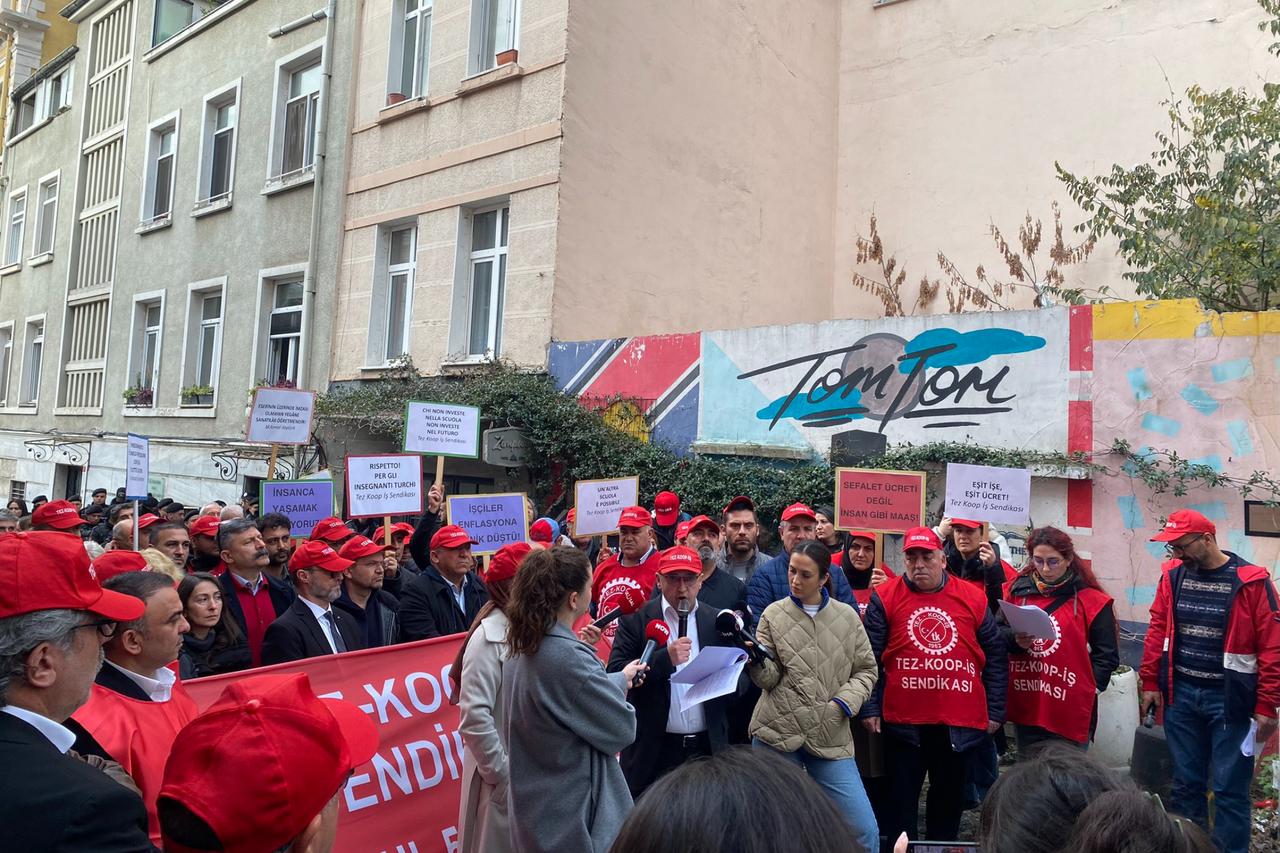


Turkish teachers at Istanbul’s Private Italian High School (Liceo Italiano IMI) are preparing for a legal strike after months of failed negotiations over pay and working-condition gaps with their Italian colleagues.
According to the Turkish teachers, they have reached a point where a legal strike process has “become an unavoidable stage,” after months of fruitless collective bargaining over what they describe as deep wage and working condition inequalities with their Italian colleagues.
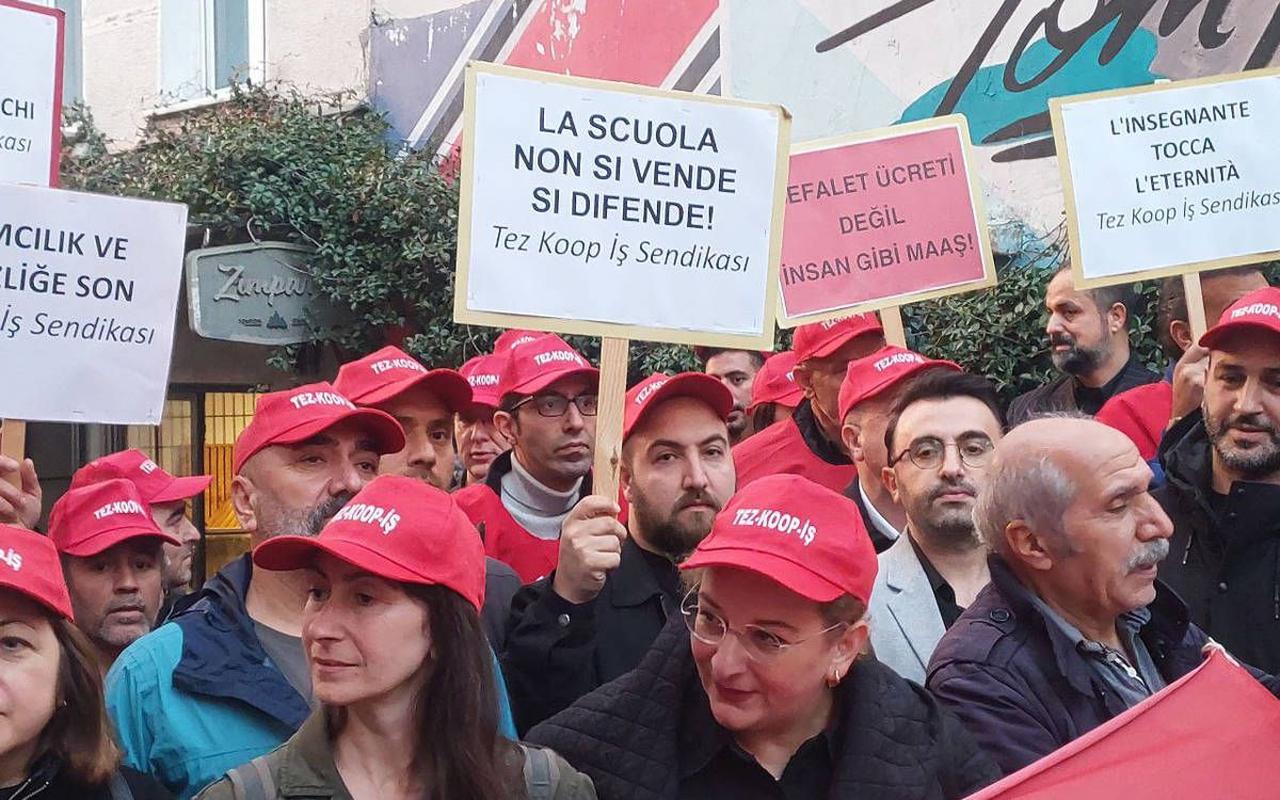
Gathering outside the school on Wednesday, members of the Tez-Koop-Is trade union underlined that they are not challenging the salaries of Italian teachers but are instead questioning why Turkish teachers at the same institution are “condemned to such low wages,” which they say fall far below the poverty line in Istanbul.

In their statement, the teachers argued that the public had already seen, through earlier announcements, the “heavy double standard and injustice” faced by Turkish staff at the school, and that the time for words had ended and concrete steps now had to be taken.
They said Turkish teachers and Italian teachers share the same corridors and enter the same classrooms, yet the Turkish staff work under a clearly lower status and far weaker financial conditions.
Pay differences can exist within an institution, they acknowledged, as long as they remain within reasonable limits, but they stressed that the current situation points to an income gap of as much as five to six times between the two groups.
The teachers insisted that no technical explanation or moral reasoning could justify such a gap, no argument could legitimize the heavier teaching load placed on Turkish staff, and no rationale could explain why they are assigned a lower status in their own country. They summed up their concern with a pointed question: “Is the reason for this discrimination that our teachers are Turkish?”
According to the statement, the problem does not stop at wages and extends to lesson loads and working conditions. The teachers said that when a Turkish teacher steps in to cover a colleague’s class, they are denied any extra payment, while an Italian teacher performing the same substitution receives additional compensation. At the same time, Turkish staff are reportedly subject to much heavier teaching timetables and extra supervisory duties.
Tez-Koop-Is set out its demands in clear terms. The union said salaries for Turkish teachers at the school should be set with reference to pay standards in equivalent foreign schools operating in Türkiye, and that the current discriminatory model should be abandoned in favor of an “equal pay for equal work” approach.
The teachers declared that they “refuse to work below the poverty line,” noting that union figures show Turkish staff at the school are employed at around 40% below the officially defined poverty threshold for Istanbul. They said they want to hold on to economic and social rights that are worthy of human dignity and to secure the level of pay needed to sustain high-quality education.
The union stressed that the situation that Turkish teachers face at the Private Italian High School did not emerge overnight but was the result of a policy pursued by the school administration in recent years, which gradually pushed a low-wage approach to what they called an “unjust” extreme.
Tez-Koop-Is recalled that collective bargaining over a new agreement had been underway for more than four months, but that negotiations and a subsequent mediation process had failed to deliver any progress. The teachers said the school management’s latest offer remained unchanged: a 0% pay rise for 2025, 15% for 2026 and again 0% for 2027, despite current economic conditions.
They underlined that it was impossible for them to accept this proposal and that, although they had maintained a constructive attitude at the bargaining table until the end, their efforts had not been met by the administration. As a result, they said, “At this point, the legal strike process has become an unavoidable stage,” adding that the strike decision was no longer a preference but an obligation arising from circumstances.
Throughout the statement, the teachers repeatedly emphasized that their primary wish is to be in their classrooms, devoting all their energy to their students. They said empty classrooms are not their choice and that the sustainability of education cannot be based on one-sided sacrifices from teachers alone but requires a fair and balanced management approach.
The union argued that the main responsibility for preventing disruption to education lies with the school administration, which it said must create a reasonable space for compromise. It urged parents to focus their concern on demanding a solution from management, noting that students are the core of the school, while parents are essential stakeholders who sustain the institution through high tuition fees.
The statement pointed out that parents have been financing the school with rising fees, especially in euros, and claimed that in the past four years tuition had increased sharply in foreign-currency terms while teachers’ wages had risen only minimally. Addressing parents directly, the teachers said it was their natural right to ask: “Where is the investment going if it is not made in teachers?”
Tez-Koop-Is also appealed to state institutions, calling on the Ministry of National Education and the Ministry of Foreign Affairs to show clearly that Turkish teachers are not left without support, and to protect their professional honor and social standing.
The union said history teacher Ilhan Gulek had spoken during the event about the economic and psychological pressure experienced by staff, and had repeated their demands for equal pay for equal work and working conditions that respect human dignity. According to the statement, the school management’s uncompromising stance had turned the strike process into “a necessity.”
Tez-Koop-Is reiterated its demands for fairness in lesson and duty loads, an equal pay policy and full recognition of trade union rights at the school. It also warned that any arbitrary attempt to dismiss teachers during this process would amount to a violation of constitutional rights. The union concluded that it would continue to defend all Turkish teachers at the Private Italian High School and that this struggle is not only about wages but about equality, honour and human dignity.
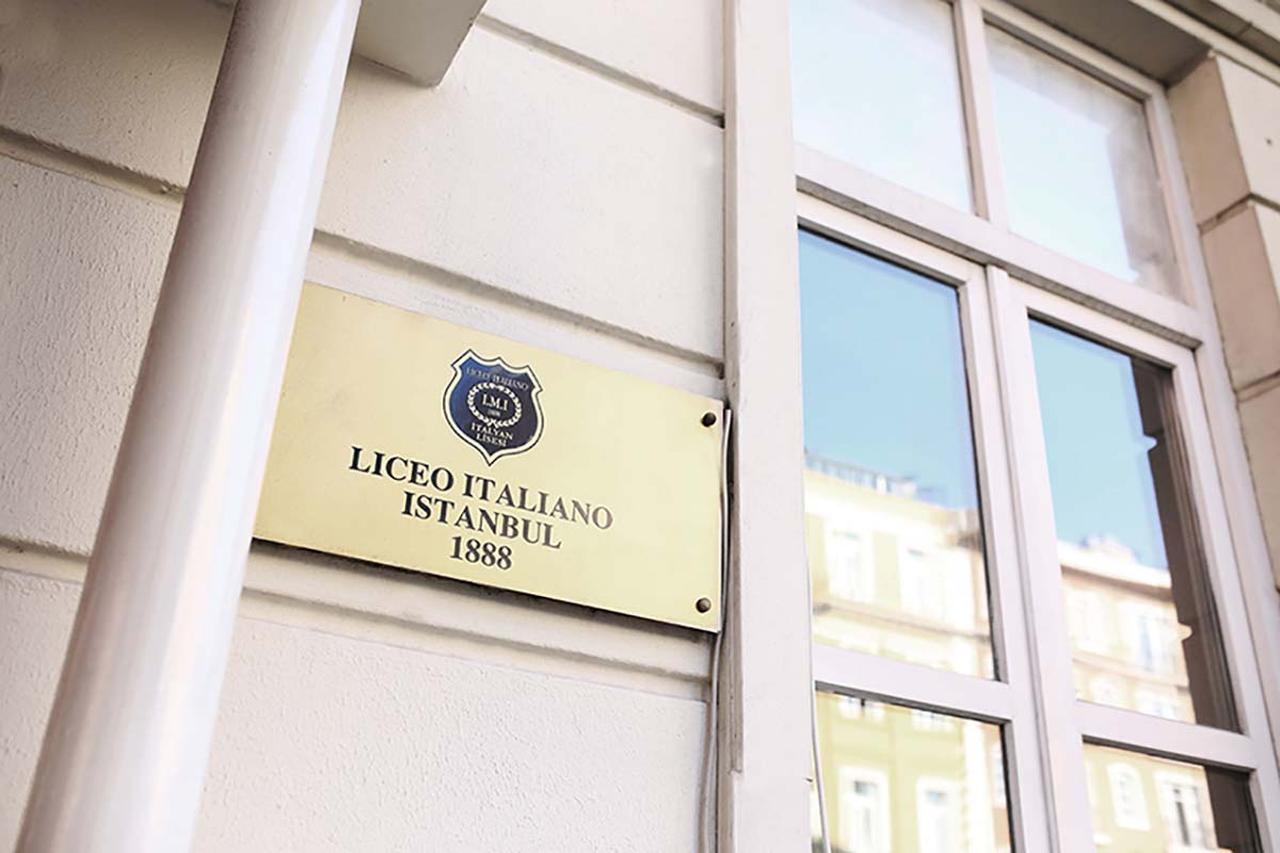
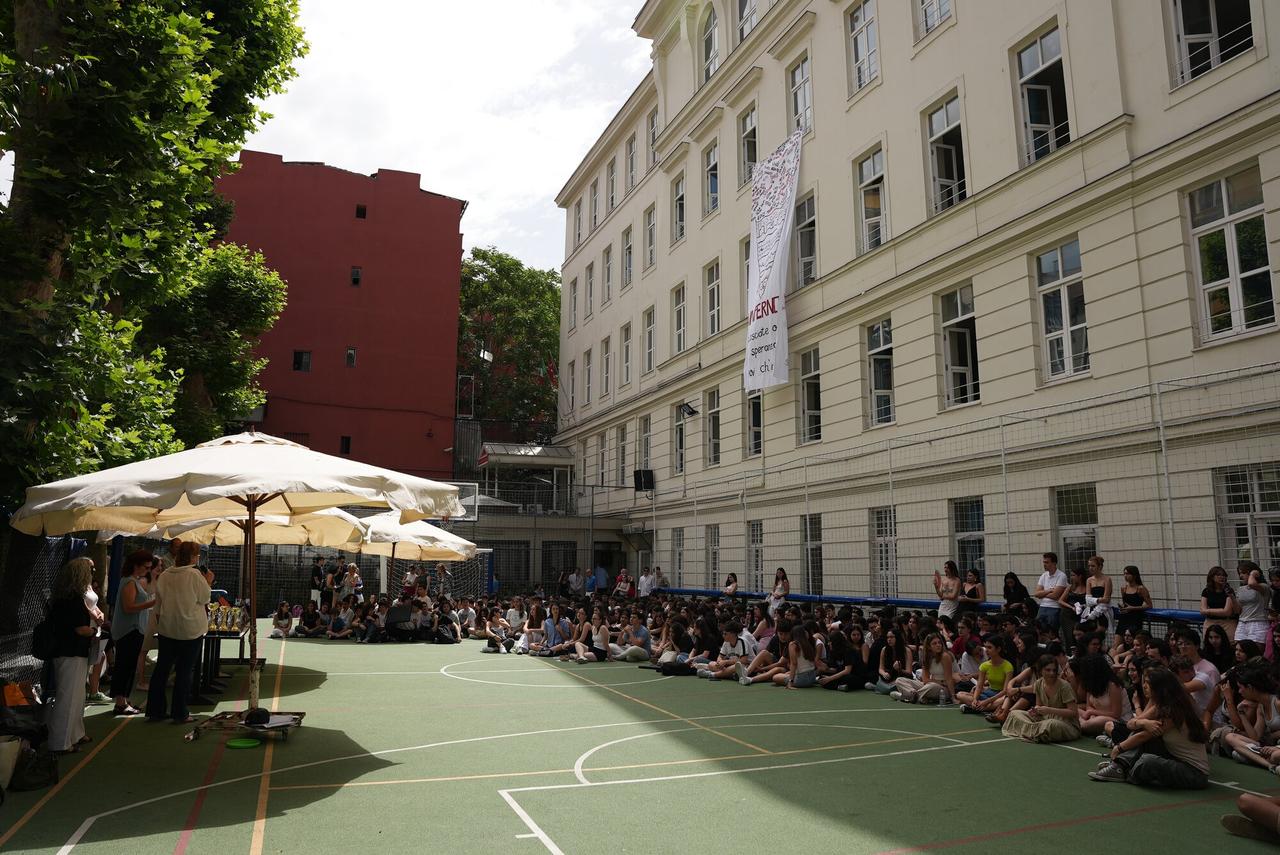
In the Turkish system, it holds the status of a foreign private school, while in the Italian system, it is treated as a state school. This dual structure allows Turkish students who follow the Italian curriculum and pass the required examinations to obtain an Italian state diploma alongside their Turkish qualification, which can be used to apply directly to universities in Italy, European Union member states and other countries.
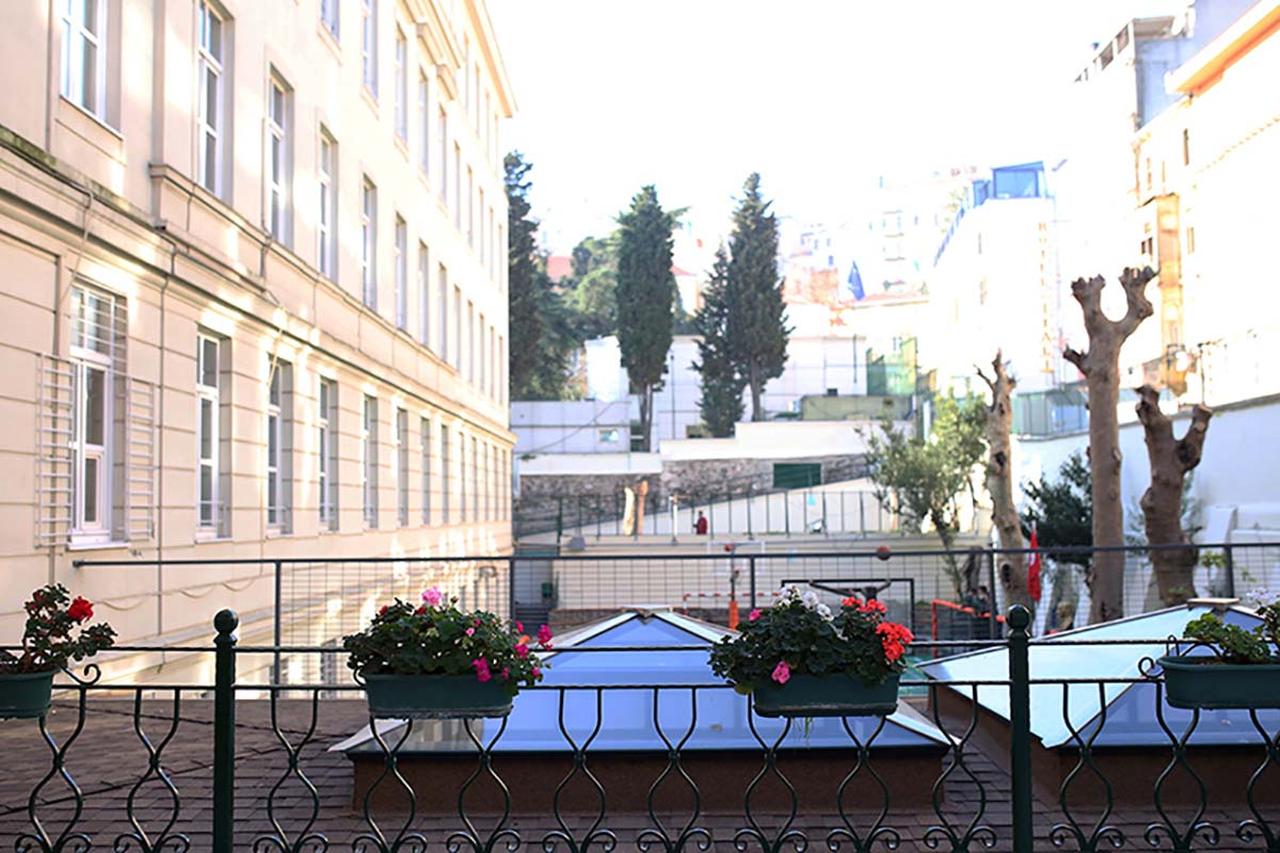
Housed in a multi-story masonry building dating back to the late Ottoman period, the school has 20 classrooms, small course rooms, administrative offices, a sports hall, laboratories, a computer lab, a multipurpose hall, a library and an archive. Over more than a century, it has seen successive generations of Turkish and Italian teachers work together to educate thousands of students who have gone on to professional careers in Türkiye and abroad.


 Set as preferred source
 Set as preferred source



 2 min read