Newsletters


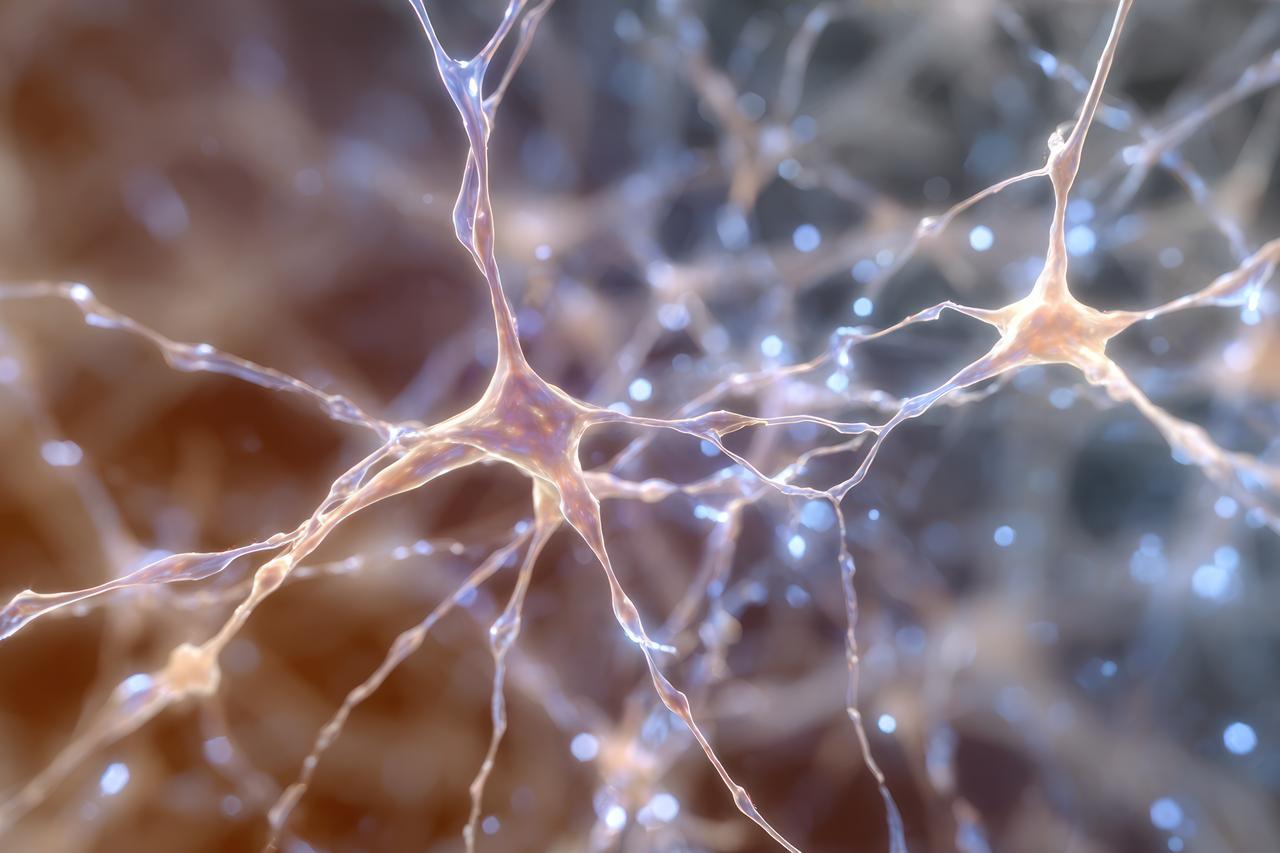


Turkish researchers are developing the country’s first laboratory grown mini-brain to study a rare genetic disorder and test future treatments.
Acibadem University, Altinbas University and the HERDEM Care Association have launched a joint project to better understand the rare TBL1XR1 genetic disorder and explore possible treatment paths, Gazete Oksijen reported.
The initiative will develop Türkiye’s first brain organoid, often described as a mini-brain, in a laboratory setting.
The project will move forward in cooperation with Harvard University. Researchers say the organoid will not only help study TBL1XR1 but may also open new research avenues for neurological conditions such as epilepsy and autism.
According to Prof. Dr. Yasemin Alanay, director of the Acibadem University Rare Diseases and Orphan Drugs Application and Research Center, advances in genetics could transform diagnosis within the next decade.
“In the next 10 years, every gene’s mechanism and function will be understood,” she said, adding that cellular level corrections will first take place in the laboratory.


The TBL1XR1 gene links to neurodevelopmental problems in children and can present with learning difficulties, epilepsy and autism like symptoms.
Families came together after the diagnosis of Erdem, the son of HERDEM Care Association Chair Dr. Aysegul Altinbas, and began raising awareness about the condition.
Under the leadership of the Acibadem center, scientists will model a microscopic brain structure that carries the genetic and functional features of the human brain. Alanay said researchers will apply genetic treatments directly to the organoid rather than to patients.
“This will allow us to test new drugs,” she said. “We will be able to work in such a laboratory environment without moving to animal experiments. We do not want to harm animals, and an experimental animal’s brain can only model the human brain to a limited extent.”
Researchers expect the development process to take several years with current technology.
Harvard Medical School Professor Dr. Florian Eichler, who also directs the Massachusetts General Hospital Center for Rare Neurological Diseases, has already started working on this gene. Some clinical studies have also begun.
In 2024, after the Altinbas family received the diagnosis for their child, they traveled to Harvard. Doctors collected skin samples and developed multipotent stem cells. Alanay said the collaboration allows Turkish researchers to build on this stage rather than starting from scratch.
The human body contains around 20,000 genes.
Researchers have identified about 7,000 rare genetic diseases linked to these genes, but only 5 percent have a definitive treatment. Globally, rare diseases affect around 300 million people. In Türkiye, estimates range between 4 and 6 million.
Alanay said genetic diagnosis rates have increased significantly. Before the Human Genome Project, doctors identified about 5 percent of rare genetic diseases. Today, that figure has reached around 50 percent.
She noted that public hospitals in Türkiye provide certain first level genetic tests free of charge. In 2021, the Rare Diseases Center launched the ISTISNA platform in cooperation with Prof. Dr. Ugur Ozbek, supported by the Istanbul Development Agency.
Through the undiagnosed patient program led with Assoc. Prof. Dr. Ozlem Akgun, doctors can apply via a website and the Acibadem center. The team can provide a diagnosis in about 30 percent of cases at the next stage.
“We are making an effort so that no child remains undiagnosed,” Alanay said. “In the next 10 years, it seems there will be no undiagnosed children.”
She also urged families and doctors to pay close attention to developmental differences. If a child shows delays in speech, language, social skills or motor development compared to peers, families should consult a doctor.
Doctors should also listen carefully to mothers’ observations and follow up when needed, she added.


 Set as preferred source
 Set as preferred source



 3 min read