Newsletters




Türkiye has taken a significant step in biotechnology after scientists announced the development of the country’s first dual-targeted smart cancer drug candidate.
The molecule uses bispecific antibody technology that can bind to two separate cancer cell receptors at the same time. Researchers say the breakthrough may help overcome drug resistance in cancer treatment and reduce Türkiye’s reliance on imported oncology medicines.
The project was led by molecular biology and genetics specialist Associate Professor Dr. Urartu Seker and his research team.
The study was funded by the Scientific and Technological Research Council of Türkiye. TUBITAK and carried out at the TUBITAK Marmara Research Center, drug development infrastructure.
The team confirmed that the molecule has been functionally verified in laboratory settings. Clinical trials have not yet begun.
The research group chose not to patent the discovery. Instead, they released the technology openly to allow other scientists to build upon the platform and expand domestic research capacity.
Dr. Seker stated that the project produced more than a single molecule. “We did not only develop a molecule. We learned how to develop such drugs. The know-how now exists in Türkiye. There is no technical barrier ahead of us,” he said.
The next phase includes improving the molecule and preparing for phase one and phase two clinical trials. Public funding and investment planning are now underway.
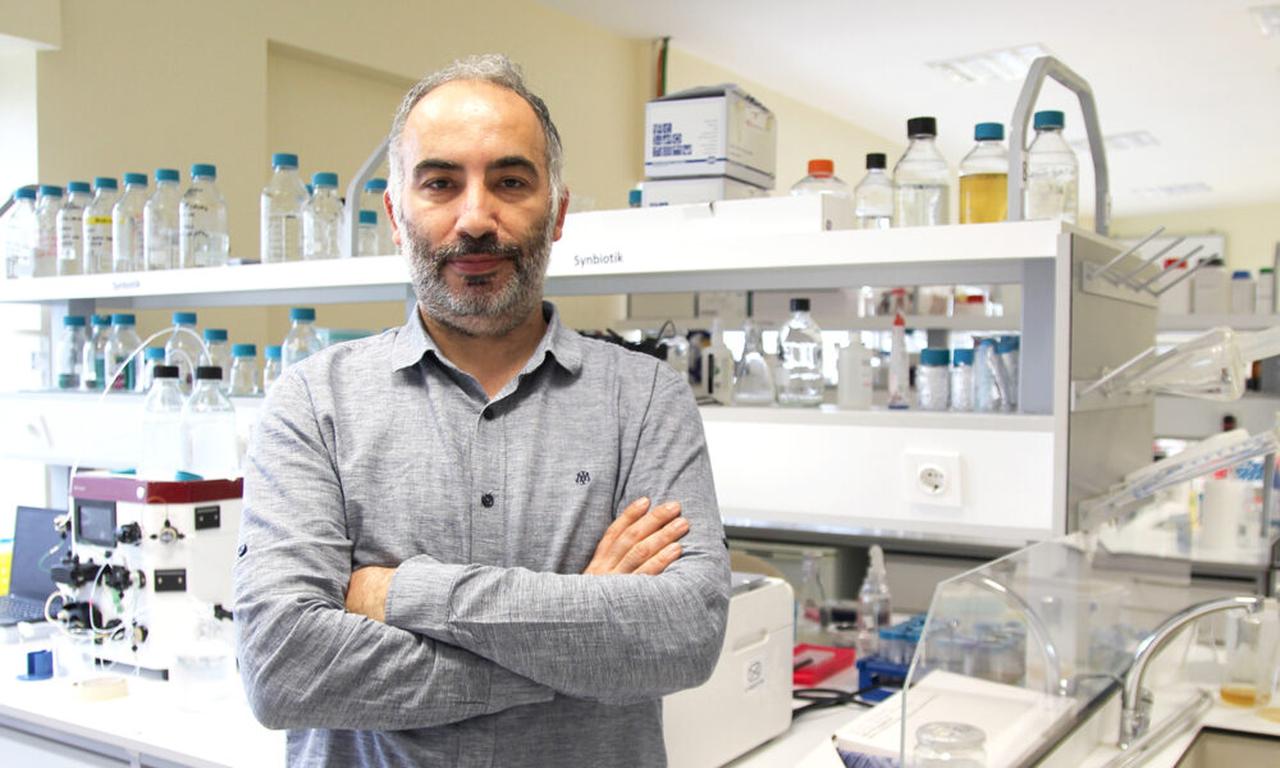

Dr. Seker explained that most existing smart cancer drugs focus on a single target. Over time, cancer cells mutate and develop resistance, which weakens treatment effectiveness. The newly developed molecule targets two receptors simultaneously.
The bispecific antibody binds to EGFR and HER2 receptors on tumor cell surfaces. This approach aims to block multiple escape mechanisms used by cancer cells.
“This method closes escape routes for tumor cells. Drug resistance becomes much harder to develop,” Dr. Seker said. He compared the approach to locking a cancer cell through two doors at once.
The technology combines two existing smart drug mechanisms into one genetically engineered molecule. According to the research team, scientific data show that merging the two mechanisms inside a single bispecific structure produces stronger effects than administering the drugs separately.
The candidate drug has potential use in breast cancer and several other cancer types.
Researchers say the development demonstrates that Türkiye has entered advanced biotechnology fields such as antibody engineering and smart biotherapeutic production.
Türkiye currently imports all smart cancer drugs used in treatment. This creates a financial burden for both patients and the national healthcare system.
Researchers say domestic production of such medicines could reduce foreign dependency in the pharmaceutical supply.
“This work is not only a publication. It is a technology platform,” Dr. Seker said.
He added that releasing the technology without patent restrictions allows other researchers to expand and improve the platform.
The study was completed through collaborative scientific effort despite infrastructure and resource limitations. The team now plans to advance the molecule toward clinical readiness with sustained public support and investment.
Scientists involved in the project describe the achievement as a milestone for biomedical innovation in Türkiye. They emphasize that the pace of clinical progress will depend on continued funding and institutional backing.


 Set as preferred source
 Set as preferred source



 3 min read