Newsletters


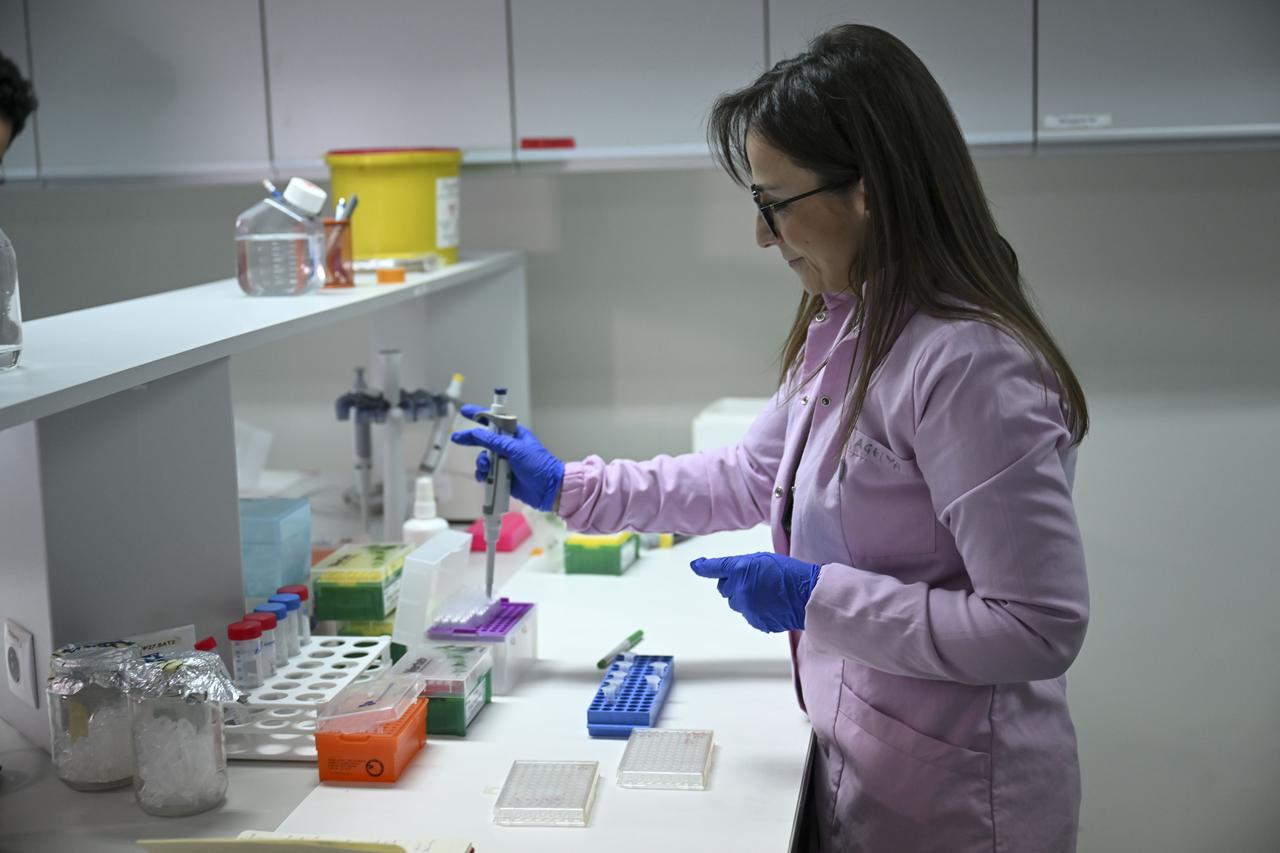


Turkish researchers are set to lead an international effort aimed at reducing cancer treatment side effects by developing AI-supported “smart drug” delivery systems that can help medicines home in on tumor and cancer cells while limiting harm to healthy tissue.
The project, called OMNIA, will be coordinated by Ankara University and will focus on nano-scale carrier systems designed to transport therapeutic agents directly to diseased cells. In this context, “nano-scale” refers to structures built at the level of nanometers, meaning one-billionth of a meter, a size range researchers associate with nanomedicine approaches.
Ankara University biomedical engineering faculty member Assoc. Prof. Acelya Yilmazer Aktuna will head the work with a team that includes researchers from multiple countries. The project’s core goal is to increase the effectiveness of cancer treatment while cutting down on damage to healthy cells, which is widely tied to side effects during treatment.
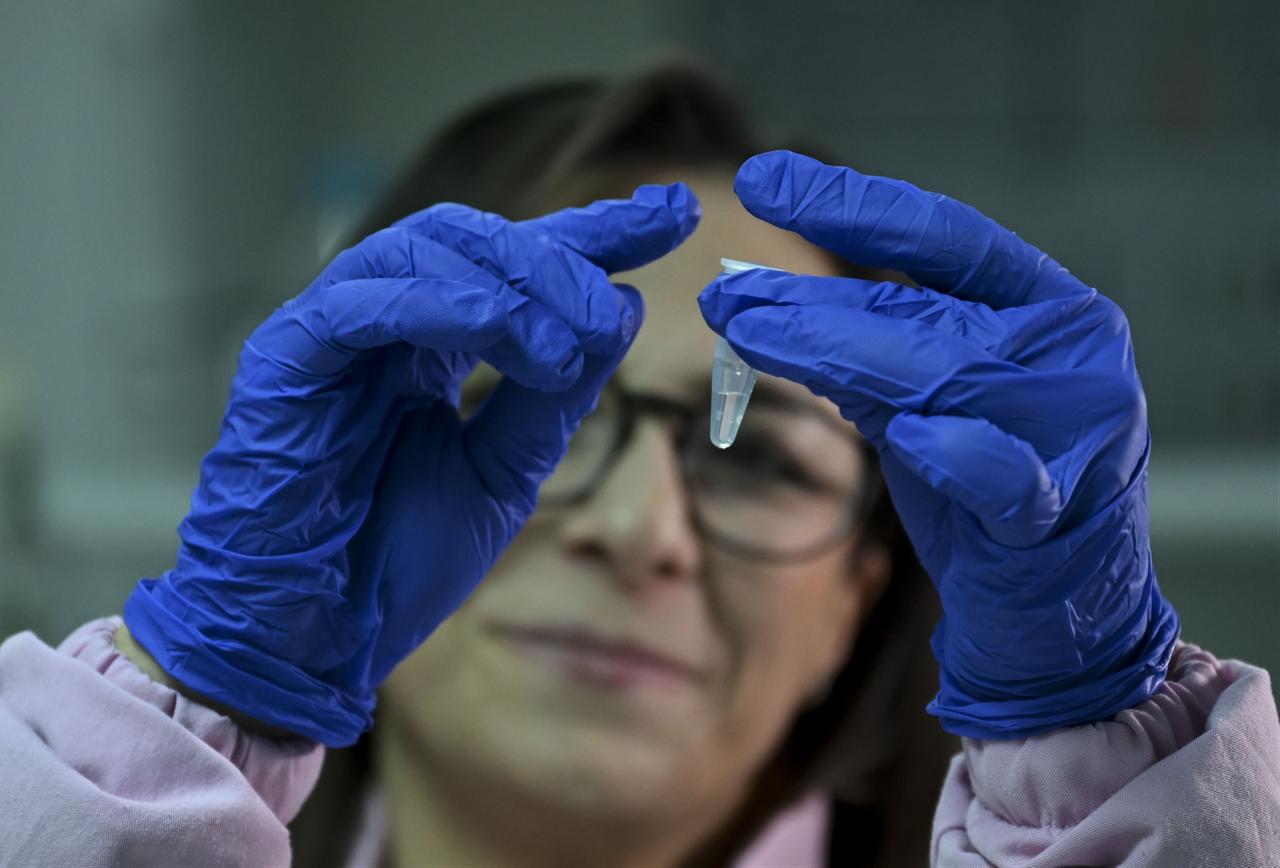

Following evaluation, OMNIA has been selected for support under the European Union’s Horizon Europe program. The initiative will be carried out by 20 institutions across 16 countries, with funding of 1.8 million euros made available under the Marie Sklodowska-Curie Actions (MSCA) Staff Exchanges 2025 call.
Aktuna said the partnership brings together countries from Europe as well as the United States, Asia, and the Middle East, underlining the project’s cross-regional structure.
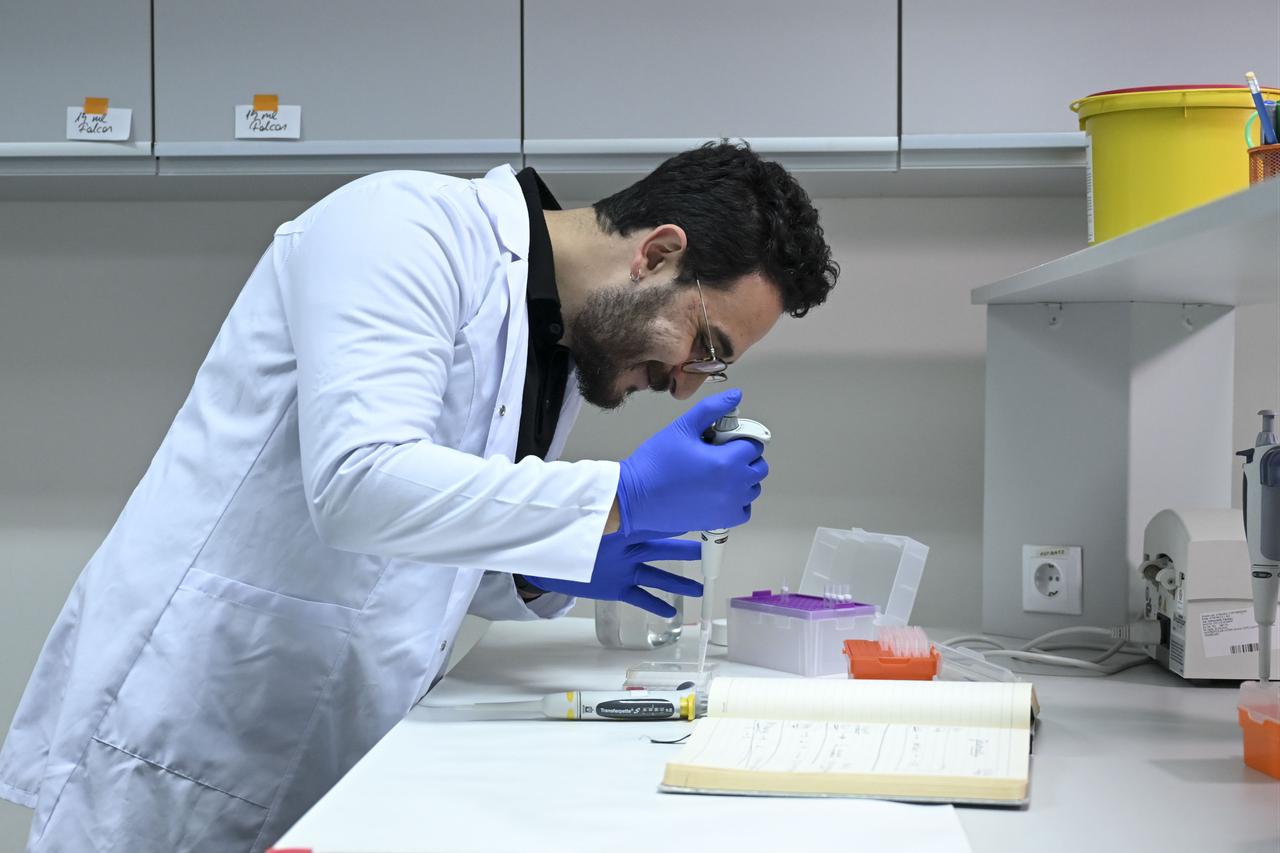
Aktuna pointed to a central challenge in cancer therapy: medicines and other therapeutic agents can end up affecting healthy cells, not only the tumor, which can drive side effects. OMNIA, she explained, is built around nano-carriers that can be loaded with drugs and, by making use of their size advantage, can reach tumor cells more effectively.
She also described nanomedicine as an area where many products are developed in research laboratories, yet those outputs do not always make it through to patients and clinical use at the same speed. OMNIA, she said, is intended to look more closely at factors that can block that transition and contribute to resistance and recurrence, with the broader aim of helping more effective and safer treatments get built up.
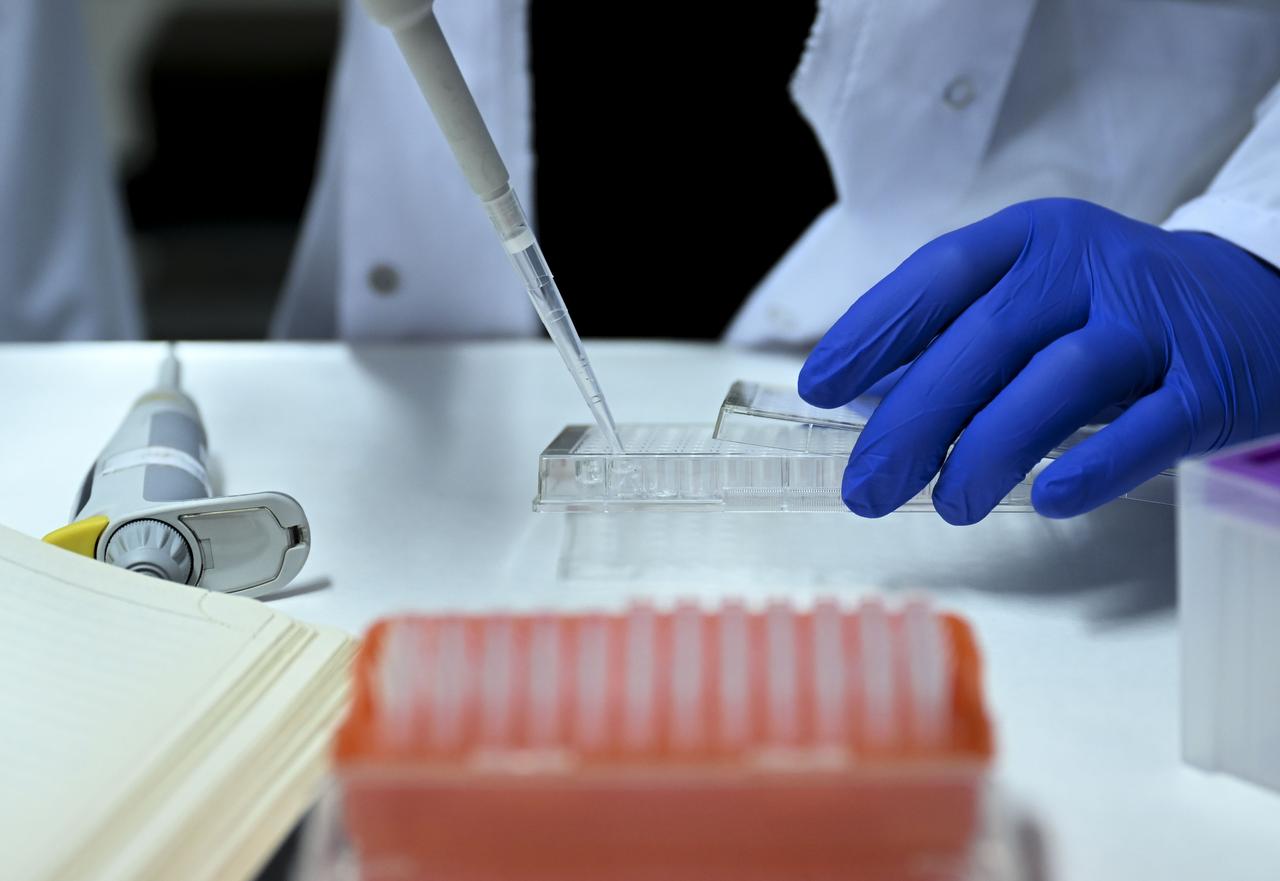
Aktuna emphasized that cancer’s complex and heterogeneous nature can make it hard to interpret large volumes of data, and that OMNIA plans to draw on artificial intelligence (AI) to help spot patterns and processes that may be difficult to pick up through conventional analysis.
In her account, AI-based algorithms are expected to help researchers better understand processes that can change depending on both the course of the disease and the treatment applied, thereby helping the team see what might otherwise be missed.
Aktuna highlighted the significance of the project being run under Ankara University’s coordination, framing it as evidence that both the university and Türkiye can take on leading roles in international research projects.


 Set as preferred source
 Set as preferred source


 2 min read