Newsletters


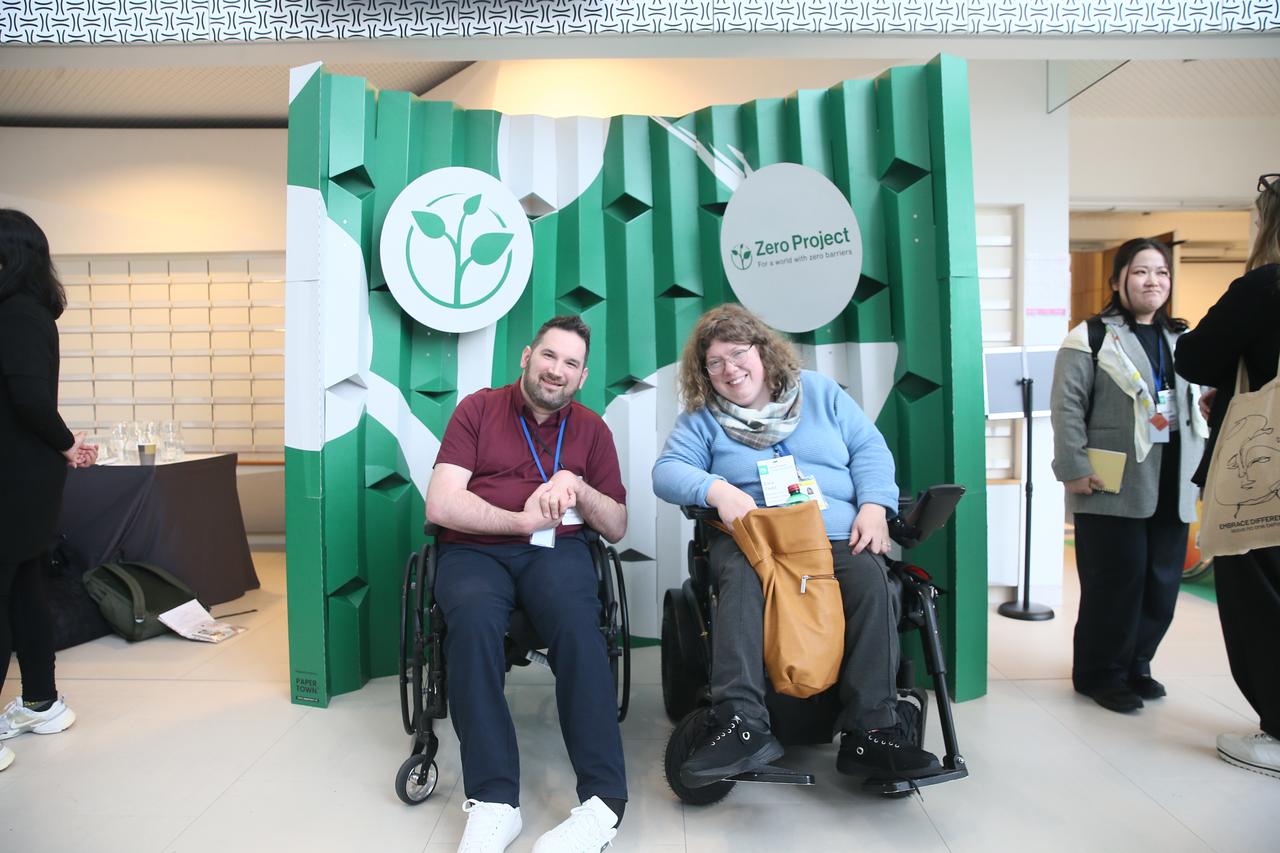


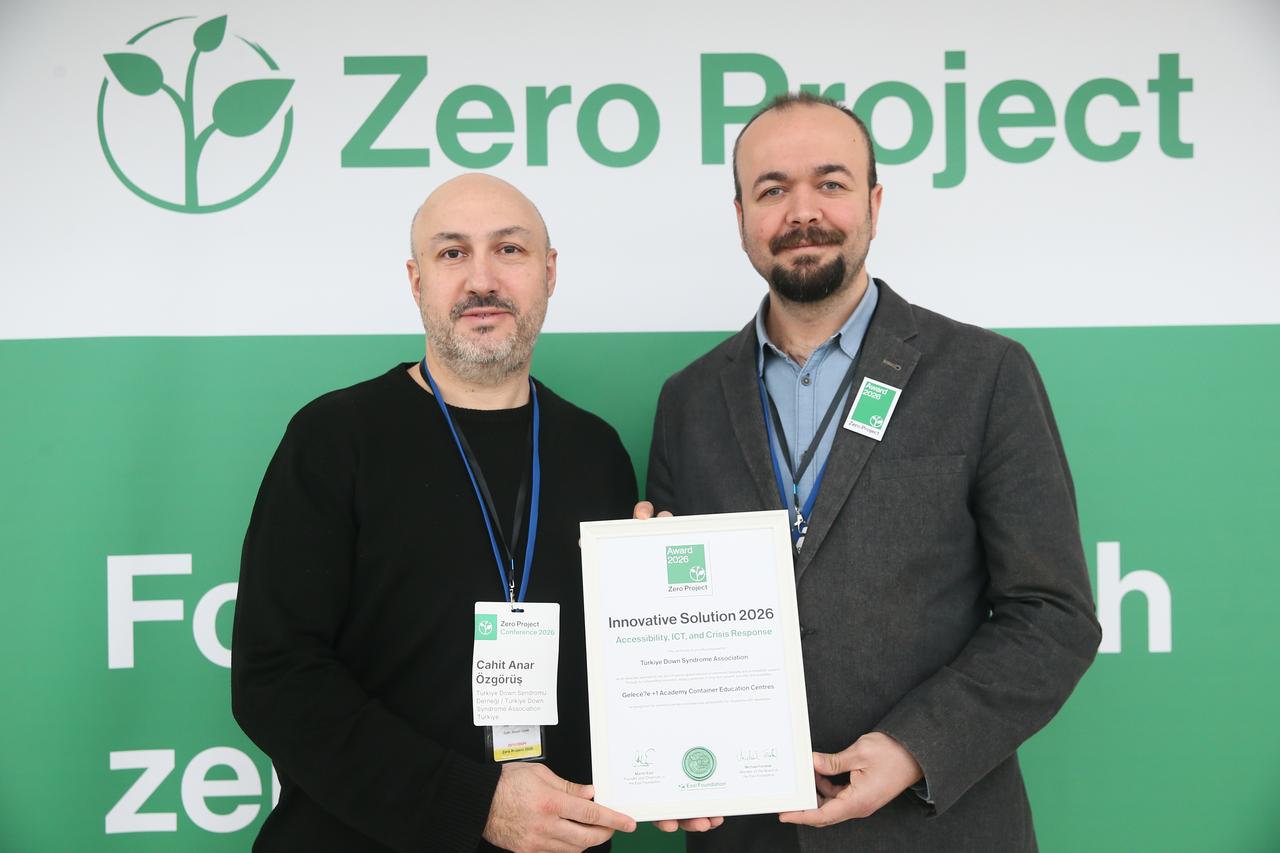
The Türkiye Down Syndrome Association (TDSA) has been honored at a "Zero Project" conference for a project launched in response to the devastating Feb. 6, 2023, earthquakes in eastern Türkiye.
The Zero Project conference, which promotes innovative, effective and scalable solutions in the field of disability rights worldwide, held a two-day event at which TDSA received an award in the Crisis Response category for its “+1 Academy for the Future” project. The initiative was developed for victims of the Kahramanmaras-centered earthquakes.
Ozgur Konuk, a member of TDSA’s advisory board, told Anadolu Agency that the award is based on the principle of highlighting projects that produce scalable solutions.
He said the “+1 Academy for the Future” project began with fieldwork in 11 provinces following the earthquakes and provided services for two years through container-based education centers established in the four provinces most affected by the disaster.
According to Konuk, the association worked with expert teams tailored to regional needs, carrying out activities with special education teachers in Adiyaman, psychological counselors in the Islahiye district of Gaziantep province, and physiotherapists and special education teachers in the Iskenderun district of Hatay.
Konuk said he took an active role in the field both as a project manager and as a social worker.
He noted that the project directly or indirectly reached nearly 30,000 people, providing support in special education, psychological counseling and social services. The services were not limited to individuals with Down Syndrome but extended to all disability groups as well as children with typical development.
Konuk stressed that in disasters and emergencies, disability services should be designed based on needs rather than restricted to specific diagnostic groups.

Konuk said disaster response requires a phased approach, noting that education or psychological support cannot be prioritized in the immediate aftermath of a disaster.
He said TDSA initially focused on basic needs such as shelter, heating, food and personal care, emphasizing that individuals with different developmental profiles often experience more severe and traumatic impacts during disasters.
After about three months, the need for educational, psychological and psychosocial support became more pronounced, and the association adjusted its response accordingly, he said.
“For two years, we both provided support services in the container centers and created social spaces where families could breathe,” Konuk added.
Konuk described feedback from families as particularly meaningful. He said that in the first days after the earthquake, TDSA contacted registered families in 11 provinces and created messaging groups to ask: “How are you? Is everything all right?”
In a crisis environment dominated by large-scale aid efforts, individualized contact had a strong positive impact, he said, adding that families told them: “We were very happy that you were the first group to address us by name.”
Over time, the centers became not only places for education but also social spaces where families could talk, have coffee and share concerns, contributing to their overall well-being, Konuk said.
 1 min read
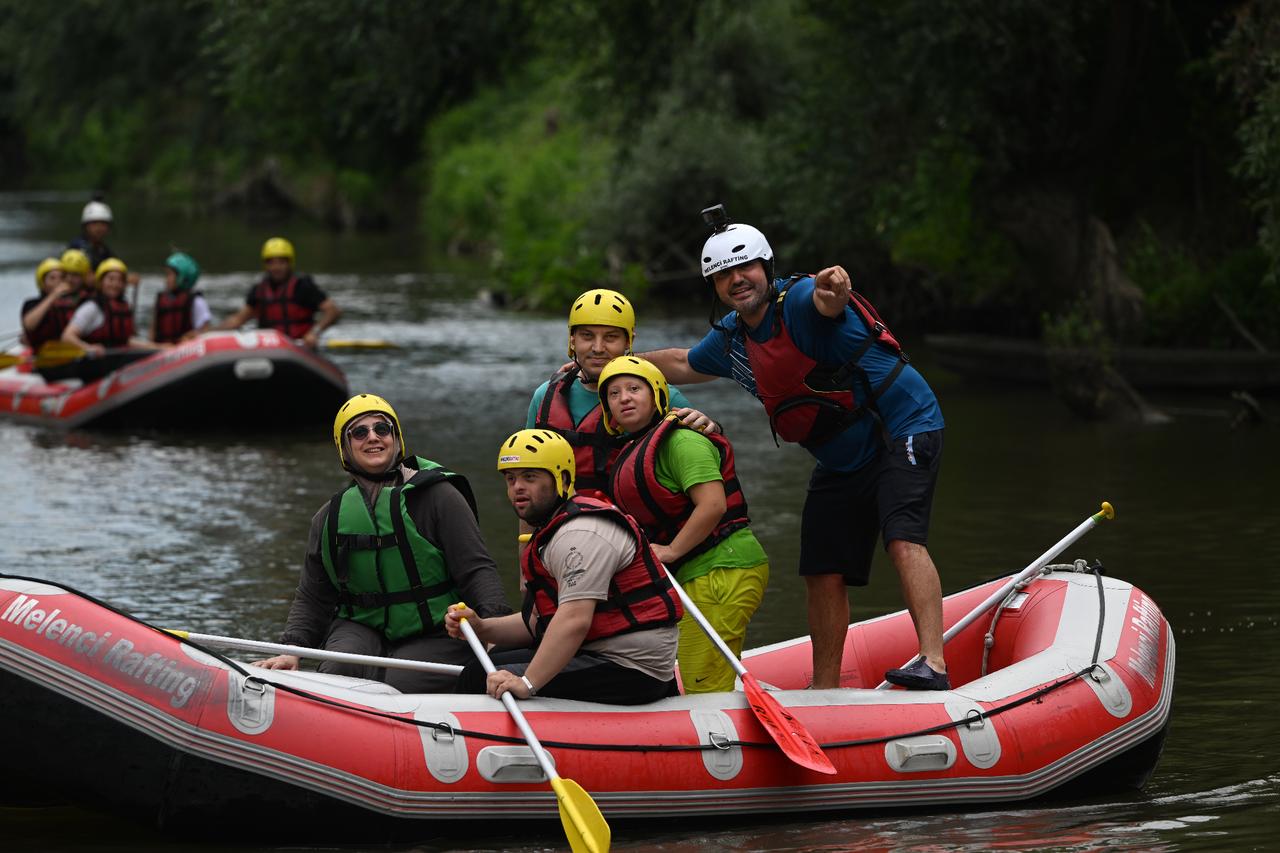
Founded in 2009, the Türkiye Down Syndrome Association operates at both national and international levels, Konuk said. He noted that the association serves as an umbrella organization in Türkiye and holds the position of vice president of the European Down Syndrome Association.
“In the field of Down Syndrome, particularly in education and health, employment and job opportunities, independent living and self-advocacy, we produce work at world standards in Türkiye,” Konuk said. “We are also building models that show the world how these can be implemented.”
He added that the association aims to develop resources guiding families, institutions and academia throughout the lives of individuals with Down Syndrome, from birth through adulthood.
Konuk said that while steps taken in disaster and emergency settings for people with disabilities are important, they remain insufficient.
He called on public institutions and civil society organizations to adopt more inclusive approaches and to develop strategies and action plans that enable all groups to benefit from services.
Konuk emphasized the need to “systematically integrate a disability perspective into disaster management processes,” adding that the Zero Project award is significant in providing international visibility to a model developed in Türkiye.


 Set as preferred source
 Set as preferred source


 1 min read