Newsletters


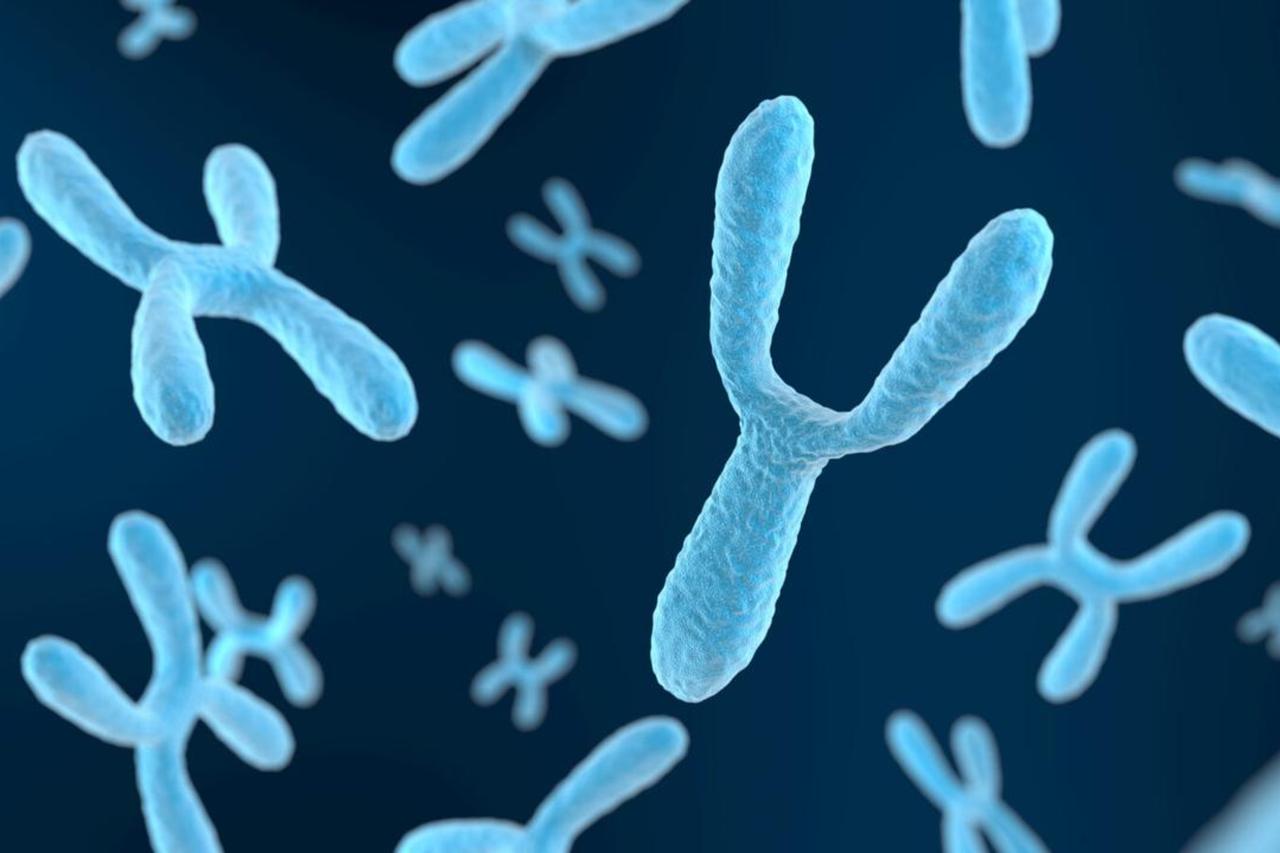


New research shows that many men gradually lose the Y chromosome from their cells as they age, a biological change scientists now link to major health risks, including heart disease, cancer and shorter life expectancy.
For decades, researchers believed losing the Y chromosome had little impact because it contains far fewer genes than other chromosomes and mainly determines male sex characteristics.
But recent studies show the loss may affect the entire body and contribute to age-related disease.
“Evidence has mounted over the past few years that when men lose it, the loss is associated with serious diseases throughout the body,” geneticist Jenny Graves of La Trobe University wrote in her analysis.
Scientists say the findings help explain why men often face higher risks of certain illnesses and may live shorter lives than women.
Researchers have found that the loss of the Y chromosome becomes more common over time.
New detection techniques show that about 40% of men aged 60 experience some loss of the chromosome in their cells. The figure rises to around 57% by age 90. Smoking and exposure to carcinogens increase the risk.
The loss does not occur in every cell. Instead, the body develops a mix of cells with and without the chromosome. Once a cell loses the Y chromosome, the change becomes permanent in its descendants.
Scientists say the chromosome is especially vulnerable during cell division. It can fail to separate properly and become trapped in a small membrane structure that the cell later discards. Tissues that divide rapidly appear more likely to experience this loss.
Laboratory studies show that cells without the Y chromosome can grow faster than normal cells, which suggests they may gain an advantage in the body and in tumors.
The human Y chromosome contains only 51 protein-coding genes, compared with thousands on other chromosomes. It plays a key role in male development and sperm production, but researchers previously thought it had few other functions.
Recent studies show strong associations between Y chromosome loss and serious health conditions across multiple organs.
Research has linked the loss to:
One large German study found that older men with higher levels of Y chromosome loss faced a greater risk of heart attacks.
Scientists have also observed a tenfold higher frequency of Y chromosome loss among Alzheimer’s patients. The change appears frequently in cancer cells and may influence tumor growth and severity.
However, researchers stress that these findings show association rather than clear causation. Health problems may trigger chromosome loss, or both may result from other biological factors.
Despite its small size, the Y chromosome appears to play a broader role in regulating gene activity than previously understood.
Some of its genes help control how other genes function, including those involved in immune response and blood cell production. Several genes also act as cancer suppressors.
Many Y chromosome genes have matching copies on the X chromosome. Scientists suggest that losing the Y may disrupt this balance, which could interfere with normal cellular regulation.
The chromosome also contains non-coding genes that produce RNA molecules that help control gene activity across the genome. Researchers say this may explain how losing the Y chromosome can influence multiple body systems, including heart function and immune processes.
A mouse study provided evidence of a direct biological effect. Scientists transplanted Y-deficient blood cells into mice, which later developed poorer heart function and other age-related diseases.
Researchers say more work is needed to understand exactly how Y chromosome loss contributes to disease and aging.
The full DNA sequence of the human Y chromosome was completed only recently, which may help scientists identify specific genes responsible for the observed health effects.
While the chromosome was once considered largely insignificant outside reproductive function, new evidence suggests it plays an important role in maintaining health throughout life.
Scientists say understanding how and why men lose the Y chromosome could help improve prevention strategies for age-related disease and explain differences in health outcomes between men and women.


 Set as preferred source
 Set as preferred source



 1 min read