Newsletters


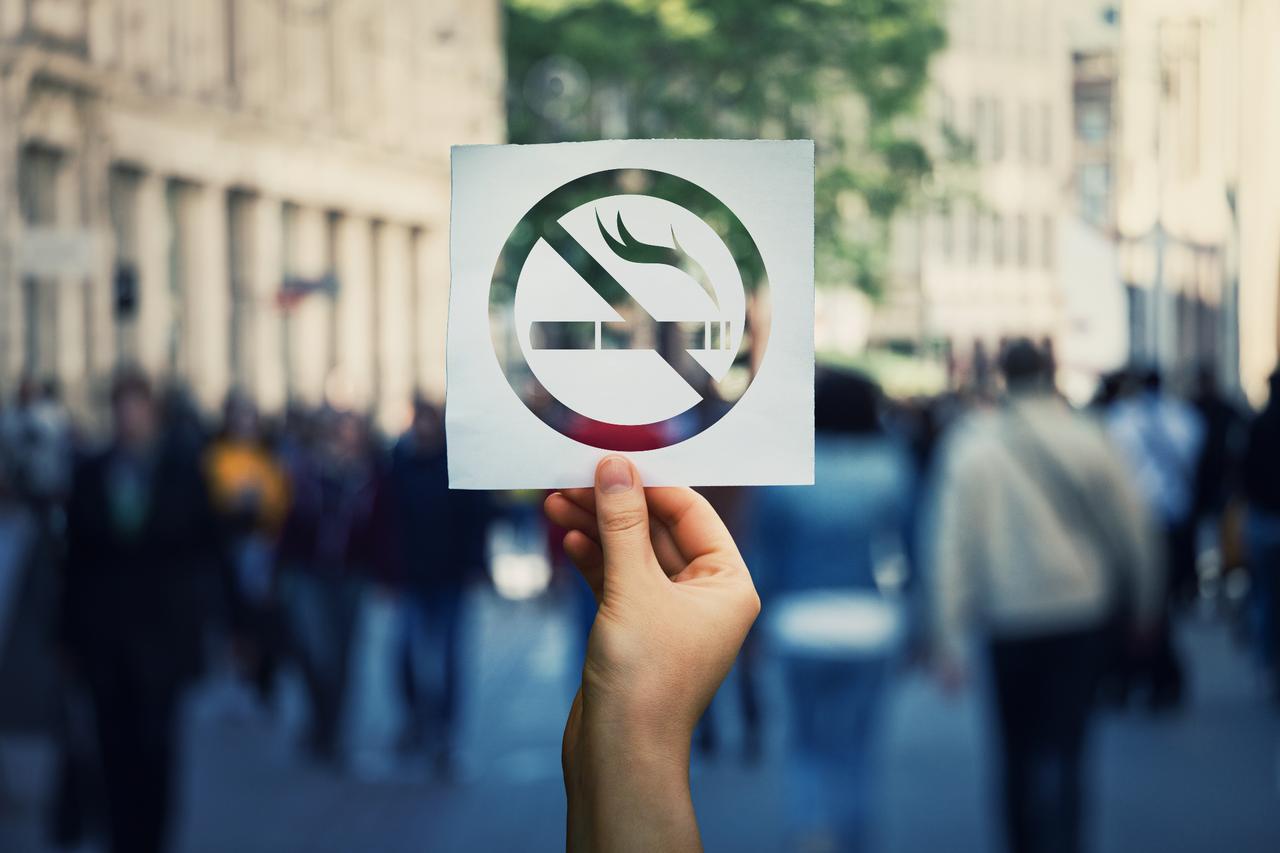


Türkiye’s Health Minister Kemal Memisoglu has issued a stark warning about tobacco use, saying nearly 1 in 3 people in the country smokes and calling for urgent action to reverse what he described as one of the country’s most serious public health risks.
“As a health minister, I do not want one third of this country to smoke,” he said. “Let us remove Türkiye from being one of the countries with the highest smoking rates in Europe.”
The scale of tobacco use has long shaped how Türkiye is viewed abroad. In Italian and several other languages, the expression “fumare come un turco,” or “to smoke like a Turk,” remains a common phrase used to describe heavy smoking.
Memisoglu made his remarks during the opening of the Maresal Cakmak Healthy Life Center and the No. 9 Family Health Center in Ankara’s Sincan district, part of a wider push to shift Türkiye’s health system toward prevention and early intervention.
Health Minister Memisoglu said tobacco use stands behind many of the country’s most common and deadly diseases.
He stated that Türkiye ranks among the top three countries worldwide for lung cancer. He also pointed to widespread cases of chronic obstructive pulmonary disease and cardiovascular illness, particularly among older age groups.
“Smoking and tobacco addiction are the main causes of lung cancer, vascular disease, and heart disease,” Memisoglu said. “This is something society must fight together.”
He said almost all smokers want to quit, estimating that more than 99 percent express a desire to stop. To reach people who hesitate to visit health facilities, the Health Ministry has expanded smoking cessation services.
Authorities have introduced mobile smoking cessation clinics in parks and crowded public areas. Family health centers and healthy life centers also operate smoking cessation clinics. According to the ministry, follow up care, counseling, and medications are provided free of charge.
Minister Memisoglu outlined ongoing investments in primary care aimed at shifting Türkiye’s health system toward prevention and early diagnosis.
He said Türkiye currently operates thousands of family health centers, nearly 30,000 family physicians, hundreds of healthy life centers, and 954 public hospitals. Over the past year, authorities opened more than 300 new family health centers, while construction continues at hundreds more.
A major concern for the ministry is limited use of preventive care. Memisoglu said about 15 million people had not visited a family physician in recent years. Officials now aim to bring these citizens into the primary care system.
“If you smoke, you put your own health at risk,” he said. “If you are inactive or eat poorly, you also put your body at risk.”
Memisoglu urged citizens to visit family health centers before becoming ill. Family physicians provide guidance on nutrition, physical activity, and lifestyle risks, and can refer patients directly to hospitals when needed.
Healthy life centers offer a range of free services, including dietitians, physiotherapists, psychologists, social workers, child development specialists, dentists, and cancer screening units.
Memisoglu said early screening efforts led to early cancer diagnoses for about 19,000 people in the past year. Screening programs cover breast, cervical, and colorectal cancers, and include mammography services.
The centers also provide counseling for pregnancy and childbirth. Memisoglu said the government aims to address low birth rates and high cesarean delivery rates through education and support. First time mothers receive assigned midwives during the final months of pregnancy.
Appointments for healthy life centers can be booked directly through the national MHRS system, without referral.


 Set as preferred source
 Set as preferred source


 3 min read