Newsletters




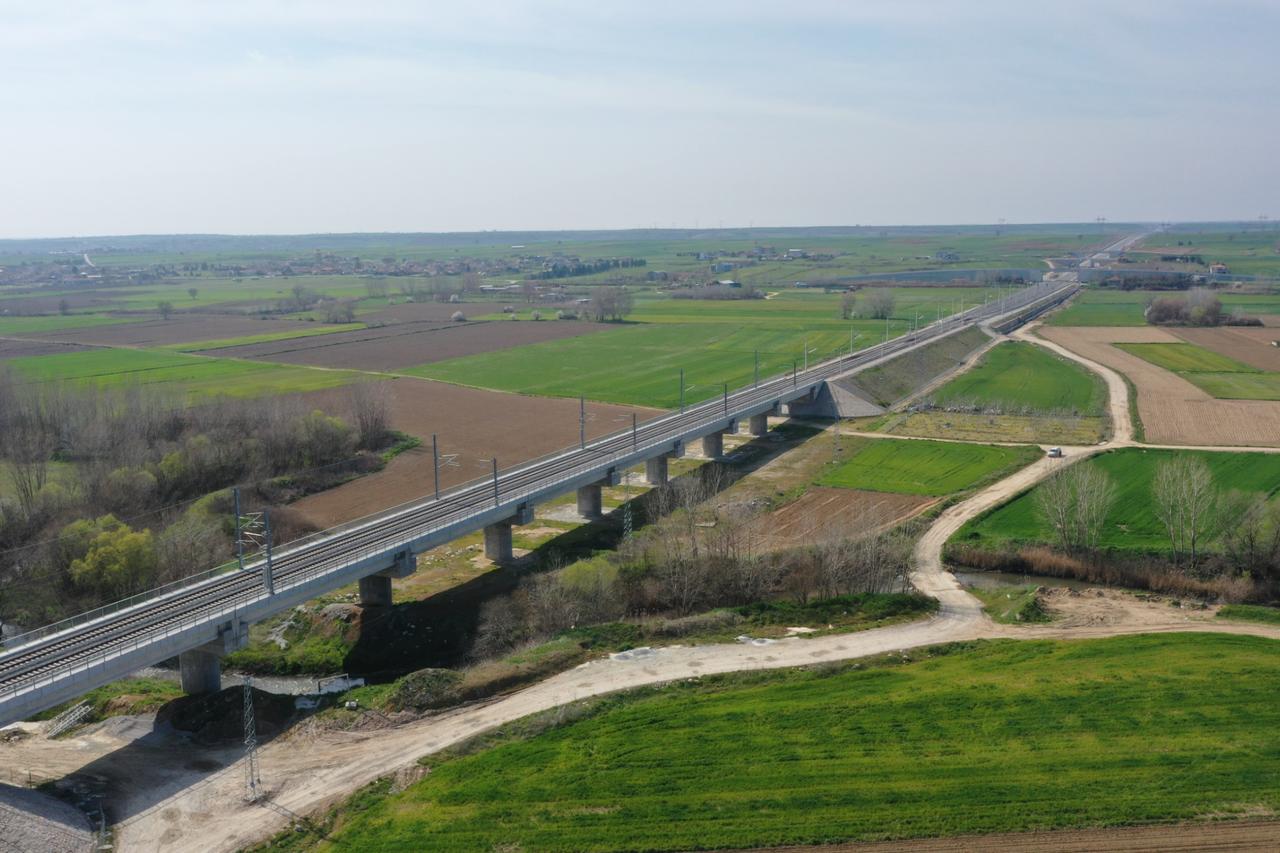
Türkiye on Friday opened the 153-kilometer Cerkezkoy-Kapikule High-Speed Train Line, a major Türkiye-EU infrastructure project expected to cut rail travel time between Istanbul and the Bulgarian border from about four hours to roughly 1.5 hours.
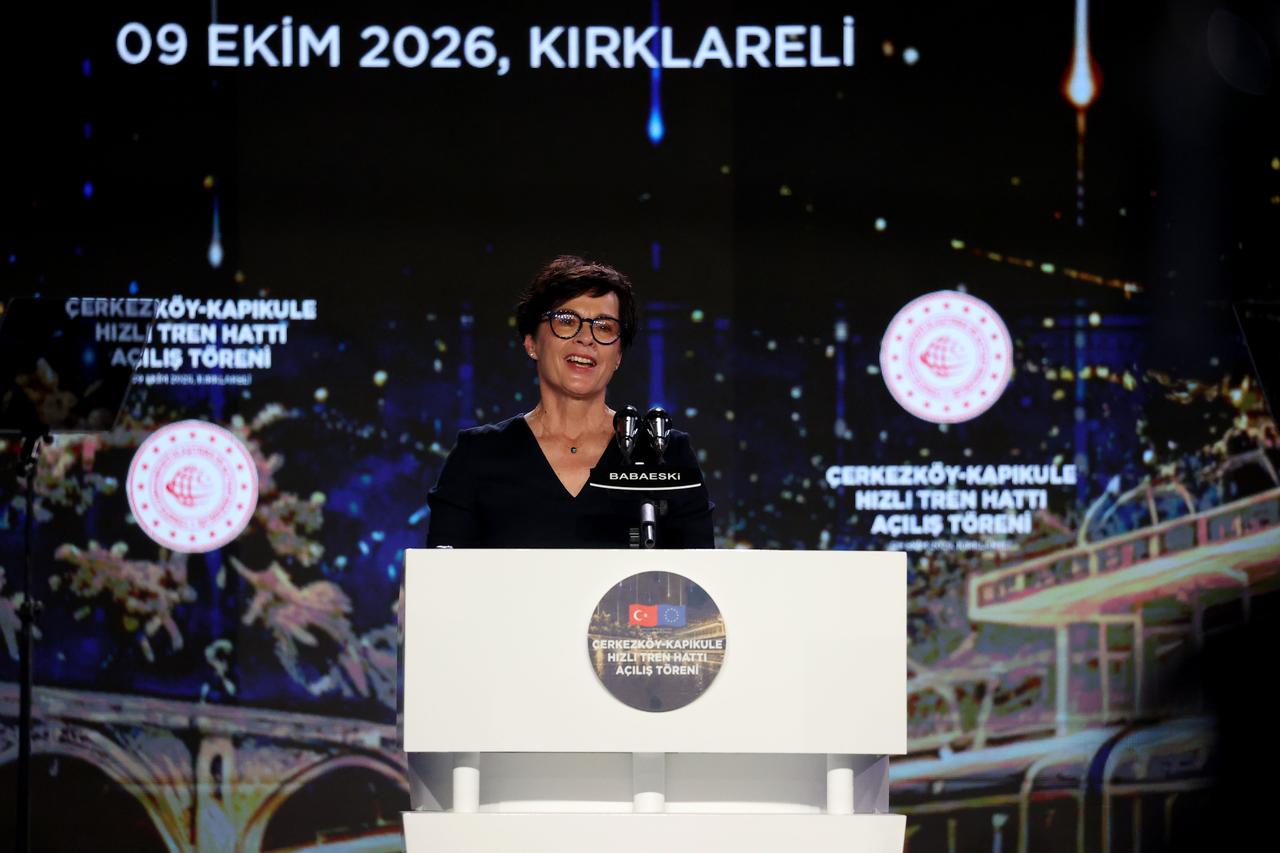
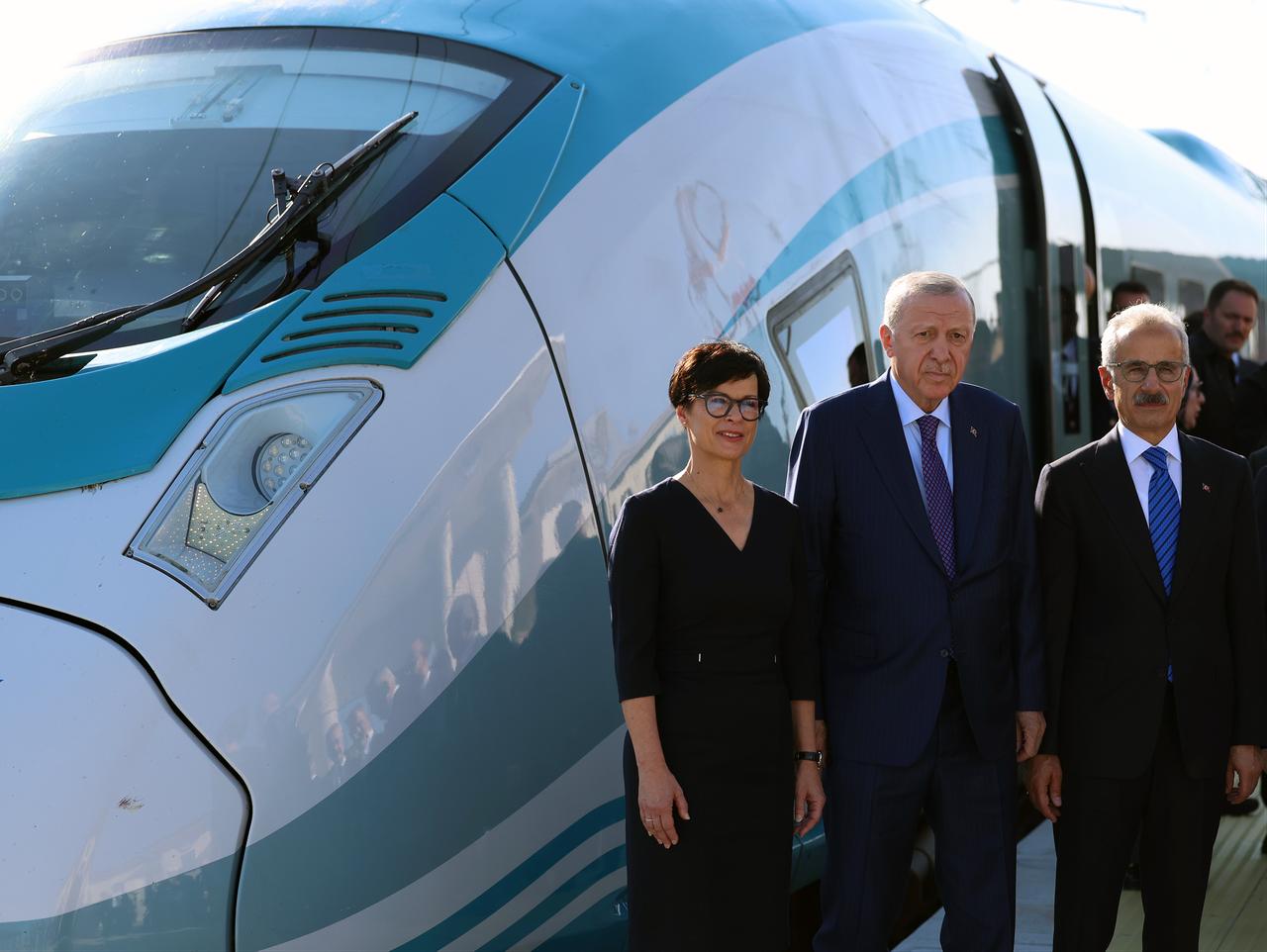
President Recep Tayyip Erdogan, Transport and Infrastructure Minister Abdulkadir Uraloglu and European Commissioner for Enlargement Marta Kos attended the opening ceremony at Babaeski Station in Kirklareli.
Kos described the railway as “a success story of our cooperation,” while Uraloglu said the project further connected Türkiye with the European Union and strengthened cooperation between the two sides.
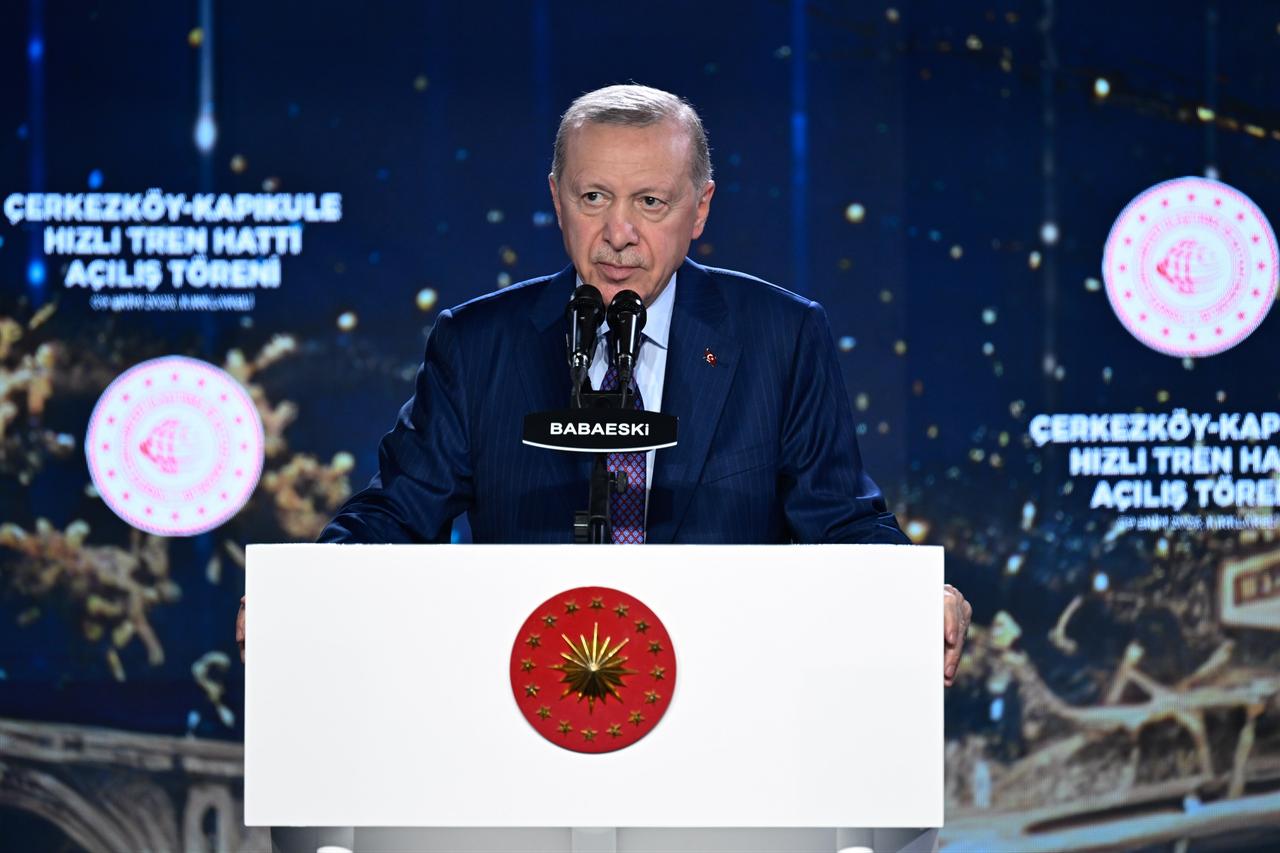

Speaking at the ceremony, Erdogan said his government’s agenda was focused on serving citizens and delivering new projects across the country.
He cited the recent opening of a 2,000-bed city hospital in Sanliurfa, TEKNOFEST Southeast, additional investments including a fourth runway at Istanbul Airport, and the 1,458-bed Samsun City Hospital, a 17 billion lira investment.
“Let my nation be at ease. Trust us. But at the same time, remain vigilant and careful,” Erdogan said, warning citizens against what he described as political opportunism.
“We are doing what is necessary,” he added.
Kos said the new railway would bring Türkiye and Europe closer while creating new opportunities for travel, economic development and trade.
“In an unpredictable world, we all benefit from a stronger partnership,” Kos said, adding that Türkiye and the EU have deeply interconnected economies and millions of citizens with shared histories.
She said the completion of the project would reduce rail travel time between Istanbul and the Bulgarian border from four hours to around 1.5 hours, allowing more people to travel and meet.
Kos also said the line would provide Turkish and European companies with a reliable alternative to road transportation.
“This means fewer truck queues at Kapikule, less traffic and faster trade,” she said.
The Cerkezkoy-Kapikule section is the largest infrastructure project carried out to date under Türkiye-EU financial cooperation, according to Kos, who said the EU contributed €275 million to the project.
She added that Türkiye-EU cooperation has supported the construction and modernization of around 1,000 kilometers of railway infrastructure.
“Today’s railway line is a success story of our cooperation,” Kos said. “But this is only a first step. Our ambition is greater.”
Uraloglu said Türkiye’s railway network had expanded from 10,948 kilometers to 14,272 kilometers over the past 24 years.
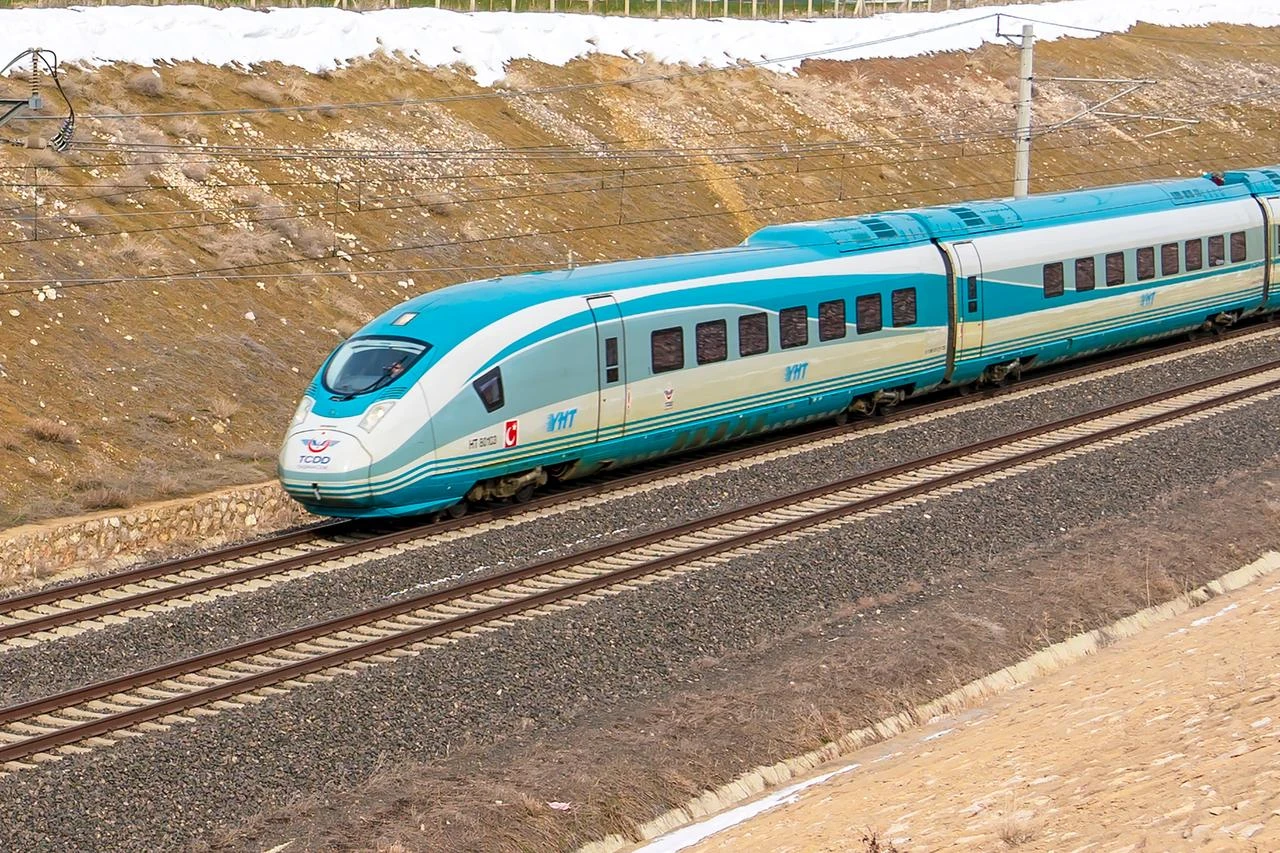
With the opening of the Cerkezkoy-Kapikule line, the country’s high-speed rail network reached 2,604 kilometers, he said.
The double-track, electrified and Level 1-signaled railway was built for operating speeds of up to 200 kilometers per hour and directly connects Tekirdag, Kirklareli and Edirne to the high-speed train network.
Uraloglu said the number of provinces directly served by high-speed trains increased from 11 to 14 with the opening and is expected to reach 27 by 2028.
“By putting this line into service today, we are once again connecting continents and connecting our country with the European Union, while strengthening our cooperation,” he said.
The Kapikule station area was expanded from 253,000 square meters to 660,000 square meters, while the number of tracks increased from 23 to 42 to reduce waiting times at the border.
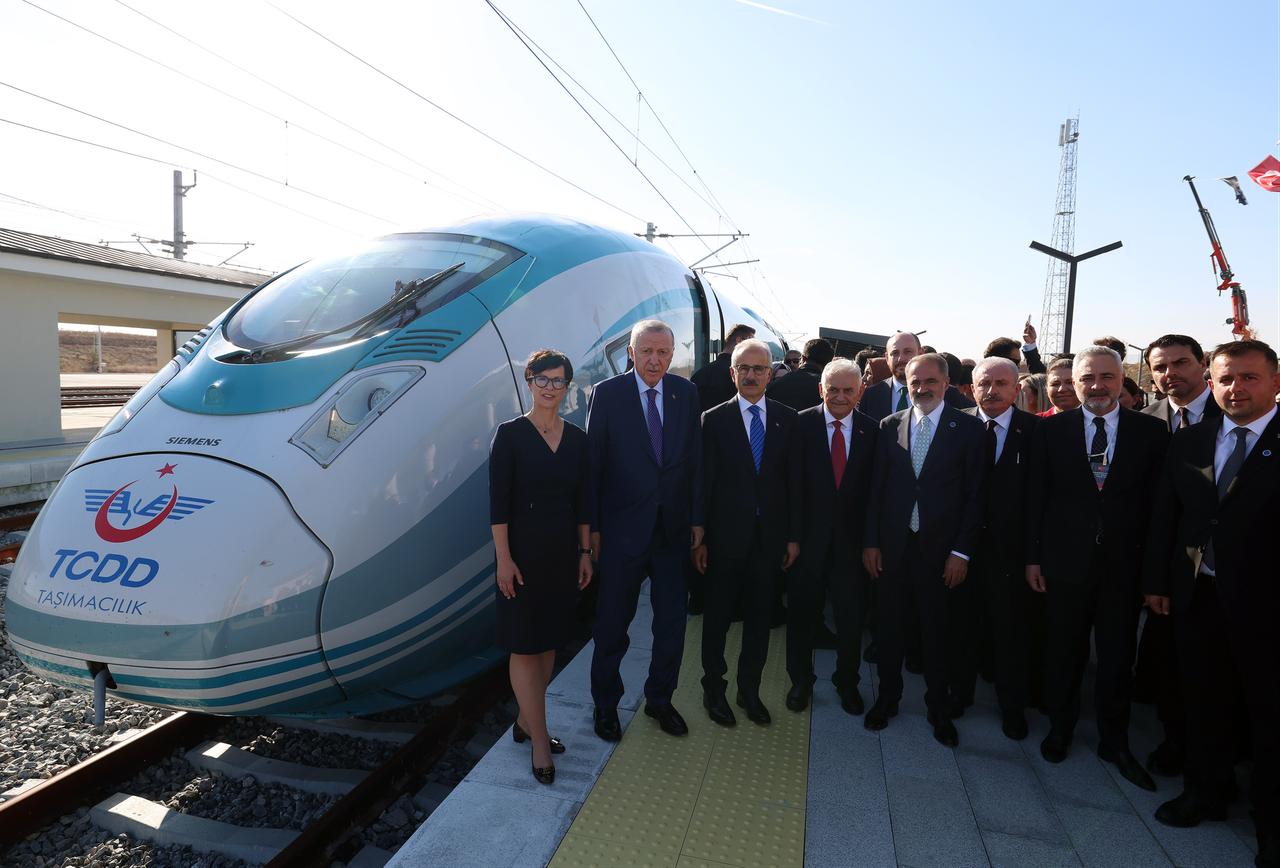
Uraloglu said the railway is an important link in the transport chain that begins with the Baku-Tbilisi-Kars railway and connects Asia and Europe through Marmaray and the Middle Corridor.
Work is continuing on the 69-kilometer Ispartakule-Cerkezkoy section, while construction on the roughly 7-kilometer section connecting Ispartakule with Halkali is nearing completion and is planned to enter service before the end of the year.
Kos also stressed the importance of developing connections from Europe through Türkiye toward the South Caucasus and Central Asia along the Middle Corridor.
She said the planned railway crossing over Istanbul’s third bridge would be another important part of that connection, linking the route through Istanbul with railways in Anatolia and the Middle Corridor.
Kos said alternative transport routes were becoming increasingly important for economic security as global supply chains faced pressure and risks increased at critical maritime transit points.
She also expressed hope that European financial institutions, including the European Investment Bank, would participate in future projects.
Kos concluded her remarks in Turkish by saying, “May our new line be auspicious.”


 Set as preferred source
 Set as preferred source


 1 min read
 1 min read