Newsletters


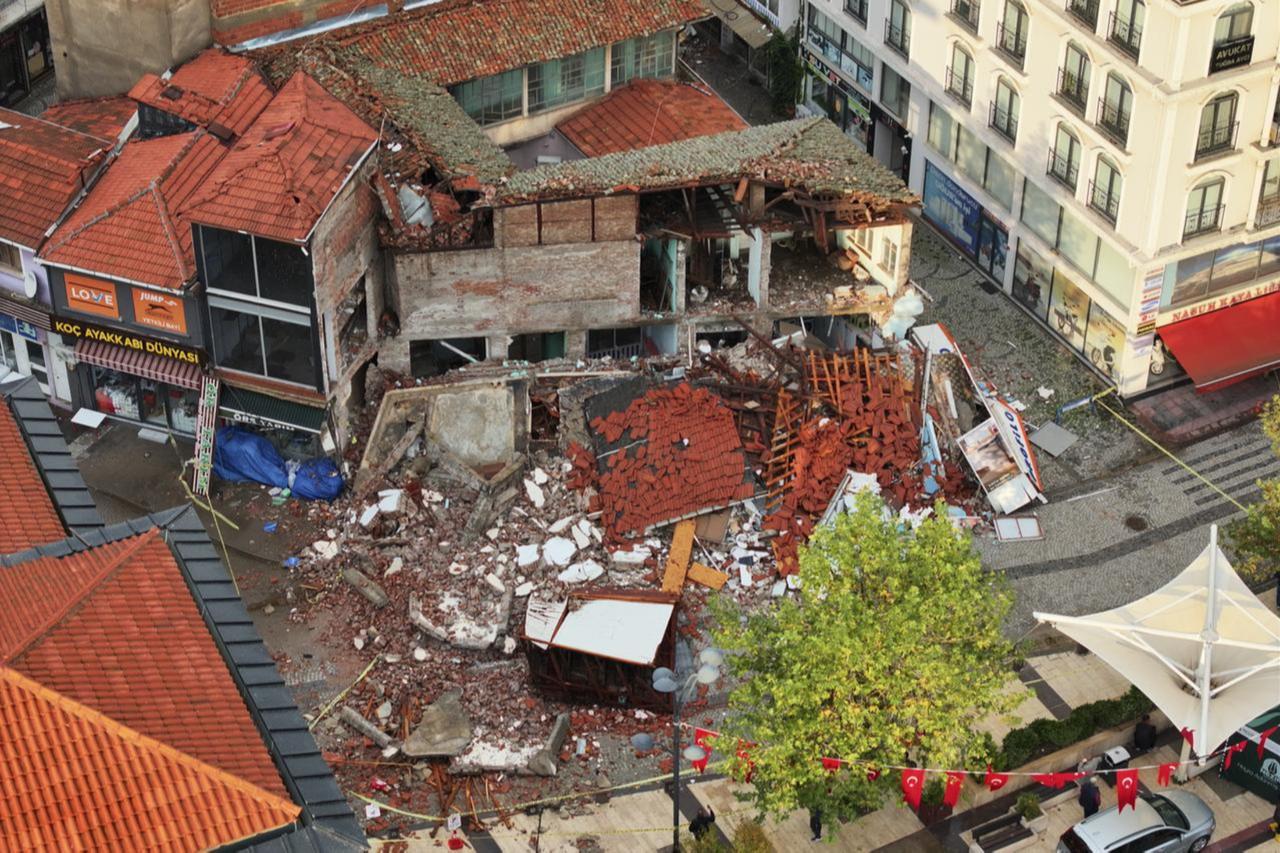


Türkiye went through one of its most seismically active years on record in 2025, with more than 53,000 earthquakes detected nationwide. According to data reviewed by disaster management specialist Associate Professor Bulent Ozmen, the scale of seismic activity placed the year second only to the period following the deadly February 6, 2023 Kahramanmaras earthquakes.
Speaking to Anadolu Agency, Ozmen, a faculty member at Gazi University’s Engineering Faculty, underlined that the 2025 figures once again laid bare how exposed Türkiye is to earthquakes. He said the total number of recorded tremors reached 53,262, a level that reflects persistent movement along the country’s many active fault lines.
An earthquake’s “magnitude” refers to the amount of energy released at its source. Events above magnitude 4 are usually felt by people nearby, while those above magnitude 6 can cause structural damage, depending on depth and building quality.
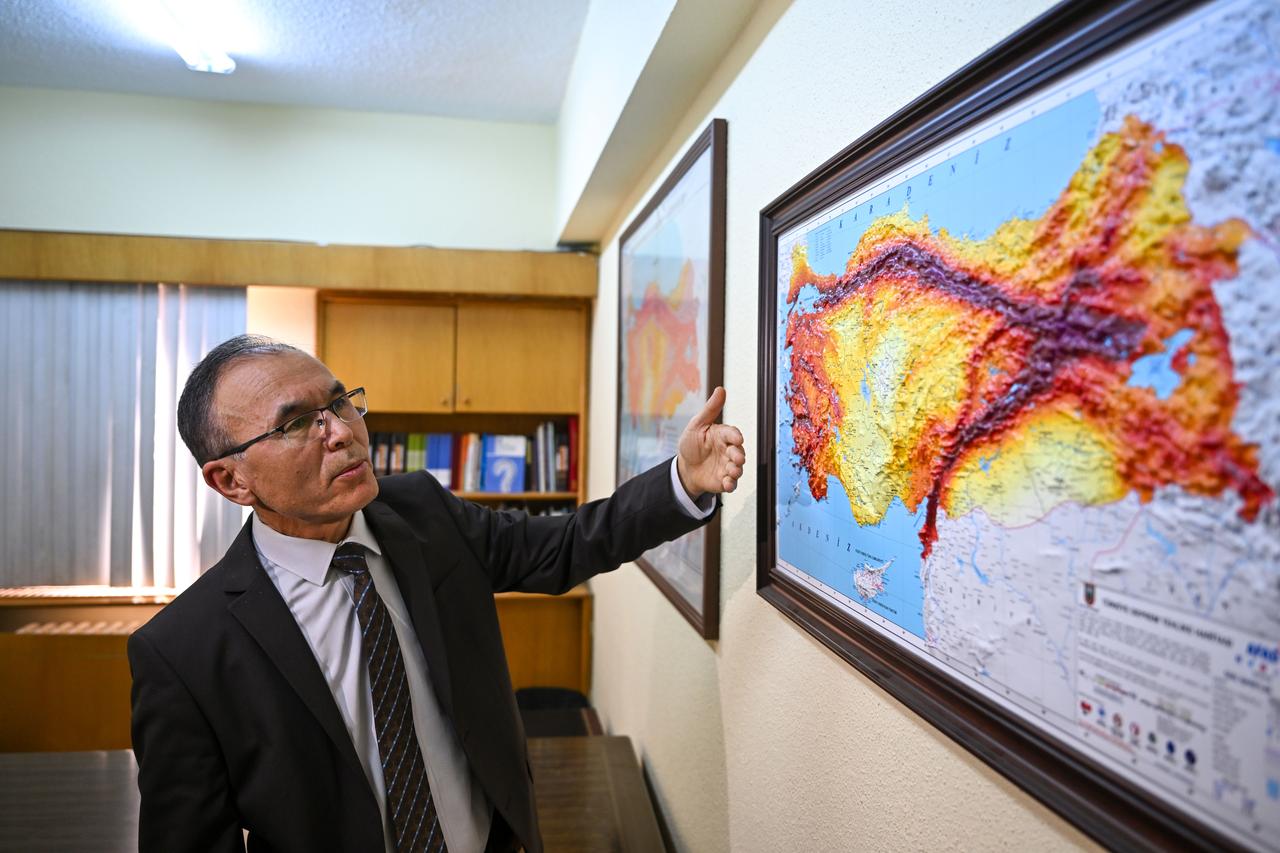

Ozmen noted that 437 earthquakes in 2025 were stronger than magnitude 4. Most of these fell in the moderate range, but a small number reached magnitudes capable of causing damage. Taken together, the data points to an average pattern in which Türkiye experienced roughly one magnitude-4 earthquake each day, a magnitude-5 event about every two weeks, and a magnitude-6 or stronger quake roughly every two and a half months.
Summing up the situation in a striking way, Ozmen said the figures show that “Türkiye was shaken by an average of six earthquakes per hour, or 146 per day,” a comparison meant to make the scale of activity easier to grasp.
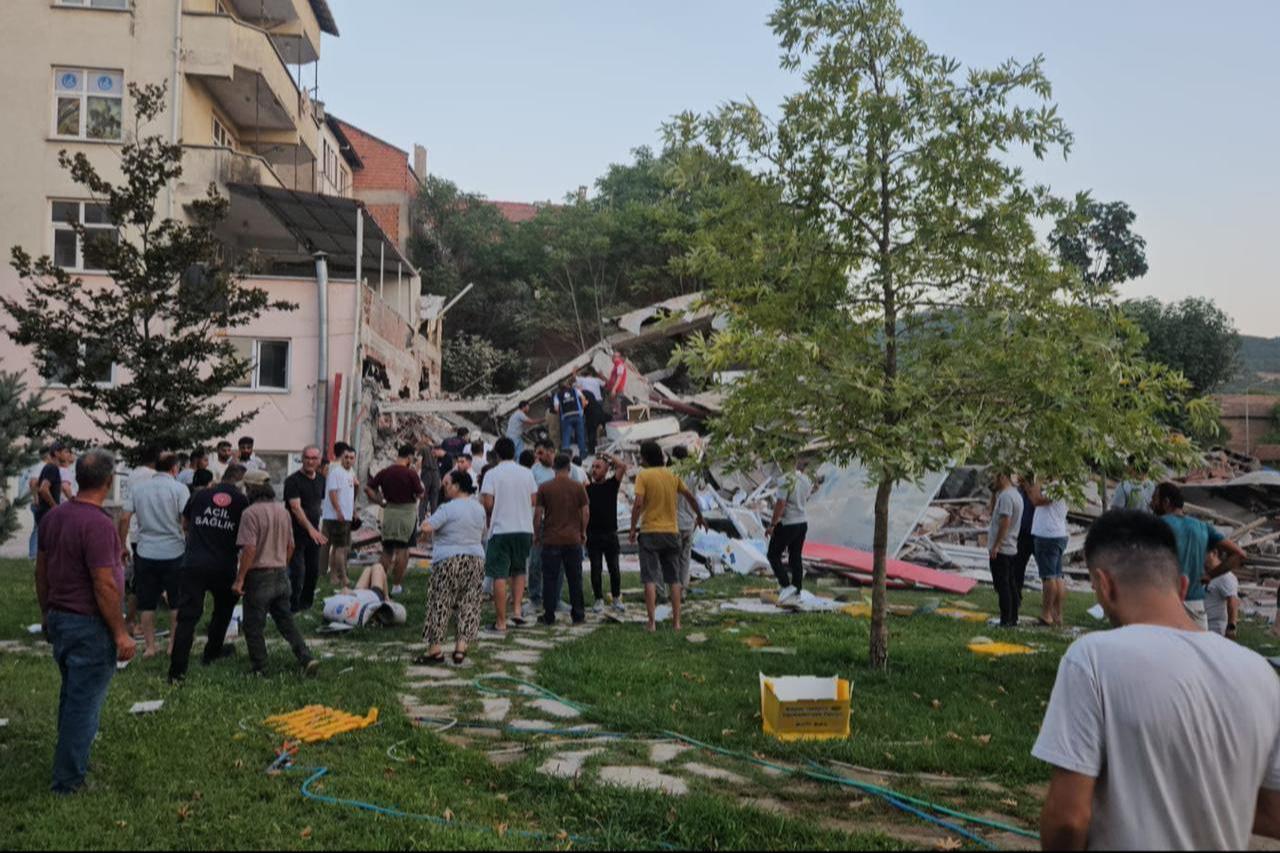
The most earthquake-prone province in 2025 was Balikesir, largely due to intense seismic activity centered on the district of Sindirgi. Ozmen explained that nearly 21,000 earthquakes were recorded there over a period of about four and a half months, following two separate magnitude-6.1 earthquakes in August and October.
This sequence, he said, may represent the highest number of earthquakes ever documented in a single district in Türkiye. Residents of Sindirgi effectively experienced the same daily average of tremors as the country as a whole, with frequent shaking that included repeated events of magnitude 4 and above.
Balikesir was followed by Kutahya, Mugla, Malatya, and Kahramanmaras as the provinces with the highest number of recorded earthquakes.
Among the year’s most significant events was a magnitude-6.2 earthquake that struck off the coast of Silivri near Istanbul on April 23. Ozmen pointed out that this quake served as a reminder that earthquake risk around Istanbul, a мегacity of more than 15 million people, remains high.
Other notable events included a magnitude-5 earthquake in the Kulu district of Konya, as well as several smaller tremors centered on Etimesgut in Ankara. Although these Ankara earthquakes were moderate, Ozmen said they reopened public debate about seismic risk in the capital.
Despite the high number of earthquakes, the human toll in 2025 remained limited compared with past disasters. Ozmen reported that three people lost their lives and 594 were injured. Importantly, he emphasized that all injuries were linked to panic rather than building collapse, highlighting the role of preparedness and public awareness.
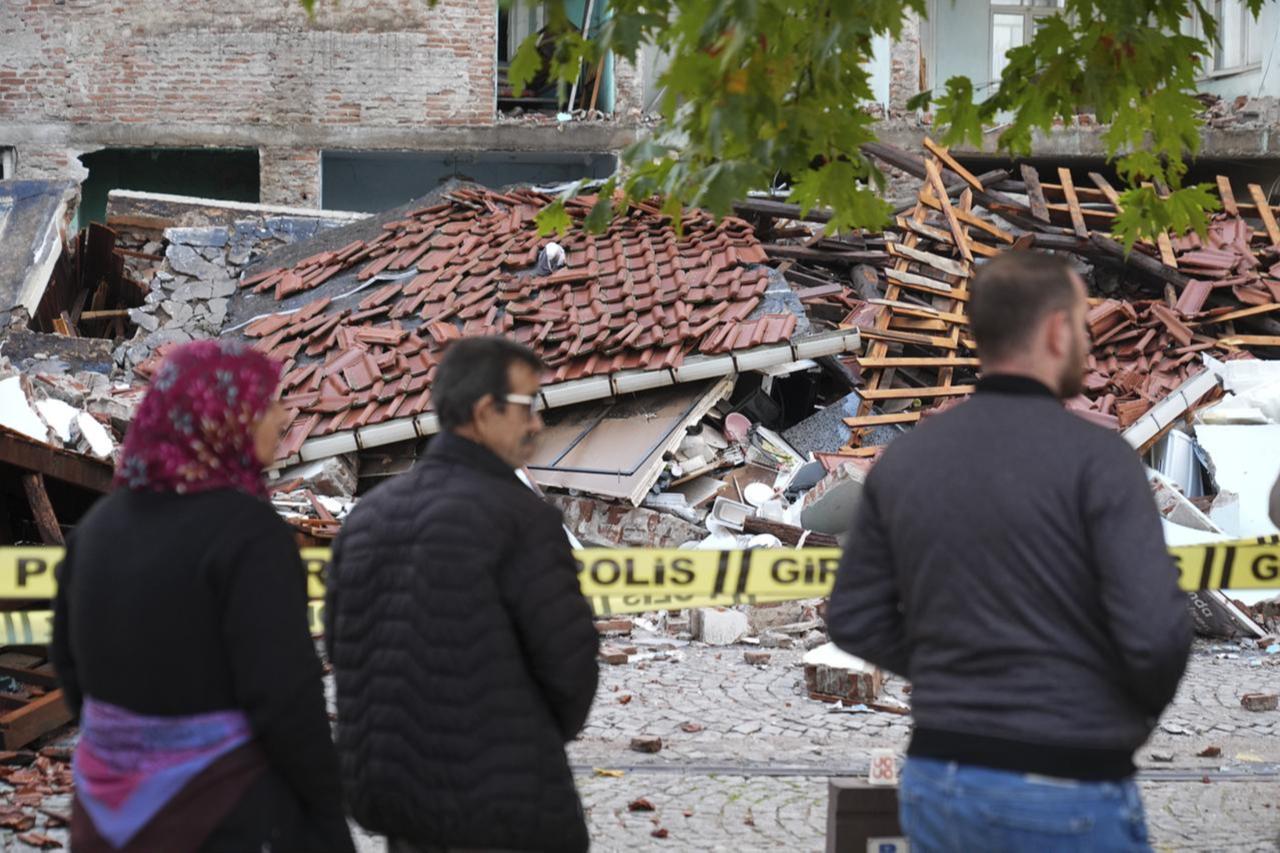
Still, Ozmen warned that Türkiye’s stock of earthquake-vulnerable buildings remains large. Even earthquakes above magnitude 5 can cause serious damage in areas with older or poorly constructed structures, making it essential to speed up urban renewal projects.
He also noted that active faults run beneath 24 provinces and 81 districts across Türkiye. In such areas, he argued, construction should be restricted where possible, and spatial planning should take into account not only earthquakes but also related hazards such as soil liquefaction and landslides.


 Set as preferred source
 Set as preferred source


 1 min read
 1 min read