Newsletters





A succession of powerful earthquakes across Asia and the Pacific in 2025 resulted in the deaths of more than 6,000 people and caused extensive destruction to infrastructure, housing, and coastal settlements.
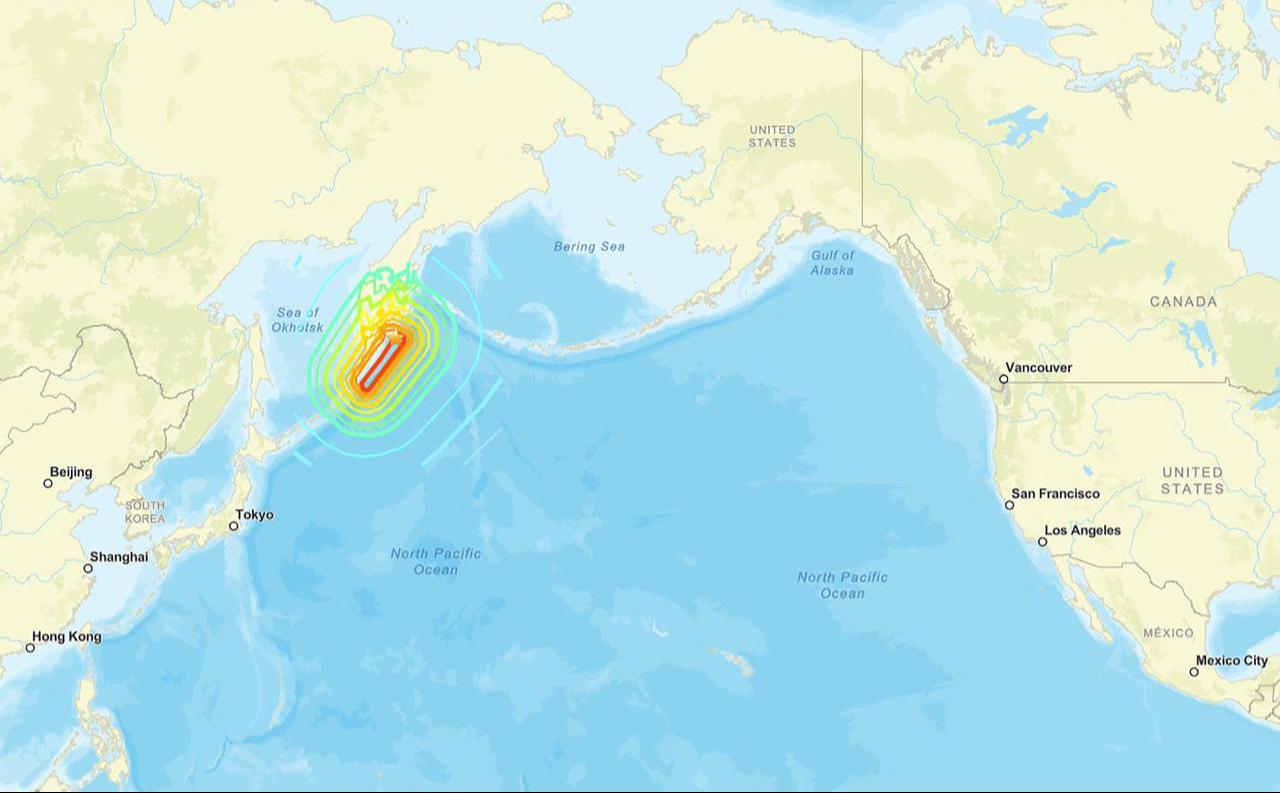
The year’s most powerful event was an 8.8-magnitude offshore earthquake near Russia’s Kamchatka Peninsula, which generated tsunami waves and prompted widespread emergency alerts across the Pacific region.
The earthquakes, several of which struck densely populated or remote mountainous regions, placed significant pressure on local authorities and international relief organizations as rescue and reconstruction operations continued throughout the year.
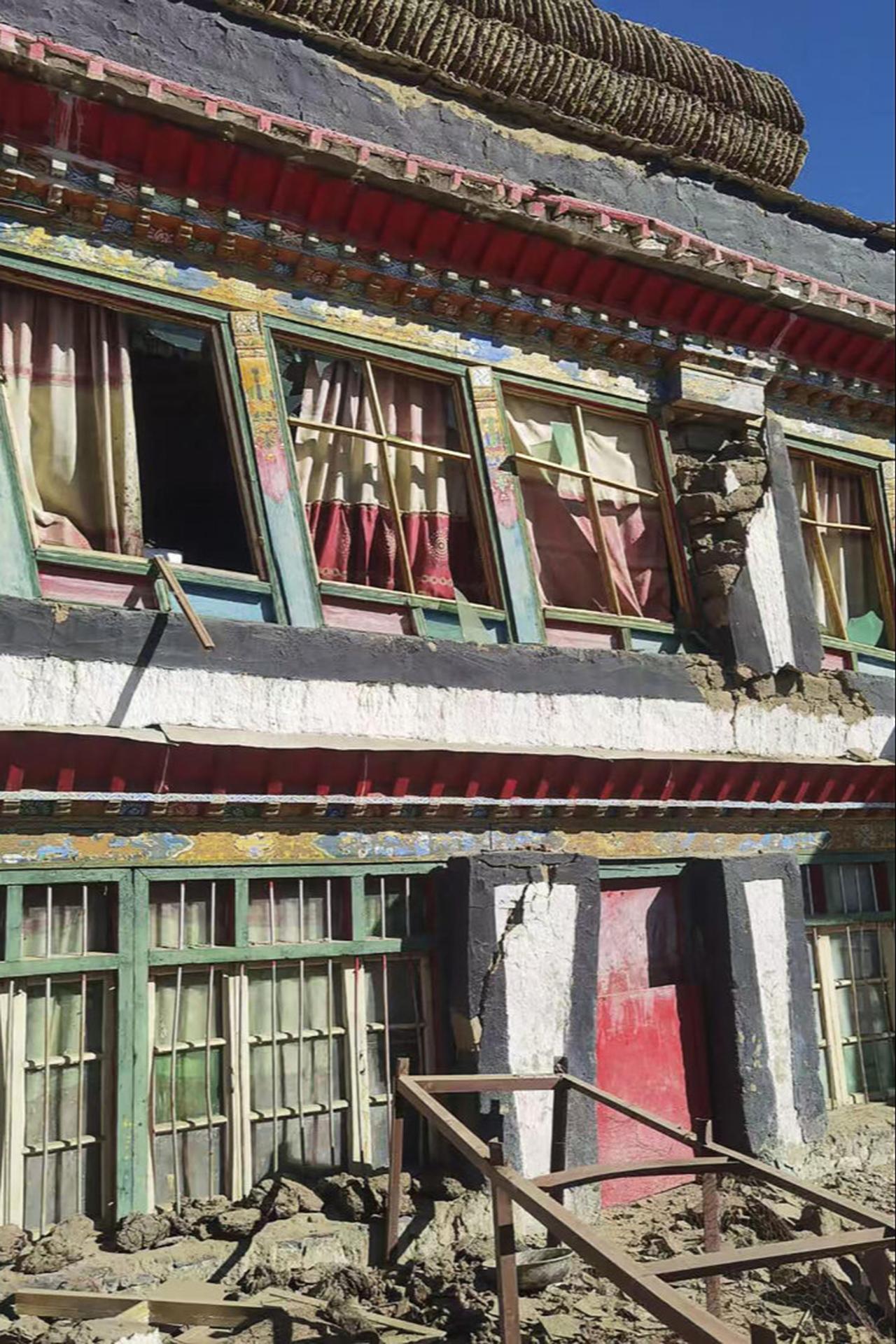
The first major earthquake of 2025 struck Tingri County in the Tibet Autonomous Region, registering a 6.8 magnitude.
The event caused the collapse of numerous buildings in rural settlements and resulted in the deaths of at least 126 people. Rescue operations were hindered by altitude, winter weather conditions, and the remoteness of affected communities.

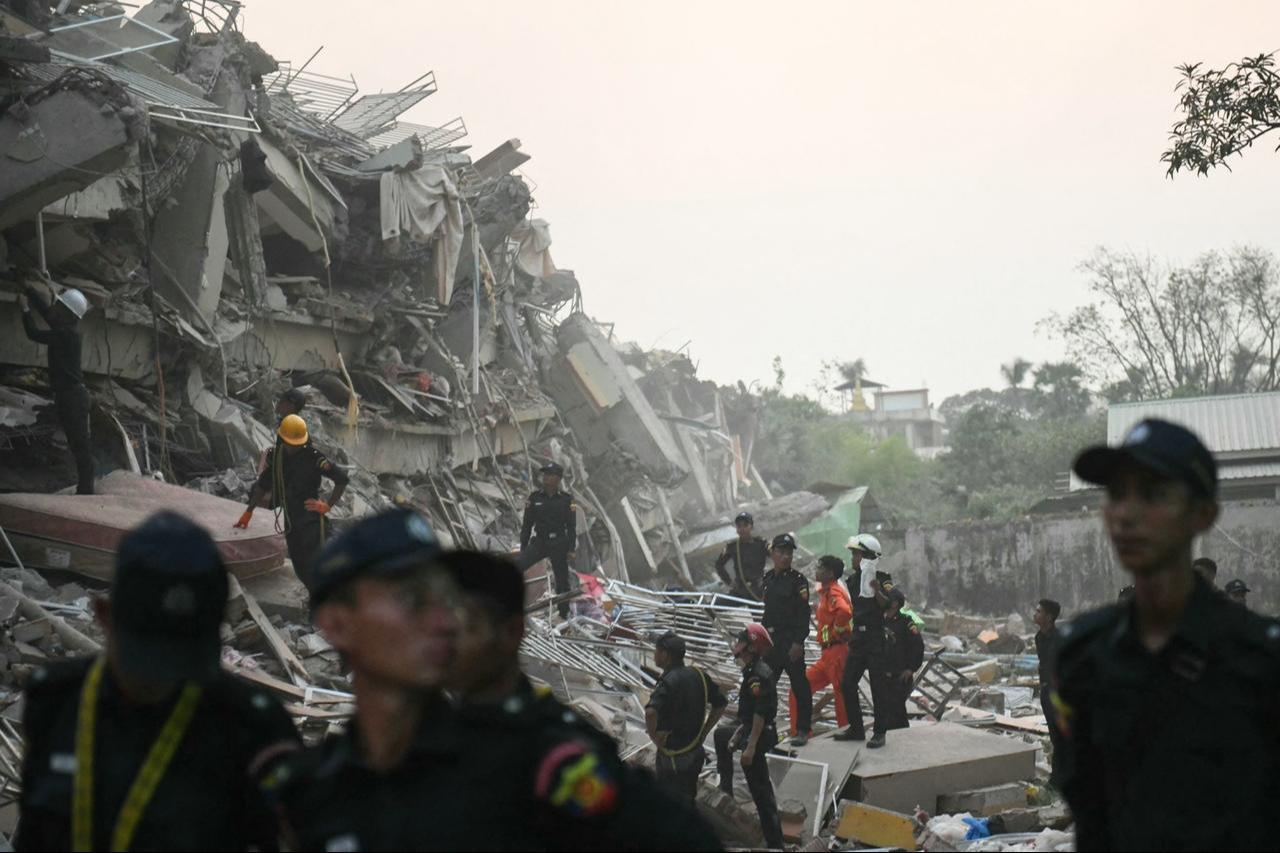
A 7.7-magnitude earthquake struck central Myanmar near the Mandalay region, becoming one of the year’s deadliest seismic events.
Authorities reported more than 3,500 fatalities, along with thousands of injuries and significant infrastructure damage, including the collapse of residential areas, bridges, and public facilities.
Search and recovery efforts continued for several days as aftershocks were recorded across the region.
The western province of Balikesir experienced sustained seismic activity throughout the year, marked by two significant earthquakes centered in the Sindirgi district:
Oct.27—Magnitude 6.1, felt across the Marmara and Aegean regions.

Thousands of smaller tremors and aftershocks were subsequently recorded. Authorities described the activity as a prolonged regional seismic sequence and increased monitoring efforts and structural assessments.
An 8.8-magnitude megathrust earthquake occurred off the coast of the Kamchatka Peninsula, the strongest event recorded globally in 2025.
The earthquake generated tsunami waves exceeding three meters in height in some coastal areas and triggered regional and trans-Pacific tsunami warnings. Damage was recorded in coastal settlements, although the remote location limited casualties.
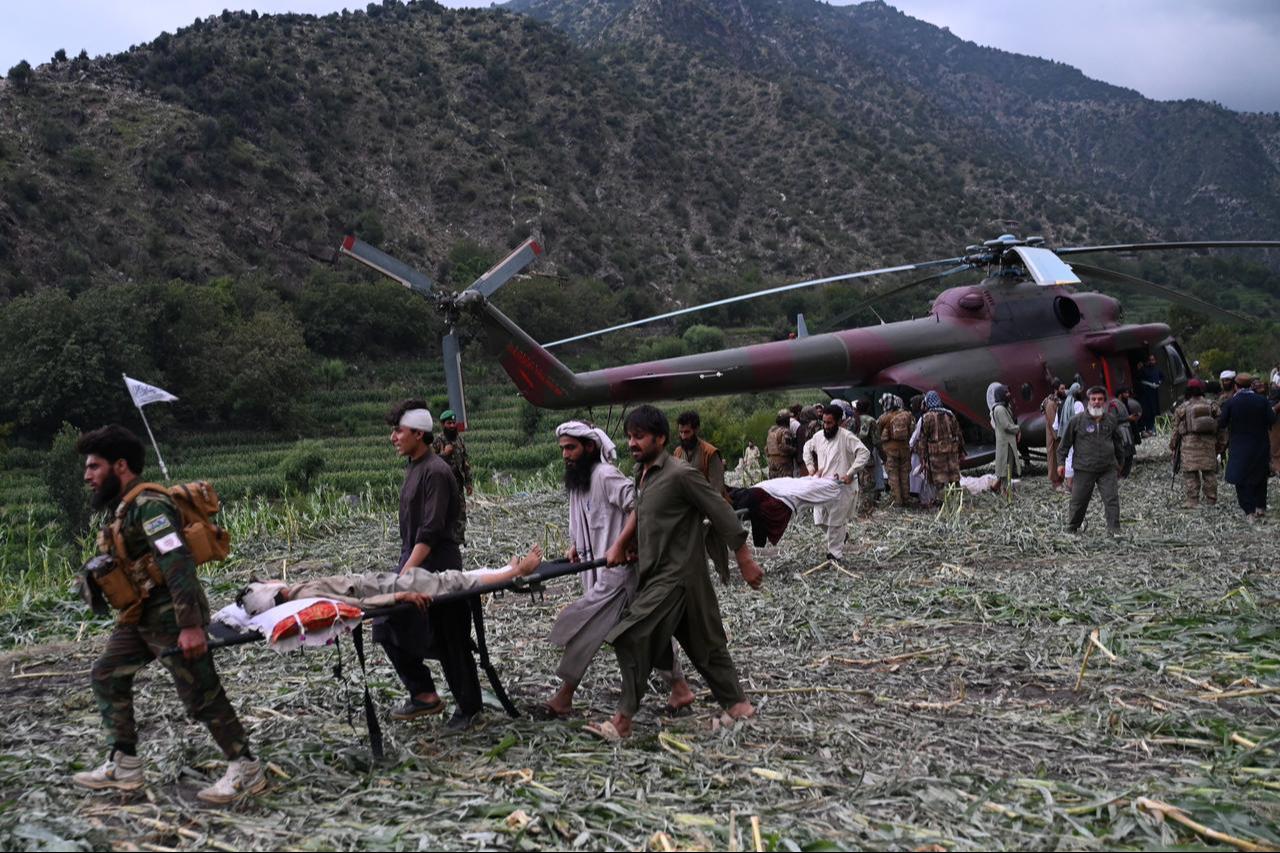
A magnitude 6.0 earthquake struck eastern Afghanistan on Sept. 1, resulting in over 2,200 deaths and severe destruction in rural mountainous communities.
Many homes constructed from non-reinforced materials collapsed, which led to the high casualty toll.
On Nov. 3, a 6.3-magnitude earthquake affected Samangan and Balkh provinces, causing further fatalities and injuries and damaging housing and community infrastructure.

A 6.9-magnitude earthquake struck the central Philippines near Cebu, causing dozens of deaths and widespread structural damage.
Emergency services reported building collapses, disrupted transport networks, and significant power outages across parts of the Central Visayas region.


 Set as preferred source
 Set as preferred source


 1 min read


 1 min read