

 Newsletters


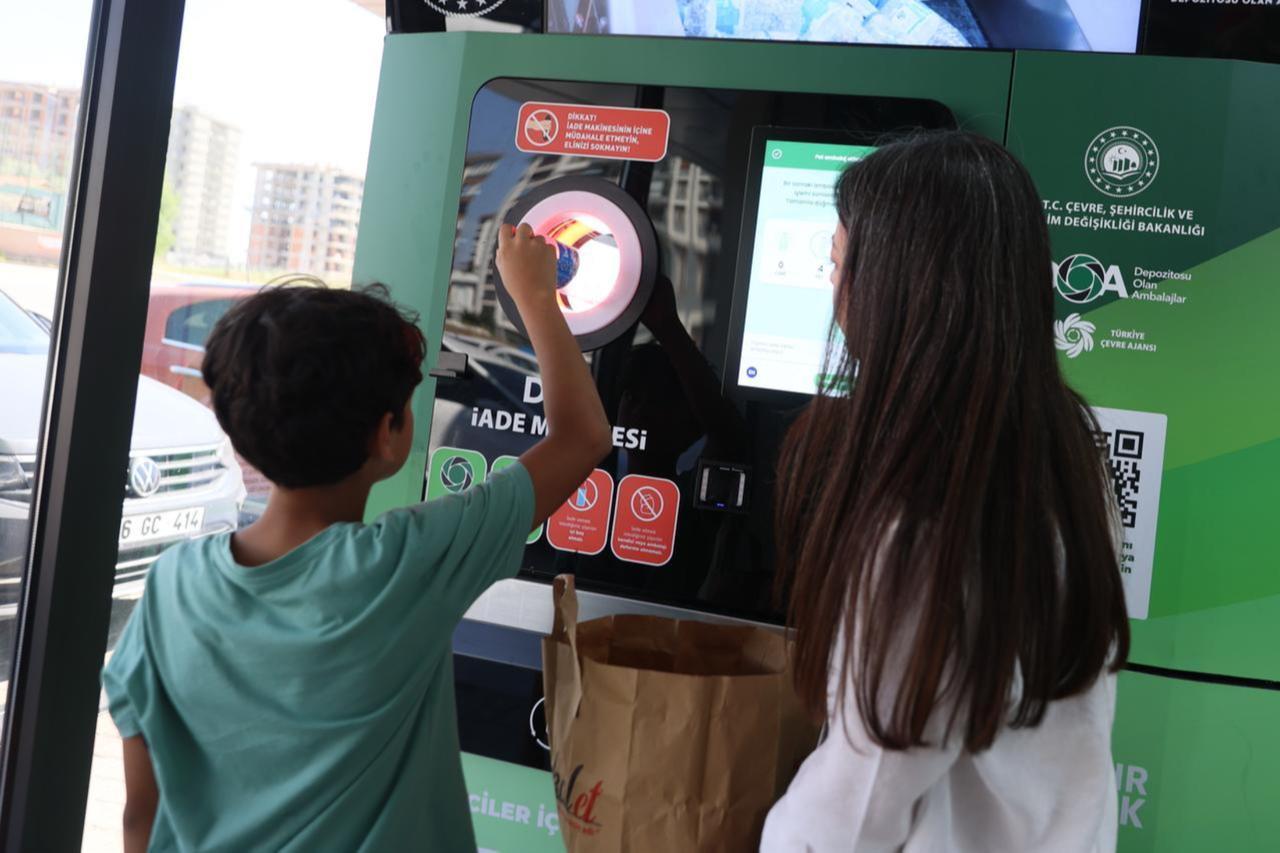


Türkiye's new deposit return system for beverage containers has drawn in 130 million units for recycling since it was launched nationwide on July 1, according to figures from the country's Environment Agency.
According to the Turkish Environment Agency, affiliated with the Ministry of Environment, Urbanization and Climate Change, the national integration process for the Packaging with Deposit (DOA) system, which was launched to effectively collect and recycle beverage containers, began on Jul. 1 and is continuing.
Under the system, in which citizens earn an incentive payment of one lira for each eligible container they return, 130 million beverage containers have been recycled to date. Of the collected containers, approximately 67% consisted of PET plastic, 17% of aluminum, and 16% of glass containers.
As citizen interest in the system grows and the return network expands, collection volumes have shown a steady increase, and this volume is expected to rise further as return points become more widespread.
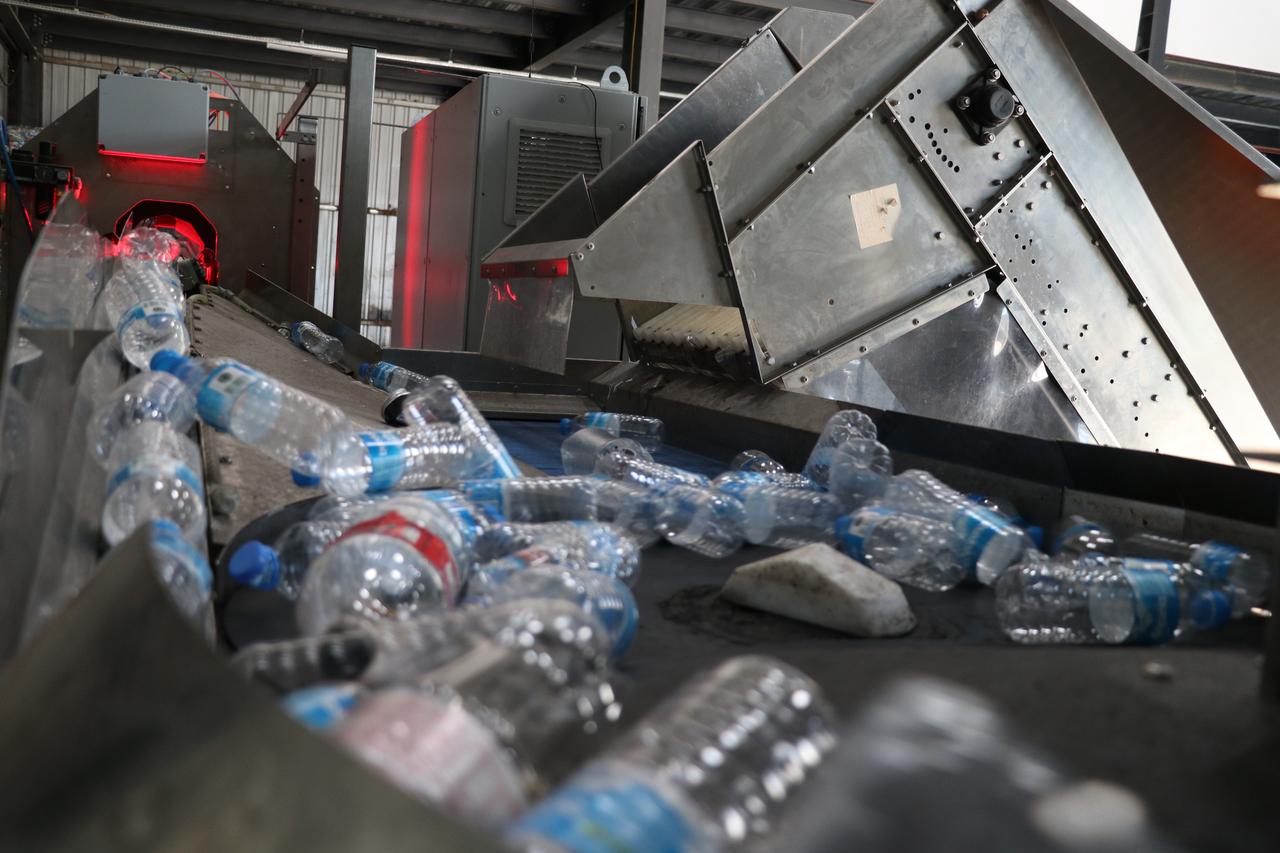

The DOA system ensures that plastic, glass, and aluminum beverage containers are collected separately and cleanly, without mixing with other waste.
This allows for the production of high-quality secondary raw materials while reducing the use of natural resources and the need for new raw materials.
Through the containers recycled so far, approximately 246 tons of carbon dioxide emissions have been prevented, the use of 47,000 barrels of oil has been avoided, and 11.4 gigawatt-hours of energy have been saved.
By preventing containers from entering the environment or ending up in landfills, the system also contributes to reducing the environmental burden.
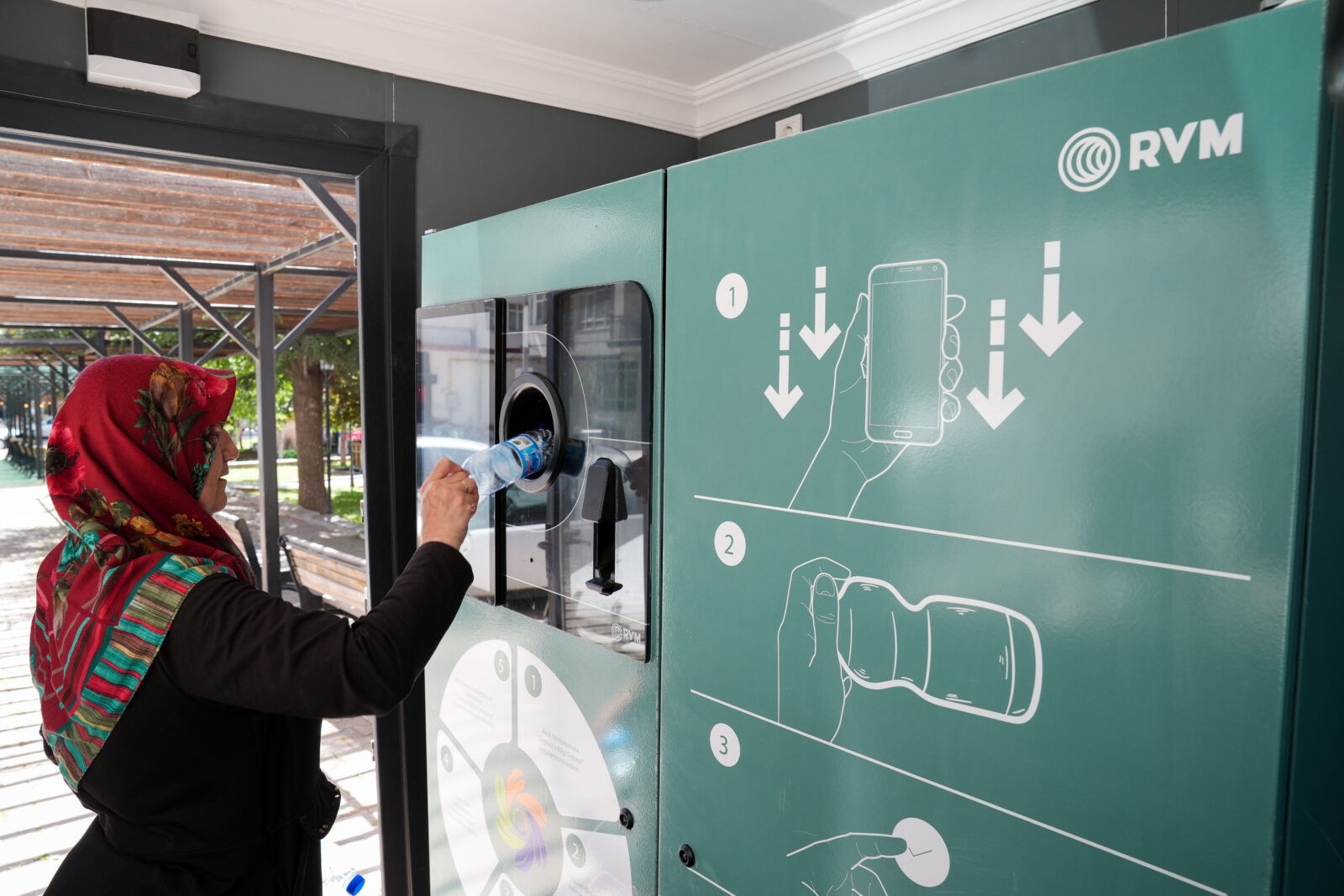
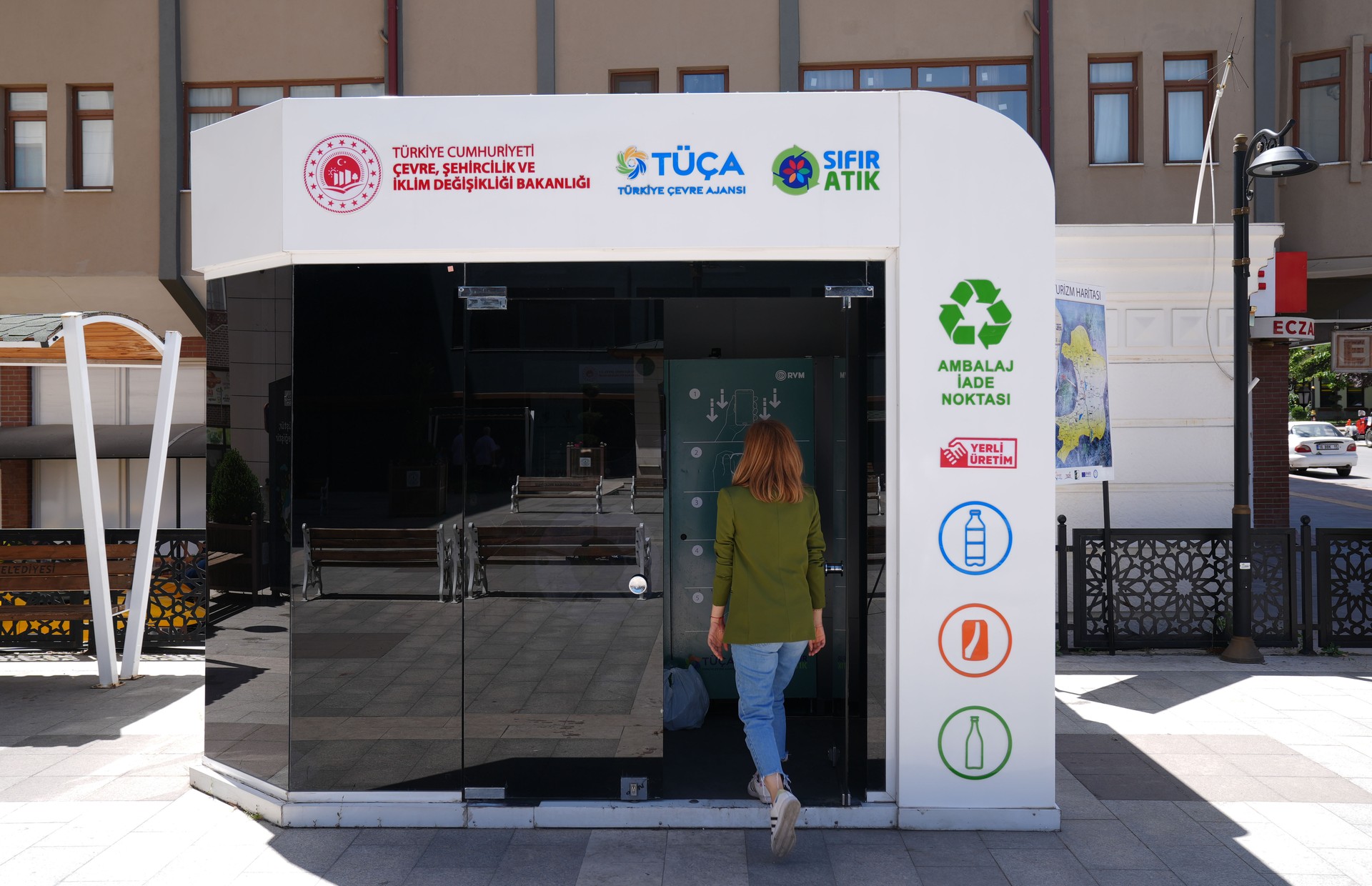
Containers bearing the DOA logo that are deposited into Deposit Return Machines (DIM) are verified and counted through barcode and system data, with the return transaction recorded digitally.
Once verified by the machine, the containers are compacted and then regularly collected by authorized field operators. Containers counted and verified at the DIMs are directed straight into the recycling process without being sent to a separate counting and verification center.
Containers collected through Manual Return Points as well as from hotels, restaurants and cafes, however, are checked at counting and verification centers. There, the containers are sorted into PET, glass and aluminum, while those that do not comply with the system are separated out.
The PET containers are then sent to licensed recycling facilities, where they are turned back into raw plastic material; glass containers are converted into cullet, and aluminum cans are turned into aluminum raw material that can be used in new production.
The entire process, from a container's introduction to the market to its return, collection, and recycling, is tracked and recorded through a digital infrastructure.


 Set as preferred source
 Set as preferred source


 1 min read
 1 min read


