Newsletters


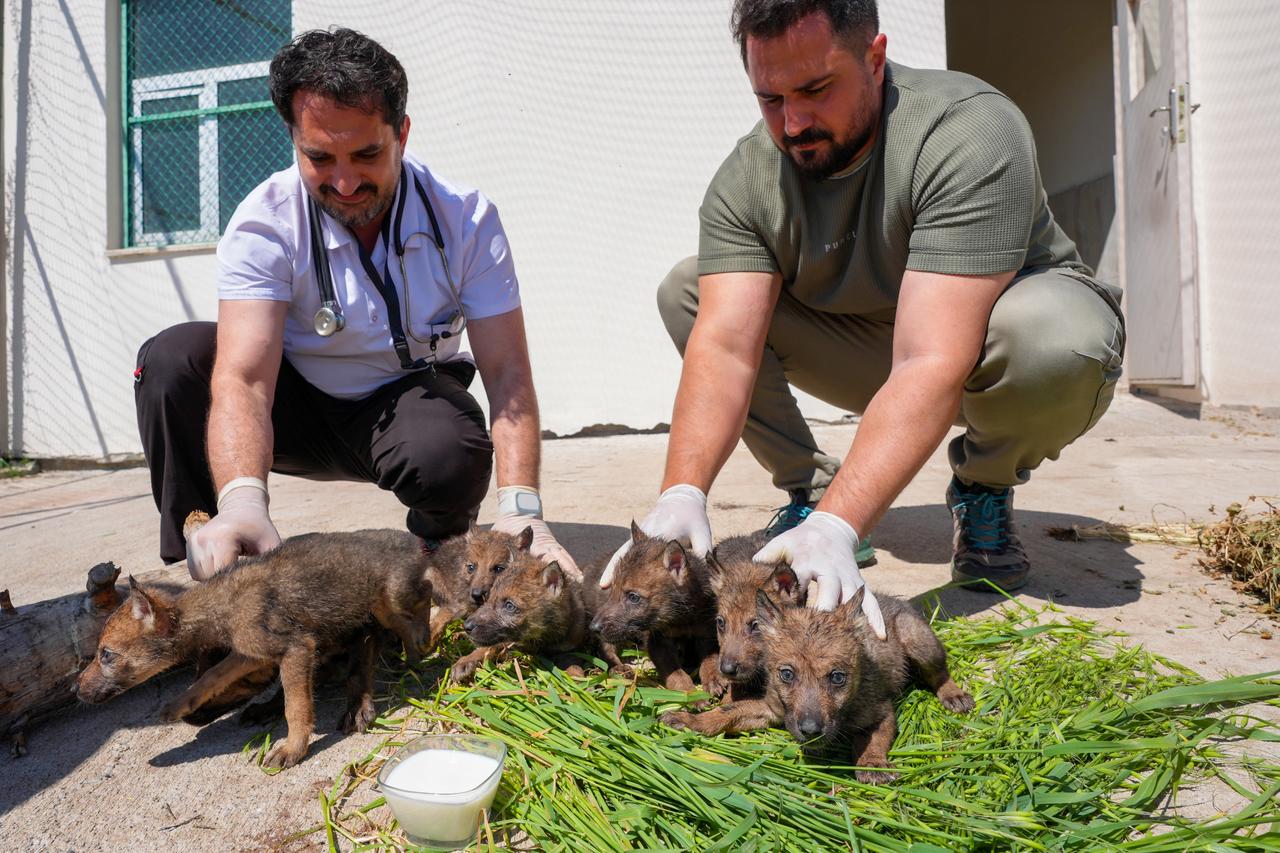


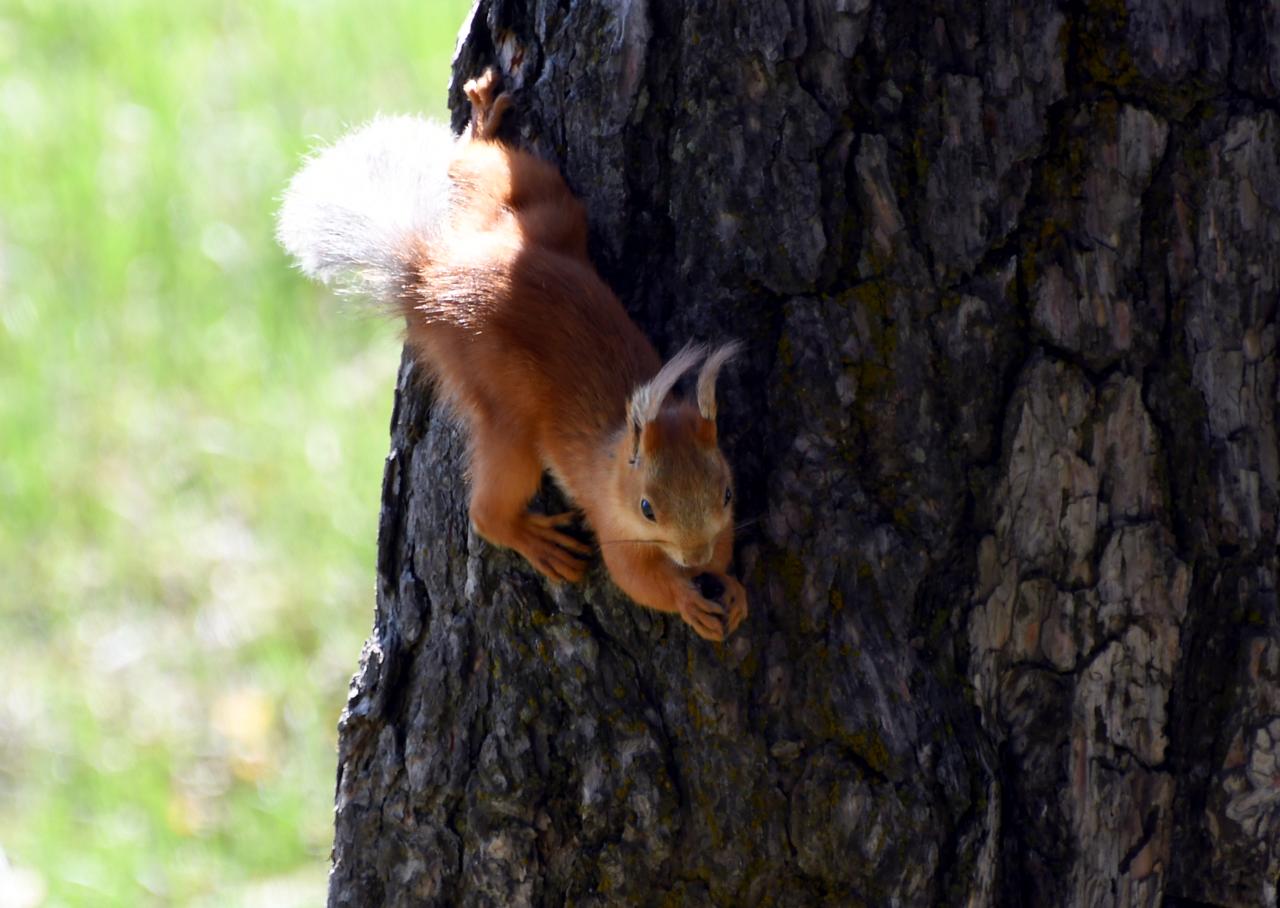
Türkiye released more than 3.7 million animals into natural habitats in 2025 as part of its wildlife development and conservation work, according to data compiled from the Ministry of Agriculture and Forestry.
The releases were carried out by the General Directorate of Nature Conservation and National Parks, known in Turkish by its initials DKMP, which operates under the ministry. The work includes species protection action plans and wildlife breeding, reintroduction and monitoring programs.
In total, 3,745,402 animals were placed in nature last year. This included 45,250 wild birds, 152 mammals and 3.7 million trout released into natural waters.

The 2025 figures added to a wider program that has been running since 2001. Over the 2001-2025 period, Türkiye released more than 51.1 million animals into their natural environments.
This total includes more than 1.48 million wild birds, 2,421 mammals and 49.6 million trout. While the bird and mammal releases are aimed at strengthening wildlife populations, the trout releases are intended to support aquatic ecosystems in natural waters.
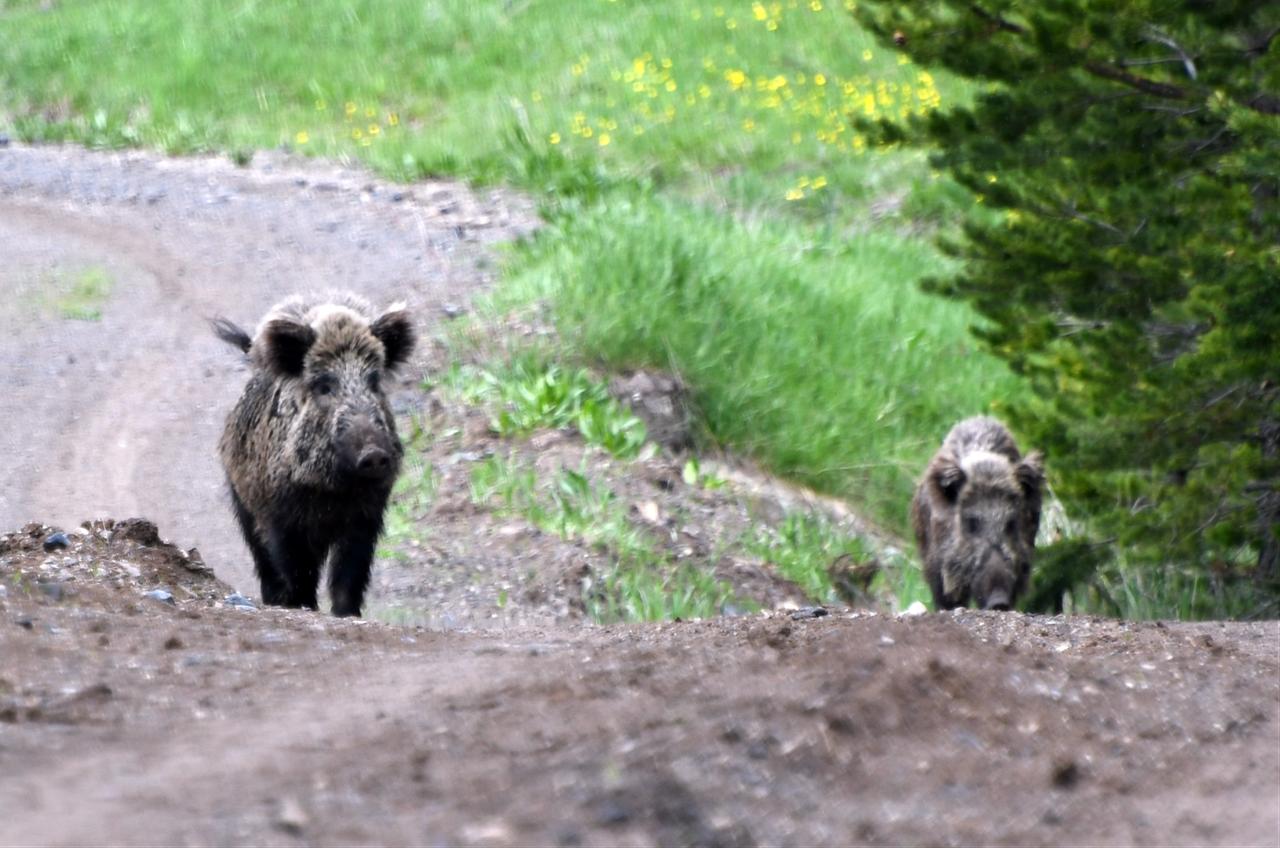
Türkiye also maintains wildlife development areas, which are protected zones used to conserve and improve selected species and their habitats.
The country currently has 85 such areas, covering 1.17 million hectares. Inventory work carried out in these zones last year identified 29,694 individuals from 17 species.
These wildlife development areas made up 30.7% of the protected areas under DKMP's responsibility, while national parks accounted for 24.7%.
By the end of 2025, Türkiye had placed 3.8 million hectares under legal protection to help preserve biological diversity, natural ecosystems and cultural values over the long term.
The country had 690 protected areas under DKMP responsibility, including 50 national parks, 274 nature parks, 111 natural monuments, 32 nature conservation areas, 85 wildlife development areas, 14 Ramsar sites, 59 wetlands of national importance and 65 wetlands of local importance. Ramsar sites refer to wetlands recognized under the international framework for important wetland conservation.
The total size of protected areas increased by 39,800 hectares compared with the previous year.
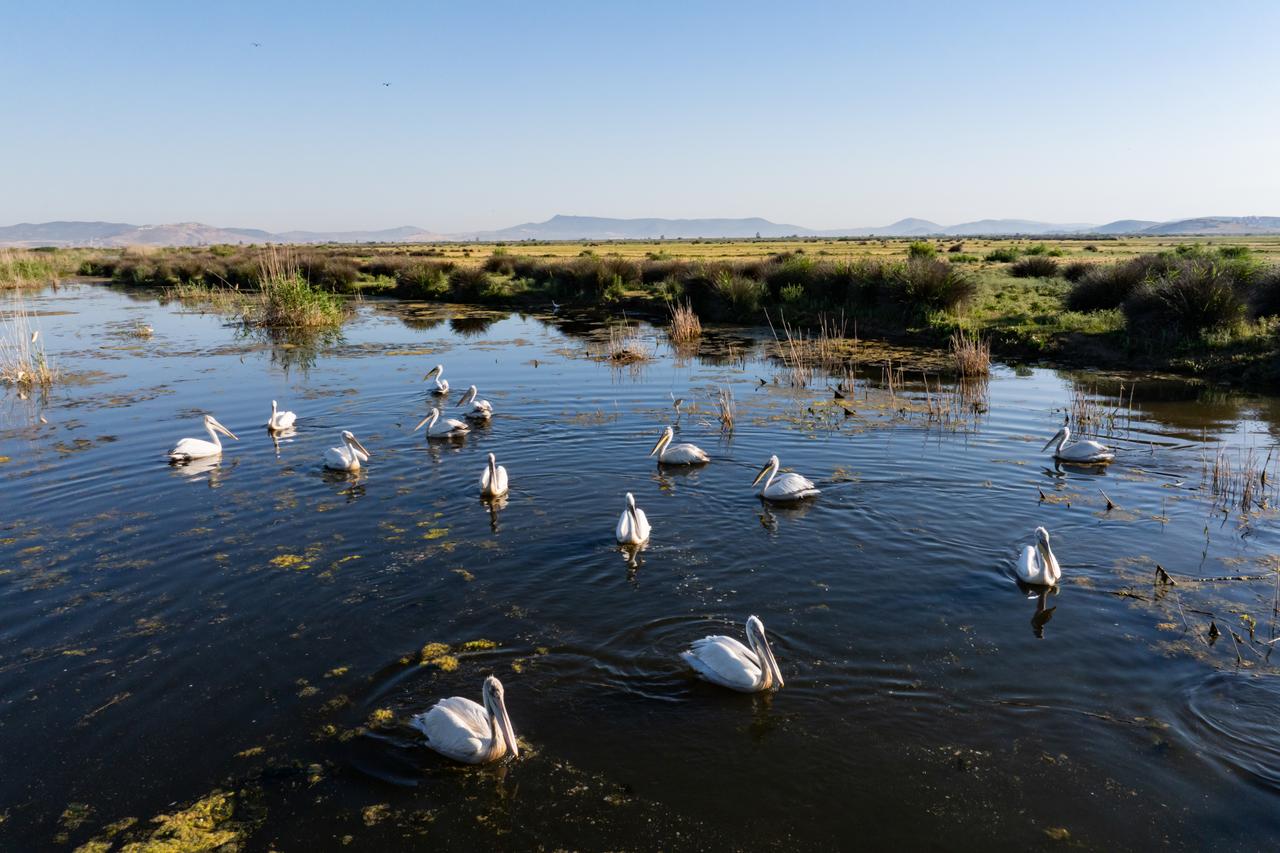
According to the National Biological Diversity Inventory, Türkiye has 13,343 seed plant species. The country is also home to 3,301 endemic species and 391 local endemic species, placing it among Europe's richest countries in terms of biological diversity.
The collected data is transferred to the Noah's Ark National Biological Diversity Database, a public and authorized-user platform where location-based and literature-based records are stored.
Through this system, each species is given an identity record, allowing long-term data flow and detailed information on species distribution over time and location.


 Set as preferred source
 Set as preferred source


 3 min read