Newsletters





Türkiye has recorded its highest rainfall levels in nearly four decades during the 2025–2026 water year, according to a leading agricultural scientist, marking an unusually wet period across the country.
Yusuf Demir, a faculty member at Ondokuz Mayis University’s Faculty of Agriculture, told Anadolu Agency that rainfall between Oct. 1, 2025, and March 31, 2026, showed a sharp increase compared to both long-term averages and the previous year.
He said precipitation during this period was approximately 25% above seasonal norms and 87% higher than the same period of the previous year, making it the highest level recorded in 38 years.
Some measurements, he added, suggest that the 2026 winter season also reached its highest rainfall levels in 66 years.
Demir said the findings indicate an exceptional increase in precipitation across Türkiye during the period in question.
Addressing public debate on social media, Demir warned against claims of “weather manipulation” and “climate weapons,” describing them as unverified and lacking scientific evidence. He stated that such narratives are considered misinformation within the scientific community.
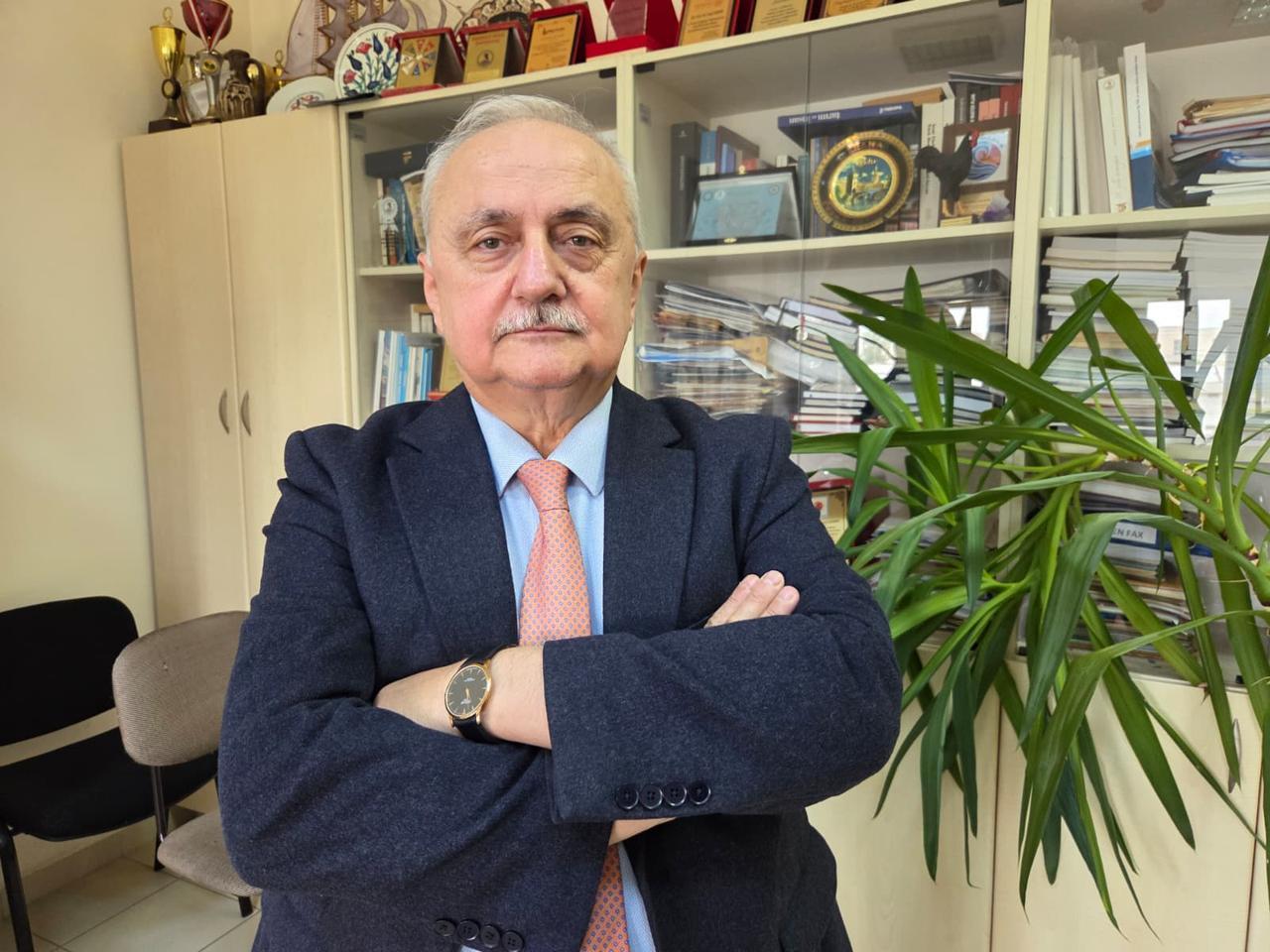

The professor also provided clarification on cloud seeding, a weather modification technique frequently cited in public discussions.
He explained that cloud seeding involves dispersing substances such as silver iodide, salt particles, or dry ice into existing cloud formations using aircraft, ground-based generators, or rockets.
However, he emphasized that the method cannot create clouds or generate rainfall in clear skies and is only effective under suitable atmospheric conditions.
Existing research suggests it may increase precipitation by approximately 5% to 20% in favorable cases.
Demir concluded that there is no scientific evidence supporting claims that weather systems can be controlled at large scales or used as “climate weapons,” adding that the recent increase in rainfall is consistent with natural atmospheric variability.


 Set as preferred source
 Set as preferred source



 2 min read