Newsletters


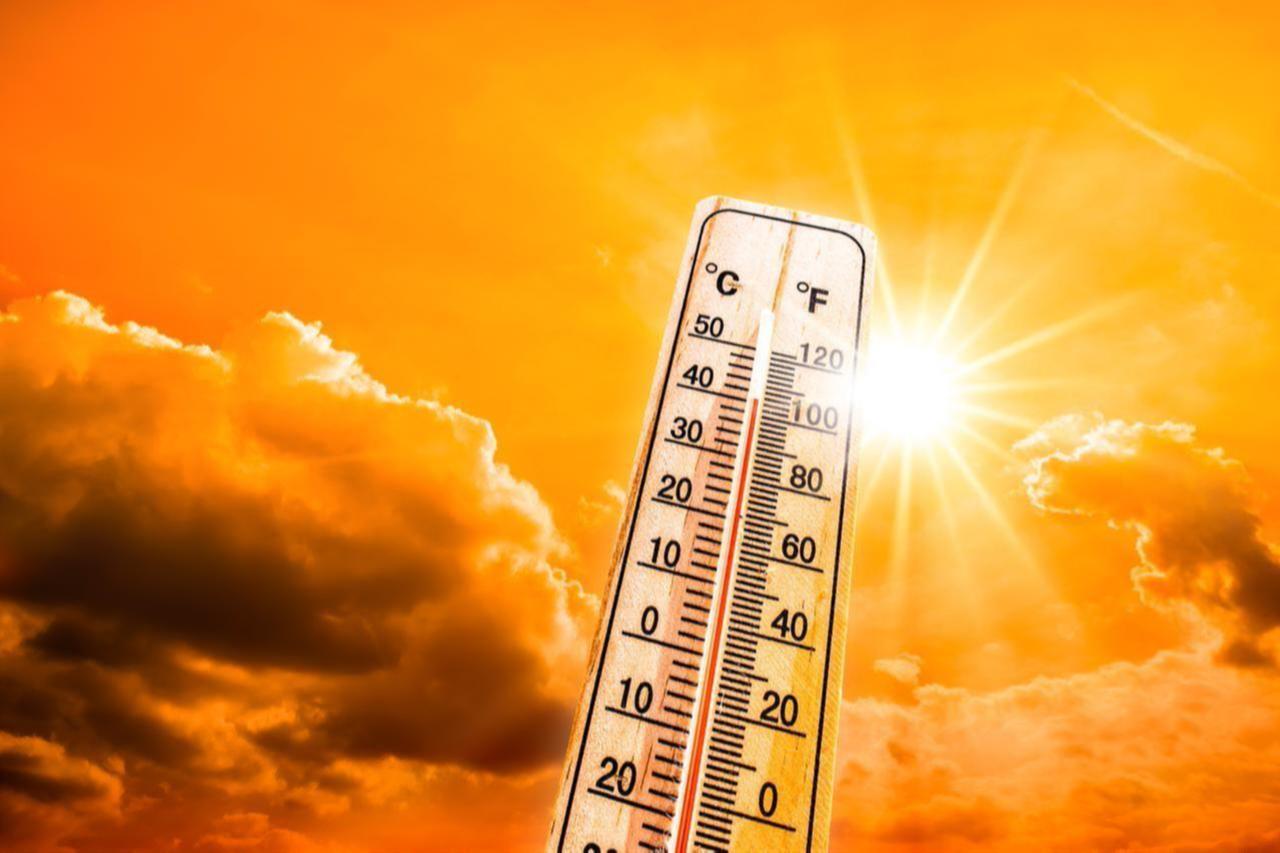


A Turkish academic warns that Türkiye will experience a significant climate shift by 2050, with hot and arid steppe conditions expected to dominate much of the country, threatening both water resources and drinking water quality.
Dr. Sinan Sahin, a faculty member at Tekirdag Namik Kemal University's Corlu Engineering Faculty and a visiting researcher at Justus Liebig University's Geography Department in Germany, reached this conclusion after nine months of field research examining the effects of climate change across Türkiye and the Euro-Mediterranean region.
According to the study's findings, the Köppen-Geiger climate classification system, which divides the world into five main climate groups based on temperature and precipitation data, predicts that hot and arid steppe conditions will become dominant across most of Türkiye from 2050 onward.
Under the worst-case scenario, desert climate conditions could emerge in the northern districts of Karaman province. Even under a moderate scenario, Sahin said the consequences remain severe.
"Even under a mid-level scenario, the continental interior of Türkiye and parts of southern and southwestern Europe will dry out and shift toward steppe climate conditions," Sahin said.
"This poses a serious threat to water resources and water quality. Setting aside water needed for agriculture, the chances of finding quality water even for drinking purposes will diminish after 2050."
Sahin noted that temperatures in the Mediterranean Basin could rise by 6 to 7 degrees Celsius (10.8 to 12.6 degrees Fahrenheit) under the worst-case scenario, with annual precipitation expected to fall by an average of 100 millimeters (3.9 inches).
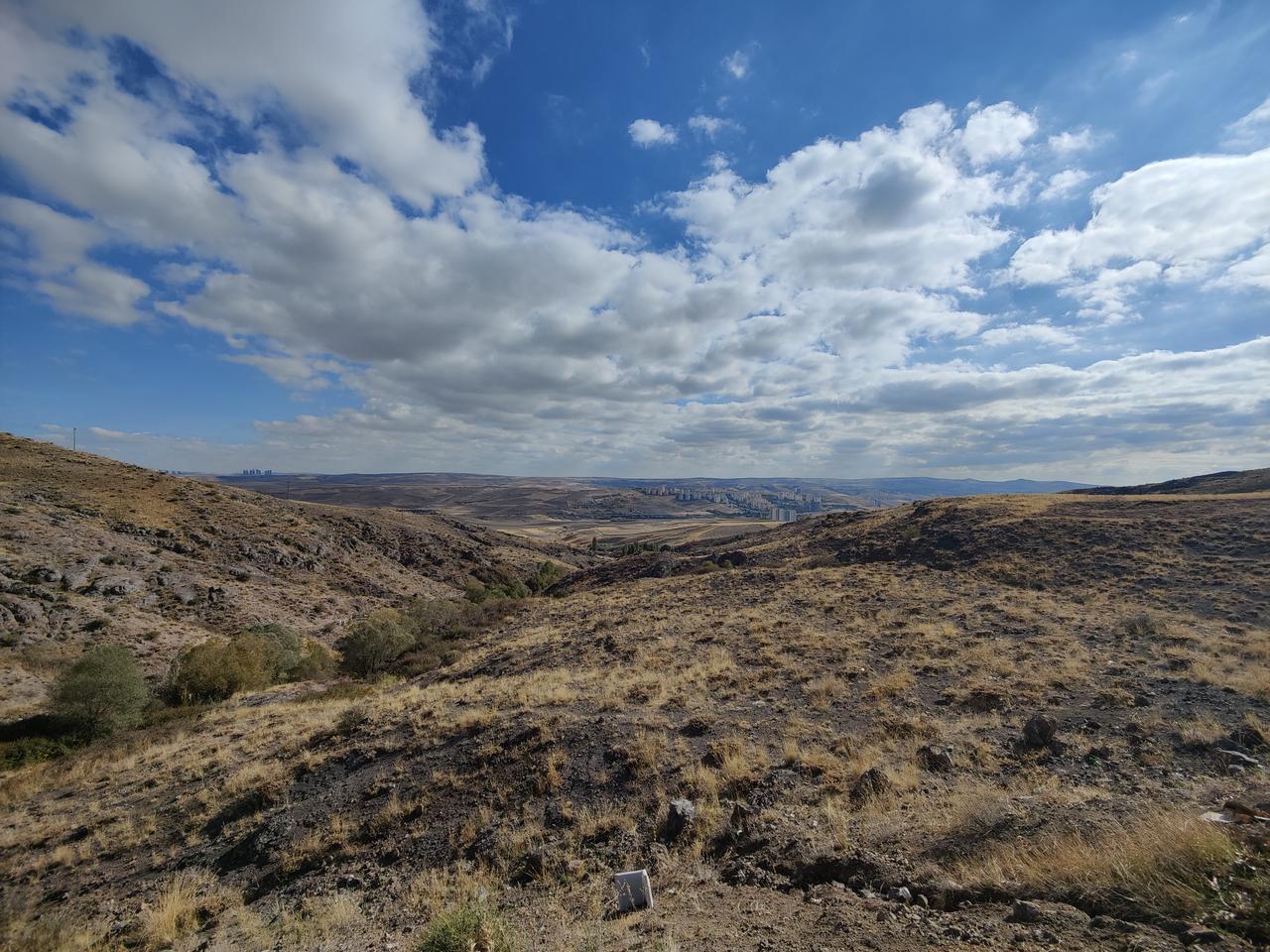

Sahin warned that rising temperatures would directly degrade the biological condition of water sources, reducing their oxygen content and making them increasingly unsafe for consumption.
"A rise of 1 degree Celsius (1.8 degrees Fahrenheit) in air temperature increases the number of organisms in water and reduces oxygen levels," he said.
"We are talking about rises of 6 degrees Celsius (10.8 degrees Fahrenheit). This will lead to oxygen depletion in water and a progressive decline in drinking water quality."
Sahin also noted that the summer season has already lengthened in recent years. Periods of summer heat that once lasted three months have now extended to four or five months.
Sahin described the study as a guide for decision-makers and local governments, and called for stronger policies on climate change adaptation and mitigation.
He added that only northern parts of Europe are projected to largely retain their current climate conditions, while drought pressure is set to intensify across the continent's southern and interior regions.
"Based on the Köppen-Geiger classification, we may soon begin talking about desert climate conditions in the next stage," Sahin said.
"If no action is taken against desertification, the process will accelerate."
Sahin urged authorities to avoid intensive, unplanned urbanization and to launch comprehensive projects to protect and expand forest cover across the country.


 Set as preferred source
 Set as preferred source


 3 min read