Newsletters


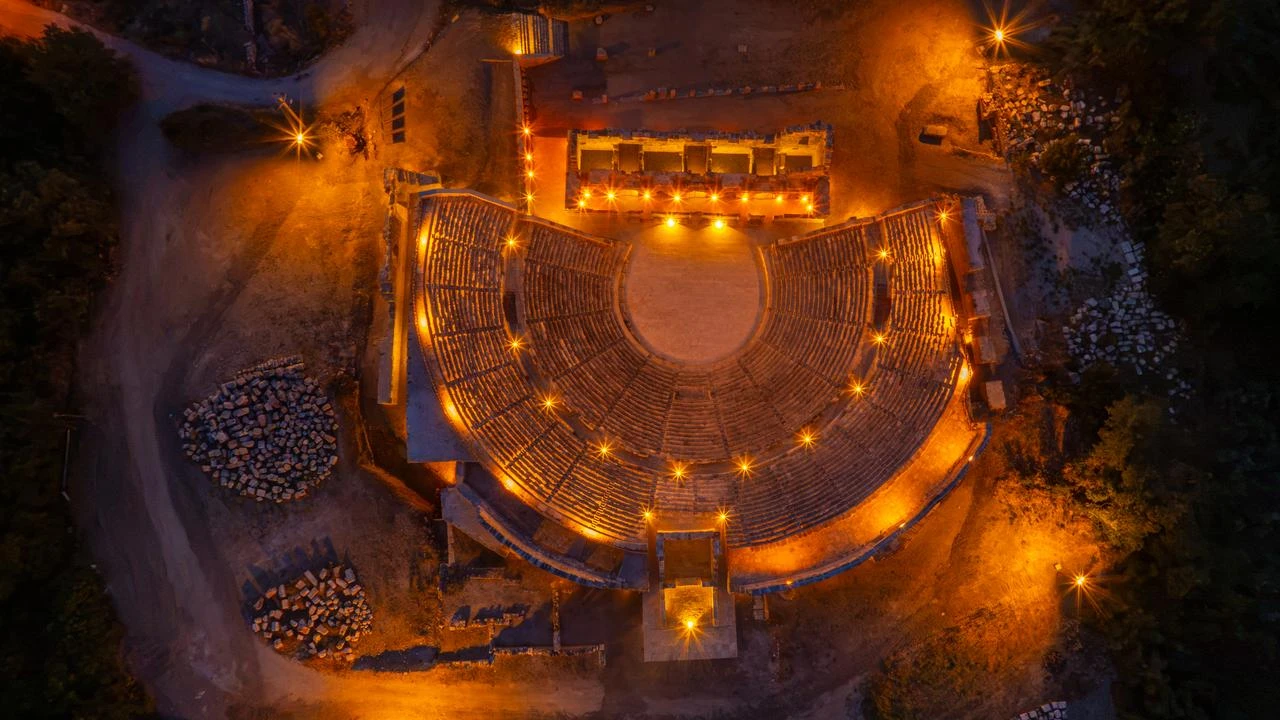
Tlos, one of the most significant sites of Lycian architecture, has been illuminated using solar power in Mugla, Türkiye, blending ancient heritage with modern sustainable technology.
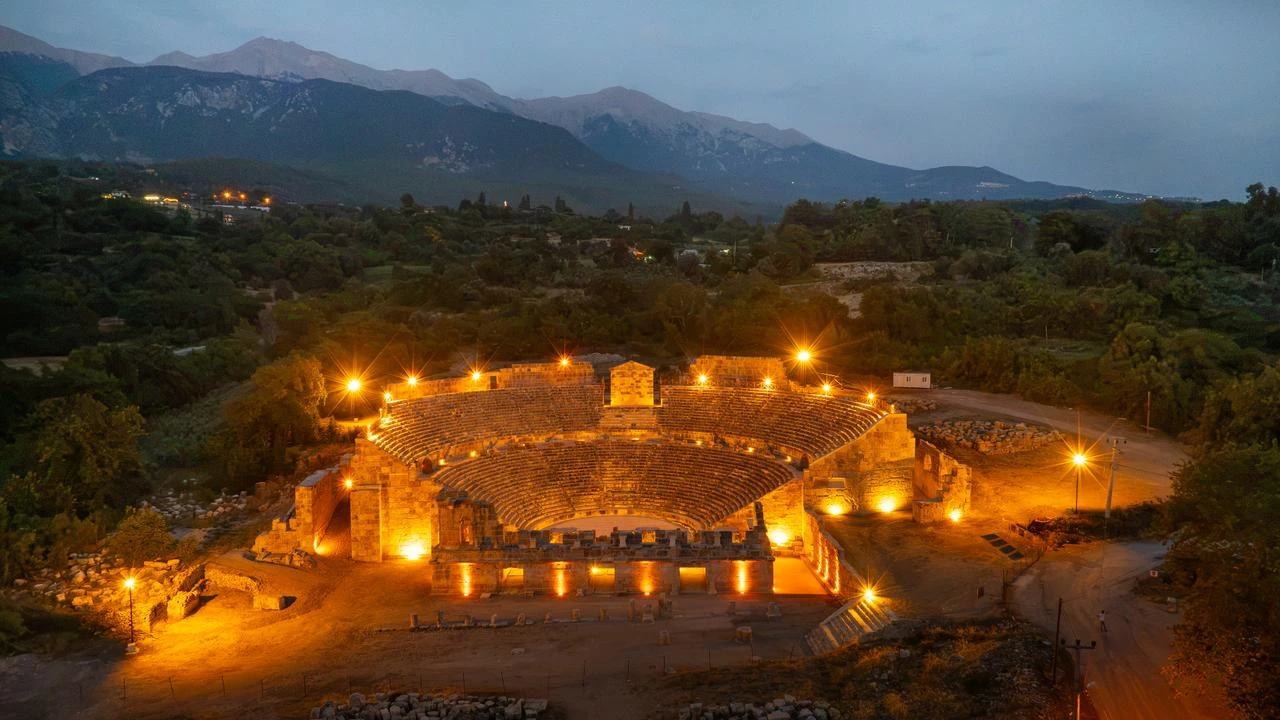
The ancient city, perched on a rocky outcrop overlooking the Xanthos Valley, is considered one of the oldest and most important settlements of the ancient Lycian civilization.
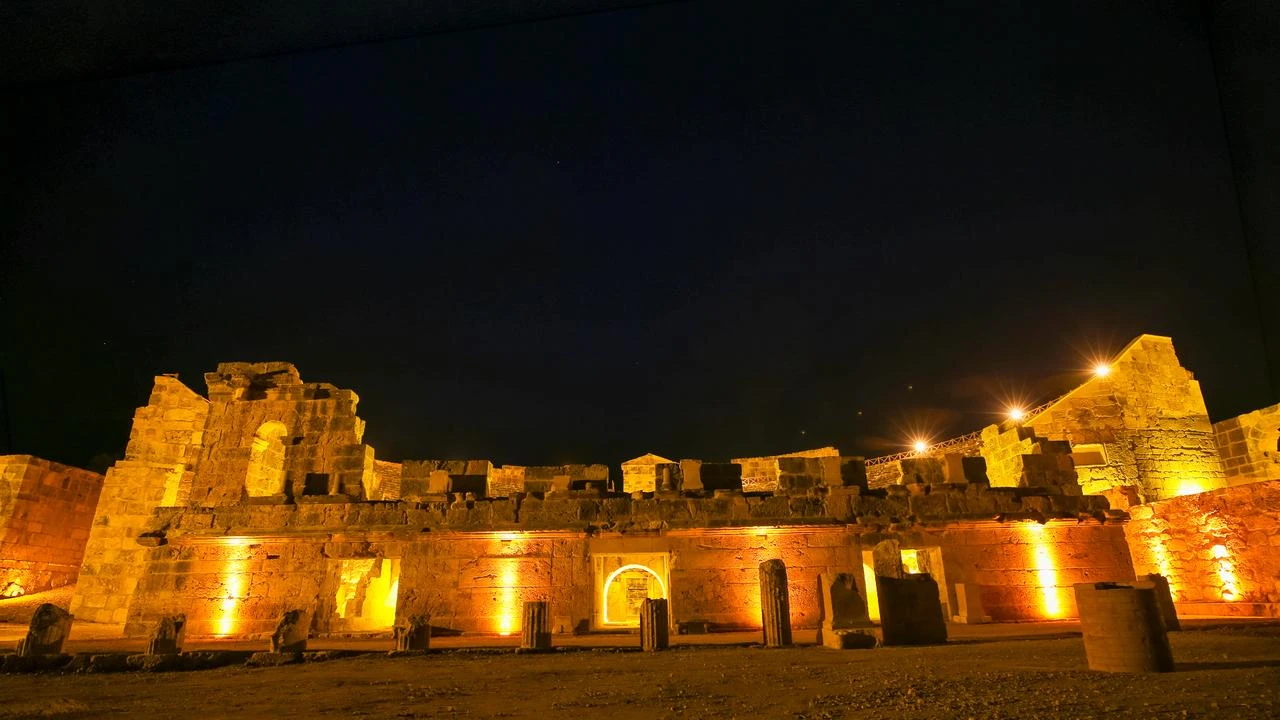
Tlos is known for its rock-cut tombs carved directly into the cliffside, many of which feature elaborate facades resembling temple fronts, a hallmark of Lycian funerary architecture.
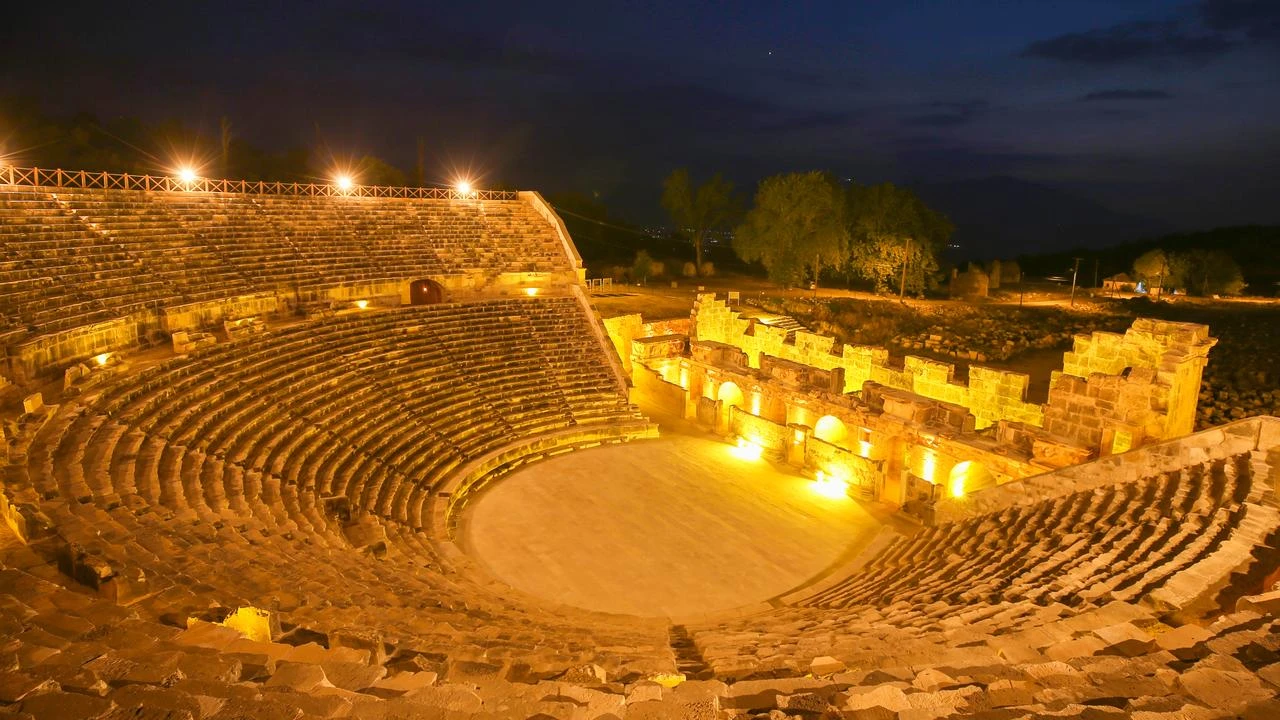
The site also contains the remains of a Roman-era theater, a stadium, bathhouses, and an acropolis, reflecting the various civilizations that inhabited the region over the centuries.
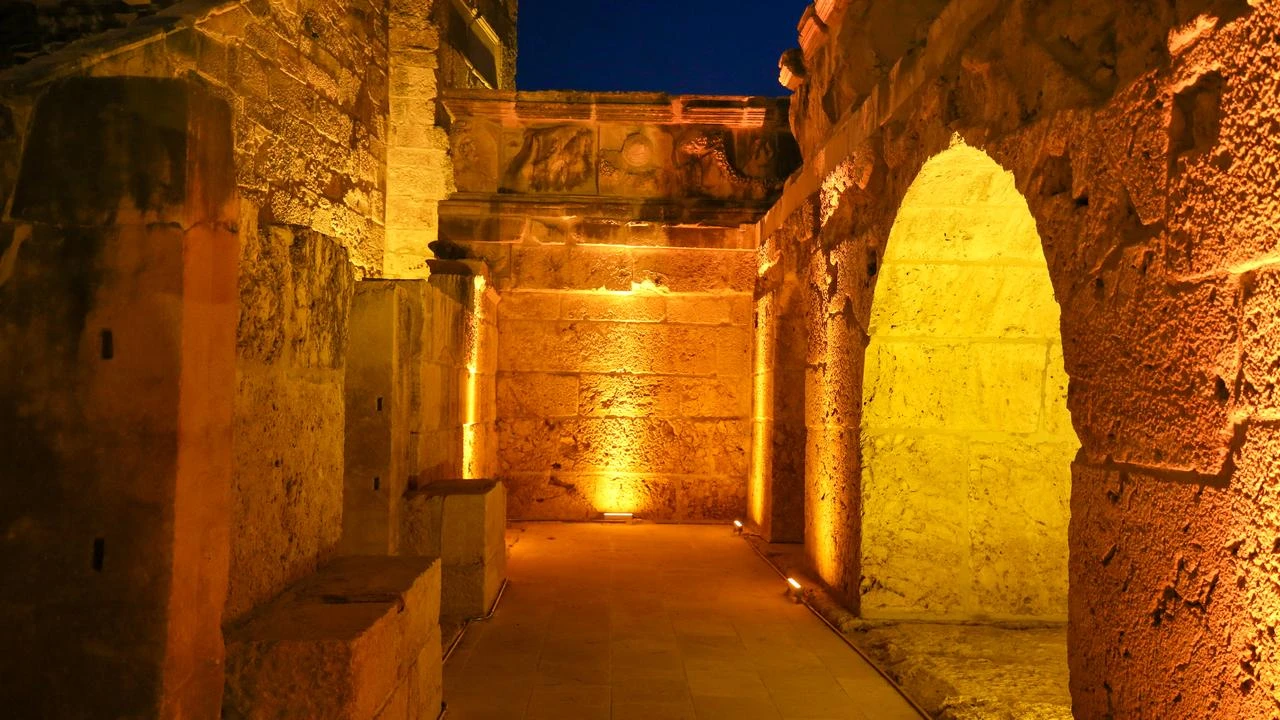
By switching to solar-powered lighting, authorities aim to highlight the site's architectural details after dark while reducing reliance on traditional electricity sources.
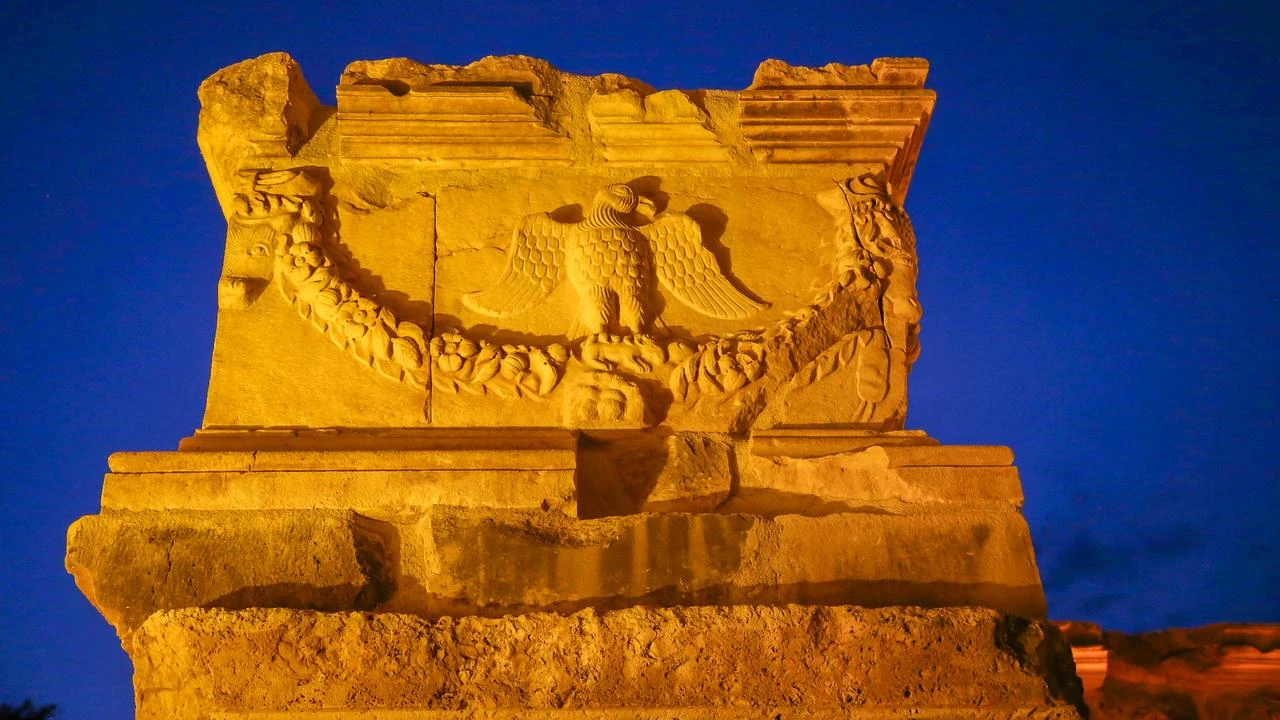
The illumination project allows visitors to view the ancient ruins in a new light, both literally and visually, as the solar-powered system casts a soft glow over the historic structures in the evening hours.
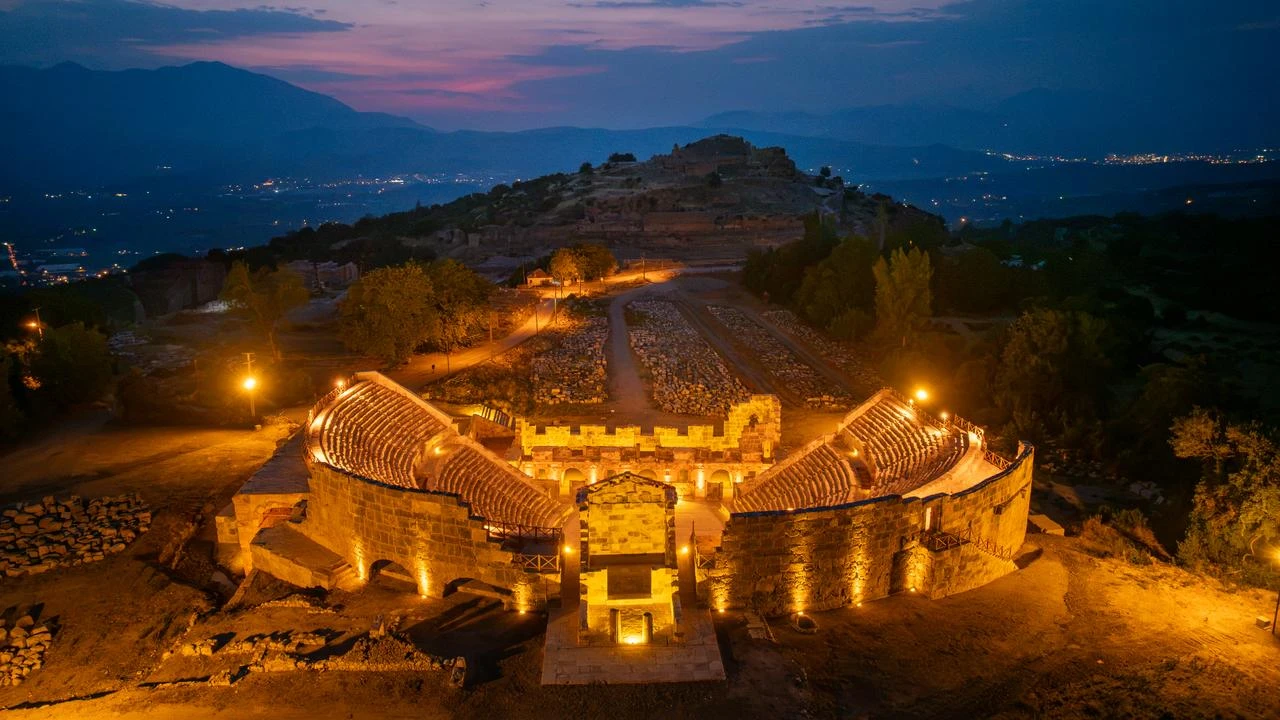
Solar lighting installations at heritage sites like Tlos are part of a broader effort in Türkiye to make historical and archaeological locations more sustainable while preserving their cultural significance.
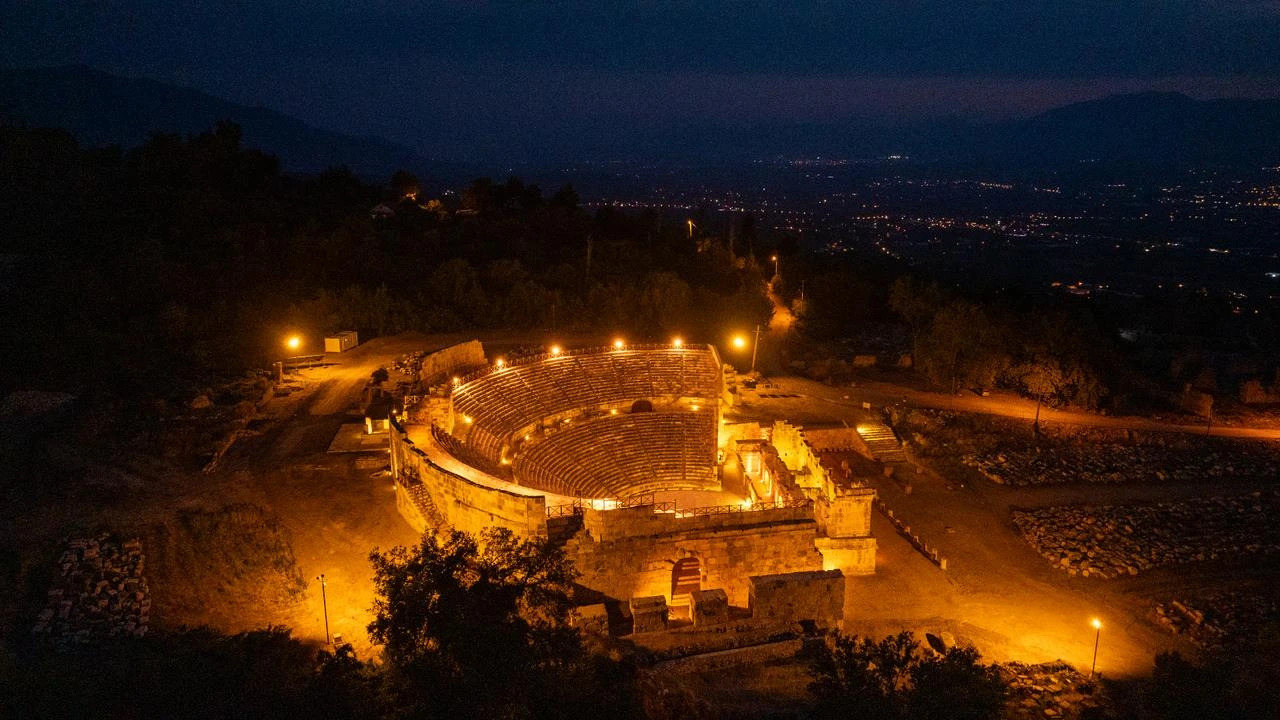
As night falls over Mugla province in southwestern Türkiye, the solar-illuminated ruins of Tlos stand out against the darkened landscape, offering visitors a striking view of the ancient city after sunset.

 1 min read


 Set as preferred source