Newsletters


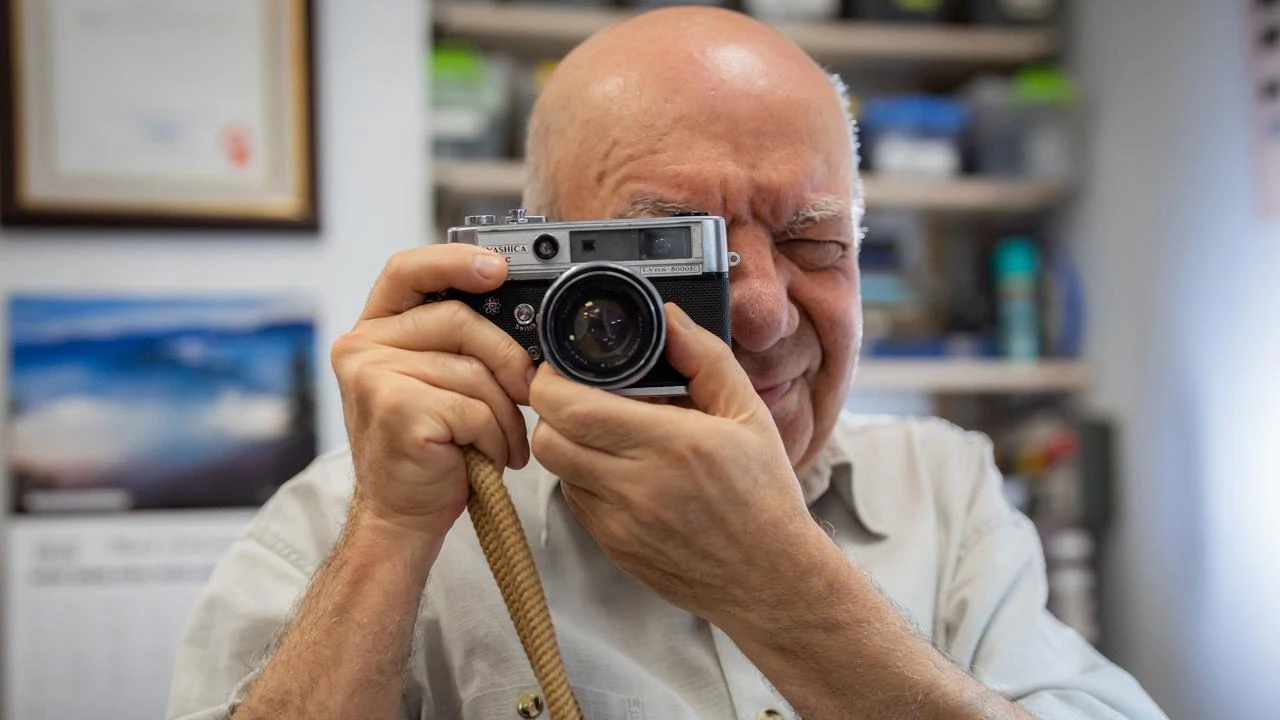
In his Ankara workshop, Ali Deger looks closely at a vintage camera as he repairs it. For 50 years, Deger has photographed and fixed cameras—a journey that started with a gift from his father and became a lifelong passion as camera technology changed over the years.
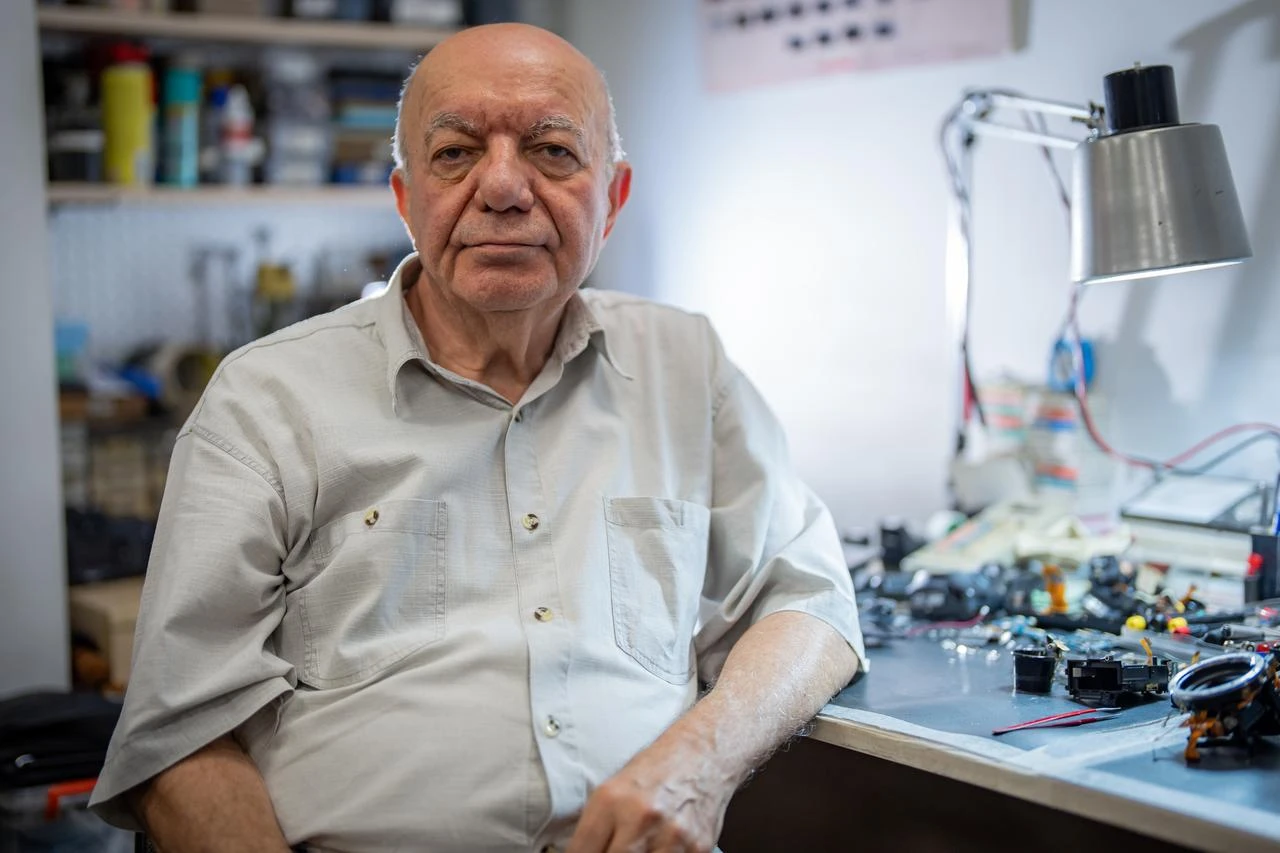
Deger first became interested in cameras as a child in Beysehir, when his father, an amateur photographer, gave him a small camera in his last year of elementary school. Back then, he took simple photos of daily life, not realizing this gift would shape his future.
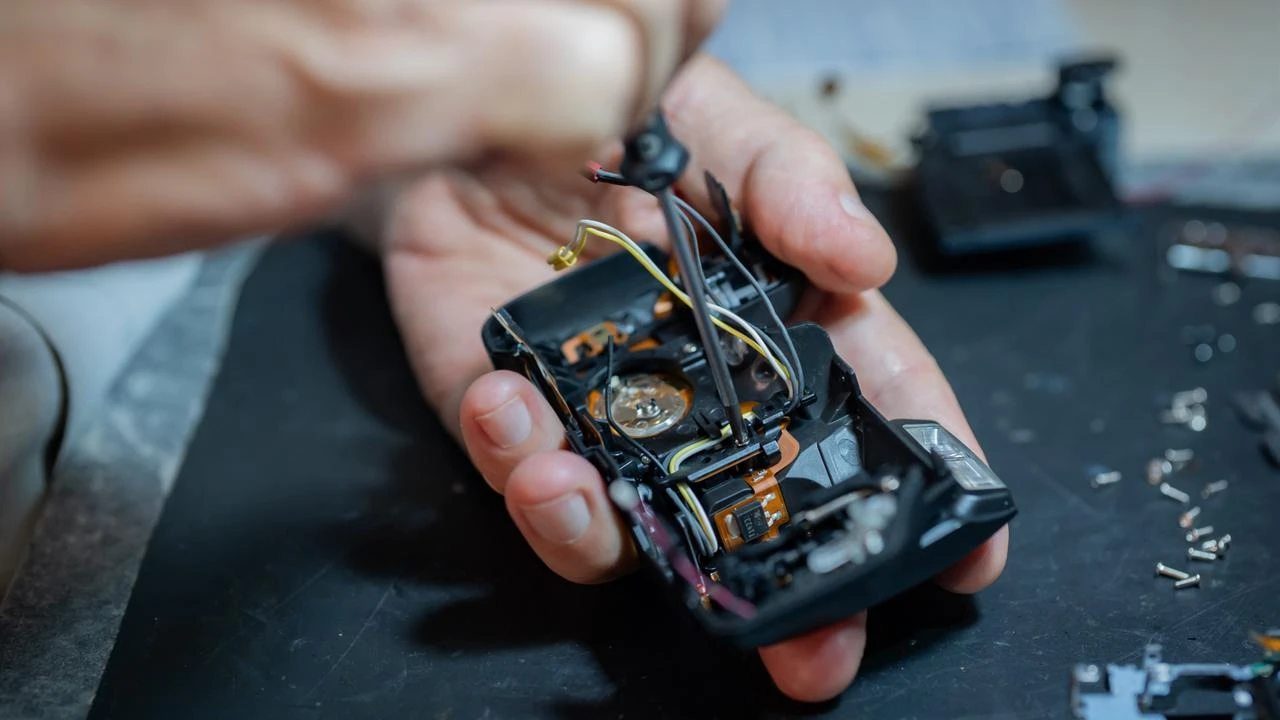
When Deger moved to Ankara, he joined local photography groups and camera clubs, surrounding himself with other enthusiasts. These communities helped him learn more about photography, both technically and creatively, and he began to take it more seriously.
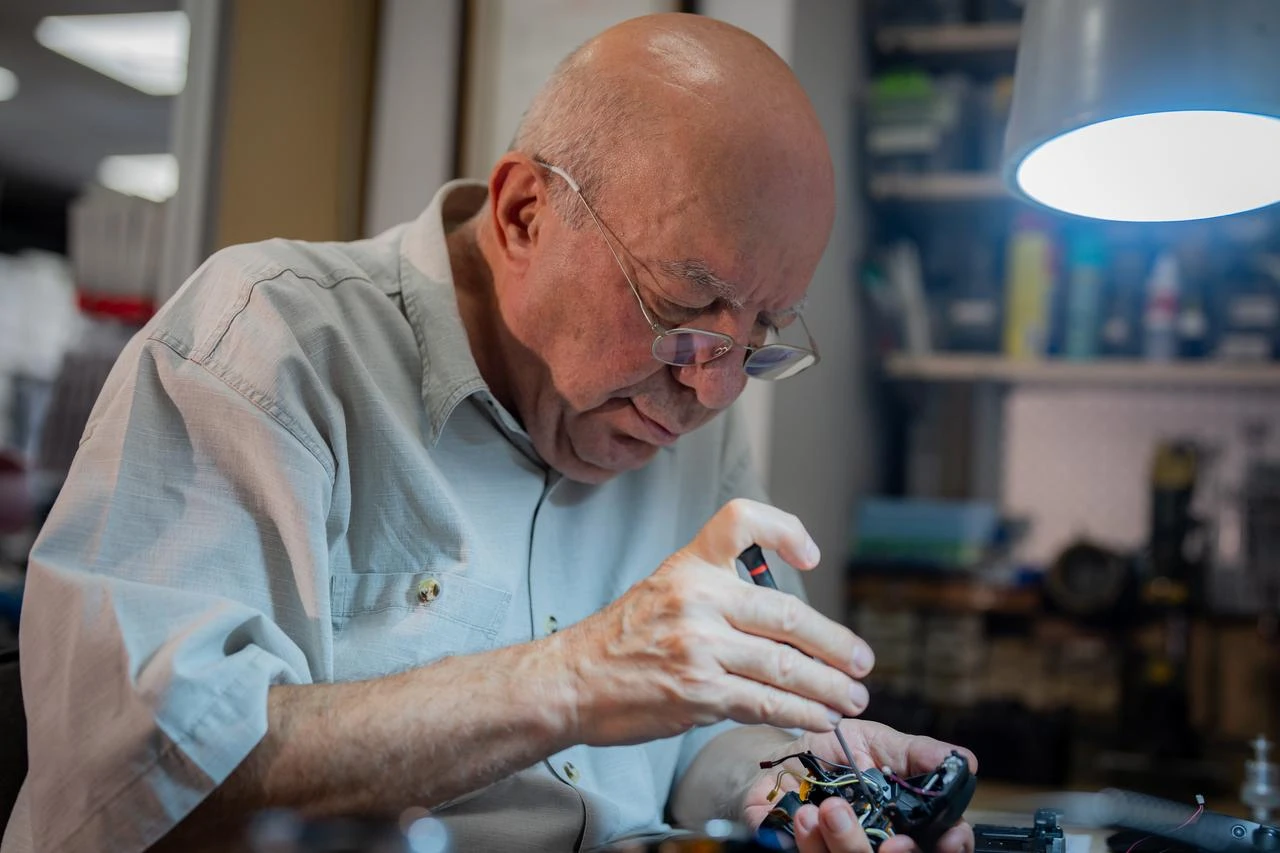
Deger started studying geology engineering at Ankara University, but left before finishing to serve in the military. This change set him on a new path, toward a technical career very different from geology.
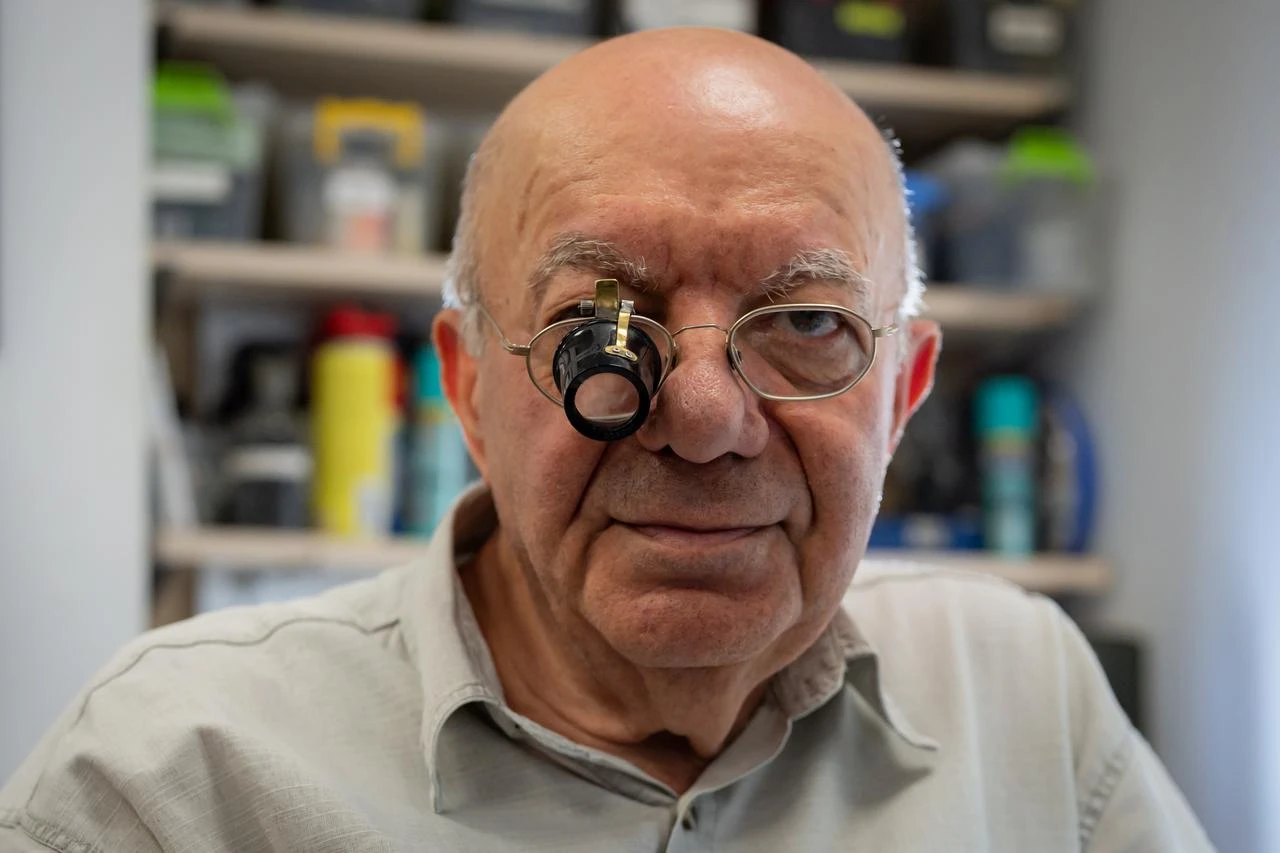
After his military service, Deger worked as an electronics technician at a military factory. This job improved his technical skills and taught him about electronic systems, knowledge that later became important for repairing cameras.
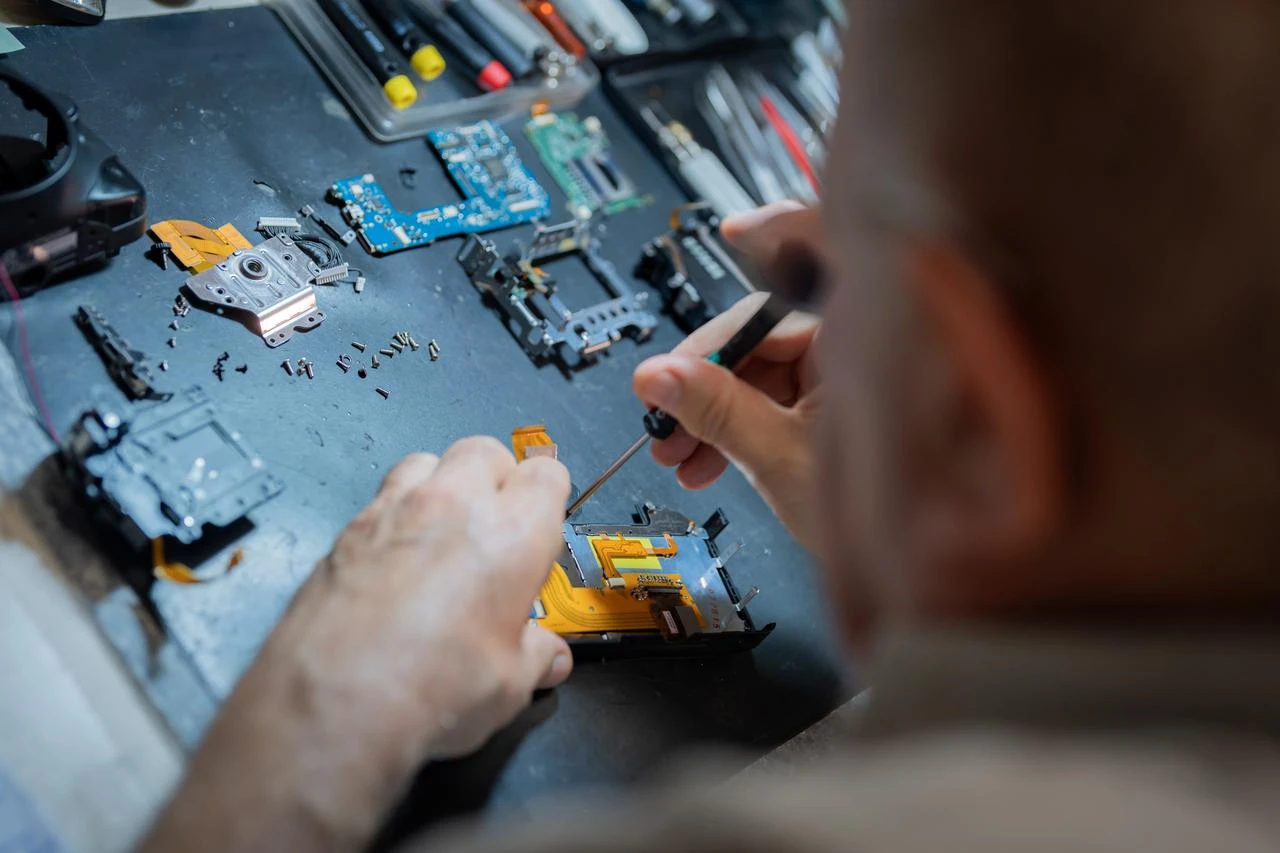
Deger’s interest in how cameras work combined with his electronics background. Curious about camera mechanisms, he started teaching himself how to repair them. What began as a hobby slowly turned into his main job.
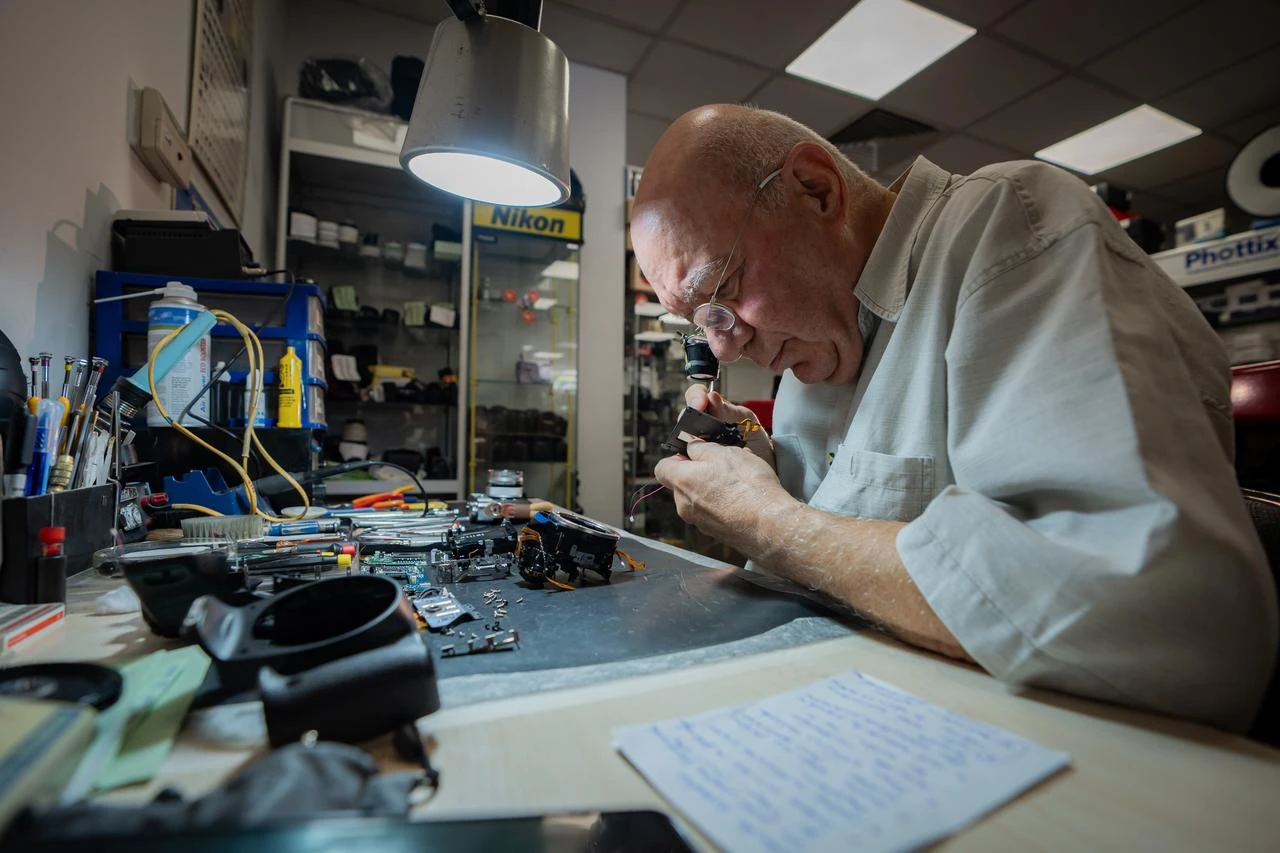
Over the past 50 years, Deger has become known as a master camera technician. He has worked on thousands of cameras from many different times and places, and believes that he has handled most camera models ever made.
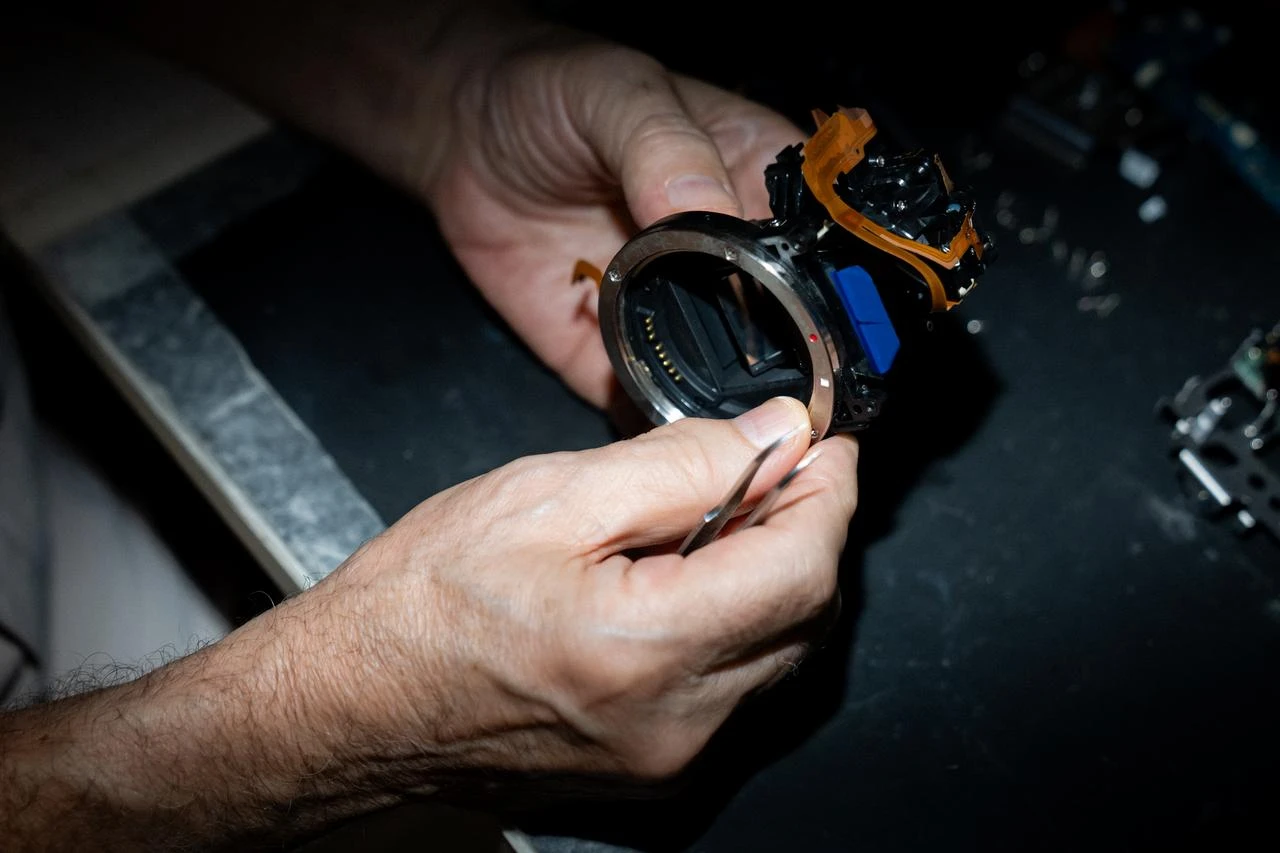
Deger sees cameras as more than just machines. To him, they connect people to their memories. He believes each camera is not just a tool, but something special to its owner, which makes every repair important to him.
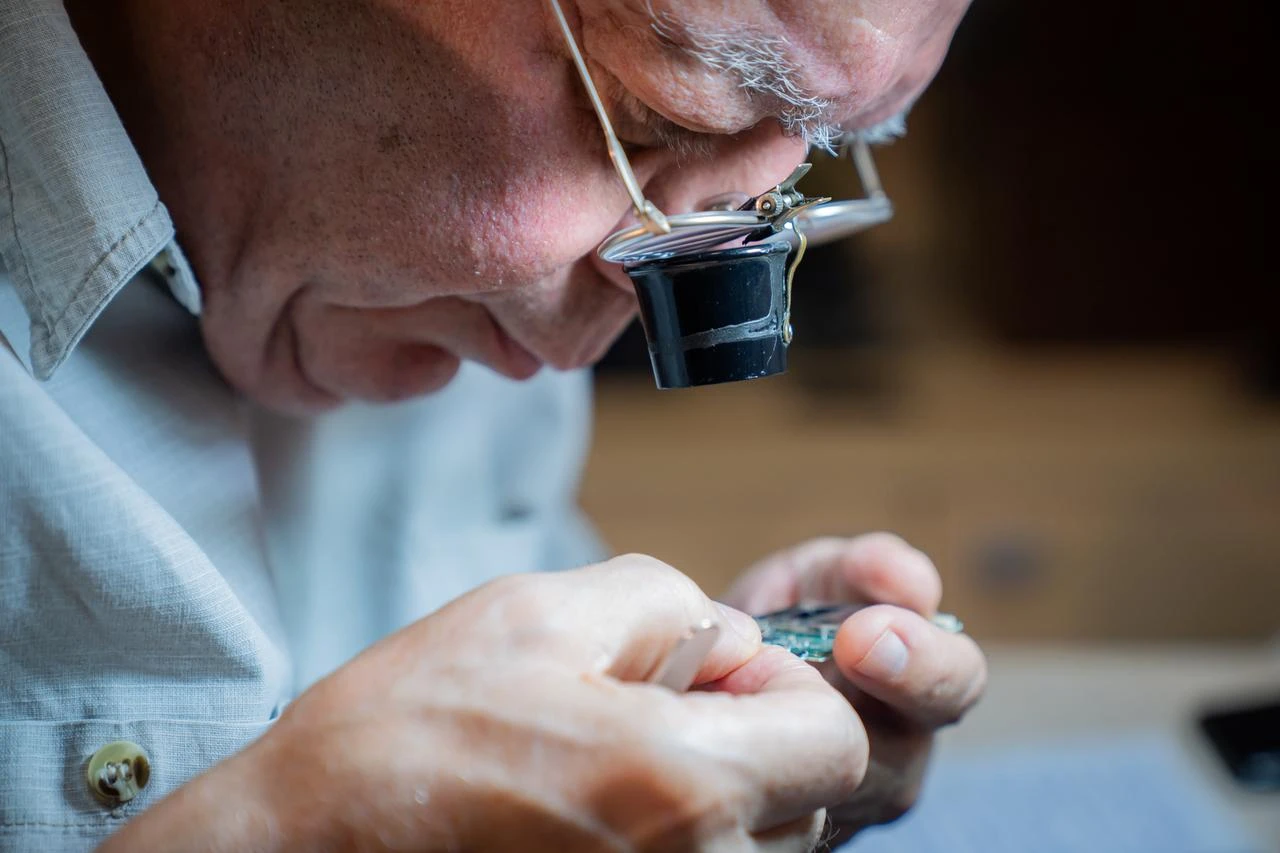
Thinking about how cameras have changed, Deger compares the move from film to digital to climbing stairs—each step builds on the last.
He says taking photos with a smartphone is real photography, but believes professional cameras are still unique because of their special lenses and equipment.
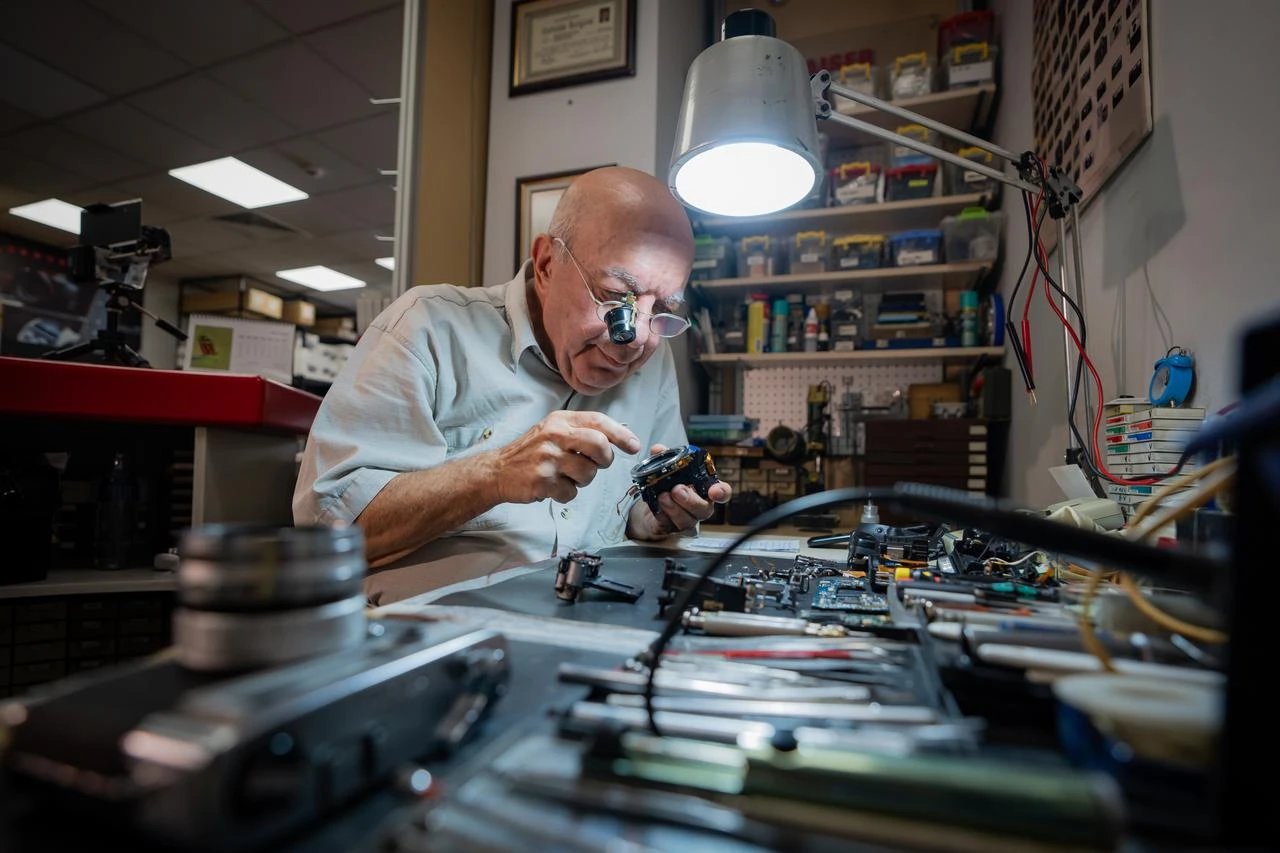
For those new to photography, Deger suggests beginning with basic lessons and a mid-range camera instead of buying the most expensive one.
He points out that a pricey camera does not mean better photos, and that skill matters more than equipment—a lesson he has learned over 50 years.

 1 min read


 Set as preferred source