Newsletters





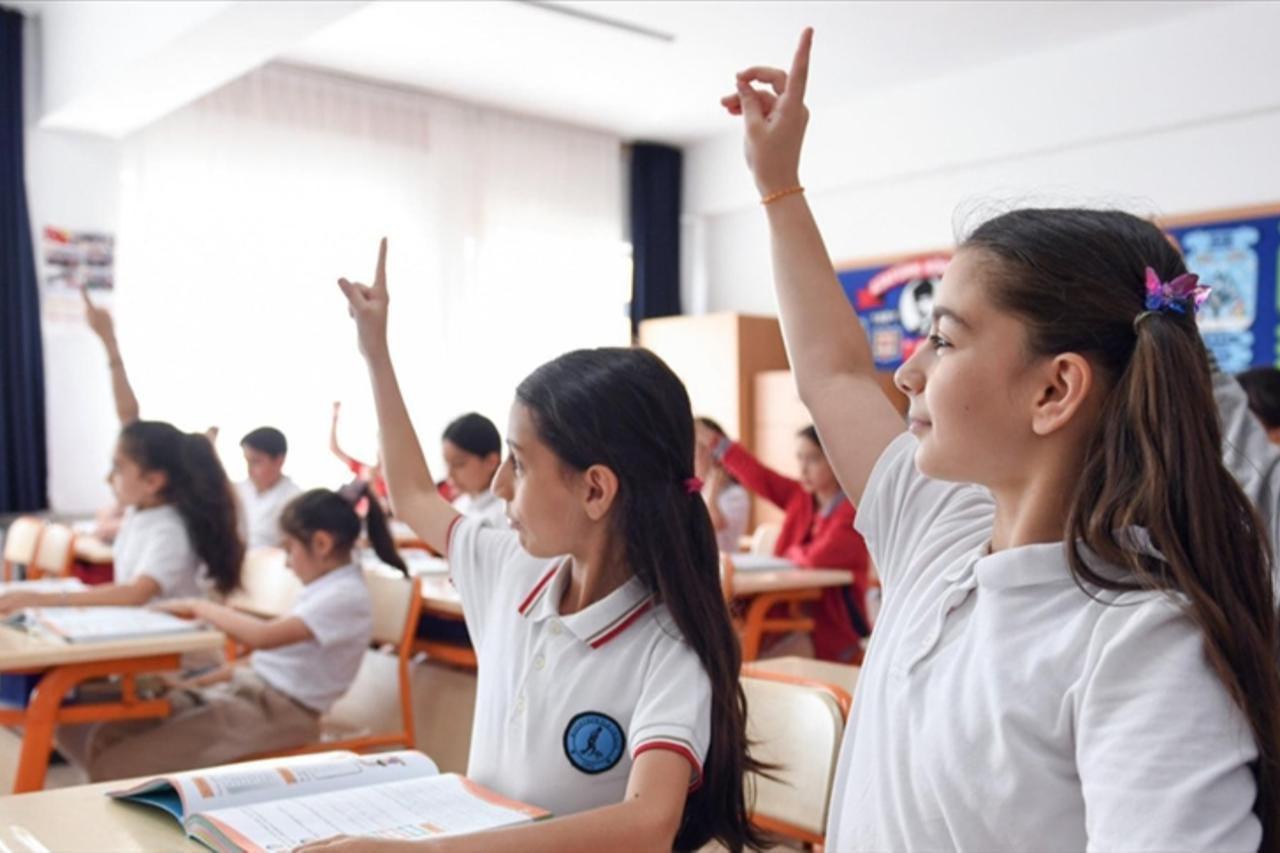
Türkiye’s Health Ministry plans to introduce addiction screening and counseling programs in schools as part of a new model targeting children and teenagers, Health Minister Kemal Memisoglu said.
Speaking at Parliament’s Commission on Children Driven to Crime, Memisoglu said the program will focus on early detection of tobacco, substance, and behavioral addictions among young people aged 12 to 18. The Health Ministry is working with the Education Ministry on the model.
Memisoglu stressed the need for “early detection,” especially during adolescence. He said authorities aim to identify risks at an early stage and guide students toward counseling and treatment when needed.


According to reports in Türkiye Daily, the program will cover middle and high schools. It will combine screening with counseling services.
Memisoglu said behavioral problems among young people increased after the COVID-19 pandemic.
“The problem has started to pose a greater risk, especially in the 12–18 age group. With screening programs to be implemented in schools and high schools, we aim to reach our young people in a timely manner,” he said.
Officials plan to identify at-risk students early and direct them to appropriate counseling and treatment processes. Authorities frame the initiative as a preventive step rather than a punitive measure.
The main objective, officials said, is early detection and effective treatment so that individuals can return to society in a healthy way.
Authorities have also launched a pilot treatment program in prisons in cooperation with the Health and Justice ministries.
Under the program, inmates convicted due to addiction-related offenses begin treatment when they approach the final year of their sentences. Officials said the pilot currently operates in Bakirkoy Prison in Istanbul and in Elazig Prison.
Addiction centers established inside these prisons oversee the treatment process. Officials said the aim is to treat addiction before release and support reintegration into society.
Both the school-based screening model and the prison pilot share the same goal, authorities said: early identification, treatment, and social reintegration.


 Set as preferred source
 Set as preferred source



 2 min read