Newsletters


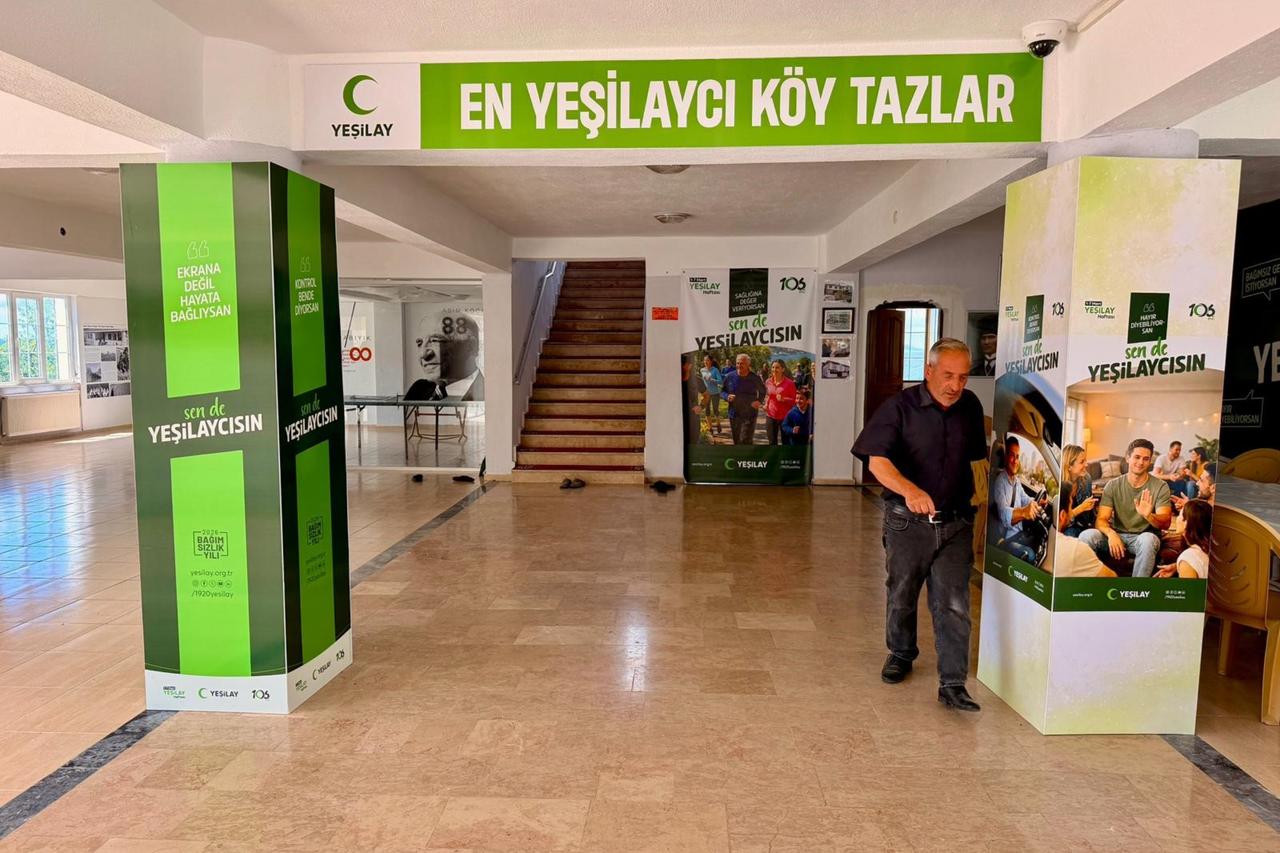


A village in western Türkiye is drawing attention for a nearly century-old anti-smoking tradition and a social life built around smoke-free community rooms rather than coffeehouses.
Tazlar, a village in the Sinanpasa district of Afyonkarahisar, has long been known locally for its stance against smoking. The village is also described as one of Türkiye's most "Yesilay-minded" settlements, a reference to Yesilay, the Turkish Green Crescent, which is commonly associated with anti-addiction and healthy living efforts.
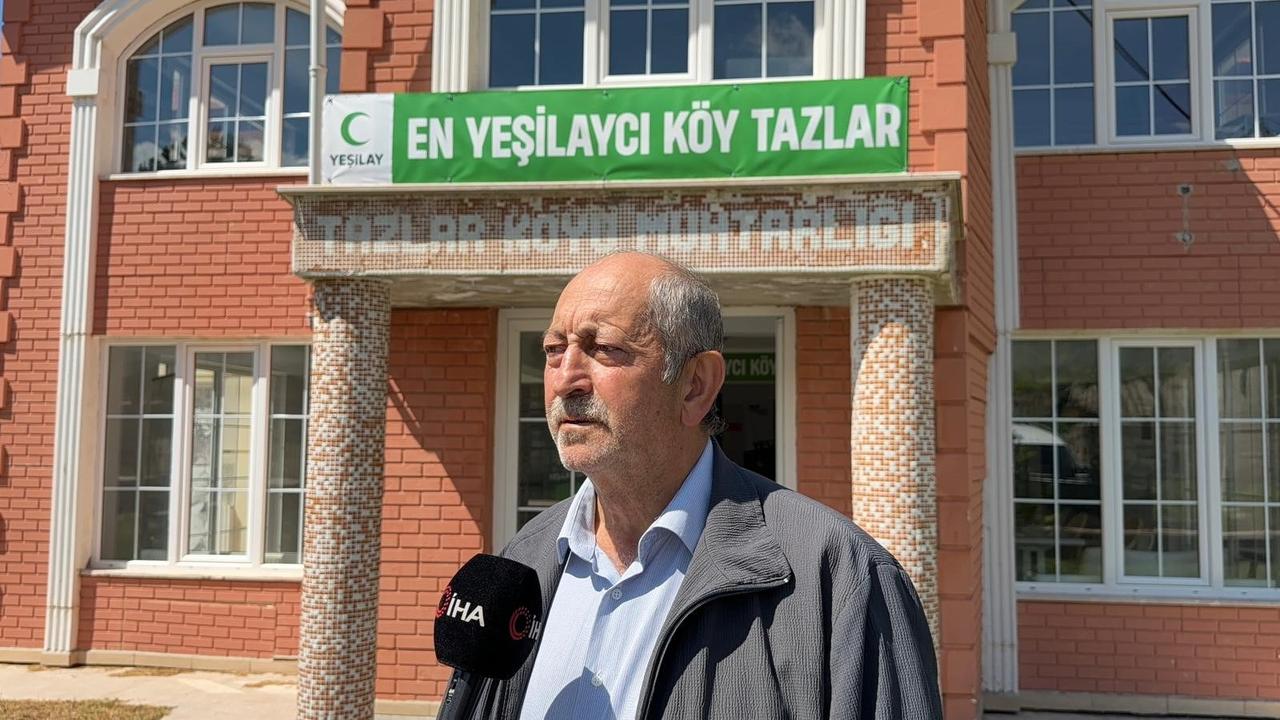

According to Mehmet Aydogmus, head of the Tazlar Village Development Association, the village's reputation as a place where smoking is not part of daily life goes back to 1928. He said a local elder named Ahmet Aga banned smoking in the village at the time, and the habit never took hold in the same way it did elsewhere.
Aydogmus said the story was later covered first by a foreign newspaper and then by a local newspaper in Afyonkarahisar, helping villagers learn more about the background of their own tradition.
Although Tazlar is often described as a "smoke-free village," Aydogmus said it would be an exaggeration to claim that nobody smokes at all. Still, he said the rate of smokers in the village does not exceed 15%, placing it far below the level commonly seen elsewhere.
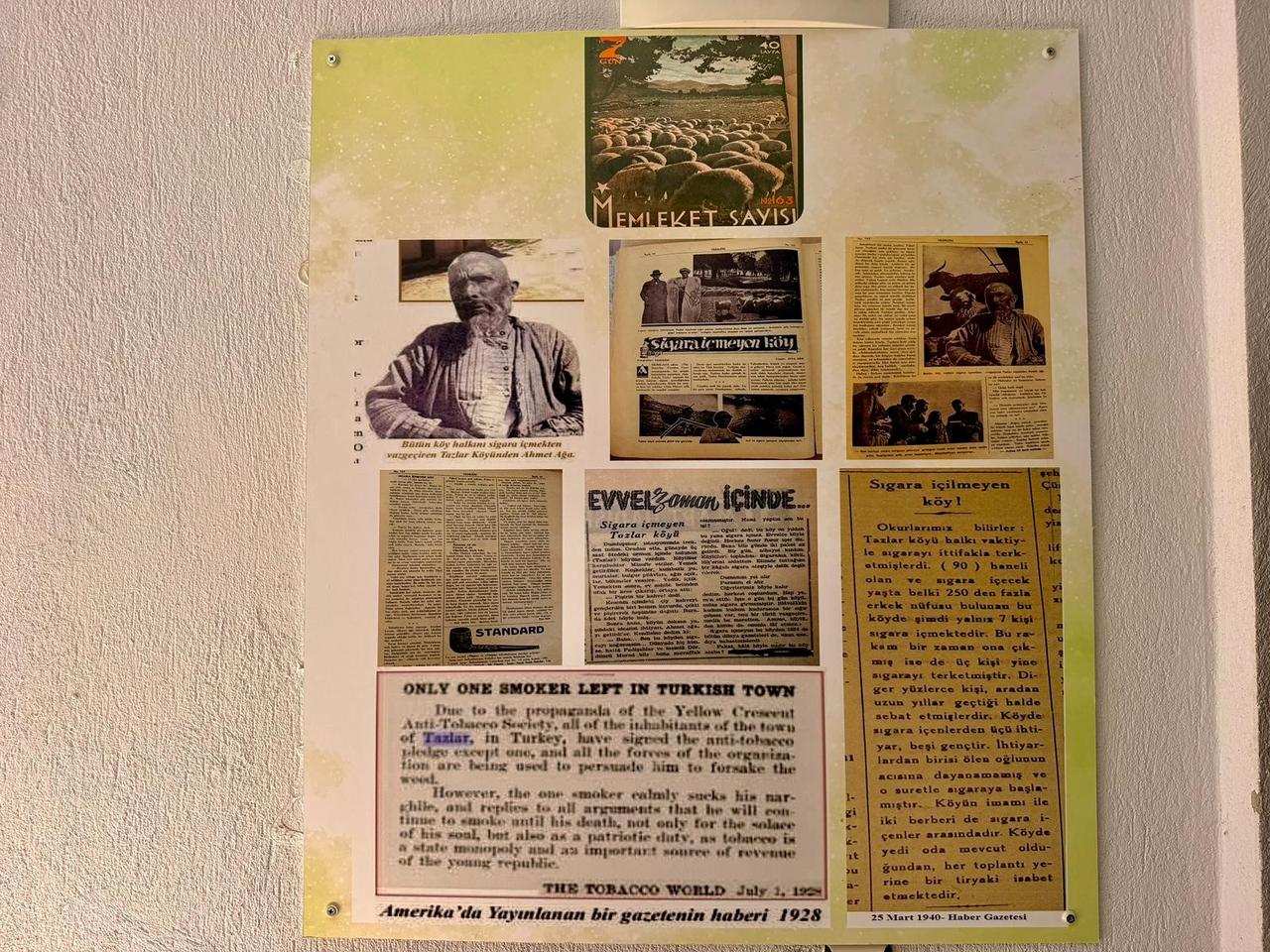
The village's unusual reputation is also preserved in a small visual archive displayed in Tazlar today. One of the panels shows old press clippings, including a 1928 item from the U.S.-based journal "The Tobacco World" under the headline "Only one smoker left in Turkish town." The display, which also includes later Turkish newspaper coverage, shows how Tazlar's anti-smoking stance had become a point of public interest well beyond the village decades ago.
Another feature that sets Tazlar apart is the absence of coffeehouses, which are common social spaces in many Turkish villages. Instead, each neighborhood has its own village room where residents come together to talk, drink tea or coffee, and spend time in a smoke-free setting.
Aydogmus said these rooms are used by both older residents and young people, including children who gather there to play games. He added that because smoking is not allowed in these shared spaces, villagers do not feel the need for a traditional coffeehouse.
"There is no coffeehouse in our village. Instead, we have rooms in every neighborhood," he said, noting that these places help maintain a healthier form of social interaction.
The village's long-running example has also drawn the attention of local officials. Aydogmus said Sinanpasa District Governor Emrah Aslan discussed the issue with the village headman and helped organize the process, while Yesilay has begun work related to the village.
With its rural setting and longstanding smoke-free culture, Tazlar continues to stand out in the region as a village where daily life is shaped by a shared commitment to healthier habits.


 Set as preferred source
 Set as preferred source



 2 min read