Newsletters



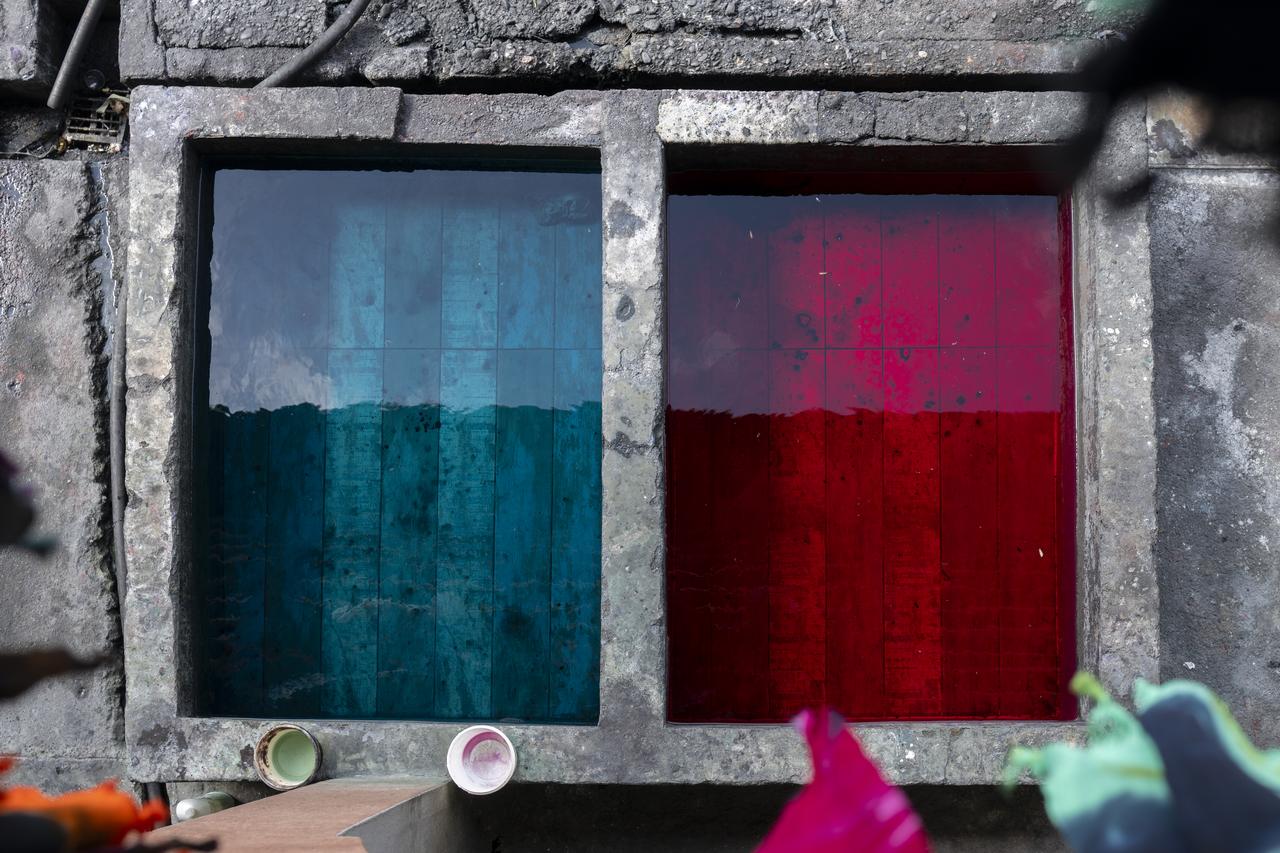
Dye tanks stand ready at a workshop in Tokat, an inland city of about 165,000 people in Türkiye's Black Sea region, some 420 kilometers (260 miles) east of the capital Ankara and well inland from the coast itself.
There, artisans continue a centuries-old tradition of hand-printing fabric with carved wooden blocks, a craft passed down through generations at the historic Yazmacilar Inn.
Historically a stop along trade routes linking central Anatolia with the Black Sea coast, Tokat today serves as a regional hub for commerce and administration.
The work takes place inside the Yazmacilar Inn, a longstanding gathering point in the city center where fabric printing has been carried out for generations, its rows of wooden stamping blocks and shallow dye pools filling the space.
Each motif begins with a block carved by hand from wood, a process that can take days depending on the pattern's complexity.
Craftsmen and craftswomen select from an inventory of designs built up over years, some based on floral and geometric patterns specific to the region.
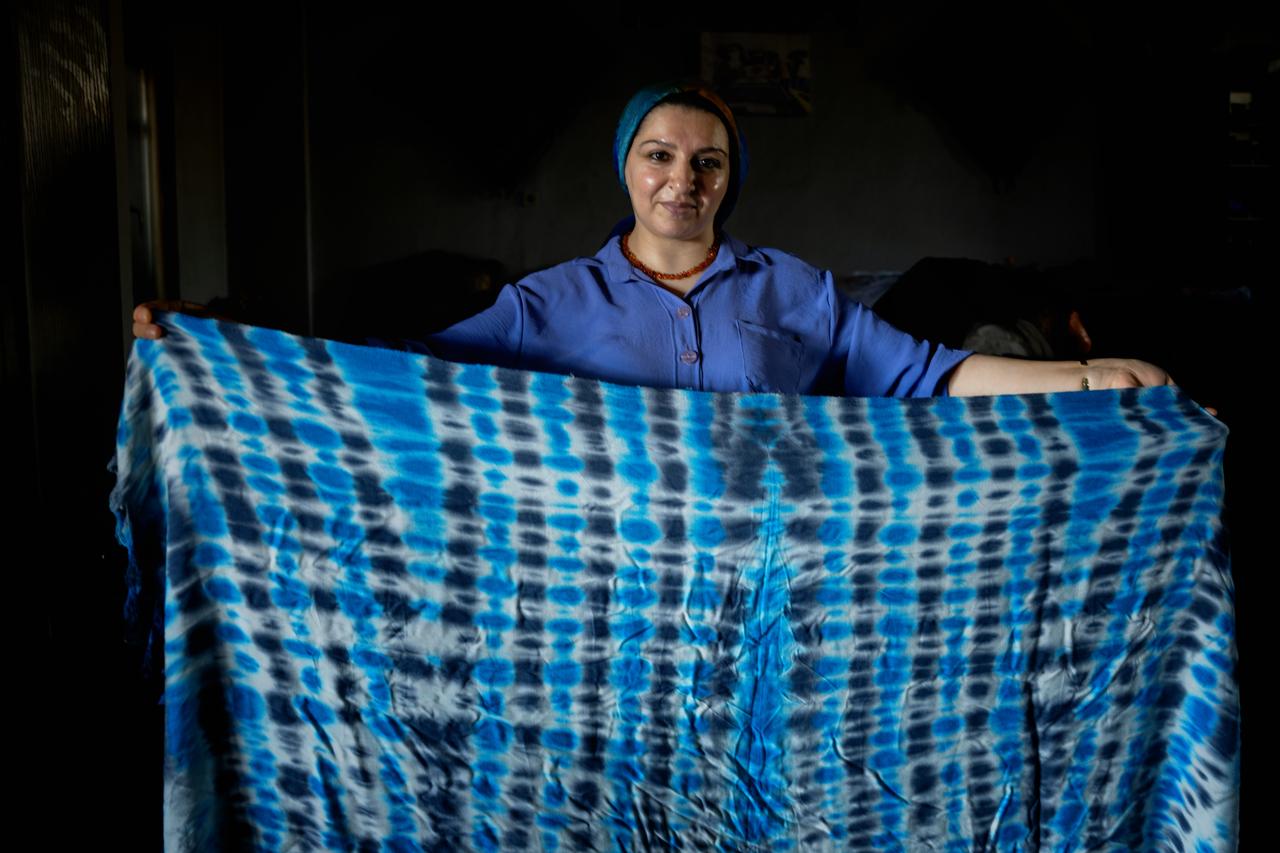
Color comes from natural root dyes prepared on-site rather than synthetic alternatives. Artisans mix and test shades before each print run, a step that determines the depth and consistency of color once the fabric is stamped and set.
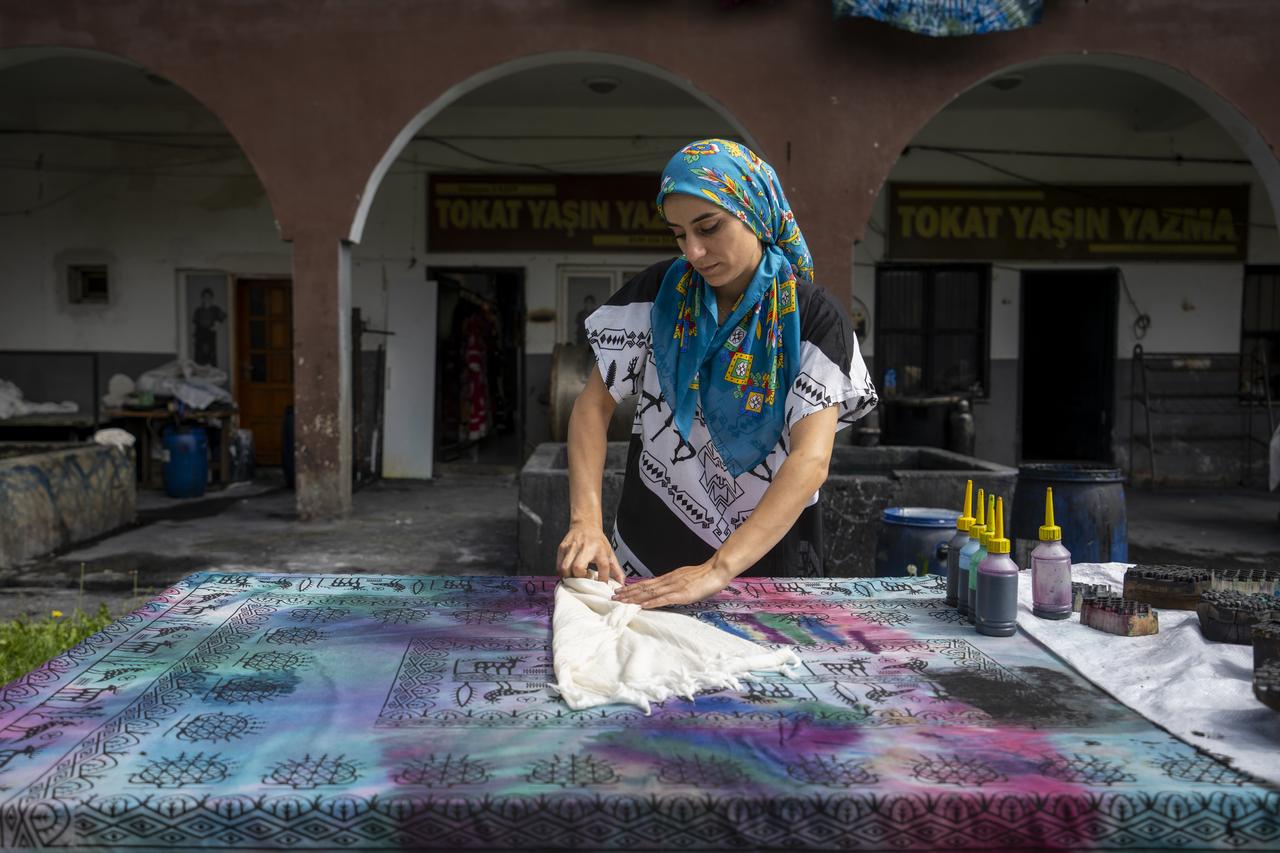
A craftsman presses a carved block onto stretched fabric, repeating the motion along the cloth to build a continuous pattern.
The technique, known locally as stamping, requires precise pressure and spacing to keep each repetition aligned with the last.
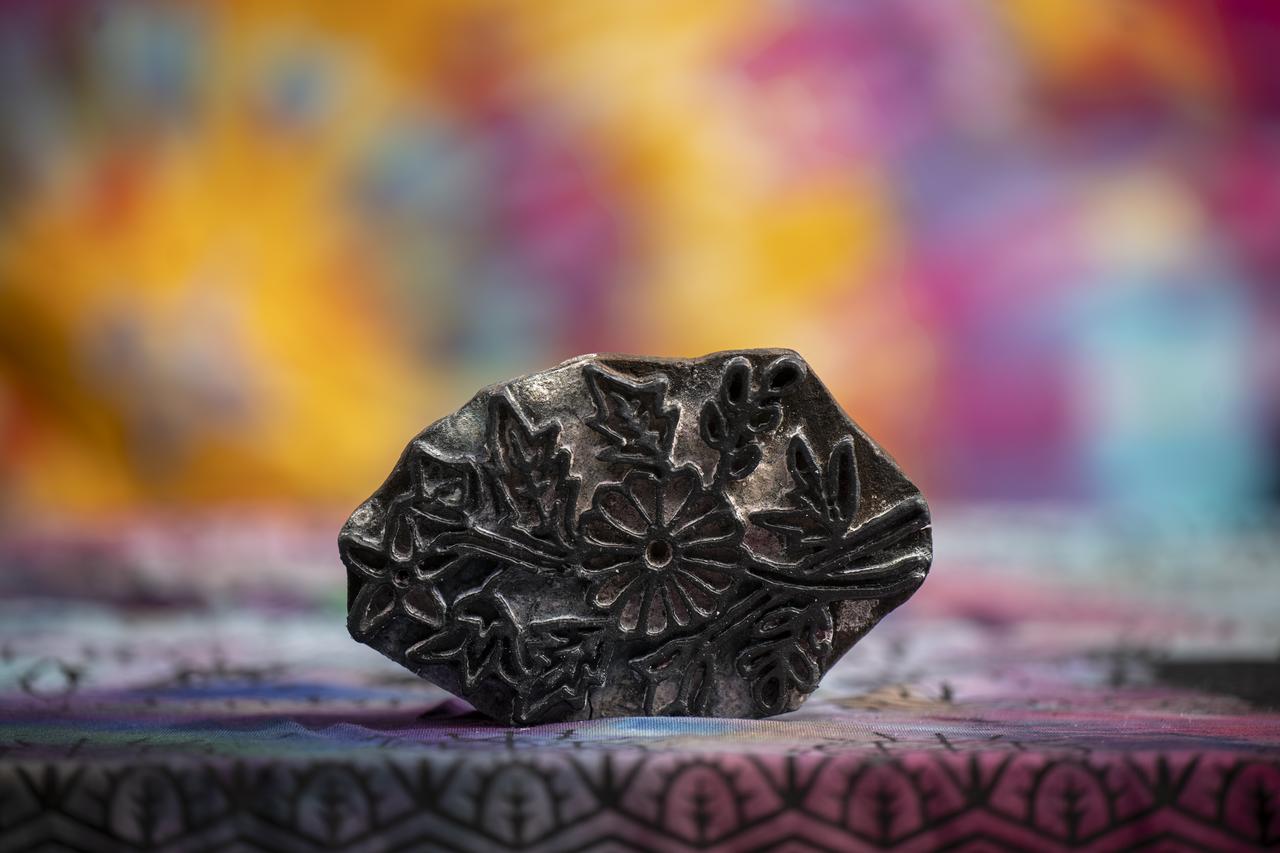
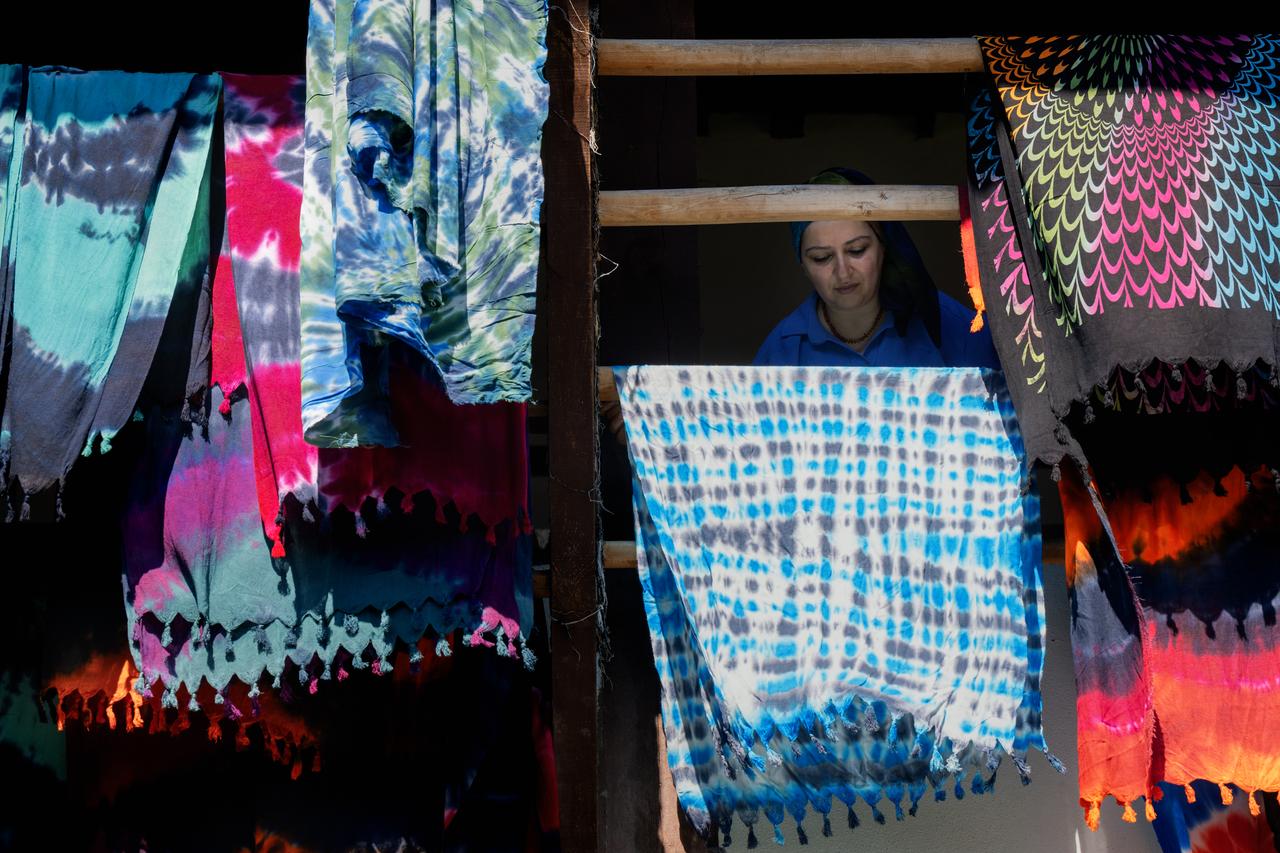
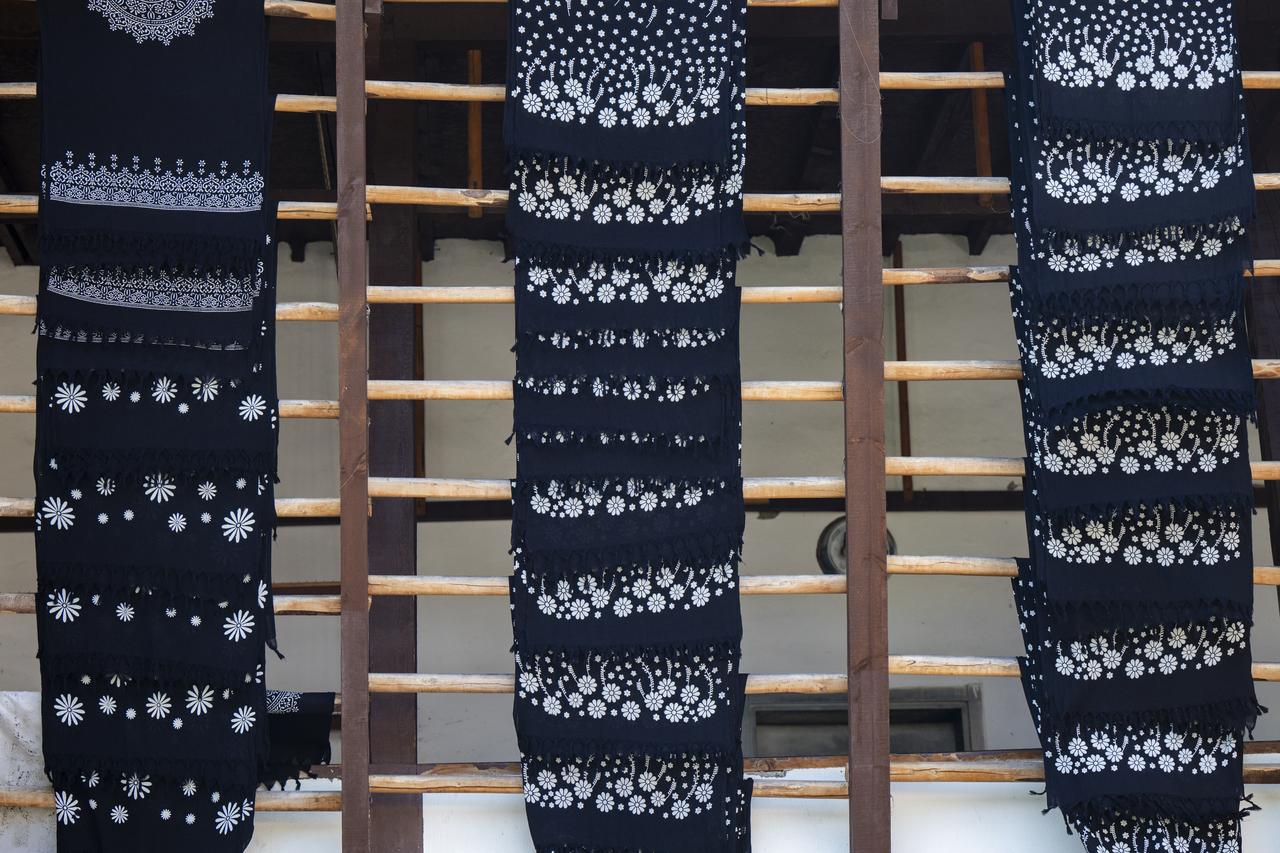
After stamping, the fabric is washed to remove excess dye and set the color, then hung to dry in the inn's courtyard. Both male and female artisans take part in each stage, from preparation through the final drying process.
Finished lengths of hand-printed fabric are laid out at the end of the process, the result of stages that have changed little over time.
Artisans in Tokat continue the practice today, working to keep the technique in use for future generations.


 Set as preferred source



 1 min read