Newsletters


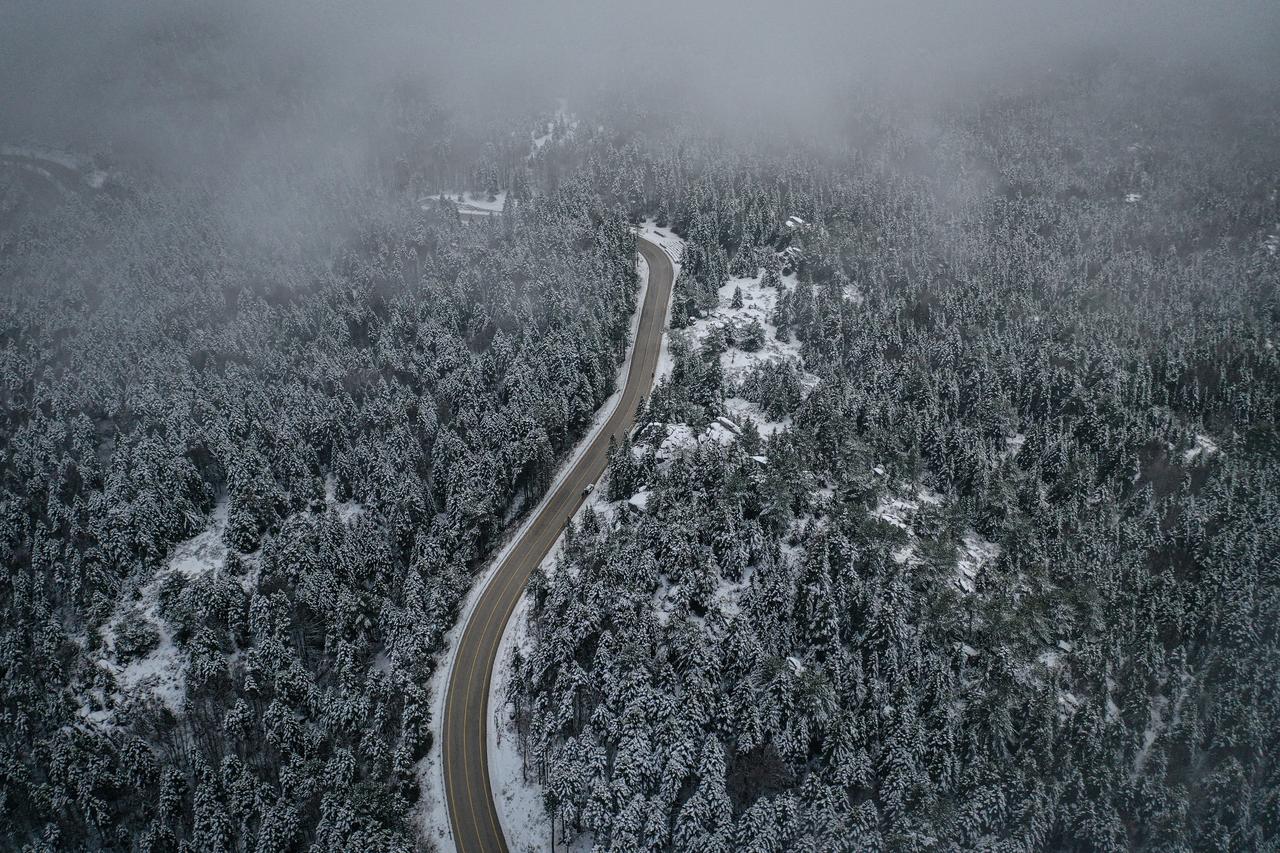


Bursa, one of Türkiye’s largest industrial and agricultural hubs, is facing growing water security risks as Uludag, widely described as the city’s “water insurance,” shows clear signs of climate-driven decline. Local authorities warn that shrinking snow cover, rising temperatures, and sharply reduced rainfall are putting sustained pressure on reservoirs that supply the metropolitan area.
Uludag, the mountain massif that feeds Bursa’s main surface and groundwater systems, has been hit hard by changing climate patterns. According to data shared by Bursa Metropolitan Municipality, the duration and thickness of snow cover on the mountain have fallen dramatically over the past decade. In 2015, the summit remained snow-covered for most of the year, with snow depths approaching 2 meters (6.6 feet). By 2024, snow lingered for only around 100 days, and maximum thickness dropped to under 1 meter.
Although snow depth briefly reached higher levels in early 2025, officials underlined that faster melting caused by rising temperatures is reducing the amount of water that can be stored and gradually released into rivers, aquifers, and dams.
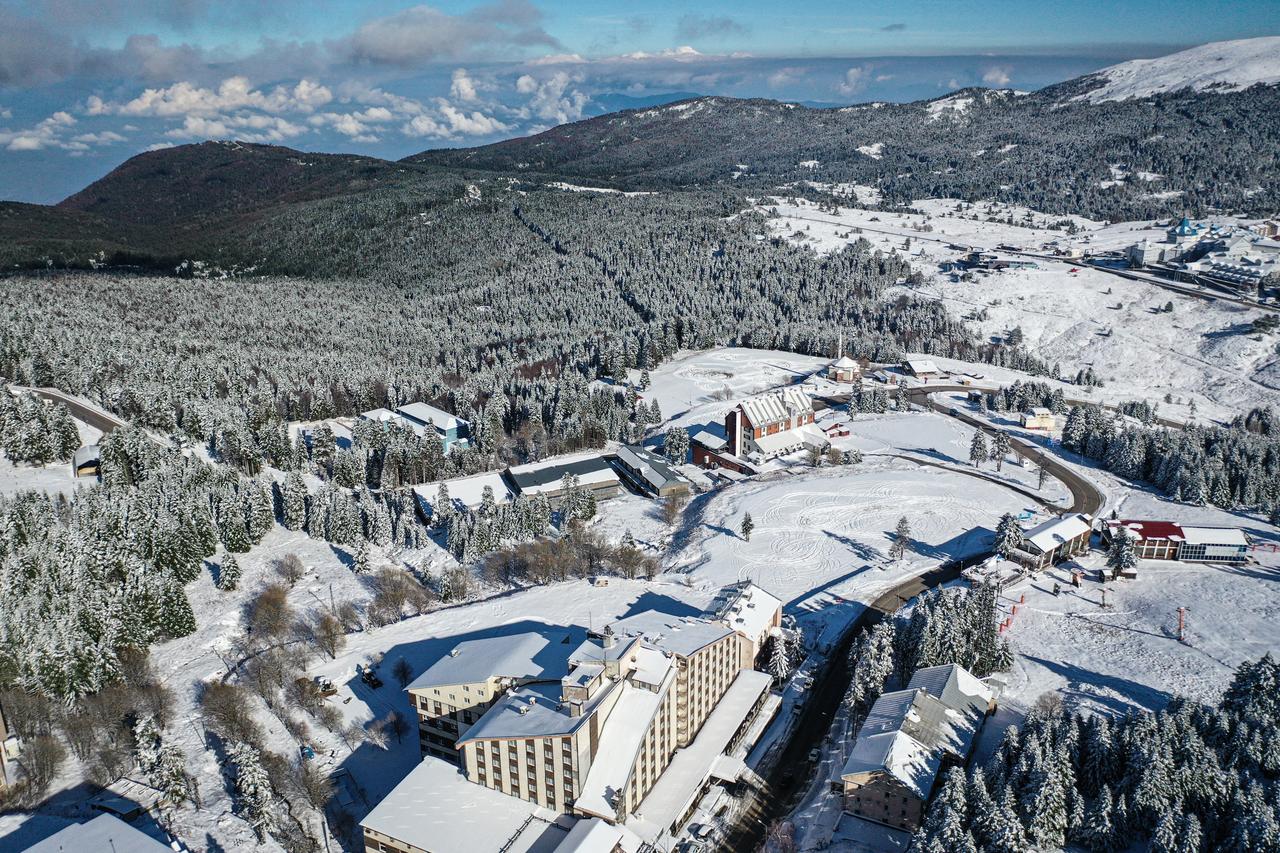

Long-term observations from 1970 to 2024 point to a steady warming trend. Average temperatures in Bursa city center have risen by about 2 degrees Celsius (3.6 degrees Fahrenheit), while the increase at Uludag’s summit has reached roughly 3 degrees Celsius. This warming accelerates evaporation and limits the ability of precipitation to recharge groundwater, meaning that even when rain or snow falls, less of it ends up strengthening the city’s water reserves.
At the same time, precipitation levels at high altitude have dropped below historical averages, further undermining Uludag’s role as a natural regulator that once helped stabilize water supply during dry months.
The pressure on Bursa’s water system has been compounded by an exceptionally dry year. The Turkish State Meteorological Service’s Water Year Report covering October 2024 to September 2025 shows that average annual rainfall in the city fell well below long-term norms, marking the lowest level recorded in more than 50 years. Municipal officials say this shortfall has directly affected reservoir inflows and increased the risk of shortages during peak demand periods.
Bursa Metropolitan Mayor Mustafa Bozbey has openly acknowledged the scale of the challenge after inspecting the city’s main reservoirs, including the Doganci and Nilufer dams. He recalled that reduced rainfall earlier in the year forced temporary water cuts, though precautionary measures prevented more severe disruptions.
Bozbey said the long-held image of Bursa as a water-rich city no longer reflects reality and credited residents for reducing consumption during recent restrictions. At the same time, he stressed that savings must become permanent, calling on the public to protect water resources and adopt a sustainable approach to daily use.
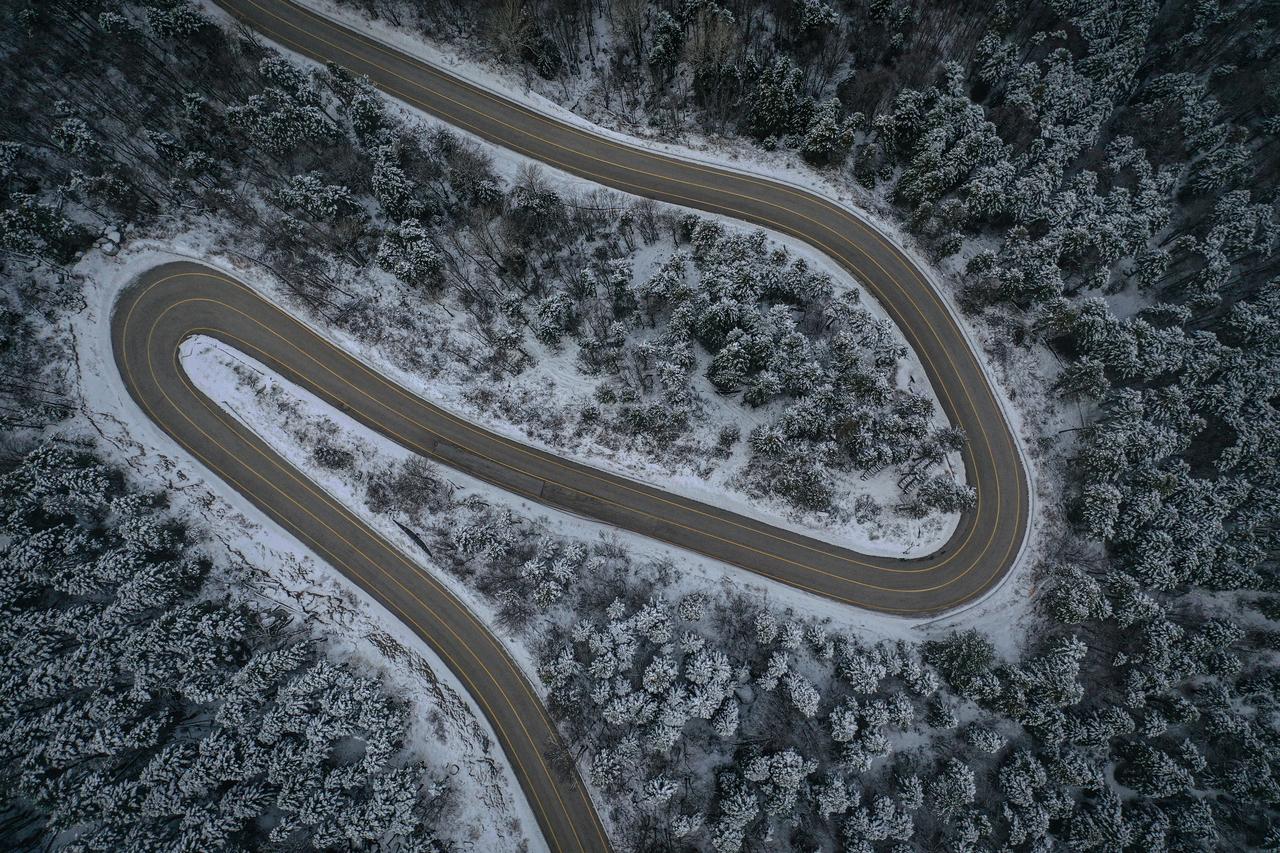
Pointing to Uludag as the backbone of Bursa’s water system, Bozbey highlighted how declining snowfall has translated into lower reservoir levels over the past decade. He argued that while the global climate crisis has been discussed for years, local adaptation measures were delayed, making today’s situation more severe. The municipality, he said, is now focusing on science-based solutions rather than short-term fixes.
Among the steps already taken is the activation of a bypass line from the Cinarcik Dam, which currently delivers around 100,000 cubic meters of water per day to the city. An associated treatment plant is expected to be brought online soon, offering temporary relief while longer-term projects continue in cooperation with national water authorities.


 Set as preferred source
 Set as preferred source


 3 min read