Newsletters


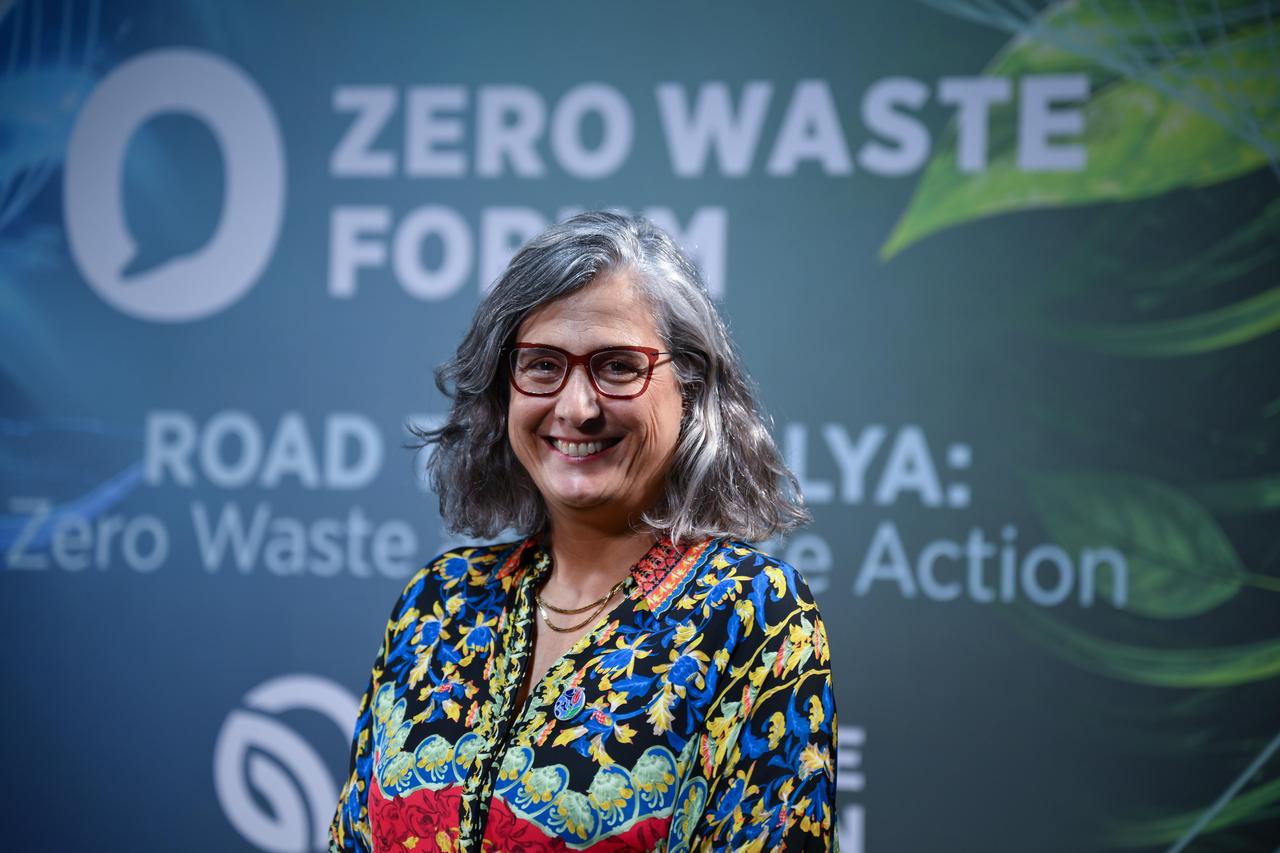


The United Nations Human Settlements Programme (U.N.-Habitat) has warned that the world is facing a deepening global housing crisis, driven by widening affordability gaps, rapid urbanization, and increasing socio-economic inequality.
Speaking to Anadolu Agency (AA) at the International Zero Waste Forum held in Istanbul, U.N. Under-Secretary-General and U.N.-Habitat Executive Director Anaclaudia Rossbach said housing has become a critical global challenge affecting both developed and developing countries
Rossbach noted that young people are increasingly unable to afford homeownership or rental housing, while older populations are struggling to remain in their homes due to rising living costs. “There are many bottlenecks that are widening the affordability gap. For this reason, we are facing a global housing crisis,” she said.
Rossbach emphasized that cities are among the first and most severely affected areas of climate change, citing floods, wildfires, droughts and landslides as growing threats to urban environments. She warned that these risks will intensify as global urban populations continue to grow.
She also highlighted the risks posed by uncontrolled urbanization, stating that poorly planned city expansion increases vulnerability to climate-related disasters.
She called for more compact urban development, improved land-use planning, and strengthened community resilience.
Highlighting the scale of the crisis, Rossbach stated that approximately 300 million people are currently living on the streets globally, describing them as among the most vulnerable to climate and environmental shocks.
She added that housing insecurity is now a shared challenge across regions, affecting both the Global North and Global South, with rising costs impacting all demographics.
Rossbach said U.N.-Habitat has placed housing access at the center of its 2026–2029 Strategic Plan, working with member states and cities to develop and promote affordable housing solutions.
She stressed that addressing housing affordability is now a central pillar of the agency’s global mandate.
Beyond being affected by climate change, Rossbach noted that cities are increasingly playing a central role in developing solutions. Many municipalities, she said, are adopting nature-based solutions and implementing resilience strategies in direct cooperation with local communities.
She also pointed out that urban components are increasingly included in national climate commitments, reflecting growing recognition of the role of cities in climate policy.
Rossbach also commented on Türkiye’s Zero Waste initiative, describing it as a clear, practical, and widely accessible approach that has successfully brought together governments, civil society, businesses, and local communities.
She emphasized the importance of international cooperation and knowledge-sharing among cities, noting that discussions held in Istanbul could contribute to broader global climate and sustainability efforts, including upcoming negotiations such as COP31 in Antalya.


 Set as preferred source
 Set as preferred source


 1 min read



 1 min read